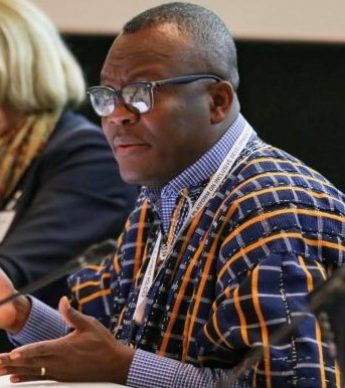
My Reflections on our Journey Through History, Culture, and Resilience in Senegal.
The Open Society Foundations’ (OSF) Africa Tour kicked off with a vibrant and enlightening experience in Senegal, themed “Unveiling the Soul of Senegal: A Journey Through History, Culture, and Resilience.” This first stop provided profound insights and meaningful lessons that set a foundational tone for the following phases of our tour: Kenya, South Africa, and Namibia.
Senegal’s journey through political stability, cultural depth, youth engagement, gender equity, economic justice, and regional diplomacy offered invaluable lessons and strategic benchmarks as we proceed to the subsequent destinations.

Senegal’s democratic achievements are remarkable within the context of the regional political landscape. Amid widespread instability in the West African region, Senegal stands as a beacon of democratic resilience. The peaceful and constitutional transition of power in April 2024 to Bassirou Diomaye Faye, Africa’s youngest democratically elected president, marked a significant milestone. This victory underscores the strength of Senegal’s institutional structures, vibrant civil society, and the powerful role that collective civic action can play. As we head to Kenya, a nation grappling with its own democratic consolidation challenges, Senegal’s model of citizen engagement, transparency, and accountability served as an instructive reference point.
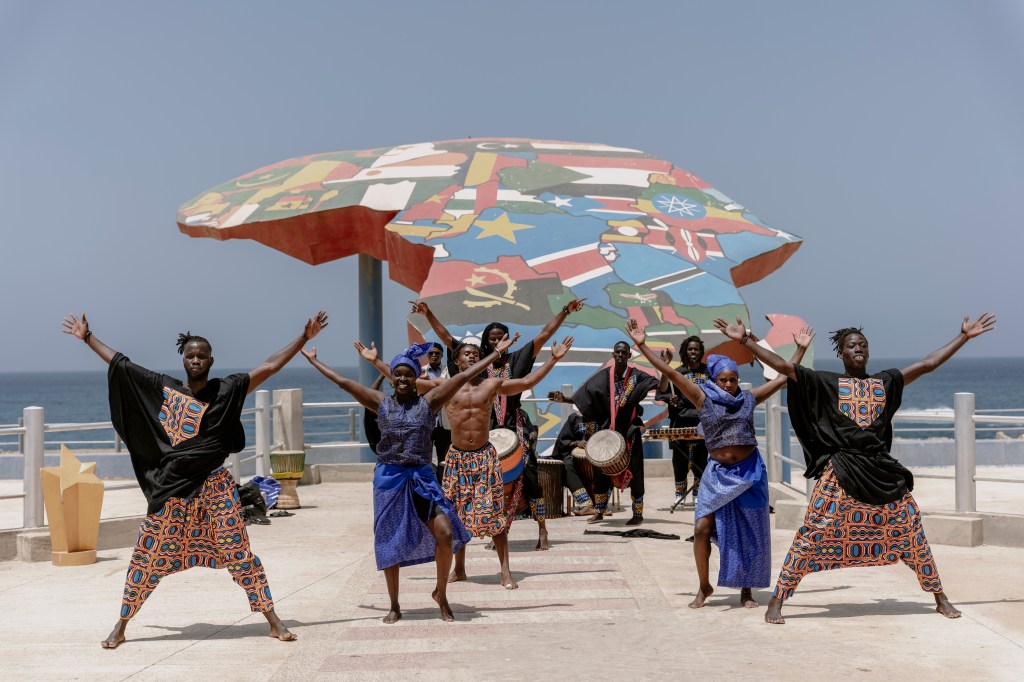
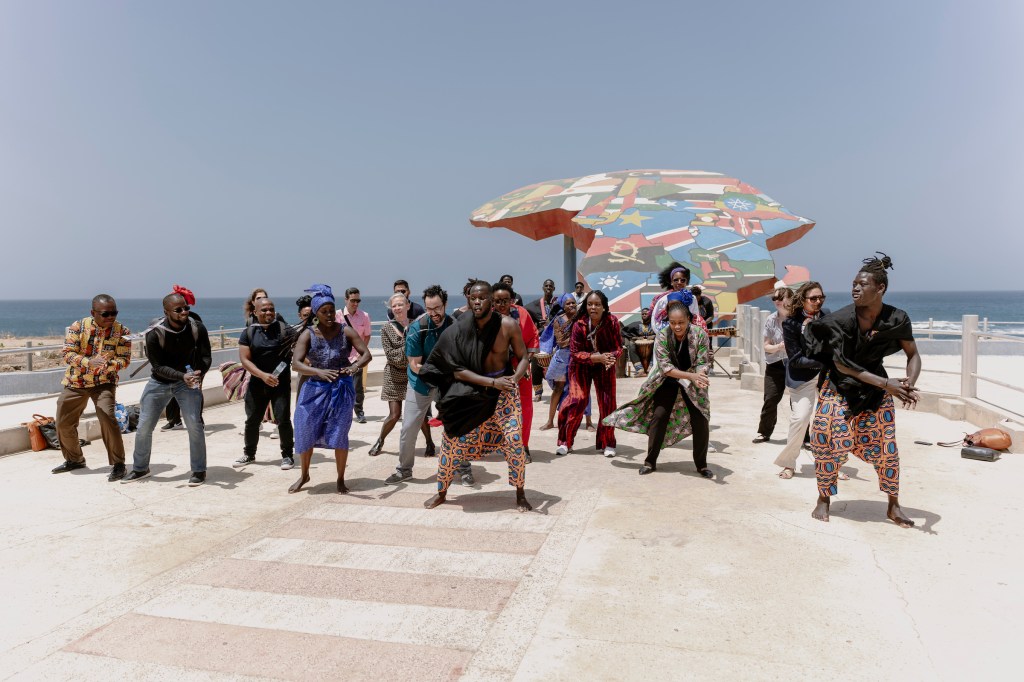
Cultural investment and artistic expression emerged clearly as pillars of democratic expression and social cohesion during our Senegalese visit. Under its first president, Léopold Sédar Senghor, Senegal institutionalized support for arts and culture as cornerstones of dialogue, democratic participation, and national identity. Notably, the Musée des Civilisations Noires that we visited provided us powerful insights into how arts can foster reconciliation, historical consciousness, and democratic resilience. These examples offered valuable insights for our forthcoming engagements in South Africa and Namibia; countries that have navigated complex histories of racial injustice and colonialism.

Senegal’s youth demonstrate exceptional agency and vigilance in preserving democratic gains, as evidenced by their active role in recent electoral processes and civic actions. In Senegal, young people and youth-led organizations have been at the forefront of protecting and revitalizing democratic processes. During the political tensions leading up to the 2024 elections, groups such as AAR Sunu Election mobilized extensively to defend constitutional term limits and ensure electoral integrity. Their grassroots organizing included voter education campaigns, election monitoring initiatives, and widespread use of digital platforms to counter disinformation and mobilize civic participation. Youth movements demonstrated exceptional courage in resisting authoritarian attempts to undermine democracy, building strong networks of solidarity across different sectors of society. Their relentless vigilance and ability to galvanize public opinion were instrumental in ensuring a peaceful transition of power, culminating in the historic election of Bassirou Diomaye Faye.

Beyond electoral moments, youth organizations like the Collectif des Universitaires pour la Démocratie (CUD) have worked to sustain democratic resilience by fostering a culture of critical thought, civic responsibility, and policy engagement. They organized forums, public dialogues, and advocacy campaigns to challenge impunity and demand reforms across education, governance, and human rights sectors. Importantly, young artists, rappers, and digital activists also played a significant role, using creative expression to critique power structures and inspire political consciousness among the broader population. The influential movement “Y’en a Marre” exemplify effective youth engagement. Founded in 2011 by rappers and journalists, Y’en a Marre mobilized mass protests against political stagnation and constitutional manipulation during former President Abdoulaye Wade’s tenure. They used music, art, and grassroots activism to demand political accountability and have remained a significant force in defending democratic principles.
The active, strategic participation of Senegalese youth offers a powerful model for other African nations, highlighting that the vibrancy and endurance of democracy depend not only on institutions but also on the everyday actions and commitments of an engaged younger generation.

Gender Equity and Women’s Political Representation: Our exploration of gender equity and women’s political participation at the Musée de la Femme Henriette Bathily in Dakar gave us significant insights. Despite a progressive legal framework, implementation challenges and persistent patriarchal norms in Senegal reflect common realities across Africa. Panel discussions emphasized practical support for women politicians, direct advocacy, and critical evaluations of international funding mechanisms for gender equity. The Senegalese experience underscores the necessity for targeted, substantive empowerment initiatives rather than merely symbolic actions.
Economic justice and governance emerged as critical themes throughout the Senegal leg of our tour. Senegal grapples with high levels of poverty, youth unemployment, inflation, and economic inequality; challenges exacerbated by recent global crises. Discussions notably addressed the equitable governance of natural resources, such as newly discovered oil and gas reserves. These dialogues provide crucial lessons for South Africa, where mineral wealth distribution remains a contentious issue, and Namibia, actively pursuing equitable resource management policies. Transparent governance, community involvement, and equity in resource management are essential to translating economic growth into tangible improvements in citizens’ lives.
Religion: Senegal stands as a remarkable example of interfaith harmony in Africa, with approximately 95% of its population identifying as Muslim, about 4% as Christian (primarily Roman Catholic), and the remainder practicing indigenous traditional beliefs. Despite this religious diversity, Senegal has cultivated a culture of peaceful coexistence rooted in mutual respect and the principle of laïcité (secularism) enshrined in its constitution since independence in 1960. Prominent Muslim brotherhoods such as the Mourides, Tidianes, and Layènes play significant social roles while promoting tolerance, and interfaith families are common, with shared celebrations between Muslims and Christians during major religious holidays. Figures like Abbé Alphonse Birame Ndour, a key leader in Senegal’s interreligious dialogue initiatives, illustrate how religious leaders actively foster national unity. Senegal’s unique model of religious coexistence offers critical lessons for other African nations grappling with sectarian tensions. Senegal’s strategy of fostering interfaith respect and secular inclusivity could be instructive for building lasting peace and democratic stability.
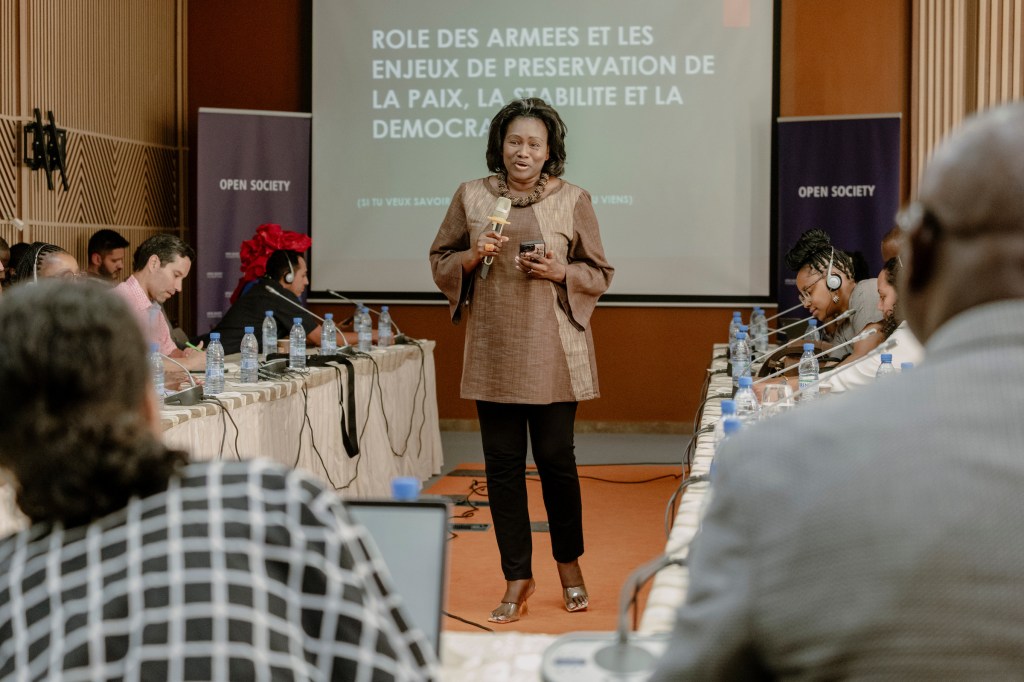
Regional Diplomacy and Mediation: Regionally, Senegal’s role in diplomacy and conflict mediation has grown notably, particularly within the Economic Community of West African States (ECOWAS) and the newly established Alliance of Sahelian States. Senegal has played an instrumental diplomatic role within the Economic Community of West African States (ECOWAS). Since assuming office in April 2024, President Bassirou Diomaye Faye has emerged as a vital bridge-builder, leading efforts on behalf of ECOWAS to re-establish dialogue with the Alliance of Sahelian States (AES) countries. His mediation initiatives aim to preserve regional stability, foster reconciliation, and prevent further fragmentation within West Africa. This renewed emphasis on inclusive diplomacy underscores Senegal’s strategic leadership.
Historical Awareness and Reparative Justice. The importance of historical consciousness and reparative justice brightly emerged during our visit to Gorée Island. We walked through the haunting yet powerful corridors of Gorée Island, a sacred place that holds the memory of millions of lives affected by slavery. Standing at the Door of No Return, I was struck by the resilience of those who came before us, and the urgent need to keep their stories alive. Gorée is not just history, it is a call to conscience. A reminder that justice, remembrance, and healing must be part of our collective journey.

The Maison des Esclaves poignantly reminded us of the profound and enduring impact of historical injustices. Such initiatives to memorialize history and advocate for reparative justice resonate deeply with South Africa and Namibia, nations actively engaging with their own complex historical legacies of apartheid and colonial violence. Integrating memory, reconciliation, and reparative justice into OSF’s strategies across these destinations can support transformative healing and strengthen social cohesion. As we advocate for human rights democracy, lasting peace, accountability etc , let us center the voices of those silenced by history, and commit ourselves to building a future rooted in truth and dignity.
The Senegal stop provided OSF with strategic insights into sustainable democratic practices, cultural empowerment, active youth participation, substantive gender equity, economic justice, religious tolerance, regional cooperation, and historical awareness.


 Assodesire