Africa in 2026 and Beyond: 7 Strategic Inflection Points for the Continent’s Future.

Africa enters 2026 at a moment of dangerous convergence. Democratic retreat, prolonged wars, climate shocks, and unsustainable debt are colliding with a rapidly shifting global order. Power politics rather than rules define the new international order. At the same time, Africa is becoming ever more central to the world’s future. The continent hosts around 60% of the world’s best solar resources and a commanding share of the minerals essential to the global energy transition. Yet, the paradox endures: Africa is globally indispensable but remains politically and economically underpowered.

As part of my usual annual strategic analysis and forecast for Africa, I map seven interlinked pressure points: democracy and governance, conflict and security, human rights, debt and fiscal sovereignty, geopolitics, digital transformation, and the governance of natural resources, showing how each one amplifies the others.

My central message is that Africa’s trajectory will depend less on what the world does to it than on what Africans choose to do together. I then call for bold continental discipline, stronger regional and continental institutions, and a decisive shift from rhetorical unity to enforceable solidarity.

I finished with a calendar of key moments to watch in 2026, strategic dates, and decision points where Africa’s priorities will be tested.
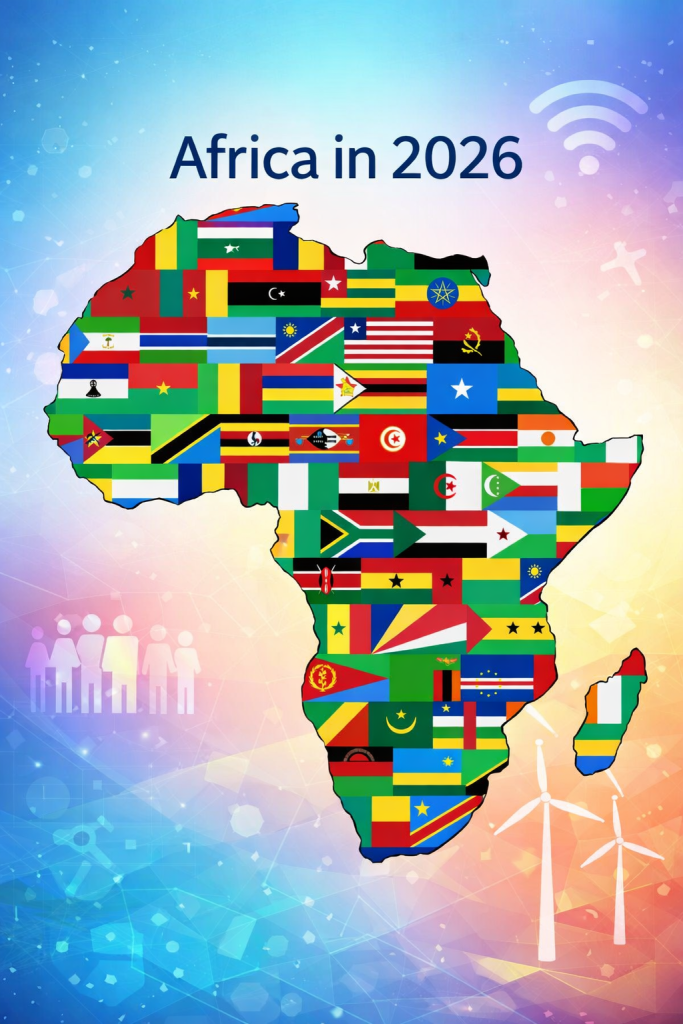
The year ahead will not simply be another chapter in Africa’s long struggle with underdevelopment and governance. It will be a critical year, one that determines whether Africa continues to be shaped by external interests and domestic predation, or whether it begins to assert coordinated political, economic, and moral agency.

Africa is living through a struggle between two futures: one driven by force, impunity, and hollow rhetoric of sovereignty; the other built on collective intelligence, democratic substance, and broad social coalitions led by youth, women, citizens… The outcome is not predetermined, but 2026 and the years that follow will surely narrow the range of possibilities, hence the urgency for concrete and decisive actions on the following matters.

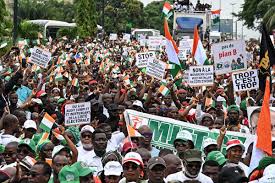
1. Democracy under siege: elections, coups, and the collapse of legitimacy: A continent moving away from democratic norms

By the end of 2025, more than half of African countries were classified as “not free” or only “partly free” by global democracy indices. Since 2010, at least 10 successful coups have taken place in Africa, and over 20 constitutions have been amended to weaken term limits. Civic space has closed sharply, with the work of journalists, activists, and opposition leaders increasingly criminalized.

In 2026, Africa faces over 20 national elections, many in contexts already marked by repression, insecurity, or economic crisis. Rather than renewing legitimacy, several of these elections risk deepening political alienation. In Uganda (January 2026), President Yoweri Museveni, in power since 1986, is expected to extend his rule amid intimidation of opposition and militarization of politics. In Ethiopia (June 2026): Elections will take place against a backdrop of unresolved conflicts in Tigray, Amhara, Oromia, and Somali regions, with millions displaced and the electoral authority facing credibility and logistical crises.

The danger is not only flawed elections but the normalization of democratic fraud, creating fertile ground for coups, insurgencies, and social explosions.

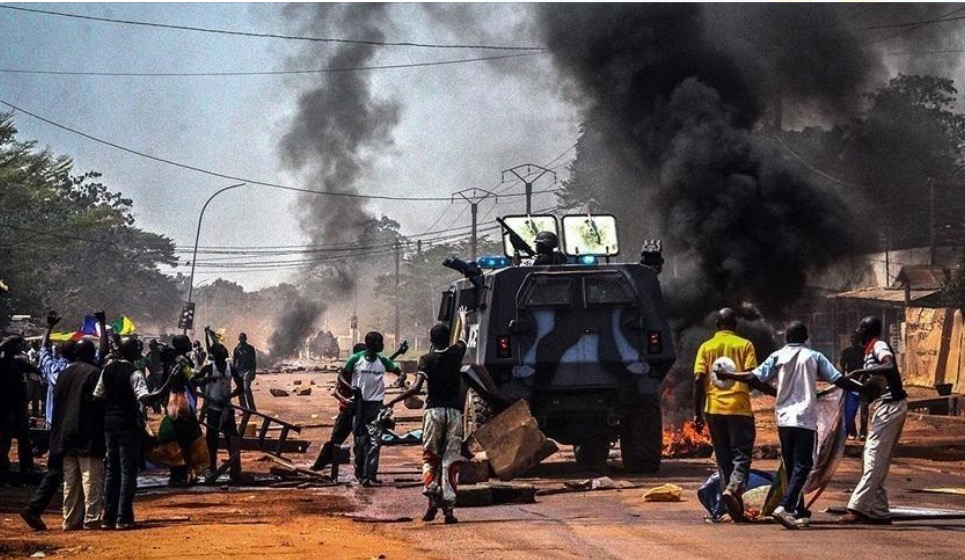
2. Conflict: symptoms of deeper governance failure
Sudan: a catastrophic war with global enablers

The war in Sudan, now entering its third year, represents one of the gravest humanitarian crises in the world, with 12+ million displaced, including 4 million refugees. 50% of the population is facing acute food insecurity; famine conditions exist in multiple regions. The estimated death toll exceeds 150,000. The current partition of Sudan, with the SAF based in Port Sudan and the RSF entrenched in Darfur, reflects the failure of African and international diplomacy to impose costs on war profiteers and external sponsors. In 2026, fighting is expected to intensify in Kordofan, with increased drone warfare and regional spillovers.

Eastern DRC: diplomacy without deterrence

In the Democratic Republic of the Congo, peace initiatives have failed to dismantle armed groups or address regional interference. Despite US and Qatari-backed talks and the December 2025 agreement in Washington, hostilities continue. More than 6 million people remain internally displaced in the DRC, the largest displacement crisis in Africa. As long as mineral wealth coexists with impunity, violence will remain economically rational.

The Sahel: A Security Crisis Turning Systemic.

The Sahel has become one of Africa’s most acute and rapidly deepening conflict theatres, where insurgency, state fragility, and humanitarian collapse intersect. As of late 2025, over 3.3 million people have been forced from their homes within the Central Sahel alone, and broader estimates place the total displaced, including refugees and internally displaced persons, at nearly 5.9 million, alongside roughly 2.2 million refugees hosted across neighboring countries. The human toll is compounded by economic collapse, food insecurity, and erosion of governance, making the Sahel both a security and humanitarian priority that, without decisive regional action and sustained investment in protection, risks becoming a chronic area of instability with cross-continental implications.

The key lesson on conflicts for 2026 is that Africa’s wars persist not for lack of mediation, but for lack of accountability, sanctions, and enforcement.

The future of human rights in Africa is at acute peril.

Across the continent, civic space is shrinking, journalists and human-rights defenders are criminalized, courts are captured, and emergency laws are normalized in the name of security and stability. Elections increasingly coexist with repression; conflicts persist alongside mass displacement and atrocity crimes; and digital surveillance is being weaponized to silence dissent.

This convergence risks scraping out the very idea of rights as universal, replacing it with selective protections and transactional tolerance. African states must collectively and visibly recommit to non-derogable rights by restoring judicial independence, protecting free media and digital freedoms, and ending impunity for violations through credible investigations and sanctions. Regional and continental institutions, especially the African Union and its human-rights architecture, must be empowered and resourced to enforce standards, not merely observe breaches, including by triggering consequences for constitutional manipulation and repression. Governments must also anchor security responses in human-rights law, recognizing that abuses fuel radicalization and instability rather than prevent them. Africa must place youth, women, and frontline defenders at the center of governance, not as risks to be managed but as guarantors of accountability. These steps are not optional: without a decisive course correction, the erosion of rights will undermine legitimacy, deepen conflict, and foreclose development; with it, Africa can rebuild trust, resilience, and a democratic future worthy of its people.

3. Debt, cost of capital, and the structural trap: Unfinished business
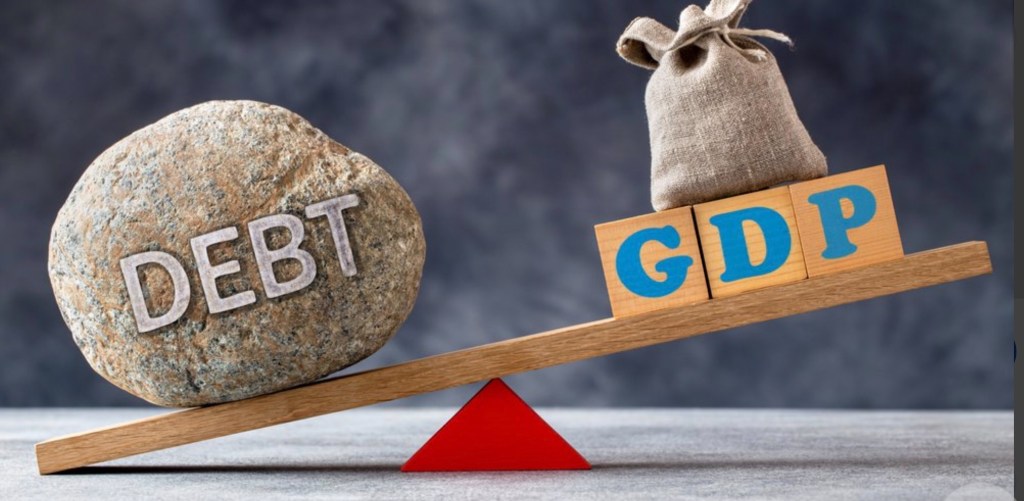
Africa’s debt crisis is often misdiagnosed. The problem is less about reckless borrowing and more about systemic financial discrimination. Average African sovereign borrowing costs are 2-4 times higher than those of advanced economies. In 2025, over 20 African countries spent more on debt servicing than on health or education. Climate-vulnerable African states pay an estimated USD 30-40 billion annually in excess interest due to risk premiums.

Without reform of credit ratings, liquidity access, and multilateral lending rules, Africa will remain locked in a cycle where growth fuels repayment, not development.

4. Geopolitics: leverage, coercion, and the test of African solidarity

The geopolitical landscape Africa faces in 2026 is no longer defined by multilateral rules, but by transactional power politics, selective enforcement of norms, and the normalization of coercive diplomacy. The United States, China, Russia, Gulf states, and emerging middle powers are competing openly for strategic advantage over minerals, votes in multilateral fora, military access, trade routes, and ideological alignment. In this environment, Africa is simultaneously courted and pressured, its strategic value rising even as respect for its sovereignty and collective voice remains uneven.
The controversy over the US’s decision not to invite South Africa to the G20 Leaders’ Summit in 2026, citing unfounded allegations that Pretoria persecutes its white Afrikaner minority, crystallizes this reality. Such an unprecedented and politically explosive move would signal a shift from diplomatic disagreement to institutional punishment, weaponizing summit invitations as tools of geopolitical discipline. Beyond South Africa, the implications would be continental: if a G20 member from Africa can be sidelined for pursuing independent domestic and foreign policies, then African participation in global governance becomes conditional, not guaranteed. This moment, therefore, represents a stress test for African unity and multilateral credibility. The African Union, alongside like-minded G20 members from the Global South and beyond, faces a defining choice: accept the fragmentation of global governance through silence, or assert collective solidarity by making clear that the exclusion of South Africa would carry political costs. Quiet diplomacy alone will not suffice. Coordinated pressure, including the credible threat of collective absence or downgraded participation by African states and allied G20 members, may be the only language that resonates in a world increasingly governed by power rather than principle.

For Africa, the stakes go beyond one summit. If the continent fails to respond collectively, it risks entrenching a precedent where African agency is tolerated only when compliant. Conversely, a firm, united stance would signal that Africa is no longer a passive participant in global forums, but a political actor capable of defending its members and shaping the rules of engagement. In a multipolar world drifting toward coercion, solidarity is not symbolism; it is strategy.

5. Digitalization and data governance
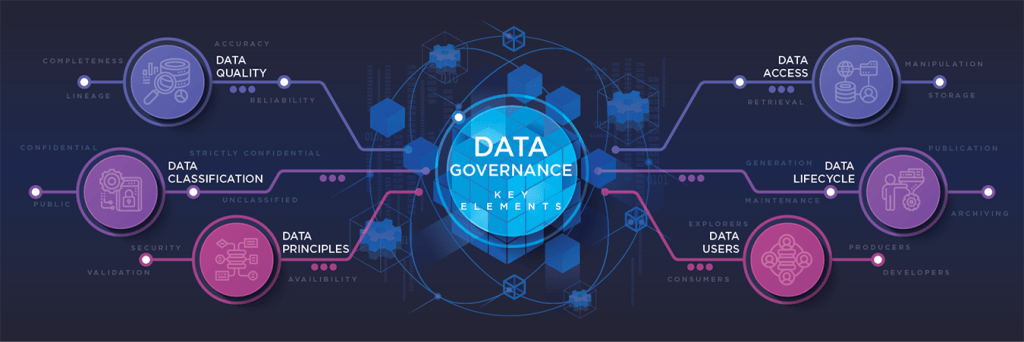
Digital infrastructure, trusted data systems, and frontier technologies are no longer optional enablers; they are the backbone of productivity, service delivery, security, and democratic accountability in the near future.

Africa has begun to make real, measurable strides in digitalization. Still, the pace and inclusivity of that progress remain uneven and urgently need acceleration if the continent is to compete effectively in the global digital economy. Across the continent, the digital economy’s contribution to GDP has risen sharply, from an estimated 1.1% in 2012 to about 5.2% by 2025, driven by expanding internet access, vibrant tech ecosystems, and improved policy frameworks. In North Africa, countries such as Egypt boast internet penetration rates exceeding 70%, supported by robust regulatory environments and rapidly expanding mobile broadband subscriptions. Meanwhile, outside North Africa, governments like Kenya have digitized hundreds of government services, reached millions, and transformed citizen engagement, while platforms like Rwanda’s Irembo, the country’s national digital government services platform, process millions of public transactions, exemplifying how digital public infrastructure can improve governance and service delivery.

Despite this progress, pervasive challenges persist; millions of Africa’s populations remain unconnected to mobile internet, with stark divides in digital usage and skills. Sub-Saharan internet penetration remains around half the global average, and affordability and digital skills gaps continue to exclude large segments, especially women, rural residents, and youth. Furthermore, Africa currently hosts less than 1% of global data-center capacity, even as demand for data services and cloud infrastructure surges, a gap that institutions like the World Bank are beginning to address with significant investments.

The imperative is clear: Africa must accelerate broadband expansion, close the mobile usage gap, and scale digital public infrastructure for identity, payments, health, and education while building robust data governance frameworks that protect rights and enable cross-border data flows. This requires bold continental coordination to ensure that digital transformation is inclusive, secure, and leverages the continent’s demographic dividend. Without decisive action on connectivity, data capacity, digital skills, and governance, Africa risks being relegated to the periphery of the global digital economy, even as the world increasingly runs on data, innovation, and networked services.

6. What must now be done is unambiguous and collective.

Africa must rebuild democratic substance; it must do so together, understanding that democratic backsliding in one country weakens the legitimacy and security of all. The continent must replace selective silence with active African solidarity, enforcing real political and economic consequences for coups, war crimes, constitutional manipulation, and repression, regardless of the country or the identity of those in power. This requires stronger, credible regional and continental institutions, an African Union, and regional economic communities that are empowered, adequately resourced, and willing to hold member states accountable, not merely issue communiqués.

Africa must act as one on global finance, coordinating positions on debt restructuring, correcting the structural bias that drives up the cost of capital, accelerating the creation of an African Credit Rating Agency, and negotiating as a bloc to prevent fragmentation and exploitation. Climate vulnerability must be transformed into collective leverage through unified African negotiating positions on adaptation finance, forest and nature-based revenues, and loss-and-damage mechanisms.

In 2026, Africa must act in disciplined solidarity to turn its critical minerals and natural resources into lasting power, not fleeting rents. The continent holds an extraordinary share of the inputs driving the global energy transition, cobalt, lithium, manganese, graphite, copper, platinum group metals, yet it too often captures the least value, absorbs the most environmental damage, and bears the political risk of extraction. Fragmented national deals and opaque contracts weaken Africa’s bargaining position and lock countries into dependence on raw exports. Working together through common standards, coordinated licensing and taxation, shared infrastructure corridors, and regional value chains, Africa can shift from price-taker to rule-shaper. This requires aligning mineral policy with industrial strategy, insisting on local beneficiation, technology transfer, skills development, and embedding strong environmental, social, and governance safeguards that protect communities and ecosystems.

Continental and regional institutions must enforce transparency and curb elite capture, while resource-rich and resource-poor countries alike cooperate to build integrated markets under the AfCFTA. In a world scrambling for secure supplies, Africa’s leverage will be realized not by competing against itself, but by negotiating as one, converting geological abundance into jobs, resilience, and sovereign choice for the decades ahead.

Africa must lead its own peace and security agenda with enforcement, not excuses, backing mediation with sanctions, accountability, and sustained post-conflict governance. In a world governed increasingly by force and transactional power, Africa’s future will depend on continental discipline, institutional courage, and solidarity anchored in accountability, not slogans, because without strong institutions that can hold leaders to account, African unity will remain a promise rather than a power.

If 2026 becomes the year Africa aligns its politics with its people, it could mark the beginning of a new cycle. If not, the continent risks remaining globally central yet politically marginal.

The future is still open, but it may not be for long.

7. Key Moments in 2026

  • African Union Ordinary Summit (39th AU Summit), Addis Ababa, Ethiopia: 14-15 February 2026:
  • Conference of African Ministers of Finance, Planning and Economic Development (CoM 2026): 28 March – 3 April 2026, Tangiers, Kingdom of Morocco
  • IMF & World Bank Spring Meetings 13-18 April 2026: Washington, D.C., United States
  • Africa Day: 25 May 2026: Celebrated continent-wide and across the diaspora
  • African Development Bank Group Annual Meetings 25-29 May 2026: Brazzaville, Republic of Congo
  • United Nations General Assembly (UNGA 81) 22-30 September 2026: New York City, United States
  • IMF & World Bank Annual Meetings: Early-Mid October 2026: Washington, D.C., United States
  • UN Climate Conference, COP 31: 9-20 November 2026:, Antalya, Türkiye,
  • G20 Leaders’ Summit (US Presidency), Late November 2026: Florida. United States

Taken together, these meetings form a continuous negotiation cycle, from African coordination (AU, UNECA, AfDB) to global power arenas (IMF/WB, UNGA, COP, BRICS, G20, FOCAC). Africa’s success in 2026 will not depend on attendance, but on discipline, unity, and institutional follow-through across this entire chain.

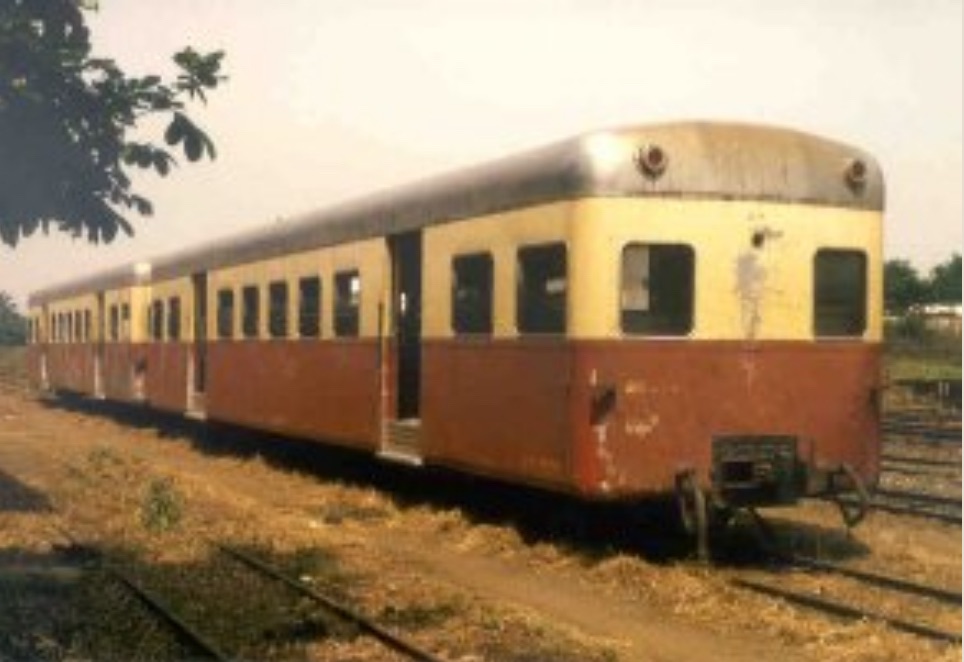
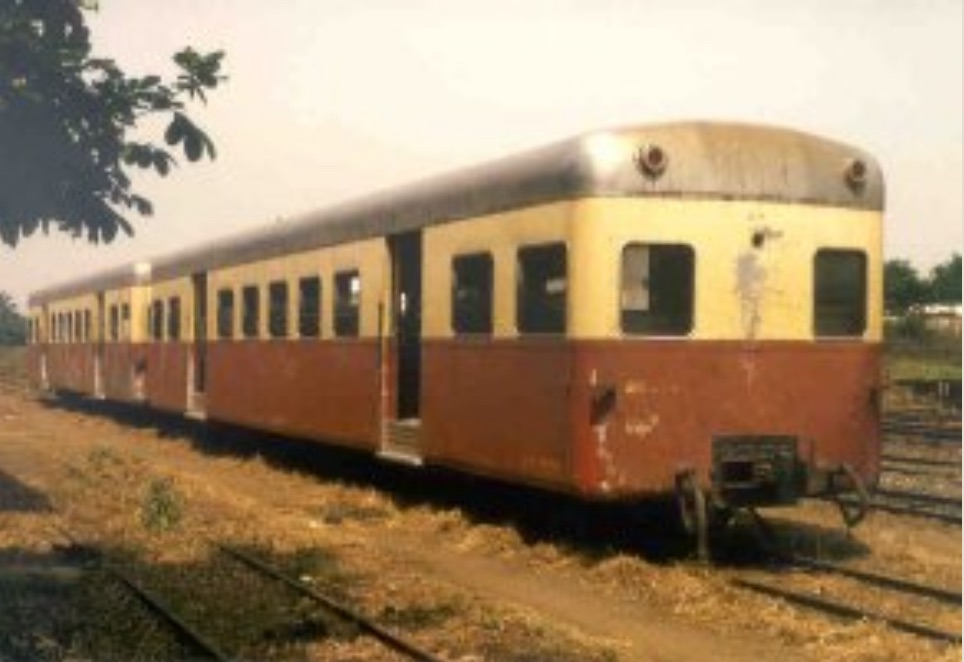
Des Rails du Chemin de Fer aux Droits Humains : Comment j’ai quitté la gare pour trouver ma voie…

Aujourd’hui, je monte dans un train de Nairobi à Mombasa pour rejoindre mes collègues à notre retraite annuelle de stratégie.

En montant dans ce train, mon esprit remonte bien des années en arrière, au jour où j’ai quitté l’école au Togo et où l’on m’a encouragé à accepter un travail manuel à la compagnie nationale des chemins de fer, le Réseau des Chemins de Fer du Togo (CFT).

Après quelques mois, j’ai été admis à leur centre de formation et j’y ai obtenu une double qualification de Chef de train et de Facteur (Adjoint au Chef de Gare dans le jargon technique).

Le tout premier jour de mon premier poste d’affectation à Akodésséwa, quelque chose s’est réveillé au plus profond de moi. Je n’avais que 19 ans, plein d’énergie, plein d’espoir, plein d’ambition, et je me souviens m’être dit : « Qu’est-ce que je fais ici ? Est-ce vraiment ma voie ? »

Ce sentiment est devenu de plus en plus fort et limpide en moi. Au bout d’un an de service, j’ai pris l’une des décisions les plus difficiles et les plus importantes de ma vie : j’ai démissionné et je suis retourné à l’école, déterminé à réussir, quoi qu’il m’en coûte. Huit ans plus tard, j’ai terminé mon Master en droit international et sciences administratives.

Je n’ai jamais considéré le temps passé au Réseau des Chemins de Fer du Togo (CFT) comme du temps perdu. Ces rails m’ont appris la discipline, le sens des responsabilités, l’humilité et le courage de changer de voie quand ton âme te dit que tu es fait pour quelque chose de plus grand.

Aujourd’hui, alors que le train file vers Mombasa, j’emmène avec moi ce jeune de 19 ans, toujours plein d’énergie, d’espoir et d’ambition, simplement engagé dans un autre voyage : le combat pour les droits humains, l’équité et la justice.

From Railway to Rights: How I Left the Train Station to Find My Purpose…

Today I am boarding the train from Nairobi to Mombasa to join my colleagues for our annual strategy retreat.
As I step onto this train, my mind travels back many years, to the day I dropped out of school in Togo and was encouraged to take a labor job with the national railway company, Chemin de Fer du Togo.

After a few months, I was admitted to their training center and earned a double certification as a train operator and Train station officer .
On my very first day at my first duty station in Akodéasséwa, something stirred deep inside me. I was only 19, full of energy, full of hope, full of ambition, and I remember thinking: What am I doing here? Is this really my path?

That feeling grew stronger and clearer. After a year of service, I made one of the hardest and most important decisions of my life: I resigned and went back to school, determined to make it, whatever it took. 8 years later, I completed my Master’s degree in International Law and Administrative Science.

I have never considered the time I spent as a train operator and station officer a waste. Those rails taught me discipline, responsibility, humility and the courage to change tracks when your soul tells you that you are meant for something more.
Today, as the train rolls towards Mombasa, I carry that young 19-year-old with me, still full of energy, hope and ambition, just on a different journey: fight for human rights, equity and justice.

Coups are Crimes Against Democracy: Africa Must Shut the Door on Putschists

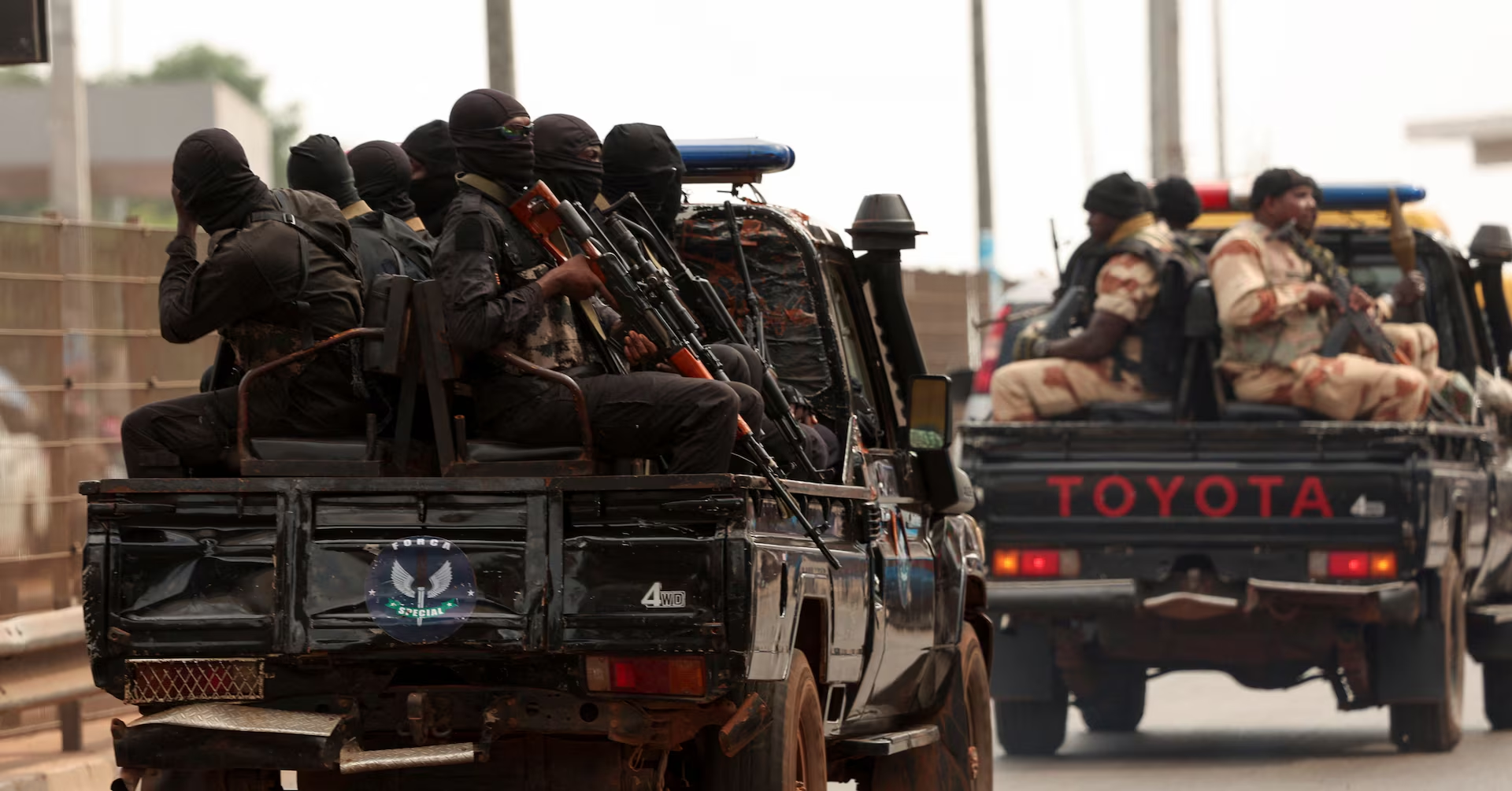
On 23 November 2025, the people of Guinea-Bissau queued for hours under the sun to choose their next president and parliament. Three days later, on 26 November, before the National Electoral Commission could publish the results, armed actors moved: soldiers surrounded key institutions, claimed “total control” of the country and halted the electoral process at gunpoint. On 27 November, the military high command installed Major-General Horta Inta-a Na Man as “transitional president” for a one-year period, while the deposed president, Umaro Sissoco Embaló, was escorted into exile. Call it a “staged coup”, a “self-coup” or a “corrective operation”, the label is irrelevant. What matters is the result: in the decisive hours after a national vote, the people’s verdict was hijacked at gunpoint.

By 29 November 2025, the African Union’s Peace and Security Council had suspended Guinea-Bissau from all AU activities, and ECOWAS had likewise condemned the takeover, suspended the country and demanded that the armed forces return to barracks and allow the announcement of the 23 November election results. This is not a minor constitutional hiccup. It is a direct attack on the fundamental right of citizens to choose and change their leaders, and a warning shot to every fragile democracy on the continent. If Guinea-Bissau’s coup, staged or “real”, is allowed to stand, it will become the new manual for incumbents and generals who want to cling to power while pretending to respect elections.

Africa simply cannot afford that. Not today, when we urgently need to focus on debt, jobs, climate, education and health, not on endless elite games in fatigues and suits. The African Union, ECOWAS and international partners must therefore draw a clear red line: this coup is illegal, illegitimate and intolerable. The 23 November election results must be published in full, an international investigation must expose the authors and sponsors, and sanctions must be so sweeping and personal that every potential putschist across the continent thinks twice before touching a ballot box or a constitution.

Here is my suggested roadmap in 7 points, that regional, continental and global institutions could act on urgently:

1. Staged or “real”, a coup is a coup, and it must not stand

Whether the events in Guinea-Bissau are labelled a “staged coup”, a “self-coup”, or a classic military takeover is a distraction. The bottom line is simple: armed actors intervened in the middle of an electoral process, blocked the announcement of results, dismantled constitutional institutions and installed a new authority by force. That is the textbook definition of an Unconstitutional Change of Government.

Africa, regional organizations and international partners must treat it as such: no recognition, no normalization, no excuses. Any government produced by this operation is born outside the constitution and should be treated accordingly.

Any attempt to “renegotiate” or massage the outcome in back rooms is not mediation; it is a continuation of the coup by other means. Democracy is not a menu you edit after seeing the numbers.

At most, there can be a very short, one-off exit window for the Guinean putschists: if, within a few days, they restore the elected authorities, allow the full publication of results, release detainees and return to their barracks, they can be considered for exemption from sanctions and prosecution. Beyond that narrow window, however, there should be no deals, no soft landing and no second chances.

2. We need an international investigation and real accountability

Guinea-Bissau cannot move forward on denial and amnesia. A time-bound, independent international commission of inquiry is essential to identify all those responsible:

  • the uniformed officers who appeared on camera;
  • the civilians who planned, financed or blessed the operation;
  • and any foreign actors who enabled it.

This commission should be mandated jointly by the AU, ECOWAS and the UN, with:

  • strong investigative powers and access to financial records;
  • protection for witnesses and whistle-blowers;
  • a clear path to justice, at national, regional or, if necessary, international level.

Impunity is the oxygen of every new putsch. That oxygen must be cut off.

3. Africa has anti-coup norms, let us enforce them

Africa is not starting from zero. The AU Constitutive Act, the Lomé Declaration and the African Charter on Democracy, Elections and Governance (ACDEG) are crystal clear: unconstitutional changes of government will not be tolerated.

The problem is not the law; it is the double standards. In some crises, suspension and sanctions are immediate and robust. In others, political convenience and geopolitical interests dilute the response. That inconsistency is one of today’s biggest coup enablers.

When putschists see that some regimes manage to negotiate their way to recognition, they learn the lesson. Guinea-Bissau must be the case where Africa finally proves that the rules apply to everyone, no matter the rank, the rhetoric or the foreign friends.

4. Sanctions: Travel bans, asset freezes and no safe havens

If Africa wants to stop coups, sanctions must hurt the right people, not the population. That means:

  • Continent-wide travel bans on all coup leaders, their immediate families and key civilian sponsors – covering every AU and REC member state, with coordinated lists shared in real time. No shopping in Johannesburg, no medical trips in Tunis, no quiet conferences in Nairobi or Addis while citizens sit under military rule.
  • Global travel bans aligned with the AU position, extending to Europe, the Americas, the Middle East and Asia. Putschists must know that any airport can become a point of arrest, not a transit lounge.
  • Comprehensive asset freezes, targeting:
    • bank accounts, companies and properties held by coup leaders and their associates;
    • front companies and proxies used to hide wealth, including assets registered in the name of spouses, relatives, business partners or shell firms. Where necessary, beneficial-ownership investigations should be launched to expose these networks.
  • A business blacklist: firms, lobbyists and political consultants who knowingly facilitate or profit from coup-born regimes should also face sanctions and exclusion from public contracts and international financing.

These measures must be automatic and coordinated: once the AU and ECOWAS determine that an Unconstitutional Change of Government has occurred, a standard sanctions package should be triggered within days, not debated for months. No more ad hoc bargaining, no more selective outrage.

5. Declare coups a serious crime with no prescription

Africa must also send a clear legal message: a coup is not just a political event; it is a crime, and one that should carry no statute of limitations.

  • National laws, the AU legal framework and REC protocols should recognize the orchestration or support of an Unconstitutional Change of Government as a serious offense, comparable to high-level corruption or grave violations of constitutional order.
  • Those responsible should remain permanently liable to prosecution, even after they leave office or flee abroad. Time should not wash away the crime.
  • Amnesty deals that shield coup leaders from accountability should be strictly limited and subject to continental scrutiny; they must not become the default escape route.

By declaring coups a crime with no prescription, Africa would send a simple signal: even if you outlast this sanctions cycle, the knock on the door can still come in five, ten or twenty years. There will be no safe retirement for those who gain power by breaking the constitutional order.

6. This is about Africa’s economic and social future

Every coup, whether dressed up as “correction”, “transition” or “staged drama”, is a tax on Africa’s future. It scares away investment, deepens debt distress, fuels capital flight, weakens institutions and diverts energy from the real work such as creating jobs and decent livelihoods, reforming economies and fixing broken tax and debt systems, investing in health, education and climate resilience.

Guinea-Bissau is a fragile country that cannot afford yet another cycle of elite games between politicians, generals and traffickers. But the same is true across the continent.

The path forward is clear:

  • ECOWAS and the AU must maintain suspension of Guinea-Bissau and refuse to recognize coup-born authorities.
  • The election results must be published in full, with international support.
  • An independent international investigation must establish the truth and trigger tough, personal sanctions travel bans, asset freezes and legal proceedings.
  • The AU and RECs must update the definition of coups, make sanctions automatic, and treat coups as crimes with no statute of limitations.

At this moment, Africa can no longer tolerate coups, in khaki or in suits, while a whole generation waits for economic opportunity and social justice. Guinea-Bissau is not only a national crisis; it is a continental test.

If Africa stands firm here, together with its regional economic communities and global partners, it will send a powerful message: the age of playing games with the people’s will is over, and those who try will pay a permanent price.

7. Constitutional term-limit manipulation is also a coup

One of the most urgent debates Africa must stop dodging is this: when a leader changes the constitution to stay in power indefinitely, is that not also a coup? The African Charter on Democracy, Elections and Governance already gives us the answer. Article 23 is explicit that an Unconstitutional Change of Government includes any amendment or revision of the constitution or legal instruments that undermines the principles of democratic change of government.

In plain language, when incumbents abolish or reset term limits, rewrite electoral rules just before a vote, or redesign institutions so that alternation becomes impossible in practice, they are not “reforming” the system, they are seizing by legal means what generals seize by force of arms.

If we want citizens to take continental norms seriously, the African Union and Regional Economic Communities must say, clearly and publicly: unlimited term obtained by dismantling term limits is not more legitimate than a coup d’état, it is a constitutional coup. The same sanctions we demand for military putschists, suspension, travel bans, asset freezes and long-term political ineligibility, should also apply to leaders and coalitions that mutilate constitutions to rule for life. Otherwise, we send a disastrous message to African citizens: that the soldier who breaks the door with a gun is condemned, but the politician who quietly locks it from the inside is rewarded.

If you’d like to receive my articles automatically as soon as they’re published, simply follow this blog using the “Follow” button at the bottom left of this page or send me an email at: Desire.Assogbavi@Assodesire.com

Le G20 en Afrique: Le Sommet de Johannesburg doit être un tournant pour le Continent

Cette semaine, le G20 se tient pour la première fois en Afrique. Les dirigeants du monde entier se réunissent à Johannesburg sous le slogan « Solidarité, Égalité, Durabilité », alors même que le sommet est éclipsé par le boycott du gouvernement américain et par les doutes croissants sur la capacité du multilatéralisme à produire encore des résultats concrets.

L’Afrique ne s’est pas battue pour obtenir un siège à la table du G20 afin de figurer dans une photo de famille de plus. Avec l’Union africaine désormais membre permanent du G20 et l’Afrique du Sud à la présidence, ce sommet est un test : la gouvernance mondiale est-elle enfin prête à refléter les réalités et les droits de 1,3 milliard d’Africains ?

Depuis trop longtemps, l’Afrique est traitée comme un problème à gérer plutôt que comme un partenaire à écouter. Pourtant, sur les grands enjeux de ce siècle, la dette, le climat et les minerais critiques, le continent n’est pas une victime passive. Il est, de fait, créditeur net du reste du monde: en matière de résilience climatique, de richesses volées ou illicitement transférées, de travail et de ressources sous-évalués. La vraie question à Johannesburg est simple: le monde va-t-il continuer à extraire de la valeur de l’avenir de l’Afrique, ou enfin investir dans cet avenir?

Payer pour hier au lieu de construire demain

L’Afrique est en première ligne d’une urgence mondiale en matière de dette. Dans de nombreux pays, le service de la dette dépasse désormais les dépenses publiques de santé, d’éducation ou d’adaptation au climat. Le service de la dette absorbe déjà une part énorme des recettes publiques et des revenus d’exportation. Au moins 30 pays africains dépensent davantage en paiements d’intérêts qu’en santé publique. Concrètement, cela signifie des enfants qui apprennent sous des abris de fortune faute de moyens pour construire des salles de classe ; des femmes qui marchent plus loin pour aller chercher de l’eau faute d’infrastructures ; des paysans qui perdent leurs récoltes faute d’investissements dans l’adaptation climatique.

Ce n’est pas de la « discipline budgétaire ». C’est un transfert de chances de vie des citoyens africains vers les créanciers mondiaux. Cela enferme les gouvernements dans la gestion des dettes d’hier au lieu d’investir dans les capacités de demain.

L’Afrique du Sud a eu raison de placer « la soutenabilité de la dette des pays à faible revenu » au cœur de son agenda pour le G20, aux côtés de la résilience face aux catastrophes, du financement d’une transition énergétique juste et de la mobilisation des minerais critiques pour une croissance inclusive. Mais les belles formules et les communiqués ne suffiront pas. L’Afrique a besoin de mesures concrètes, assorties d’échéances claires, qui transforment l’architecture de la finance mondiale, et pas seulement son discours.

Minerais critiques : du statut de carrière à celui de puissance

L’Afrique détient une part significative des réserves mondiales de nombreux minerais critiques qui sous-tendent les transitions verte et numérique : lithium, cobalt, manganèse, nickel, terres rares, entre autres. Pourtant, le continent ne capte qu’environ 5 % de la valeur créée par l’exportation de ces matières premières, alors qu’elles génèrent des milliards de dollars pour le reste du monde.

Une grande partie de cette valeur quitte encore le continent sous forme de minerai brut, pour revenir ensuite sous forme de batteries, de composants et de technologies, vendus à un prix multiplié. C’est le vieux schéma colonial, habillé de vert.

De plus en plus de gouvernements africains réagissent. Près de la moitié ont introduit une forme de restriction sur les exportations de produits non transformés, en recourant à des politiques telles que des interdictions d’exportation, des obligations de contenu local et des stratégies de valorisation pour sécuriser l’emploi, les capacités industrielles et l’apprentissage technologique sur le continent. Ce n’est pas du « nationalisme des ressources », c’est du bon sens.

Si l’Afrique continue d’exporter des matières premières et d’importer des produits finis, elle finance la prospérité des autres avec son propre futur. Le G20 ne peut pas parler de « transition énergétique juste » tout en s’attendant à ce que l’Afrique reste une simple carrière pour la croissance verte des autres. La course aux minerais critiques ne doit pas se transformer en nouvelle ruée vers l’Afrique.

Un sommet marqué par des absences, mais l’Afrique ne peut pas attendre

Le symbole est fort. Au moment même où le monde a désespérément besoin de davantage de coopération, les États-Unis ont choisi de boycotter purement et simplement le sommet. D’autres dirigeants ont réduit leur niveau de participation. Ces absences fragilisent l’image du rendez-vous de Johannesburg, mais elles n’en diminuent pas les enjeux pour l’Afrique.

Si celles et ceux qui ont conçu et profité du système actuel se retirent de leurs responsabilités, alors celles et ceux qui en ont payé le prix doivent avancer avec des solutions. C’est précisément pourquoi le statut de membre permanent de l’Union africaine au sein du G20 est essentiel : il confère une légitimité politique et une autorité morale pour exiger des changements plus ambitieux.

Ce que le G20 doit accomplir à Johannesburg

Pour que ce sommet soit à la hauteur de son hôte africain, les dirigeants du G20 devraient quitter Johannesburg après s’être mis d’accord sur au moins trois engagements concrets :

1. Créer un cadre de traitement de la dette équitable et prévisible 
Le G20 doit mandater la conception d’un mécanisme de traitement de la dette souveraine plus juste, plus transparent et limité dans le temps, incluant l’ensemble des créanciers : bilatéraux, multilatéraux et privés. Ce mécanisme doit permettre une restructuration complète là où elle est nécessaire et déclencher automatiquement un moratoire en cas de chocs majeurs, climatiques ou sanitaires. Le patchwork actuel de « cadres communs » ad hoc a échoué.

2. Adopter un « Pacte de Johannesburg » sur les minerais critiques et la valeur ajoutée 
Le sommet devrait reconnaître le droit des pays africains à recourir à des politiques industrielles – restrictions à l’exportation, règles de contenu local, stratégies de chaînes de valeur régionales – pour gravir l’échelle de la valeur minière. Le G20 devrait soutenir un « Fonds pour les minerais verts et la valeur ajoutée » dédié, afin de réduire les risques liés aux investissements dans le traitement, le raffinage et la fabrication en Afrique, en lien avec la Zone de libre-échange continentale africaine et la Vision africaine des mines. Chaque tonne extraite doit contribuer à bâtir des industries, des emplois et des capacités technologiques africaines.

3. Placer l’Union africaine au centre de la prise de décision du G20 
L’adhésion de l’UA doit se traduire par un réel pouvoir de définition de l’agenda, et pas seulement par un siège supplémentaire dans la salle. Les dirigeants devraient s’engager à une coprésidence formalisée de l’UA dans les groupes de travail clés sur la dette, le développement et le climat, appuyée par un mécanisme permanent de liaison UA-G20. L’UA doit être impliquée dès la conception de l’agenda jusqu’à la mise en œuvre et au suivi.

Ces propositions ne sont pas radicales. Elles constituent le minimum nécessaire pour aligner les décisions du G20 sur ses principes affichés de solidarité, d’égalité et de durabilité.

Passer du symbole au changement structurel

Johannesburg offre une convergence rare : l’Afrique accueille le principal forum économique mondial ; l’Union africaine y siège comme membre à part entière ; et la présidence met explicitement l’accent sur la justice en matière de dette, le financement climatique et les minerais critiques au service du développement. L’Histoire ne jugera pas ce sommet à l’aune de celles et ceux qui manquaient sur la photo de famille. Elle jugera si, sur le sol africain, les plus grandes économies du monde ont reconnu que la poursuite du « business as usual » n’est plus compatible avec la vie de 1,3 milliard d’Africains.

Si Johannesburg ne produit que des déclarations vagues et des promesses recyclées, le message adressé aux Africains sera clair : lorsque nous accueillons le monde, il vient pour le symbole, pas pour le fond. Mais si le sommet débouche sur de véritables engagements en matière de dette, de minerais et de justice climatique, il pourra marquer le début d’un nouveau contrat entre l’Afrique et le reste du monde, un contrat dans lequel les Africains ne sont pas seulement une ligne dans un communiqué, mais les auteurs de leur propre avenir économique.

L’Afrique apporte sa voix, sa vision et ses preuves à ce G20. La charge de la preuve repose désormais sur les dirigeants réunis à Johannesburg. Vont-ils continuer à traiter l’Afrique comme un fournisseur périphérique de matières premières et de paiements d’intérêts, ou comme un partenaire à part entière pour bâtir une économie mondiale plus juste ?

Ce qui se passera à Johannesburg cette semaine répondra à cette question – non seulement pour l’Afrique, mais aussi pour la crédibilité du G20 lui-même.

Si vous souhaitez recevoir automatiquement mes articles dès leur publication, il vous suffit de suivre ce blog en cliquant sur le bouton « Follow » en bas à gauche de cette page ou de m’envoyer un e-mail à l’adresse suivante : Desire.Assogbavi@Assodesire.com

Debt is Robbing Africa’s Future… The G20 Must Change the Game

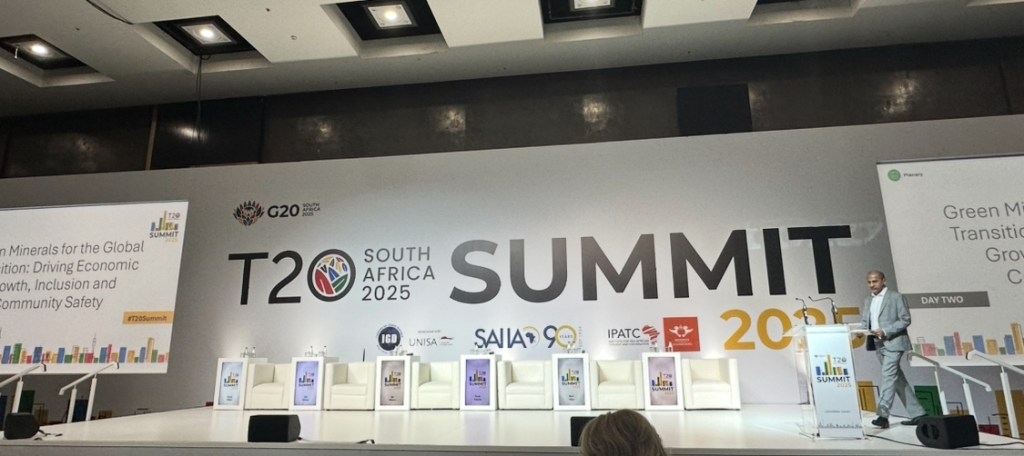
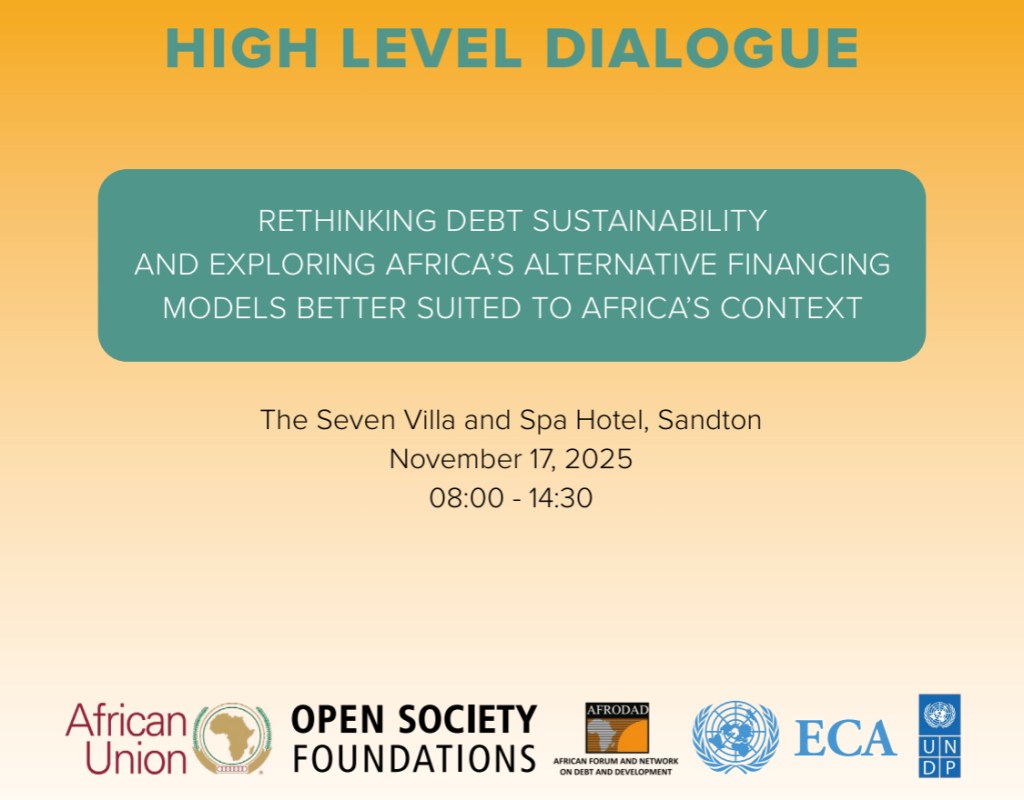
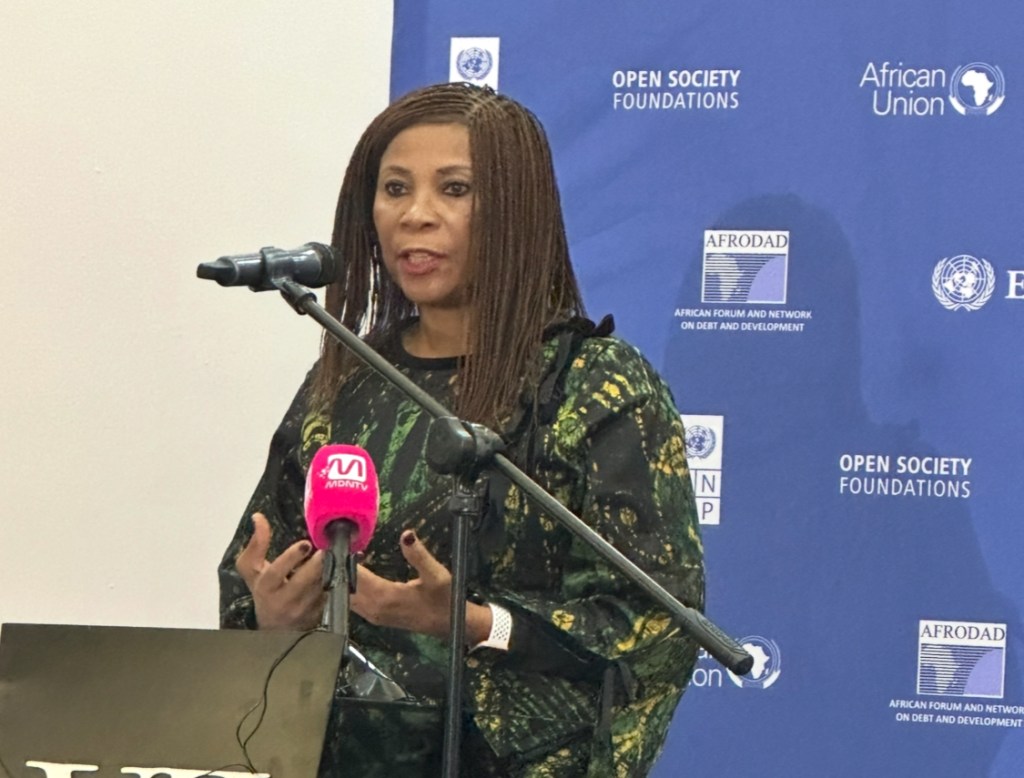
In Johannesburg, on 17 November 2025, as G20 delegates gather on African soil for a historic summit, a parallel gathering sent an even louder moral message: “Debt is Robbing Africa’s Future… The G20 Must Change the Game.”

Development experts, economists, civil society actors and multilateral partners came together around a simple but radical premise: Africa is not merely a continent in debt. It is a net creditor to the world, in climate, in stolen wealth, in undervalued labor and resources, and it is time the global financial system reflected that reality.

The high-level policy dialogue was co-hosted by the African Union Commission, UNDP, UNECA, AFRODAD and the Open Society Foundations, under the theme: “Rethinking Debt Sustainability and Exploring Alternative Financing Models Better Suited to Africa’s Context.”

The message was clear: the current system is morally indefensible, economically unsustainable and politically dangerous. The discussion did not stop at lament; it set out what must change, on the continent and in global forums, if Africa is to move from perpetual crisis management to structural transformation.

What follows are the core takeaways from that conversation.

Africa Spends More on Debt than on Hospitals and Classrooms

The headline numbers are alarming:

African external debt climbed from just over US$500 billion in 2020 to more than US$1 trillion by 2024. In 2024 alone, African countries spent about US$163 billion on debt service according to the AfDB. More than 25 African countries are already in debt distress or at high risk of it. African countries often borrow at interest rates around four times higher than those paid by advanced economies, despite sometimes similar or better fundamentals.

Behind these numbers lies a harsh reality: in many African countries, more money now goes to creditors than to health and education combined. Over half of the continent’s population lives in countries where teachers, nurses and social services are effectively competing with bondholders and banks – and too often losing.

At the same time, Africa is losing tens of billions every year through illicit financial flows and unfair trade, while carrying the costs of a climate crisis it did not cause. Taken together, the continent is effectively a net creditor to the world, in climate, in resources, and in stolen wealth, yet it is still treated as a perpetual debtor in the global financial system.

Structural Traps: Food, Fuel and the Manufacturing Deficit

Why does African debt keep returning in waves? Because three deep structural deficits keep feeding the debt trap:

  1. Food deficit: Africa now imports the bulk of its food, despite vast arable land and strong farming traditions. Colonial and post-colonial policies turned many African countries into exporters of cash crops, while basic staples are imported from elsewhere. Every ton of food produced domestically is future debt avoided, yet the continent remains over-exposed to volatile global food prices and exchange rates.
  2. Energy deficit: Even major oil producers export crude and import refined fuels at higher prices. In the green economy, the pattern risks being repeated: Africa exports critical minerals but struggles to mobilise finance and technology to build its own renewable energy infrastructure. Every kilowatt-hour generated domestically is imported fuel, and future borrowing, saved.
  3. Manufacturing and value-added deficit: African economies export low-value raw materials and import high-value finished products and sophisticated inputs. Local manufacturing depends heavily on imported machinery, technology and intermediates. This structure locks in trade deficits, weakens currencies, and fuels the need for constant external borrowing to plug balance-of-payments gaps.

The result is a vicious cycle: currency pressures and imported inflation push governments to subsidize food and fuel in the short term, while borrowing more hard currency in the medium term, which in turn deepens the next debt crisis. Debt is not just a number; it is the price Africa pays for a global economic model that keeps it at the bottom of the value chain.

There is no sustainable solution to Africa’s debt problem without structural transformation – in food systems, energy systems and industrial policy. Debt must be linked to a long-term plan to escape the role of raw-material supplier and become a driver of value-added production.
We Have Written It Down. Will Anyone Listen?
Africa is no longer speaking with a fragmented voice. In 2025, African finance ministers endorsed a Common African Position on Debt, anchored in an earlier AU decision in Lomé on debt. That position calls for fairer, faster, more transparent restructuring and a broader definition of sustainability that reflects climate, development and social needs, not only creditor comfort.

Africa arrives at the G20 with clear, unified asks:

1/ Reform of the G20 Common Framework

Faster, time-bound and transparent processes.

Automatic standstills on debt service during negotiations.

Fair burden-sharing among all creditors, including private bondholders.

Inclusion of debt-distressed middle-income African countries, not only low-income ones.

2/ Fairer global liquidity and borrowing costs

Reformed SDR allocations and quota formulas that recognise Africa’s real weight and needs.

Support for an African Credit Rating Agency to counter biased assessments and punitive risk premia.

3/ A new understanding of debt sustainability

Debt assessments that integrate development and climate needs, not just narrow debt ratios.

Recognition of Africa’s status as a net creditor in ecological and historical terms.

A shift from short-term crisis management towards long-term investment in structural transformation.

4/ Domestic responsibility with international fairness

Stronger domestic resource mobilisation, better governance and transparency.

Determined efforts to curb illicit financial flows.

A clear focus on using borrowed resources for productive, inclusive and climate-resilient investments.

Fixing the Architecture: From the IMF to the United Nations

The discussion moved from diagnosis to concrete reforms of the global debt architecture.

Many participants stressed that the current system, dominated by the IMF, the Paris Club and the G20 Common Framework, suffers from deep conflicts of interest. Institutions that lend, advise and judge at the same time cannot credibly act as neutral arbiters in sovereign debt workouts.

Key proposals included:

  • A UN-led framework for sovereign debt resolution, built on principles of fairness, inclusiveness and transparency, where all countries have a voice and no single creditor bloc dominates.
  • An African High-Level Panel on Debt, building on the legacy of the High-Level Panel on Illicit Financial Flows, to monitor implementation of AU decisions, coordinate African positions and maintain pressure for global reform.
  • A re-imagined role for Special Drawing Rights (SDRs), with reformed quota formulas that better reflect the real size of African economies and their populations, and with SDRs channelled through African institutions such as the African Development Bank to support long-term investment rather than short-term firefighting.
  • Creation of a Pan-African Commodity Stabilisation Fund. Many African economies are highly dependent on a small number of commodities. A continental stabilisation facility could pool risks across multiple countries and commodities, and provide automatic, rules-based support when prices drop below agreed thresholds. This would help countries avoid the sharp external shocks that drive them into crisis and default. Such a mechanism would complement other AU-driven initiatives, including proposals for an African financial stability mechanism and a debt monitoring framework.

Conclusion: From Robbed Futures to a Different Destiny

If debt is robbing Africa’s future, it is also stealing something less visible but equally vital: possibility. Every dollar wired to a creditor instead of a clinic is a child not vaccinated, a girl sent home from school, a community left in the dark. Every budget cut to social protection is a silent decision about whose life is expendable.

Africa is the youngest continent on earth, with the creativity, talent and energy to power a different global future. Yet its children are growing up under the shadow of debts they did not incur, to pay for a crisis they did not cause, through a system they did not design. That is not just inefficient. It is unjust.

The G20 summit in Johannesburg is more than a diplomatic milestone. It is a moral test. Will the world’s most powerful economies continue to treat Africa as a risk to be contained and a resource to be extracted? Or will they finally recognise it as a partner whose prosperity is essential to shared global stability?

Africa has done its part: it has analysed the problem, articulated common positions, and put concrete solutions on the table. The blueprint for change exists. What is missing is the political will to act on it.

Debt should not be a life sentence. With courage from African leaders, honesty from creditors, and solidarity from citizens across the globe, it can become a bridge, from vulnerability to resilience, from extraction to transformation.

We have written it down. We have said it, clearly and collectively: Debt is robbing Africa’s future. The G20 must change the game. The only open question now is whether those with power will choose to listen, and to act, before another generation is forced to pay the price.

If you’d like to receive my articles automatically as soon as they’re published, simply follow this blog using the “Follow” button at the bottom left of this page or send me an email at: Desire.Assogbavi@Assodesire.com

Africa’s Critical Minerals: The G20 Must Choose Partnership Over Extraction

Across Africa’s vast land and ocean floors lie the minerals that will power the world’s green transition, digital revolution, and technological future. These minerals are not the margins of tomorrow’s economy, they are its spine. They determine who builds the cars, manufactures mobile phones, stores the energy, runs the servers, and controls the military and space technologies of the next century.

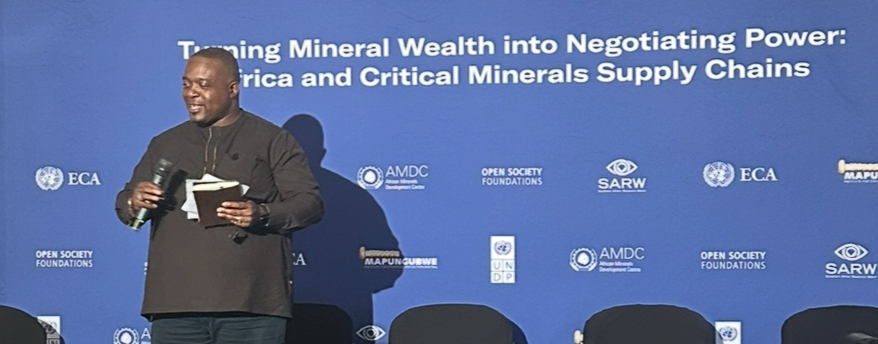
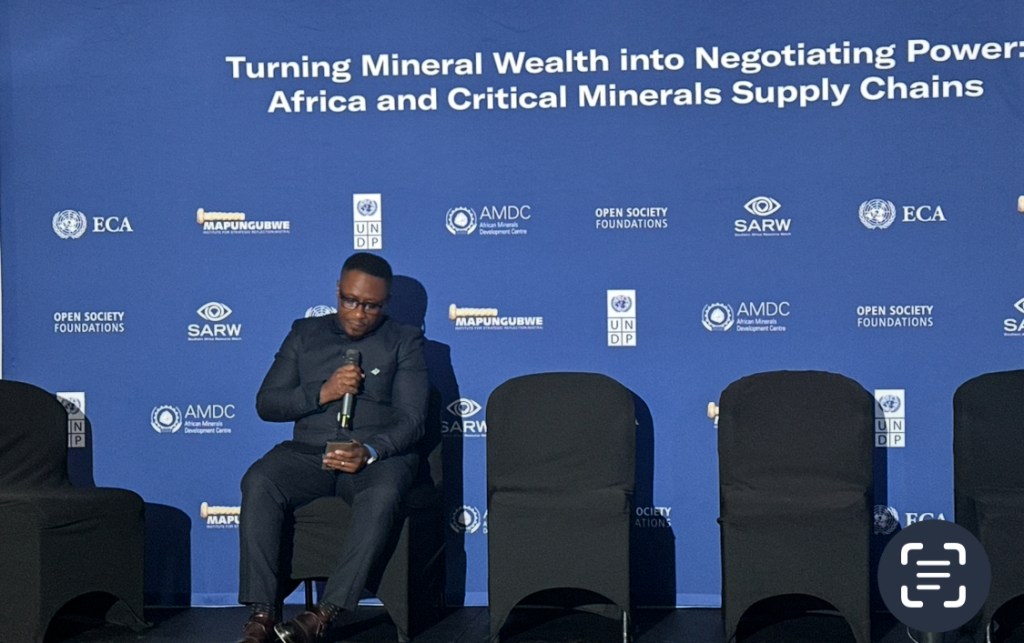
The Open Society Foundations and partners’ policy discussion today, in the margins of the G20 Summit in Johannesburg generated a solid roadmap! Here are my 7 takeaways:

Africa holds the ingredients of global power at a scale the world cannot ignore. Yet the question confronting the continent is not whether the world needs Africa. It is whether Africa is ready to lead, not follow; to bargain, not beg; to industrialize, not export raw; to become a rule-maker, not just a rule-taker.

As geopolitical tensions intensify, the United States, the European Union, China, and emerging powers are racing to secure long-term access to African minerals, using industrial policies, bilateral deals, and global pressure to reshape supply chains. Africa has become the epicenter of a new global scramble, one fought not with armies, but with subsidies, regulations, Environmental Social Governance standards (ESG), and strategic diplomacy.

This is Africa’s critical minerals moment, not just to be part of the global green transition, but to shape its terms, its industries, and its benefits. What Africa chooses to do now will decide if it becomes a leader in the new green economy, or remains just a place where others come to dig up raw materials.

1. A New Global Scramble, But This Time Africa Must Set the Terms

At the first G20 Summit ever held on to African soil, the continent finds itself at the center of the most consequential geopolitical realignment since the industrial revolution. The race for critical minerals, cobalt, lithium, nickel, graphite, rare earths, has triggered a new scramble, but this time powered by the urgency of the green transition and the anxieties of national security.

The old world is maneuvering aggressively.

  • The United States has unleashed the Inflation Reduction Act, industrial policy whose benefits flow mostly inward.
  • The European Union, facing Chinese dominance in battery and EV manufacturing, has erected its Critical Raw Materials Act; a shield for European industries.
  • China, already controlling 60% of refining and 80% of global battery manufacturing, continues to consolidate its strategic lead.

Meanwhile, Africa, home to 30% of global critical mineral reserves and 70% of the world’s cobalt, remains a marginal actor in the value chain, capturing less than 5% of the wealth generated by the minerals it exports.

2. The G20 in Johannesburg: A Mirror and a Moment

Africa must convert its mineral wealth into negotiating power, or others will convert it for us.

This moment is not just about minerals.
It is about power.
It is about narrative.
It is about agency.
It is about Africa refusing to be the “supplier of last resort” for a green economy built elsewhere.

3. Fragmented Countries Cannot Negotiate with United Continents

A recurring warning emerged from the panels: global powers have learned a tactical truth. It is easier to negotiate with Africa one country at a time, not as a continent.

This is how the “green colonialism” of the 21st century is unfolding: Isolate a government, offer a bilateral MoU, promise investments, small, quick, politically appealing, capture long-term mineral supply, secure value-addition on foreign soil.

This is why Europe’s Global Gateway, and the U.S. Mineral Security Partnership look generous on paper but are deeply strategic in practice. They secure raw materials, not African industrialization.

As one expert warned: “If you isolate Ghana, you get a lithium deal. If you isolate Zimbabwe, you get a cobalt deal. But if Africa stands together, the world must negotiate differently.”

Africa needs bargaining power, bargaining power requires unity, Unity requires political leadership.

4. Industrialization is Not a Smelter. It Is an entire Ecosystem.

One myth must die for Africa to rise: the myth that industrialization is about building a smelter and calling it transformation.

A smelter does not create an economy. It is energy-intensive, capital-heavy, low-employment, and often detached from local needs.

“Africa’s opportunity is not just in the rock. It is in the engineering, logistics, innovation, manufacturing and services around it.”

This is how future could look like:

  • battery precursors in Zambia-DRC,
  • graphite processing in Mozambique,
  • green steel in South Africa,
  • cathode manufacturing in Namibia,
  • electric motorcycle plants in Kenya,
  • solar panel assembly hubs in North Africa
  • and more…

Africa can no longer be told it “lacks markets.” Markets are built, not waited for.
China built its market. Europe built its market. Africa must now build its own.

5. Political Courage: The Missing Ingredient

Many African countries remain trapped by predictable political constraints:, negotiating contracts in secrecy, prioritizing royalties instead of jobs, allowing foreign companies to dictate standards, failing to invest in geological mapping, underfunding universities and technical faculties, ignoring artisanal miners, women, and local communities, and, treating industrial policy as an afterthought rather than a national mission

6. Communities Must Not Become Casualties of the Green Transition

The extractives history of Africa is written in: displaced communities,polluted rivers, gender based violence, corporate impunity, destroyed ecosystems, and broken promises.

The green transition risks repeating all of this, only faster. Communities must be co-owners of the future, not victims of it. This means:

  • Free, Prior and Informed Consent (FPIC) must be real, not cosmetic.
  • Women must benefit from mining, not be excluded from it.
  • Royalties must serve communities, not elites; 1% is unacceptable.
  • Environmental assessments must be public, enforceable, and community-driven.
  • Artisanal miners must be supported, not criminalized.

Africa cannot trade justice for development. There is no trade-off. Justice is development.

Our Foundations’ Resource Futures Programme (Opportunity) is clear about rights, transparency, communities, gender equity, and accountability. These are not peripheral; they are central to the industrial future Africa must build.

7. A Roadmap for African Power in the New Mineral Order

Here are what G20 leaders, especially South Africa and the African Union must champion:

An African Critical Minerals Alliance: A continent-wide coalition modeled on the “Lithium Triangle” of Latin America, focused on common standards, coordinated pricing, uniform beneficiation targets, and joint negotiation platforms.

A Pan-African Critical Minerals Fund: Capitalized by AfDB, Afreximbank, African sovereign funds, and diaspora financing to invest in geological mapping, refineries, industrial parks, battery corridors, and African-owned manufacturing ventures.

Continental Standards for Transparency and FPIC: No more secret deals. No more exploitation of communities. No more extractive colonialism wearing green clothing.

Regional Industrial Corridors: Scale is Africa’s currency. No single country can industrialize alone. DRC-Zambia Battery Corridor, Lobito Corridor, and new SADC/EAC/ECOWAS industrial zones must become the backbone of African manufacturing.

A Continental Electrification and Green Mobility Plan: Africa’s minerals must power African energy systems. No industrialization is possible without affordable, reliable energy.

Technology Transfer as a Non-Negotiable: Partnerships that do not share technology are not partnerships. They are extraction agreements.

The world cannot achieve a green transition without Africa, but Africa can fail to benefit from that transition if it hesitates, fragments, or negotiates poorly.

The world needs Africa. Africa must now decide what it needs from the world.

An Influencing Space!

A telling moment at our side event showed just how far our influence is beginning to reach. When a member state steps into a space we created, it is more than participation; it is recognition of our growing authority. This was clear when the representative of the Democratic Republic of Congo, a country central to the world’s cobalt supply, not only attended our critical minerals session but insisted on taking the floor. His intervention underscored a simple truth: the conversations we are driving are now shaping national positions, not just reflecting them.

If you’d like to receive my articles automatically as soon as they’re published, simply follow this blog using the “Follow” button at the bottom left of this page or send me an email at: Desire.Assogbavi@Assodesire.com

G20 Summit: When the World Comes to Africa

In a world divided by wars, inequality, and distrust, it is easy to forget that cooperation is still possible, and necessary. Yet in a few days, the world’s 20 largest economies will gather for the first time on African soil, when South Africa hosts the G20 Leaders’ Summit in Johannesburg.

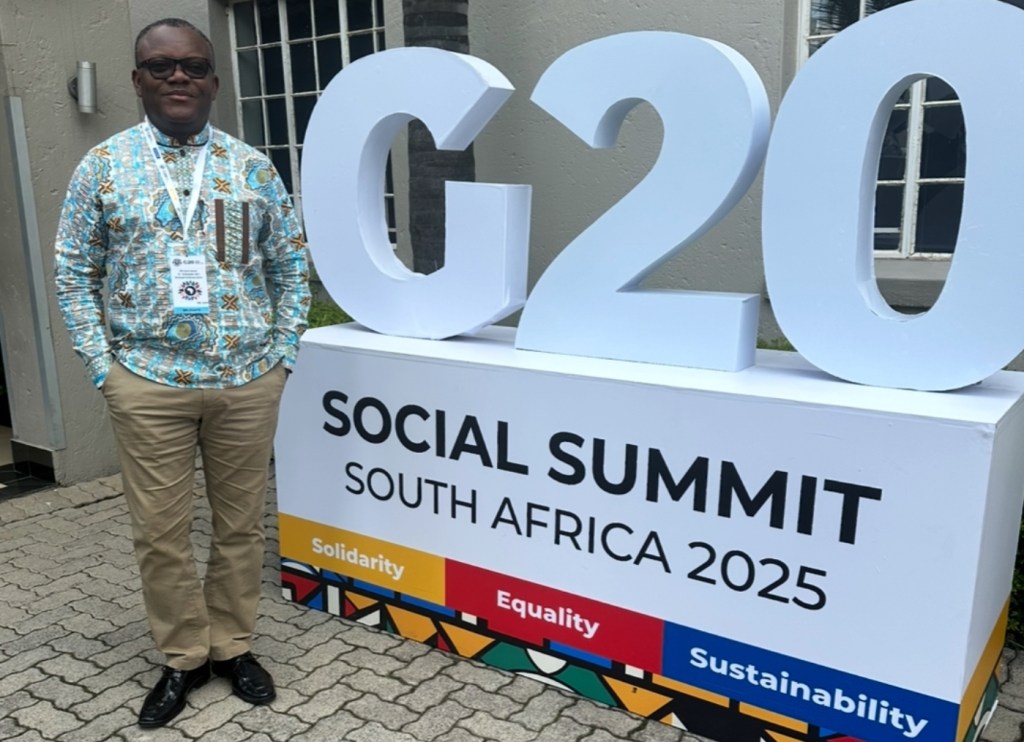
As I prepare to join the Open Society Foundations’ Team to participate in the various policy influencing gatherings around this historical moment in our continent, I would like to share this article in 7 quick points on the fundamentals of G20, why does it matter and what is at stake at this particular meeting.

You can also read my article “The African Union at the G20, Now What?” published in 2023 when the continental body became a full member of the Group.

1. What Exactly Is the G20 and Why Does It Matter?

The Group of Twenty (G20) is not a formal organization with a treaty or a secretariat. It is a forum of major economies ; 19 countries plus the European Union, and, since 2023, the African Union as a permanent member. Together, these members account for around 85% of global GDP, 75% of trade, and two-thirds of the world’s population.

Created in the aftermath of the 1997 Asian financial crisis and elevated to leaders’ level during the 2008 global recession, the G20 was designed to prevent economic shocks and coordinate policies on trade, finance, and growth. But in recent years, its agenda has expanded to include climate change, digital transformation, health, debt, and inequality; the most crucial issues of our time.

The G20 has no binding power. Its strength lies in influence and direction-setting. When its leaders agree on principles, those tend to shape the policies of the World Bank, IMF, WTO, OECD, and multilateral development banks.

2. How Does the G20 Work?

The G20 runs on a rotating presidency system. Each host sets the annual theme, convenes meetings, and steers negotiations toward a Leaders’ Declaration at year’s end.

There are two main tracks:

  • The Finance Track, led by finance ministers and central bank governors, covers debt, taxation, global financial stability, and reform of multilateral banks.
  • The Sherpa Track, led by appointed national representatives shapes the political and developmental agenda: climate, trade, gender, health, digital, and more.

Around these formal meetings orbit the engagement groups: the B20 (business), T20 (think tanks), C20 (civil society), Y20 (youth), L20 (labour), and W20 (women). These forums allow business leaders, academics, activists, and youth voices to influence the official agenda.

3. The G20 Troika: Steering the Ship

At the helm of this sprawling system sits what’s known as the G20 Troika, a three-member steering mechanism composed of the past, current, and incoming presidencies. For 2025, that means Brazil, South Africa, and the United States.

The Troika ensures continuity and coherence, preventing the G20 from turning into a series of disconnected host-year projects. Under this configuration, Brazil’s developmental priorities, South Africa’s equality agenda, and America’s upcoming geopolitical stance are meant to align, though that is easier said than done.

This particular Troika is geopolitically fascinating: it brings together three continents and three contrasting worldviews, Latin America’s focus on social justice, Africa’s call for fairness, and America’s realist power politics. How they navigate their differences will determine whether the G20 remains a platform for cooperation or becomes another theatre of global rivalry.

4. What’s at Stake in South Africa’s 2025 G20

South Africa has chosen the theme “Solidarity, Equality, Sustainability.” It speaks directly to the heart of global tensions: how to make globalization fairer, how to finance development and climate justice, and how to ensure the voices of emerging economies are heard.

a) Reforming Global Finance

Pretoria wants to push for a new deal on development finance, faster and fairer debt treatment for developing countries, reforms to make multilateral development banks “better, bigger, and bolder,” and a recognition that economic stability cannot exist without climate resilience.

African and other Global South nations face unsustainable debt servicing costs. South Africa’s message is clear: the financial architecture built in the 20th century no longer serves the 21st.

b) Tackling Inequality

In August 2025, President Cyril Ramaphosa launched a G20 Taskforce on Global Inequality, chaired by Nobel laureate Joseph Stiglitz, to propose ways to close the wealth gap within and between nations. This is an important issue not just for Africa but globally,  a moral and economic imperative to ensure growth benefits all.

c) Africa’s Voice, Finally Heard

With the African Union now a full G20 member, the continent can finally speak for itself rather than being spoken for. Expect key side sessions on the African Continental Free Trade Area (AfCFTA), industrialization, critical minerals, climate adaptation, and food security, all framed within Agenda 2063, our continental business plan.

South Africa’s challenge will be to turn symbolism into influence: translating Africa’s presence into concrete outcomes on finance, trade, and representation.

5. The Side Conversations That Matter

Beyond the leaders’ sessions, Johannesburg will host a series of side summits and engagement meetings:

  • The B20 in Sandton will debate how to scale private investment into Africa’s green and digital economy.
  • The T20 and C20 will focus on knowledge and civic advocacy; from climate justice to digital governance.
  • A Social Summit is planned to bridge policy with lived realities, giving voice to labor unions, civil society, and youth groups.
  • And many more…

If managed well, these parallel tracks could make the 2025 summit the most inclusive G20 in history.

6. Geopolitics on the Horizon: The U.S. Presidency Awaits

As the summit closes, South Africa will hand the presidency baton to the United States, ushering in the 2026 cycle under President Donald Trump.

This transition is likely to reshape the tone and priorities of the G20. From his previous to his current term, Trump often dismissed multilateralism as “globalist bureaucracy,” withdrew the U.S. from major climate commitments, and clashed with African nations, including South Africa over trade, immigration, and political values.

If history is any guide, Washington’s return to the chair may turn the G20 toward hard transactionalism rather than solidarity. However, global realities have changed: the war in Ukraine, the emergence of several other economic powers, and the growing assertiveness of the Global South mean that no single power, not even the U.S. can dictate the agenda alone.

The South African presidency, in that sense, may become the bridge year that sets boundaries: asserting that Africa’s concerns including debt relief, equitable energy transition, and representation, are now central, not peripheral, to global decision-making.

7. The Difficult Conversations

Even as Johannesburg prepares to welcome the world, divisions remain:

  • Debt restructuring remains painfully slow under the G20’s Common Framework.
  • Climate commitments are uneven, with disagreements on phasing out fossil fuels.
  • Wars in Europe and the Middle East risk hijacking the declaration text.
  • Reform of international institutions, including the IMF and World Bank, remains politically charged.

South Africa’s diplomacy will be tested, balancing moral clarity with pragmatic coalition-building.

This G20 is historic not only because it is being held in Africa, but because it may redefine what leadership looks like in a fractured world.

For Africa, it is an assertion of agency. For South Africa, it is a chance to prove that dialogue across divides is still possible. For the G20, it is a reminder that solidarity and sustainability are not slogans, but survival strategies.

If Johannesburg 2025 can deliver even a modest consensus on fairer finance, inclusion, and global cooperation, it will mark the beginning of a new era; one where the Global South is not at the margins, but at the centre of shaping the future of global governance.

If you’d like to receive my articles automatically as soon as they’re published, simply follow this blog using the “Follow” button at the bottom left of this page or send me an email at: Desire.Assogbavi@Assodesire.com

Tanzania: The Ballot Box Becomes a Battlefield

When elections cease to be a moment of choice and become an instrument of control, democracy turns into theater and citizens, no longer believing in the script, start to write their own story in the streets. The unfolding crisis in Tanzania is another troubling chapter in Africa’s growing catalogue of democratic rituals without governance substance.

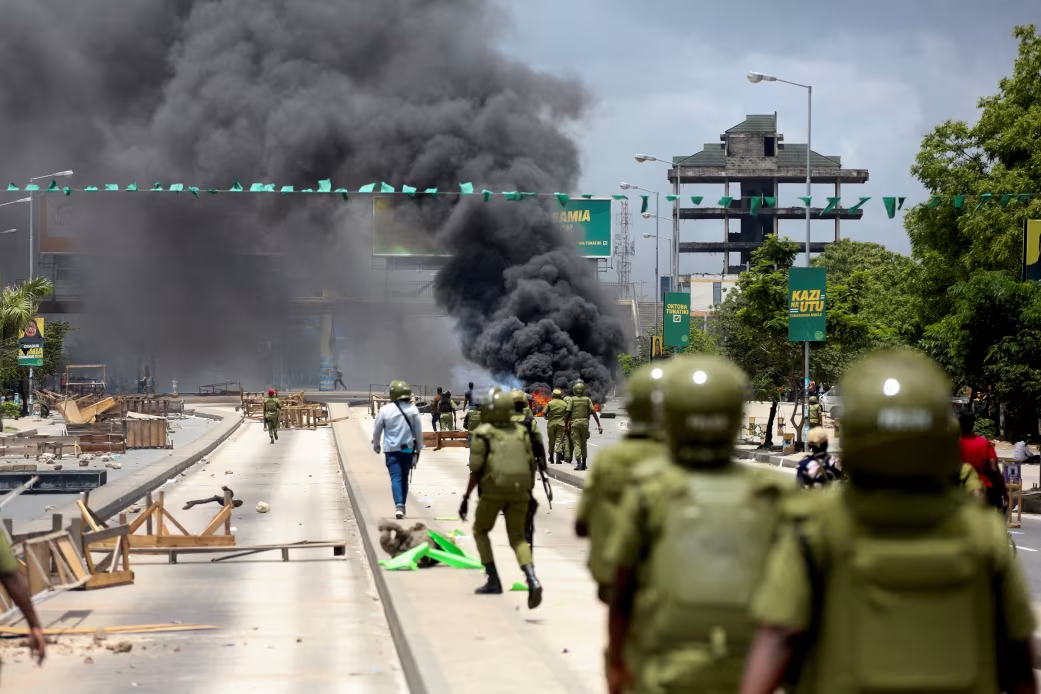
Tanzania, once hailed as a stable democracy in East Africa, is now facing its most serious political unrest in decades. The October 2025 elections, meant to reaffirm democratic legitimacy, instead exposed the fragility of the country’s institutions. Following a tightly controlled vote, President Samia Suluhu Hassan was declared the overwhelming winner, some constituencies reporting absurd margins of 100,000 votes to less than 100 for the opposition. But beyond the numbers, the scenes on the ground tell a different story: cities under curfew, internet blackouts, and live ammunition fired at unarmed civilians.

Witnesses in Dar es Salaam, Arusha, and Mbeya describe a climate of fear and chaos. Human rights organizations indicate that hundred have been killed in just a few days, as security forces cracked down on protestors contesting what they see as an empty ritual of democracy. Lawyers, journalists, and opposition figures have either been silenced or disappeared.

Democracy Without Oxygen

Like Cameroon and Côte d’Ivoire, Tanzania’s crisis is not merely electoral, it is structural. It reflects a pattern where regimes hold regular elections but hollow out the very foundations of democracy: accountability, pluralism, and citizen participation. The symptoms are familiar, youth unemployment, corruption, shrinking civic space, and the instrumentalization of state institutions for political survival. When people cannot breathe politically, repression becomes their air, and protest becomes their only language.

The government’s response, labeling demonstrators “criminals” and tightening its grip on digital communication, has only deepened the divide. Cutting the internet and silencing dissent does not restore order; it merely postpones reckoning. Tanzania’s young population, frustrated by joblessness and impunity, is no longer willing to watch in silence as its future is mortgaged to a small elite. As one activist put it, “There is no oxygen left, we can’t speak, we can’t tweet, we can’t hope.”

A Continental Warning

Tanzania’s turbulence is another call for Africa’s democratic institutions who still measure progress by the number of elections held rather than their integrity. Our continent is sliding into a dangerous normalization of managed democracy, where ballots replace bullets, but the outcomes are just as predetermined.

For us at the Open Society Foundations (OSF), guided by our unwavering commitment to promoting human rights, equity and justice across the world, this moment demands not just condemnation but deeper engagement, supporting those on the frontlines of civic courage, amplifying independent voices, and pressing for genuine institutional reforms that go beyond the façade of periodic voting. The crisis in Tanzania, like those in Cameroon and Côte d’Ivoire, reminds us of that Africa’s democratic project will not be saved by rituals, but by renewal, rooted in justice, inclusion, and accountability. When citizens risk their lives to make their voices heard, the world cannot afford to look away. What is happening in Tanzania today is not just a national crisis; it is a mirror held up to a continent standing once again at a democratic crossroads.

If you’d like to receive my articles automatically as soon as they’re published, simply follow this blog using the “Follow” button at the bottom left of this page or send me an email at: Desire.Assogbavi@Assodesire.com.

Democratic Rituals are Not Democratic Governance

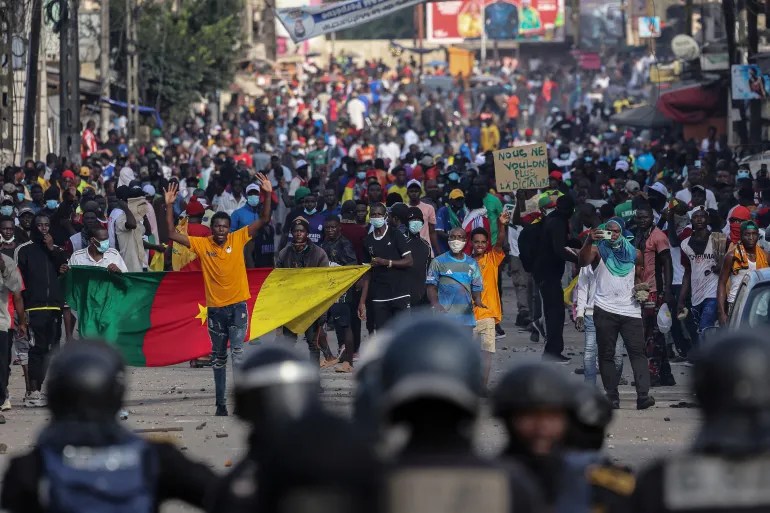
The “re-election” of the old long-standing leaders in Cameroon and Côte d’Ivoire indicate a sad reality for African democracy. At 92 years old, Paul Biya has “secured” an 8th term in office in Cameroon, extending a presidency that has spanned nearly half a century. In Côte d’Ivoire, constitutional maneuvering and the instrumentalization of judicial institutions have opened the door for Alassane Ouattara, 83-year-old, who has been in power since 2011 to seek and obtain a fourth term without real democratic competition. These two developments reflect a deeper question confronting the continent: Are we practicing democracy, or just staging it?

Africa is the youngest region in the world. Nearly 75% of its population is under 35: bold, connected, and impatient with political systems that do not evolve with them. For this generation, democracy is not just about ballots; it is about participation, accountability, and leadership that reflects their aspirations. But what is the message sent when elections lack credible competition, when power transitions are continually deferred and when institutions bend to protect incumbents rather than empower citizens? Elections become just a ritual without renewal.

Both Cameroon and Côte d’Ivoire demonstrate how institutions weaken when leaders become “indispensable”. Electoral bodies lose independence. Constitutional protections are eroded. Civic space narrows. Courts and legislatures become extensions of the executive, not checks against abuse.

This institutional decay has regional consequences. Across West and Central Africa, term-limit manipulation and democratic stagnation fuel public distrust, creating fertile ground for coups, unrest, and extremist recruiting. Without legitimacy, stability becomes fragile. What just happened in the 2 countries are warning siren for the democratic future of an entire continent.

Legitimacy matters for everything: investor confidence, regional peace, migration patterns, civic trust, youth mobilisation. When governments give the impression that the rules are written to preserve themselves, not to empower citizens, then the social contract is spoiled. Democracy is not judged by how often elections are held but by whether people believe their voices matter.

The African Union’s credibility rests on its ability to uphold the norms it has set: constitutionalism, peaceful transitions, and governments that derive authority from the people. Allowing exceptions undermines the whole project.

Yet despite these challenges, hope is alive and loud. Youth movements, the GenZ, citizen monitors, women’s coalitions, independent media, and reform champions are demanding something better: a democracy that delivers and evolves.

This moment calls for action from regional bodies, international partners, and especially civil society organizations committed to justice, and accountability.

More than ever, we must help:

  • Protect civic space and activists under pressure
  • Support electoral integrity and institutional reforms
  • Create pathways for youth participation in governance and public service
  • Strengthen regional solidarity so that democratic backsliding anywhere triggers collective response everywhere
  • Document human rights violations and support litigations

Democracy is not self-sustaining. It must be renewed with every generation. Cameroon and Côte d’Ivoire are wake-up calls to us.

If Africa’s future is to be defined by opportunity and dignity, then the answer to “Who decides?” must be clear: the people. Not the palace. Not the presidency. Not the past.

If you’d like to receive my articles automatically as soon as they’re published, simply follow this blog using the “Follow” button at the bottom left of this page or send me an email at: Desire.Assogbavi@Assodesire.com