The “re-election” of the old long-standing leaders in Cameroon and Côte d’Ivoire indicate a sad reality for African democracy. At 92 years old, Paul Biya has “secured” an 8th term in office in Cameroon, extending a presidency that has spanned nearly half a century. In Côte d’Ivoire, constitutional maneuvering and the instrumentalization of judicial institutions have opened the door for Alassane Ouattara, 83-year-old, who has been in power since 2011 to seek and obtain a fourth term without real democratic competition. These two developments reflect a deeper question confronting the continent: Are we practicing democracy, or just staging it?
Africa is the youngest region in the world. Nearly 75% of its population is under 35: bold, connected, and impatient with political systems that do not evolve with them. For this generation, democracy is not just about ballots; it is about participation, accountability, and leadership that reflects their aspirations. But what is the message sent when elections lack credible competition, when power transitions are continually deferred and when institutions bend to protect incumbents rather than empower citizens? Elections become just a ritual without renewal.
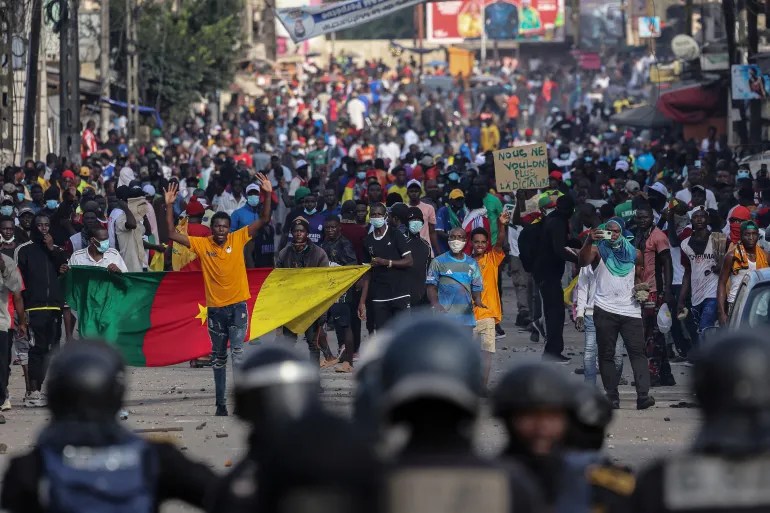
Both Cameroon and Côte d’Ivoire demonstrate how institutions weaken when leaders become “indispensable”. Electoral bodies lose independence. Constitutional protections are eroded. Civic space narrows. Courts and legislatures become extensions of the executive, not checks against abuse.
This institutional decay has regional consequences. Across West and Central Africa, term-limit manipulation and democratic stagnation fuel public distrust, creating fertile ground for coups, unrest, and extremist recruiting. Without legitimacy, stability becomes fragile. What just happened in the 2 countries are warning siren for the democratic future of an entire continent.
Legitimacy matters for everything: investor confidence, regional peace, migration patterns, civic trust, youth mobilisation. When governments give the impression that the rules are written to preserve themselves, not to empower citizens, then the social contract is spoiled. Democracy is not judged by how often elections are held but by whether people believe their voices matter.
The African Union’s credibility rests on its ability to uphold the norms it has set: constitutionalism, peaceful transitions, and governments that derive authority from the people. Allowing exceptions undermines the whole project.
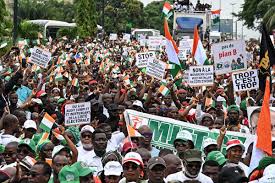
Yet despite these challenges, hope is alive and loud. Youth movements, the GenZ, citizen monitors, women’s coalitions, independent media, and reform champions are demanding something better: a democracy that delivers and evolves.
This moment calls for action from regional bodies, international partners, and especially civil society organizations committed to justice, and accountability.
More than ever, we must help:
- Protect civic space and activists under pressure
- Support electoral integrity and institutional reforms
- Create pathways for youth participation in governance and public service
- Strengthen regional solidarity so that democratic backsliding anywhere triggers collective response everywhere
- Document human rights violations and support litigations
Democracy is not self-sustaining. It must be renewed with every generation. Cameroon and Côte d’Ivoire are wake-up calls to us.
If Africa’s future is to be defined by opportunity and dignity, then the answer to “Who decides?” must be clear: the people. Not the palace. Not the presidency. Not the past.

If you’d like to receive my articles automatically as soon as they’re published, simply follow this blog using the “Follow” button at the bottom left of this page or send me an email at: Desire.Assogbavi@Assodesire.com
 Assodesire