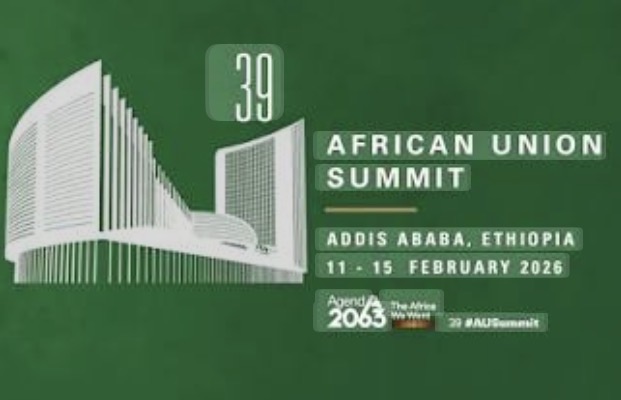
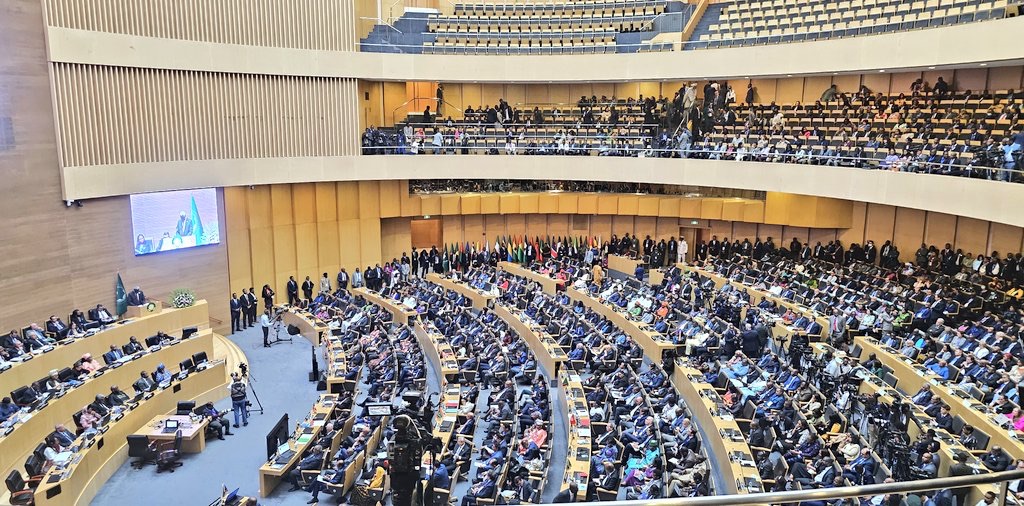
When African Heads of State and Government convene in Addis Ababa on 14-15 February 2026 for the 39th Ordinary Session of the Assembly of the African Union, they will do so at a moment of exceptional political gravity for the continent and the international system.
The Summit comes against a backdrop of intensifying global fragmentation, shrinking multilateralism, escalating conflicts, deepening debt distress, and growing climate stress. Despite the official Theme of the Year on water, peace and security is likely to sit at the center of gravity of this gathering, as escalating conflicts, regional instability, and fragile political transitions continue to dominate Africa’s political reality.
Across Africa, democratic and Human Rights regression, contested elections, repression of dissent, and prolonged states of emergency are testing the credibility of governance institutions.
At the same time, Africa’s strategic importance, driven by critical minerals, demographic weight, and geopolitical competition has never been higher, increasing both external pressure and internal fragmentation.
In this context, the 2026 Summit is not just a routine gathering. It is a test of Africa’s collective political agency, its capacity to act with unity, and the relevance of the African Union as a forum for continental leadership.
Water as Power: Climate, Development, and Political Stability
The AU Theme of the Year 2026, “Water as a Vital Resource for Life, Development and Sustainability”, reflects a deliberate political choice. Water is no longer treated as a technical or sectoral issue; it is increasingly understood as a strategic economic, social, and security asset.
Across Africa, climate change is manifesting through prolonged droughts, catastrophic floods, declining agricultural productivity, urban water stress, food price volatility, and heightened public health risks. Water scarcity and mismanagement are already contributing to local conflicts, forced displacement, and cross-border tensions, while water abundance, when poorly governed, can also fuel inequality and elite capture.
The AU Commission has framed the 2026 theme as delivery-oriented, anchored in Agenda 2063, with a focus on water security, climate adaptation, WASH and sanitation as questions of dignity, public health, and state legitimacy.
Reparations: From Moral Claim to Institutionalized Political Project
Crucially, Heads of State will consider a landmark legal and political study examining the implications of defining colonization as a crime against humanity and characterizing certain acts of slavery, deportation, and colonial violence as genocide against African peoples.
This marks a historic shift from symbolic recognition to legal framing, norm-setting, and institutional responsibility under international law.
The AU has already taken some steps to operationalize this agenda. Dedicated expert and legal reference mechanisms have been established and are now functional, coordinated by the AU Commission through system-wide structures. Partnerships with CARICOM, the United Nations, and civil society have deepened, while reparations language has, for the first time, entered formal intercontinental declarations.
By extending the reparations agenda into a 2026-2035 Decade, Africa is signaling that reparatory justice is not an episodic diplomacy, but a long-term political project linking debt justice and illicit financial flows, climate loss and damage, cultural restitution and narrative justice, reform of global governance and financial systems.
The credibility test now lies in follow-through: whether the AU can translate moral authority into coordinated diplomacy, concrete mandates, and measurable outcomes.
Africa, the G20, and the Politics of Conditional Multilateralism
Africa’s growing role in global governance will also be under close scrutiny. The Assembly will receive a formal briefing on the outcomes of South Africa’s 2025 G20 Presidency, a milestone that symbolized Africa’s leadership into the world’s most powerful economic forum, the G20.
Yet this progress now faces controversy around President Trump’s decision not to invite South Africa to the 2026 G20 Leaders’ Summit., raising concerns about selective multilateralism and political conditionality.
This episode is bigger than South Africa. It is a test of African solidarity and a warning signal: if African participation in global governance is contingent on political alignment with powerful states, then Africa’s seat at the table remains precarious.
How the AU responds, or remains silent, will shape its collective credibility, not only within the G20 but across broader multilateral reform debates.
Peace and security: the Summit’s Political Gravity Center
Peace and security will remain the Summit’s political gravity center. Ongoing conflicts in Sudan, eastern Democratic Republic of Congo, the Sahel, and Libya continue to inflict devastating civilian harm while exposing the limits of fragmented mediation, militarized responses, and externalized security solutions.
The Assembly will consider the Peace and Security Council’s annual report, and a Heads-of-State-level PSC engagement during Summit week is likely, an acknowledgment of the severity of the moment.
Here, the AU confronts a familiar but urgent dilemma: the gap between strong normative frameworks and weak, inconsistent enforcement. The real test will be whether the AU can advance and African-led political solutions rather than outsourced mediation; civilian protection and accountability over narrow stability fixes; and an inclusive peace process that center women, youth, and affected communities.
The assumption of the AU Chairmanship by the Burundian’s President for 2026 will shape the tone of this engagement, with expectations that the Chair will not only act as a bridge-builder across regional and political divides, but also defend and project Africa’s collective agency on the global stage, asserting continental positions, resisting external pressure, and ensuring that Africa engages international partners from a position of unity and strategic confidence.
Burundian President Évariste Ndayishimiye is actively preparing for his term. His mandate will likely be anchored in a strategy of diplomatic normalization, political assertion, and engagement on the continent’s major security files, with particular attention to the crises in the Great Lakes region and the Sahel. Drawing on his recent experience as Chair of the East African Community and COMESA, as well as his current role as the AU’s Special Envoy for the Sahel, President Ndayishimiye is reported to have begun structuring a dedicated team in Addis Ababa, supported by an interministerial coordination mechanism in Bujumbura.
Conclusion
The 2026 Summitis an important moment for Africa’s continental project. It will test whether the African Union can effectively respond to intersecting crises human rights, democratic backsliding, armed conflict etc with coherence, unity, and political courage.
I also hope that African leaders will seize this Summit as a rare moment for frank, strategic reflection on the geopolitical hurricane reshaping the world, and on what it demands of Africa collectively. The erosion of multilateralism, the selective application of international law, intensifying great-power competition, and a renewed scramble for African resources are not distant forces; they are already constraining Africa’s policy space and exposing divisions across the continent. This gathering offers an opportunity not only to diagnose these shifts, but to agree on shared positions, red lines, and collective strategies that strengthen African solidarity, protect sovereignty, and enhance Africa’s leverage. Without such deliberate coordination, individual states will continue to absorb global shocks alone while the continent as a whole, risk being shaped by decisions made elsewhere rather than acting as a coherent force in a turbulent world.
Overall, the Summit should not be just about decisions and declarations adopted in closed sessions. African citizens are waiting to see whether the Africa’s premier multilateral institution can convert ambition into actions, moral clarity into leverage, and principles into durable political change.
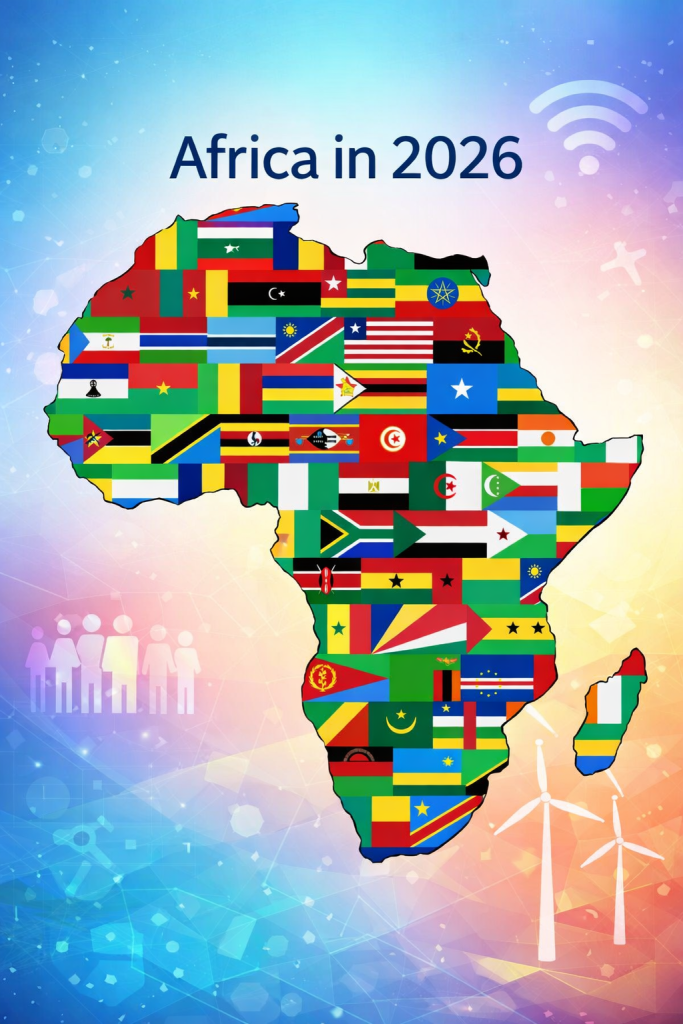
Africa enters 2026 at a moment of dangerous convergence. Democratic retreat, prolonged wars, climate shocks, and unsustainable debt are colliding with a rapidly shifting global order. Power politics rather than rules define the new international order. At the same time, Africa is becoming ever more central to the world’s future. The continent hosts around 60% of the world’s best solar resources and a commanding share of the minerals essential to the global energy transition. Yet, the paradox endures: Africa is globally indispensable but remains politically and economically underpowered.
As part of my usual annual strategic analysis and forecast for Africa, I map seven interlinked pressure points: democracy and governance, conflict and security, human rights, debt and fiscal sovereignty, geopolitics, digital transformation, and the governance of natural resources, showing how each one amplifies the others.
My central message is that Africa’s trajectory will depend less on what the world does to it than on what Africans choose to do together. I then call for bold continental discipline, stronger regional and continental institutions, and a decisive shift from rhetorical unity to enforceable solidarity.
I finished with a calendar of key moments to watch in 2026, strategic dates, and decision points where Africa’s priorities will be tested.
The year ahead will not simply be another chapter in Africa’s long struggle with underdevelopment and governance. It will be a critical year, one that determines whether Africa continues to be shaped by external interests and domestic predation, or whether it begins to assert coordinated political, economic, and moral agency.
Africa is living through a struggle between two futures: one driven by force, impunity, and hollow rhetoric of sovereignty; the other built on collective intelligence, democratic substance, and broad social coalitions led by youth, women, citizens… The outcome is not predetermined, but 2026 and the years that follow will surely narrow the range of possibilities, hence the urgency for concrete and decisive actions on the following matters.
1. Democracy under siege: elections, coups, and the collapse of legitimacy: A continent moving away from democratic norms
By the end of 2025, more than half of African countries were classified as “not free” or only “partly free” by global democracy indices. Since 2010, at least 10 successful coups have taken place in Africa, and over 20 constitutions have been amended to weaken term limits. Civic space has closed sharply, with the work of journalists, activists, and opposition leaders increasingly criminalized.
In 2026, Africa faces over 20 national elections, many in contexts already marked by repression, insecurity, or economic crisis. Rather than renewing legitimacy, several of these elections risk deepening political alienation. In Uganda (January 2026), President Yoweri Museveni, in power since 1986, is expected to extend his rule amid intimidation of opposition and militarization of politics. In Ethiopia (June 2026): Elections will take place against a backdrop of unresolved conflicts in Tigray, Amhara, Oromia, and Somali regions, with millions displaced and the electoral authority facing credibility and logistical crises.
The danger is not only flawed elections but the normalization of democratic fraud, creating fertile ground for coups, insurgencies, and social explosions.
2. Conflict: symptoms of deeper governance failure
Sudan: a catastrophic war with global enablers
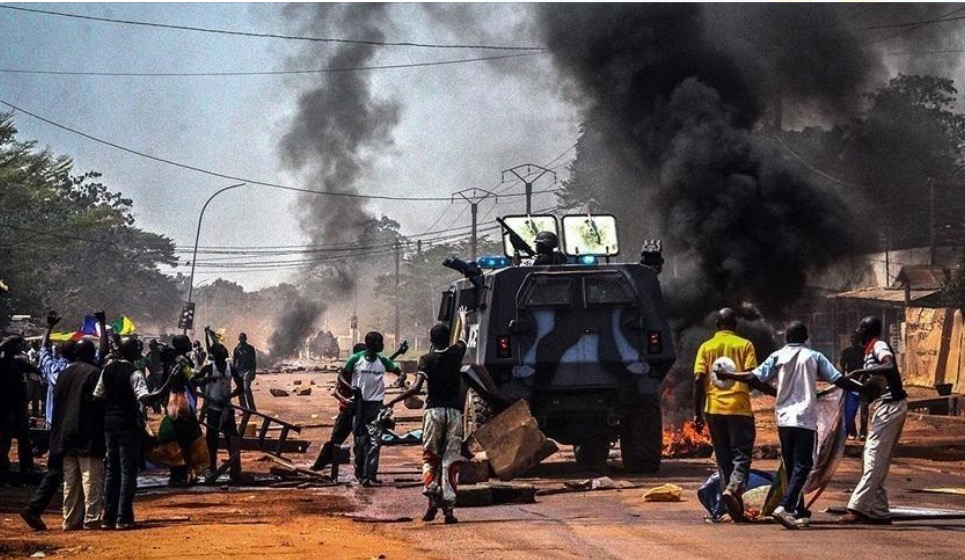
The war in Sudan, now entering its third year, represents one of the gravest humanitarian crises in the world, with 12+ million displaced, including 4 million refugees. 50% of the population is facing acute food insecurity; famine conditions exist in multiple regions. The estimated death toll exceeds 150,000. The current partition of Sudan, with the SAF based in Port Sudan and the RSF entrenched in Darfur, reflects the failure of African and international diplomacy to impose costs on war profiteers and external sponsors. In 2026, fighting is expected to intensify in Kordofan, with increased drone warfare and regional spillovers.
Eastern DRC: diplomacy without deterrence
In the Democratic Republic of the Congo, peace initiatives have failed to dismantle armed groups or address regional interference. Despite US and Qatari-backed talks and the December 2025 agreement in Washington, hostilities continue. More than 6 million people remain internally displaced in the DRC, the largest displacement crisis in Africa. As long as mineral wealth coexists with impunity, violence will remain economically rational.
The Sahel: A Security Crisis Turning Systemic.
The Sahel has become one of Africa’s most acute and rapidly deepening conflict theatres, where insurgency, state fragility, and humanitarian collapse intersect. As of late 2025, over 3.3 million people have been forced from their homeswithin the Central Sahel alone, and broader estimates place the total displaced, including refugees and internally displaced persons, at nearly 5.9 million, alongside roughly 2.2 million refugees hosted across neighboring countries. The human toll is compounded by economic collapse, food insecurity, and erosion of governance, making the Sahel both a security and humanitarian prioritythat, without decisive regional action and sustained investment in protection, risks becoming a chronic area of instability with cross-continental implications.
The key lesson on conflicts for 2026 is that Africa’s wars persist not for lack of mediation, but for lack of accountability, sanctions, and enforcement.
The future of human rights in Africa is at acute peril.
Across the continent, civic space is shrinking, journalists and human-rights defenders are criminalized, courts are captured, and emergency laws are normalized in the name of security and stability. Elections increasingly coexist with repression; conflicts persist alongside mass displacement and atrocity crimes; and digital surveillance is being weaponized to silence dissent.
This convergence risks scraping out the very idea of rights as universal, replacing it with selective protections and transactional tolerance. African states must collectively and visibly recommit to non-derogable rights by restoring judicial independence, protecting free media and digital freedoms, and ending impunity for violations through credible investigations and sanctions. Regional and continental institutions, especially the African Union and its human-rights architecture, must be empowered and resourced to enforce standards, not merely observe breaches, including by triggering consequences for constitutional manipulation and repression. Governments must also anchor security responses in human-rights law, recognizing that abuses fuel radicalization and instability rather than prevent them. Africa must place youth, women, and frontline defenders at the center of governance, not as risks to be managed but as guarantors of accountability. These steps are not optional: without a decisive course correction, the erosion of rights will undermine legitimacy, deepen conflict, and foreclose development; with it, Africa can rebuild trust, resilience, and a democratic future worthy of its people.
3. Debt, cost of capital, and the structural trap: Unfinished business
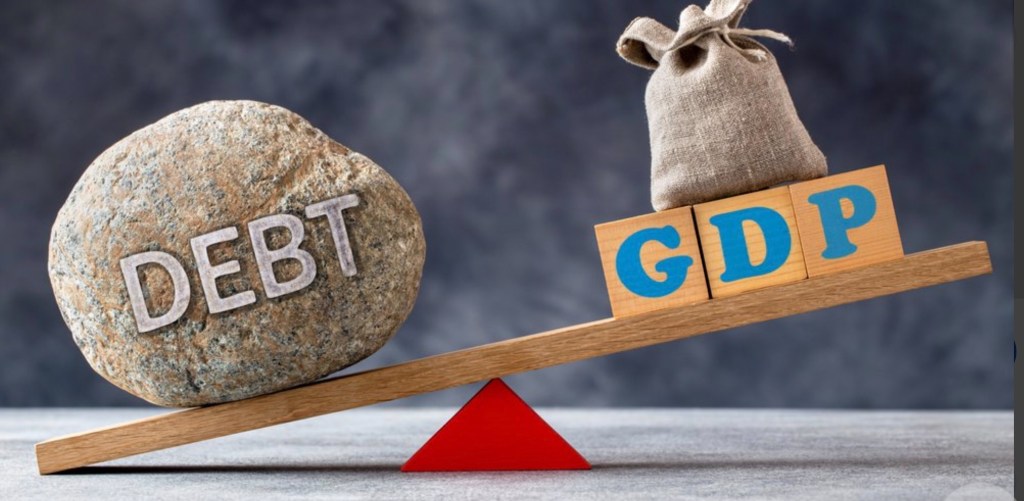
Africa’s debt crisis is often misdiagnosed. The problem is less about reckless borrowing and more about systemic financial discrimination. Average African sovereign borrowing costs are 2-4 times higher than those of advanced economies. In 2025, over 20 African countries spent more on debt servicing than on health or education. Climate-vulnerable African states pay an estimated USD 30-40 billion annually in excess interest due to risk premiums.
Without reform of credit ratings, liquidity access, and multilateral lending rules, Africa will remain locked in a cycle where growth fuels repayment, not development.
4. Geopolitics: leverage, coercion, and the test of African solidarity
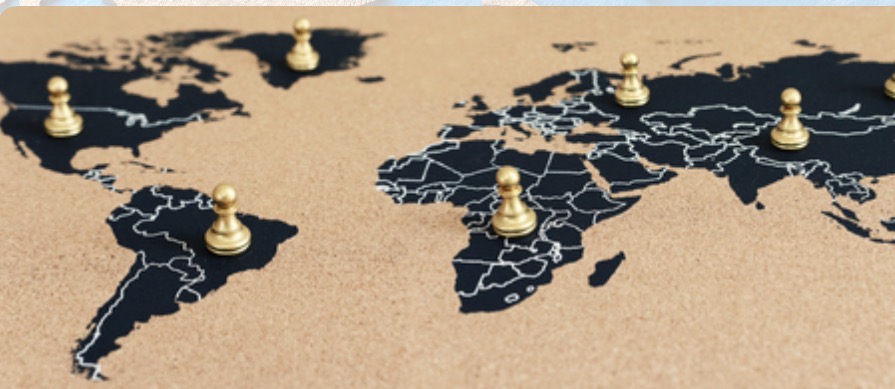
The geopolitical landscape Africa faces in 2026 is no longer defined by multilateral rules, but by transactional power politics, selective enforcement of norms, and the normalization of coercive diplomacy. The United States, China, Russia, Gulf states, and emerging middle powers are competing openly for strategic advantage over minerals, votes in multilateral fora, military access, trade routes, and ideological alignment. In this environment, Africa is simultaneously courted and pressured, its strategic value rising even as respect for its sovereignty and collective voice remains uneven.
The controversy over the US’s decision not to invite South Africa to the G20 Leaders’ Summit in 2026, citing unfounded allegations that Pretoria persecutes its white Afrikaner minority, crystallizes this reality. Such an unprecedented and politically explosive move would signal a shift from diplomatic disagreement to institutional punishment, weaponizing summit invitations as tools of geopolitical discipline. Beyond South Africa, the implications would be continental: if a G20 member from Africa can be sidelined for pursuing independent domestic and foreign policies, then African participation in global governance becomes conditional, not guaranteed. This moment, therefore, represents a stress test for African unity and multilateral credibility. The African Union, alongside like-minded G20 members from the Global South and beyond, faces a defining choice: accept the fragmentation of global governance through silence, or assert collective solidarity by making clear that the exclusion of South Africa would carry political costs. Quiet diplomacy alone will not suffice. Coordinated pressure, including the credible threat of collective absence or downgraded participation by African states and allied G20 members, may be the only language that resonates in a world increasingly governed by power rather than principle.
For Africa, the stakes go beyond one summit. If the continent fails to respond collectively, it risks entrenching a precedent where African agency is tolerated only when compliant. Conversely, a firm, united stance would signal that Africa is no longer a passive participant in global forums, but a political actor capable of defending its members and shaping the rules of engagement. In a multipolar world drifting toward coercion, solidarity is not symbolism; it is strategy.
5. Digitalization and data governance
Digital infrastructure, trusted data systems, and frontier technologies are no longer optional enablers; they are the backbone of productivity, service delivery, security, and democratic accountability in the near future.
Africa has begun to make real, measurable strides in digitalization. Still, the pace and inclusivity of that progress remain uneven and urgently need acceleration if the continent is to compete effectively in the global digital economy. Across the continent, the digital economy’s contribution to GDP has risen sharply, from an estimated 1.1% in 2012 to about 5.2% by 2025, driven by expanding internet access, vibrant tech ecosystems, and improved policy frameworks. In North Africa, countries such as Egypt boast internet penetration rates exceeding 70%, supported by robust regulatory environments and rapidly expanding mobile broadband subscriptions. Meanwhile, outside North Africa, governments like Kenya have digitized hundreds of government services, reached millions, and transformed citizen engagement, while platforms like Rwanda’s Irembo, the country’s national digital government services platform, process millions of public transactions, exemplifying how digital public infrastructure can improve governance and service delivery.
Despite this progress, pervasive challenges persist; millions of Africa’s populations remain unconnected to mobile internet, with stark divides in digital usage and skills. Sub-Saharan internet penetration remains around half the global average, and affordability and digital skills gaps continue to exclude large segments, especially women, rural residents, and youth. Furthermore, Africa currently hosts less than 1% of global data-center capacity, even as demand for data services and cloud infrastructure surges, a gap that institutions like the World Bank are beginning to address with significant investments.
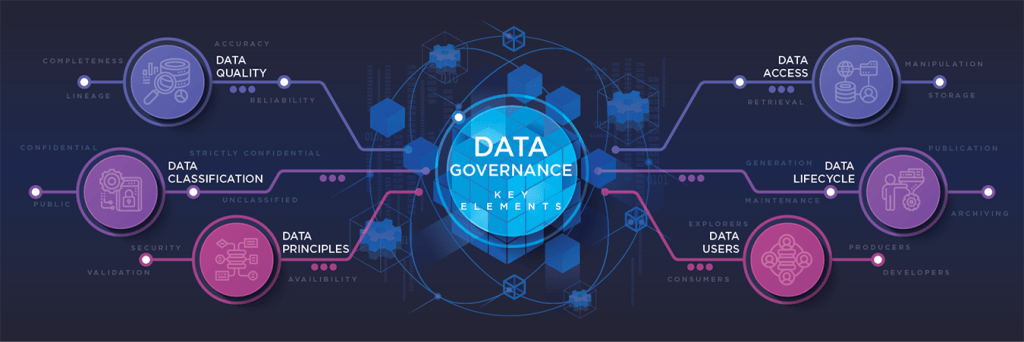
The imperative is clear: Africa must accelerate broadband expansion, close the mobile usage gap, and scale digital public infrastructure for identity, payments, health, and education while building robust data governance frameworks that protect rights and enable cross-border data flows. This requires bold continental coordination to ensure that digital transformation is inclusive, secure, and leverages the continent’s demographic dividend. Without decisive action on connectivity, data capacity, digital skills, and governance, Africa risks being relegated to the periphery of the global digital economy, even as the world increasingly runs on data, innovation, and networked services.
6. What must now be done is unambiguous and collective.
Africa must rebuild democratic substance; it must do so together, understanding that democratic backsliding in one country weakens the legitimacy and security of all. The continent must replace selective silence with active African solidarity, enforcing real political and economic consequences for coups, war crimes, constitutional manipulation, and repression, regardless of the country or the identity of those in power. This requires stronger, credible regional and continental institutions, an African Union, and regional economic communities that are empowered, adequately resourced, and willing to hold member states accountable, not merely issue communiqués.
Africa must act as one on global finance, coordinating positions on debt restructuring, correcting the structural bias that drives up the cost of capital, accelerating the creation of an African Credit Rating Agency, and negotiating as a bloc to prevent fragmentation and exploitation. Climate vulnerability must be transformed into collective leverage through unified African negotiating positions on adaptation finance, forest and nature-based revenues, and loss-and-damage mechanisms.
In 2026, Africa must act in disciplined solidarity to turn its critical minerals and natural resources into lasting power, not fleeting rents. The continent holds an extraordinary share of the inputs driving the global energy transition, cobalt, lithium, manganese, graphite, copper, platinum group metals, yet it too often captures the least value, absorbs the most environmental damage, and bears the political risk of extraction. Fragmented national deals and opaque contracts weaken Africa’s bargaining position and lock countries into dependence on raw exports. Working together through common standards, coordinated licensing and taxation, shared infrastructure corridors, and regional value chains, Africa can shift from price-taker to rule-shaper. This requires aligning mineral policy with industrial strategy, insisting on local beneficiation, technology transfer, skills development, and embedding strong environmental, social, and governance safeguards that protect communities and ecosystems.
Continental and regional institutions must enforce transparency and curb elite capture, while resource-rich and resource-poor countries alike cooperate to build integrated markets under the AfCFTA. In a world scrambling for secure supplies, Africa’s leverage will be realized not by competing against itself, but by negotiating as one, converting geological abundance into jobs, resilience, and sovereign choice for the decades ahead.
Africa must lead its own peace and security agenda with enforcement, not excuses, backing mediation with sanctions, accountability, and sustained post-conflict governance. In a world governed increasingly by force and transactional power, Africa’s future will depend on continental discipline, institutional courage, and solidarity anchored in accountability, not slogans, because without strong institutions that can hold leaders to account, African unity will remain a promise rather than a power.
If 2026 becomes the year Africa aligns its politics with its people, it could mark the beginning of a new cycle. If not, the continent risks remaining globally central yet politically marginal.
The future is still open, but it may not be for long.
7. Key Moments in 2026
African Union Ordinary Summit (39th AU Summit), Addis Ababa, Ethiopia: 14-15 February 2026:
Conference of African Ministers of Finance, Planning and Economic Development (CoM 2026): 28 March – 3 April 2026, Tangiers, Kingdom of Morocco
IMF & World Bank Spring Meetings 13-18 April 2026: Washington, D.C., United States
Africa Day: 25 May 2026: Celebrated continent-wide and across the diaspora
African Development Bank Group Annual Meetings 25-29 May 2026: Brazzaville, Republic of Congo
United Nations General Assembly (UNGA 81) 22-30 September 2026: New York City, United States
IMF & World Bank Annual Meetings: Early-Mid October 2026: Washington, D.C., United States
UN Climate Conference, COP 31: 9-20 November 2026:, Antalya, Türkiye,
G20 Leaders’ Summit (US Presidency), Late November 2026: Florida. United States
Taken together, these meetings form a continuous negotiation cycle, from African coordination (AU, UNECA, AfDB) to global power arenas (IMF/WB, UNGA, COP, BRICS, G20, FOCAC). Africa’s success in 2026 will not depend on attendance, but on discipline, unity, and institutional follow-through across this entire chain.


 Assodesire