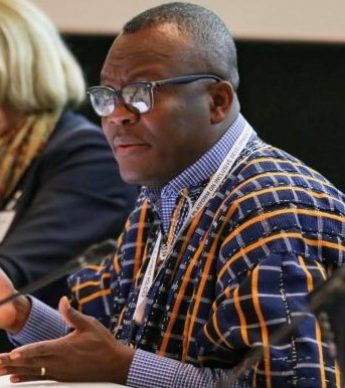
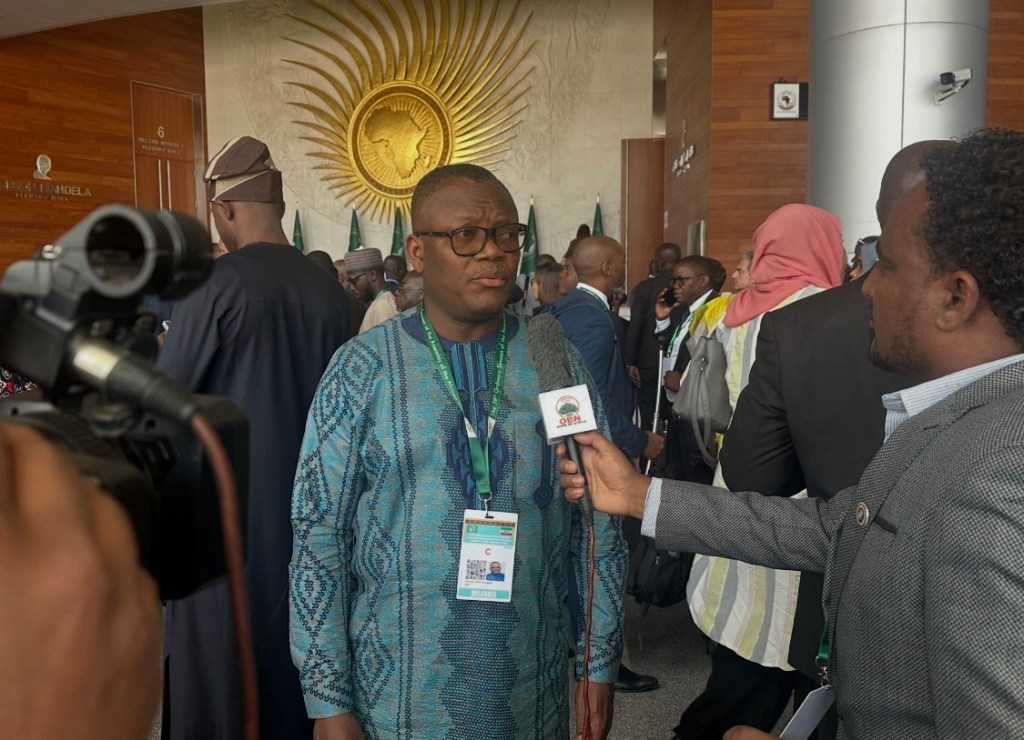
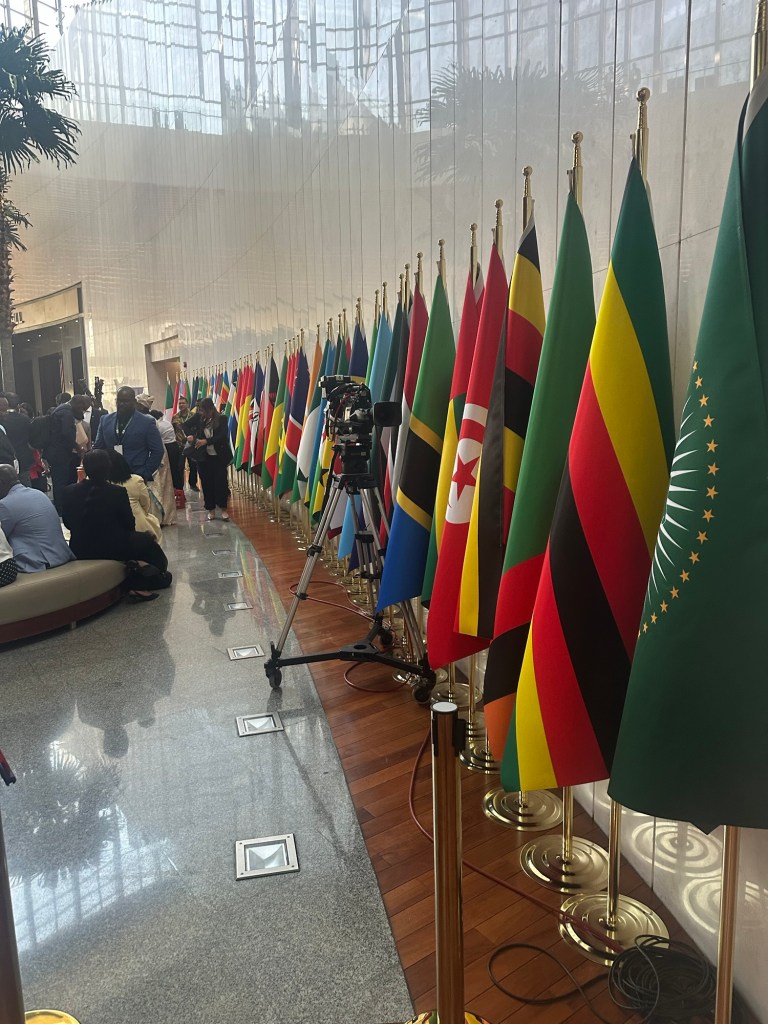
The 39th African Union Summit unfolded at a moment of uncomfortable truths for the continent. Inside the plenary hall and behind closed doors, African Leaders debated conflicts, institutional reform, financial sovereignty, critical minerals, artificial intelligence, and Africa’s place in a fractured global order. The language was ambitious. The tone was urgent.
In the corridors however, one of the most talked-about figures in Addis Ababa was not African. Giorgia Meloni, “guest of honor” arrived to co-host the second Italy-Africa Summit ahead of the AU Summit, and promote Italy’s “Mattei Plan”, framed as cooperation “between equals,” a non-predatory approach, and a strategy to tackle the root causes of migration.
Meanwhile, the continent confronts its own contradictions. Ten military coups since 2020. Suspensions followed by quiet reinstatements. Elections praised despite repression. Expressions of “deep concern” over Sudan, the Sahel, and eastern DRC, but limited enforcement muscle. Angola’s President, outgoing AU Chairperson, warned: “normalizing coup-makers who retake power through elections cannot become standard practice”. Leadership within the Union itself also shifts. The rotational Chair now passes to Burundi for 2026 under the leadership of President Évariste Ndayishimiye.
Can the AU strengthen conflict prevention while selectively enforcing its own rules?
Can it demand equal global partnership while tolerating democratic erosion at home?
Can it negotiate critical minerals, climate finance, and AI governance from a position of sovereignty while financing only a fraction of its own program budget?
In Addis Ababa, Africa was not short of ambition. The real question is whether Africa’s institutions are strong enough, and its current leadership bold and serious enough, to convert strategic importance into strategic power.
Pending the publication of the official decisions, here are my 10 takeaways from a Summit that revealed both Africa’s rising leverage and its persistent institutional fragility.
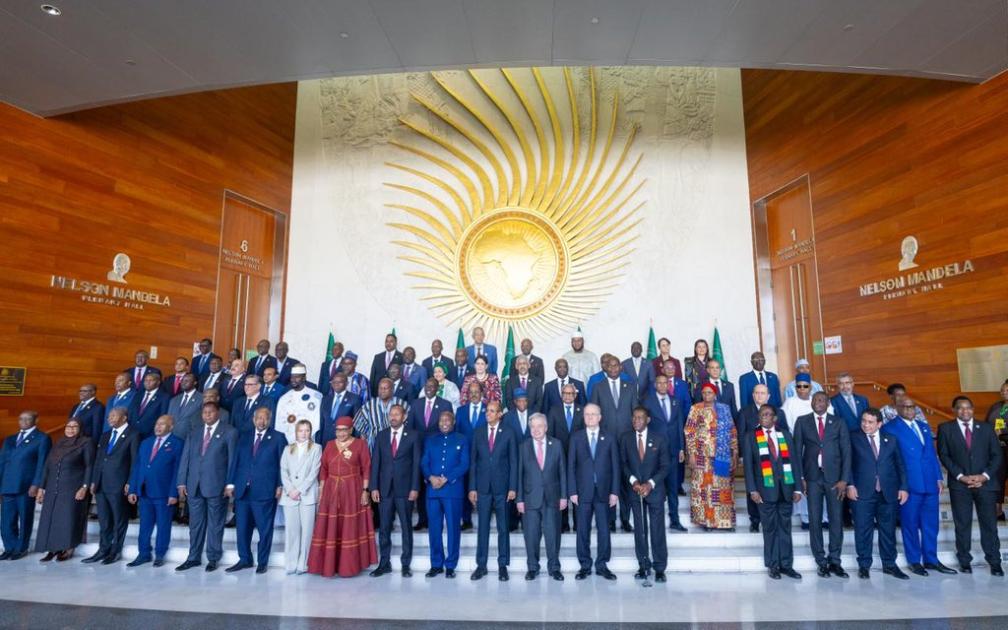
1. Conflict Prevention at the Center
The decision to convene an Extraordinary Summit on “Strengthening Mechanisms for Conflict Prevention and Resolution in Africa” in Luanda in 2026 signals recognition that Africa’s peace and security architecture needs urgent strengthening.
Importantly, the Summit emphasized that Luanda must deliver concrete, measurable, time-bound outcomes, not another declarative forum. The credibility of the AU now depends on operational follow-through.
2. Institutional Reform: From Diagnosis to Implementation
The reform agenda, championed most recently under the progress report presented by President William Ruto is entering a new phase.
The Summit mandated:
- Harmonization of the African Governance Architecture (AGA) and the African Peace and Security Architecture (APSA).
- Clearer early warning-early response mechanisms.
- Legal clarification of AU–REC relations.
- A strengthened support structure for the Panel of the Wise.
3. “Silencing the Guns” Needs Reinvention
With the flagship programme ending in 2030 while guns are shouting in our continent more than ever, the Summit acknowledged the need to review and adapt the AU Master Roadmap. This is an implicit admission: progress has been weak. A flexible, context-specific, adaptive approach will be required if the slogan is to translate into reality.
4. Financing the Union: unfinished business
The Summit reaffirmed the 0.2% import levy and long-standing commitments to finance the Union internally but here is the uncomfortable truth: Member States currently finance only 24% of the AU programme budget. The remaining is paid by partners.
The Summit discussed and considered
- Expanding the Peace Fund from USD 400 million to USD 1 billion.
- Convening an Extraordinary Session of Ministers of Foreign Affairs and Finance before November 2026.
- Continue Advocating for predictable UN financing for AU-led peace operations.
Without financial sovereignty, institutional reform will stall. This remains the most decisive implementation test.
5. Africa’s Geopolitical Reset
The Summit directed the development of a Continental African Foreign Policy Framework rooted in Pan-Africanism, solidarity, and collective security.
This is a strategic move. In a fragmented global order, Africa needs to coordinate its external posture rather than react individually.
6. The G20: A Continental Strategic Platform
The Declaration on Africa’s Engagement with the G20 was one of the most politically significant outcomes.
The AU Summit:
- Welcomed the outcomes of South Africa’s 2025 G20 Presidency under President Cyril Ramaphosa.
- Established a Continental Coordination Mechanism on G20 Follow-Through.
- Endorsed a Continental Framework on Reducing Inequality.
- Defended South Africa’s full participation in G20 processes under the US Presidency.
- Called on the United States, as incoming Presidency, to uphold inclusivity.
This was not symbolic. It was Africa collectively defending its seat at the table of global economic governance.
7. Critical Minerals Are Now Explicitly Strategic
The Summit reaffirmed that Africa’s critical minerals are strategic assets for structural transformation.
Leaders requested a Continental Critical Minerals Value Addition Framework focused on:
- Regional value chains
- Local beneficiation
- Environmental, Social, and Governance standards
- Fair benefit-sharing
This indicate a shift from extraction toward industrialization, at least at policy level.
8. Artificial Intelligence and Digital Infrastructure Are Security Issues
The AU welcomed the AI for Africa Initiative and requested development of an Africa AI and Digital Public Infrastructure Roadmap.
More strikingly, the Summit called for AI-based early warning systems to enhance risk assessment and prevention.
9. Historical Justice in Formal AU Record
The Assembly decided to qualify slavery, deportation and colonization as crimes against humanity and genocide against the peoples of Africa, committing to pursue international recognition. Ghana is planning to table a resolution at the UN General Assembly shortly.
This is politically significant. It anchors reparatory justice within AU formal doctrine and links history to contemporary global negotiations.
10. AU’s Efficiency now framed as a political necessity.
The Summit discussed:
- Limiting its agenda to three strategic issues, each of these strategic issues shall not have more than two items at each Assembly session
- Delegating all non-strategic or technical matters as well as operational responsibilities to the Executive Council, with further delegation to the Permanent Representatives’ Committee as appropriate
- Ensuring that decisions are issued and circulated to Member States within a maximum of seven (10) days following the closure of meetings
- Advancing restructuring of AU organs.
- Pushing forward operationalization of the Court of Justice.
- Accelerating work on division of labour between AU and RECs.
The Real Question Is Implementation
The 39th AU Summit did not lack ambition: Conflict prevention, financing, geopolitical positioning, industrialization, AI, global governance, historical justice, and institutional reform within one meeting.
The real test is not the adoption of the decisions/declarations. It is whether:
- Financing commitments are met,
- Peace and Security happen in the continent
- Shared values are truly shared and observed
- Reform timelines are respected,
- Early warning triggers early action,
- Continental positions are defended consistently in global spaces.
If implementation follows intent, this Summit may be remembered as an historical moment. If not, it risks joining a long list of well-drafted but weakly executed declarations.
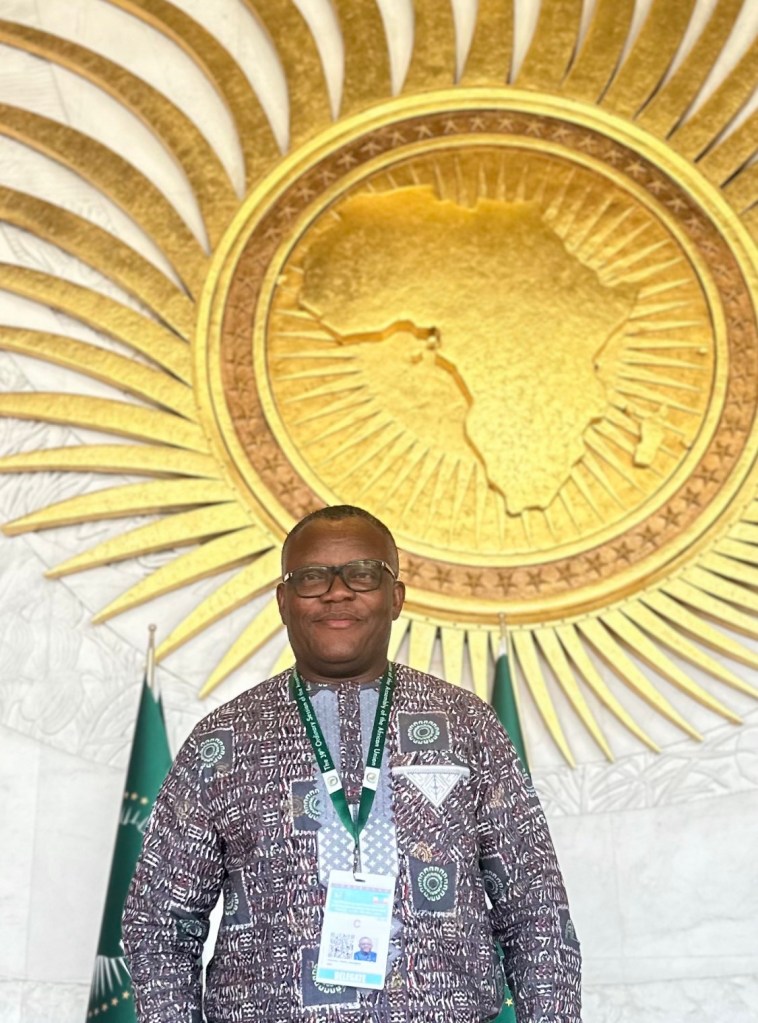
 Assodesire