From Seville to Solutions: My 10 Key Takeaways from FFD4

When I was on my way to Seville, my daughter, a medical student and curious as ever, asked me, “What exactly are you going there for?”. I paused for a moment before answering: “I’m going to a global meeting called FFD4. It stands for Financing for Development. It may not sound exciting, but it’s actually about something very real, how countries decide to raise and spend money to make life better for people. It’s about ensuring there’s funding for hospitals, health care, schools, clean water, healthy food and the fight against climate change.” I told her that decisions made there could impact whether her future patients will have access to proper healthcare, or not. Because at the end of the day, FFD is about making global finance work for everyone, not just the privileged few.

I am not sure I will be able to fully simplify the outcomes of FFD4 but here are my 10 takeaways:

Despite challenges, including severely restricted space limiting the full participation of non-state actors, the conference marked a significant moment in development finance within a geopolitically shifting world.

1. Unity & Urgency Amid Global Tensions

FFD4 demonstrated a certain unity and urgency despite escalating global tensions, soaring debt burdens, and declining official development assistance (ODA). The resulting Compromiso de Sevilla (Seville Commitments), adopted on day-one of the conference reflects global consensus, though it could have been more robust and concrete.

2. Bridging the $4 Trillion SDG Financing Gap

To address the $4 trillion annual financing gap needed for the Sustainable Development Goals (SDGs), the Compromiso de Sevilla outlined three critical areas:

  • Catalyzing investment at scale: Mobilize and direct domestic, international, and private sector capital toward key sustainable development objectives
  • Tackling debt crises innovatively: Introduce innovative strategies for debt management, restructuring, and utilization to ensure debts contribute positively to developmental outcomes
  • Reforming international financial architecture for fairer governance: Promote greater inclusivity by amplifying the voices of developing countries within global financial governance systems

3. Over 130 Initiatives Launched

Under the Sevilla Platform for Action, more than 130 initiatives were launched, demonstrating a clear shift from commitments to concrete, actionable projects.

International Business Forum: Mobilizing Private Capital for Sustainable Development

Held in parallel with the main Conference, the International Business Forum brought together global business leaders who issued a powerful call to action to unlock private capital for sustainable development. Through a joint Communiqué released alongside the Sevilla Commitment, they outlined five priority areas for impact investment.

For the first time, major business groups and investor alliances coordinated their efforts through the newly formed FFD4 Business Steering Committee, signaling a clear and unified commitment from the private sector.

4. Innovative Debt Solutions

Several innovative debt-management initiatives emerged, including:

  • Debt Swaps for Development Hub: A platform that brings together countries, donors, development partners, and technical experts to coordinate, scale, and support debt-for-development swaps
  • Debt-for-Development Swap Programme: dedicating funds for debt conversion in Africa. It is a financial arrangement where a portion of a country’s external debt is cancelled or reduced, in exchange for the country agreeing to invest that money into development projects such as like education, health care, climate resilience, or infrastructure.
  • Debt Pause Clause Alliance: embedding crisis-response clauses into lending agreements. This will offer crisis-affected countries a tool to temporarily suspend debt repayments during shocks such as climate disasters or pandemics, enabling faster recovery and fiscal breathing space.
  • Borrowers’ Forum: A new mechanism aimed at helping debt-distressed countries coordinate action and amplify their voice in the global financial system was launched in Seville

5. Boosting Development-Focused Investments and Domestic Resource Mobilization

FFD4 introduced strategic initiatives to scale development-focused investments and strengthen domestic resource mobilization:

  • Coalition for Global Solidarity Levies: taxing premium-class flights and private jets to fund climate and development.
  • Domestic Resource Mobilization: A strong emphasis was placed on enhancing countries’ ability to raise and manage their own revenues and other domestic resources. This includes expanding tax bases, tackling illicit financial flows, and improving fiscal systems to reduce dependence on external aid and increase financial sovereignty
  • Blended Finance Platform: To reduce risk perception and attract more investment for impactful projects.
  • Local Currency Lending Initiatives: to help protect borrowers in developing countries by offering loans in their own currency, reducing risk and promoting economic stability.
  • Effective Taxation Initiative: targeting equitable taxation of high-net-worth individuals and companies.

6. Reforming Global Financial Governance

Reforming global financial governance is essential to address the structural inequalities that perpetuate poverty, debt, and underdevelopment in the Global South. Today’s institutions, such as the IMF, World Bank, and G20, were designed in a different era and no longer reflect the realities, voices, or aspirations of the majority world. Developing countries, particularly in Africa, Latin America, and parts of Asia, remain underrepresented in decision-making processes that directly shape their economic futures. This imbalance has resulted in unfair lending practices, inadequate crisis responses, and rigid fiscal policies that constrain development. A reformed system must be more inclusive, transparent, and accountable, anchored in the principles of equity and justice. This includes giving equal voice and vote to developing nations, establishing a permanent and representative UN tax body, and ensuring that debt resolution mechanisms prioritize human development over creditor interests. Reform is not only a moral imperative; it is a strategic necessity to build a more stable, sustainable, and cooperative global economy.

7. Pre-arranged Disaster Financing

A significant commitment was made to increase pre-arranged disaster financing from 2% to 20% by 2035, to ensure better preparedness and resilience. This will help having money ready in advance to respond quickly when a natural disaster like a flood, earthquake, drought, or cyclone strikes.

8. Roadmap for Accountability and Implementation

FFD4 established a detailed roadmap including:

  • Immediate setup of oversight structures.
  • Rapid operationalization of financing mechanisms.
  • Monitoring and transparent reporting.
  • Enhanced technical assistance and capacity building.
  • Annual progress reviews at global forums.

9. Climate Change: An Urgent Reality Check

The scorching temperatures above 40°C, in Seville, last week was a strong reminder of the pressing reality of climate change. It was a pressing warning about, the urgent need to prioritize climate finance within our development agendas.

10. Restricted Space for Civil Society and Non-State Actors
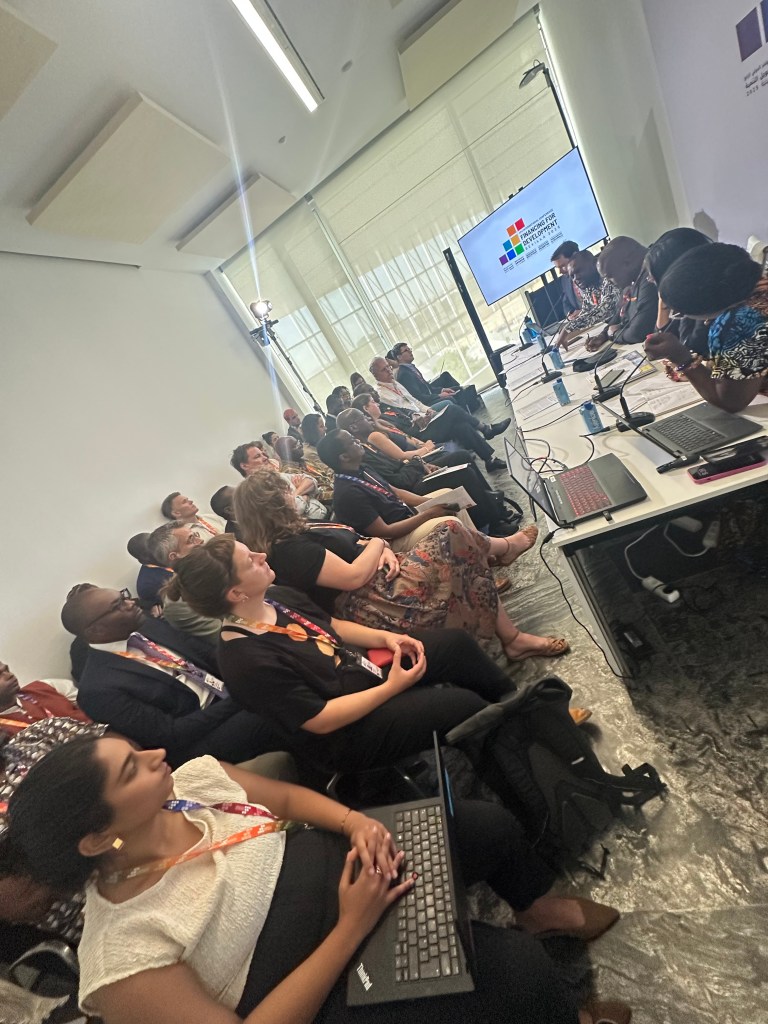
A significant shortcoming of FFD4 was the severe restriction on participation, especially affecting civil society actors, raising concerns about inclusivity and representation in global development dialogues.

Conclusion: From Commitment to Collective Action

FFD4 in Seville has set goals and launched critical initiatives. However, true success can only come from sustained collective resolve and dedicated implementation. Now, the real test begins; translating these commitments into impactful realities for people and our planet.

Next up: A deep dive into one of our key policy side events at FFD4 on Financing Development and the Geopolitics of Critical Minerals, so, watch this space!

If you’d like to receive my articles automatically as soon as they’re published, simply follow this blog using the “Follow” button at the bottom left of this page.

Africa’s Development Trajectory: Ensuring a Fair Transition

On 10 June 2024, I participated in the Spring Meeting of the  Paris Peace Forum hosted by the prestigious Mohamed VI University in Benguerir, Morocco, under the theme “Fair Transition,” with highlights on 1/ climate and development, 2/ agriculture and nutrition, 4/ energy and transition minerals, and 4/ global health. The Forum has brought together governments, universities, research bodies, civil society, and the private sector.

In addition to participating in the general plenary discussions, I spoke alongside global heavyweight experts, politicians, academics, and practitioners at the launch of a new initiative called the Agricultural Transition Lab for African Solution (ATLAS).

ATLAS will advocate for a globally shared vision of a sustainable African agricultural transformation based on a better understanding of African needs, breaking away from North and South divides, and seeing agriculture and climate as partners rather than adversaries.

Here are my key takeaways from various sessions, group discussions, and bilateral engagements during the very packed day of the forum:

A green energy transition that meets the needs of developing countries and is paired with imperatives of poverty reduction.

The transition towards cleaner and more renewable energy sources should balance the well-being of the planet and the development and prosperity of poor people who contribute the least to environmental degradation. To tap into the existing abundant source of green energy, there is a need for heavy global solidarity. International partnerships and cooperation are essential in supporting Africa’s energy transition. By sharing knowledge and expertise, mobilizing financial resources, and fostering technology transfer, the global community can help accelerate the shift towards a more sustainable energy future for all.

Agriculture, food and nutrition

Agriculture and nutrition are indispensable prerequisites for Africa’s development journey.

African food security is key in the face of a rapidly growing population and the ever-growing threat of climate change: 60% of Africans face food insecurity, 61% of the African population lives on wages below $2/day, and 2/3 of arable land is at risk of desertification. There is an imperative to transform Africa’s agricultural sector into a dynamic, modern, and sustainable engine of growth. Agriculture remains the backbone of many African economies, employing a significant portion of the population and contributing substantially to GDP.  

Investing in Africa’s agriculture should go beyond just increasing crop yields; it also entails fostering a holistic approach to food security/sovereignty and nutrition. As Africa seeks to chart a course towards sustainable development, it is imperative that agriculture and nutrition remain central to the continent’s agenda. From empowering smallholder farmers and agribusinesses to scaling up nutrition interventions and promoting dietary diversity, the possibilities for transformative change are vast and promising for the continent.

From extractives to wealth creation in Africa

African countries should move from exporting mineral resources to prioritizing value addition and industrialization to capture more of the value from these resources. Africa can boost job creation, foster innovation, and drive economic growth by processing raw materials locally and developing higher value-adding industries. This shift towards industrialization is integral to promoting sustainable development and reducing Africa’s traditional role as a mere supplier of raw materials.

Adding value to natural resources in Africa has the potential to promote entrepreneurship and support small and medium-sized enterprises as engines of economic growth. African governments and development partners should boost initiatives to provide financing, training, and mentorship to entrepreneurs, enabling them to create innovative businesses that contribute to job creation and economic prosperity. 

Africa needs to plan a phase-out of ODA.  

It is undeniable that Official Development Assistance (ODA) has been instrumental in catalyzing progress. Aid flows have facilitated the building of schools and hospitals, the provision of clean water and sanitation, and the implementation of crucial social welfare programs. However, there are compelling reasons for African nations to consider planning a phase-out of aid dependency.

In the face of ongoing global development, there is growing consensus among experts that a shift towards self-reliance and sustainable development is paramount for Africa’s long-term growth and prosperity.  Aid trap will cause the continent to miss out on the numerous existing opportunities to take off. Aid is becoming more and more unpredictable and subject to geopolitical agendas, making it an unreliable and unsustainable source of funding for development projects. This will hinder long-term planning and result in fragmented and short-term solutions that fail to address the root causes of poverty and underdevelopment in Africa. 

Phasing out from aid can foster accountability and good governance. When governments are not solely reliant on external donors for funding, they are encouraged to be more transparent and responsive to their citizens’ needs. This shift can lead to more efficient and effective resource use, reducing the risk of corruption and mismanagement that often plague aid-funded projects. Transitioning towards self-reliance can stimulate domestic innovation and entrepreneurship as countries are forced to find locally-driven solutions to their development challenges. This can lead to the creation of sustainable businesses and industries that generate jobs and economic growth, ultimately reducing poverty and improving livelihoods.

The Pact for the Future; the Role of Africa

On the road to the upcoming Summit of the Future #SOTF, which will be held in September this year at the United Nations in New York, I was asked to share my thoughts about the role of Africa in the “Pact for the Future” that will be discussed and hopefully adopted at the said global Summit.

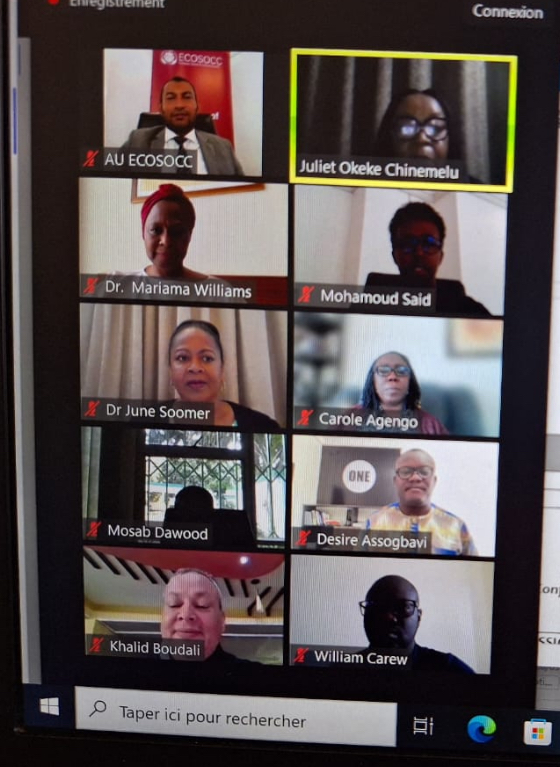
The discussion, hosted by the African Union’s ECOSOCC, happened virtually today.

After studying the 20-page zero draft of the Pact for the Future, with its 148 paragraphs, I can say that it is a comprehensive and well-elaborated document. I strongly recommend you read it fully. As it is a zero draft, it is open for input from various stakeholders before the September summit.

From financing sustainable development to international peace and security to science, technology, innovation, and digital cooperation, from the needed improvement of global governance to the urgent reform of the international financial institutions for better and increased resources, the draft of the Pact for the Future seems to be a completed memorandum to fix our world, save People, and save the Planet!

The question I have to answer now is, what should be Africa’s role in all of these?

Here are my 3 key ideas:

1/ First, Africa should have better representation at the Table.

This is critical for a meaningful contribution of the continent, in resolving the global issues mentioned in the draft of the Pact for the Future. Africa continues to be underrepresented in key international institutions and decision-making processes. This lack of representation not only hinders Africa’s ability to shape global policies actively but also perpetuates a cycle of inequality and imbalance in international relations. Africa can indeed play an impactful role in global affairs and can make significant contributions to addressing pressing global issues. Whether it is within international financial institutions such as the World Bank and the International Monetary Fund or at the UN Security Council, a fairer representation is essential to making things right!

Elevating Africa in global governance is not just a matter of fairness or justice; it should be seen as a strategic imperative for building a more stable, prosperous, and sustainable world for all. By giving space to Africa’s diverse voices and experiences, we can create a more inclusive and equitable global order that reflects the richness and diversity of our planet.

2/ We need to shift the current perspective on Africa’s role. The Continent should be seen as an important part of the solution, not just a warehouse or a reservoir of natural resources.

The continent is bringing demography & human resources. Africa represents 1.4 billion people, which is about 17% of the global population. Most of them are young, intelligent, dynamic, and willing to participate in the development process. This population will rise to 25% by 2050. The continent has a vibrant workforce and is experiencing a surge in innovation and entrepreneurship. By supporting and collaborating with African innovators, the global community can benefit from their transformative solutions.

In addition, Africa would bring wealth and natural resources. Africa is one of the world’s richest geographical regions in terms of its endowment with natural resources, with 60% of the world’s renewable energy assets and more than 30% of the minerals key to renewable and low-carbon technologies. Africa has the largest unused arable land, a heavy green energy potential, and other strategic, critical materials. From its vast mineral deposits to its fertile agricultural lands, the continent has much to offer. With proper management and sustainable practices, Africa’s resources can help address global challenges such as food security, water scarcity, and renewable energy.

One of the key global issues that Africa would greatly help address is climate change. Besides mitigating the impact of climate change, Africa also would contribute significantly to global efforts to reduce greenhouse gas emissions.

3/ My 3rd & last point is more about looking inward…Charity needs to start at Home

It would not be enough for the continent to sit at the table; Africa needs to clean its own house and ensure that, we resolve some of the problems that are in our capacity to fix.

We know them:

  • We call them shared values, and we adopted them at the AU, ECOWAS, SADC, EAC, etc
  • We call them accountability, peer review
  • We call them good governance, the rule of law;
  • We name them solidarity, fair sharing of national resources, and diversity management.

If we work seriously on them, Africa will be more apt/ready to play a meaningful role in the pact.

I would like to conclude by wondering if the simple discussion and adoption of the Pact for the Future will lead us to the promised land…

Whether at the UN, the African Union or the RECs… If only half of the various texts we have adopted have been implemented, I am sure we would have been at a different level…

So, what needs to be different now?

This is a question that you all can propose answers to, during the discussions.

What about a robust accountability mechanism for the realization of these commitments of the Pact for the future?

What could be the form of such a mechanism?

I thank you for your attention!