The Open Society Foundations (OSF) have long been committed to promoting human rights, equity and justice across the world. The Foundations play a crucial role worldwide, employing grant-making, research, advocacy, impact investment, and strategic litigation to ensure that everyone can live with dignity and rights.
Our recent Africa tour, encompassing visits to Senegal, Kenya, South Africa, and Namibia, provided invaluable insights into the diverse challenges and opportunities present in these countries. These experiences have not only deepened our understanding but also highlighted areas where we can enhance our strategies, partnership and interventions to better serve our mission.
Senegal: A Beacon of Democratic Resilience

In Senegal, the vibrant civil society and youth movements have played a crucial role in upholding democratic values. The peaceful transition of power to President Bassirou Diomaye Faye, Africa’s youngest democratically elected leader, exemplifies the nation’s commitment to constitutionalism. Movements like Y’en a Marre have mobilized citizens, especially the youth, to demand accountability and transparency from their leaders. This active civic engagement has been instrumental in fostering a political environment where democracy can thrive.
On women political participation: despite a progressive legal framework, implementation challenges and persistent patriarchal norms in Senegal reflect common realities across Africa. Our discussions emphasized practical support for women politicians, direct advocacy, and critical evaluations of international funding mechanisms for gender equity. The Senegalese experience underscores the necessity for targeted, substantive empowerment initiatives rather than merely symbolic actions.
Kenya: Harnessing Innovation for Social Justice

Kenya’s dynamic youth population is leveraging technology and innovation to address societal challenges. Our Ideas Festival in Nairobi showcased how young entrepreneurs and activists are creating solutions that promote rights, equity, and justice. Initiatives focusing on digital inclusion, environmental sustainability, and social entrepreneurship highlight the potential of youth-led innovation in driving systemic change.
South Africa: Confronting Historical Inequities

South Africa’s journey towards social justice is marked by efforts to address the lingering effects of apartheid. The nation’s complex landscape includes tackling issues of land redistribution, economic disparities, and systemic racism. South Africa reaches three decades of democracy, marked by the end of apartheid and the rise of the African National Congress (ANC). Yet, this period is not celebrated unanimously. While the advent of democracy signaled hope and equity, many comrades cited the erosion of trust in public institutions as democracy’s core crisis. Corruption, nepotism, and government inefficiency have fostered deep-rooted cynicism. Civil society organizations and grassroots movements are at the forefront, advocating for policies that promote inclusivity and rectify historical injustices. These efforts are crucial in building a more equitable society
Namibia: Reimagining Participation and Transformation
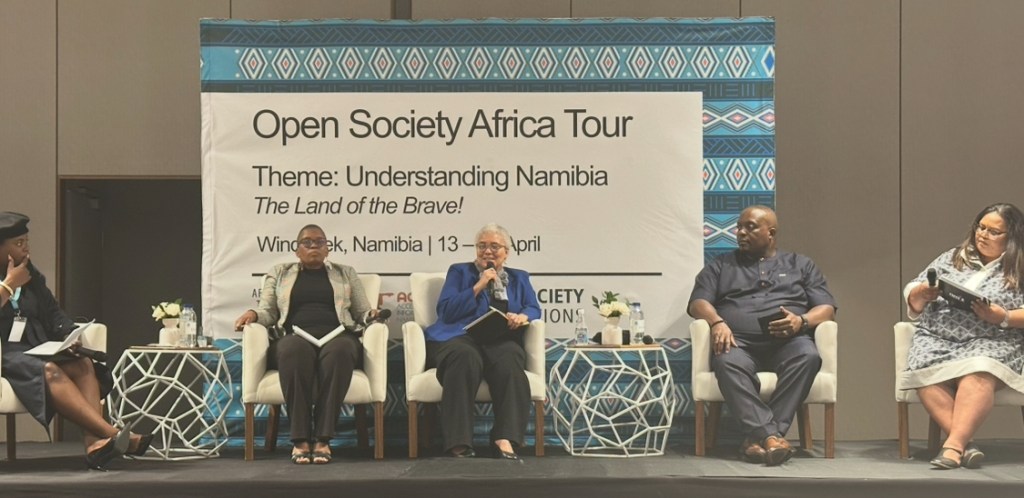
In Namibia, the emphasis on community engagement and participatory governance is reshaping the nation’s approach to development. Youth leaders and civil society actors are advocating for structural reforms that address economic challenges and promote social inclusion. The focus on reimagining justice and participation reflects a commitment to transformative change that resonates with the broader goals of sustainable development. Namibia stands at an important crossroads. The election of a female president and vice president has symbolized a profound shift, sparking renewed optimism, particularly among women and youth. A central theme throughout our interactions was the complex interplay between forgiveness, reconciliation, and reparations for colonialism and apartheid and most importantly for the 1904–1908 genocide by the Germans. Also, the complexity of tribal identity in Namibia emerged consistently during our discussions.
So What? Connecting the Dots: Lessons from Across the Continent
Drawing from this learning visits it’s evident that while each nation faces unique challenges, there are shared themes of youth empowerment, innovation, and the pursuit of justice that resonate across borders. These experiences also underscore the importance of contextualized approaches to development and governance in Africa.
Local Contexts for Effective Interventions: One of the key takeaways from our tour is the paramount importance of tailoring our approaches to the unique socio-political landscapes of each country. Recognizing and supporting such local dynamics can amplify our impact and ensure that our initiatives resonate with the communities we aim to serve.
Youth Engagement and Innovation: Across the countries visited, the energy and innovation of young people stood out as a driving force for change. In Kenya, youth-led initiatives are leveraging technology to address societal challenges, while in South Africa and Namibia, young activists are at the forefront of movements for social justice and economic equity. By investing in youth-led organizations and creating platforms for their voices, we can harness this momentum to drive sustainable change.
Partnerships: The tour underscored the value of building robust partnerships with local organizations, governments, and other stakeholders. Collaborative efforts can lead to more comprehensive and effective solutions. By fostering such collaborations, we can pool resources, share expertise, and create synergies that enhance the reach and efficacy of our programs.
Accountability and Transparency emerged as recurring themes during our visits. Communities expressed the need for greater openness in governance and the importance of holding institutions accountable. In response, OSF can intensify its support for initiatives that promote transparency, such as civic education programs, watchdog organizations, and platforms that facilitate citizen engagement in governance processes.
Adapting to Evolving Challenges: The dynamic nature of the challenges faced by African countries necessitates a flexible and responsive approach. Issues such as climate change, economic disparities, and political instability require adaptive strategies that can evolve with changing circumstances. OSF’s commitment to continuous learning and adaptation will be crucial in addressing these complex and interlinked issues effectively.
The Africa tour has been a transformative journey, offering profound insights into the resilience, creativity, and aspirations of the communities we serve. By integrating these lessons into our work, OSF can refine its strategies, deepen its impact, and continue to champion the values of justice, equity, and human rights across the continent. Our commitment to supporting open societies remains unwavering, and we are inspired to forge ahead with renewed vigor and purpose.
On a personal level, although I have been with OSF for only four months, the Africa Tour was an extraordinary opportunity to connect with a wide network of brilliant colleagues from across the globe, connections that would have otherwise taken years to build.
Conclusion:
The diverse experiences of these four countries highlight the importance of localized strategies that empower citizens, particularly the youth, to take active roles in shaping their societies. By fostering environments that encourage innovation, uphold democratic principles, and address historical and systemic inequities, African nations can pave the way for a more just and equitable future. Collaboration, both within and across borders, will be key in realizing this vision.
For more detailed reflections on each of these 4 learning visits, please refer to the following articles.
- Unveiling the Soul of Senegal
- Harnessing Youth Power & Innovation for Rights, Equity & Justice: Reflections from my participation in the “Ideas Festival” in Kenya
- Navigating South Africa’s Complex Landscape
- Reimagining Justice, Participation, and Transformation in Namibia
Désiré Assogbavi is an Advocacy Advisor at the Open Society Foundations. He is a jurist, policy & political analyst, and international development expert.

 Assodesire