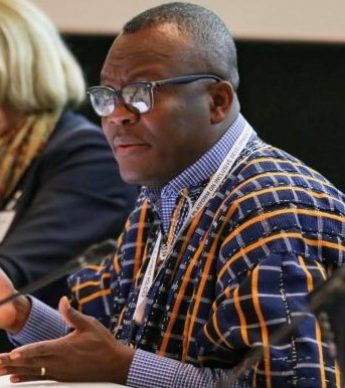
As I conclude my learning visit to Kenya for the Ideas Festival, I leave inspired, challenged, and more determined than ever. Over two powerful days, I engaged with young people from various sectors, local experts, community leaders, and grassroots advocates , all united in their desire to tackle the deep and complex crises shaping their country and the African continent in general.
The Ideas Festival was sponsored by the Open Society Foundations and co-organised with partners, mostly youth organizations in Kenya.
From these vibrant conversations, one truth stood out: Africa’s future depends for a large part on its youth, their power, their creativity, and their resilience.

A Call to Reimagine Africa
In every session and exchange, the message was clear: the time for lamentation is over, the future must be claimed, it will not be given.
The festival was more than an event; it was a movement. One that places young people at the center of Africa’s response to the ongoing polycrisis, a convergence of economic instability, civic erosion, social inequality, and environmental challenges.
Rather than treating youth innovation as a distraction, we must embrace it as a catalyst for justice, economic development, and democratic accountability.
Throughout the festival, three guiding goals anchored our conversations:
- Collaboration
- Engagement
- Shared Solidarity
Discussions highlighted some of the most pressing issues facing Kenya and the wider continent:

- Economic hardship fueled by debt, poor policies, and corruption
- Youth exclusion from political leadership and decision-making.
- Rampant corruption: public resources are plundered while citizens suffer.
- Shrinking civic space and rising police brutality, especially targeting the youth.
- Public distrust in institutions and weak policy implementation.
- Inequitable access to technology, education, and economic opportunity.
These challenges demand urgent, coordinated responses, not tomorrow, but today.
Youth Power in Action

Kenya’s youth are not waiting for permission to lead change. One standout example was the recent youth-led protests that successfully reversed a controversial tax bill. This was a vivid demonstration of civic engagement and people power in action.
Across the country, young people are using technology, art, and collective action to demand accountability, amplify marginalised voices, and push for change. They are innovating not only in the tech space but also in reimagining advocacy and governance.
And yet, we must go further. There’s a critical need to:
- Ensure equitable access to technology and innovation.
- Integrate AI into education so young people are not left behind.
- Build digital and civic infrastructure that reflects African realities.
- Strengthen inter-African connectivity, not just internationally, but within the continent itself.
“Africa must learn to play the long game, building systems that serve generations, not just political cycles“

7 Ideas to Address the African Polycrisis
From these dialogues I retained 7 key areas where urgent, transformative action is needed:
1. Political and Civic Inclusion
- Dismantle systemic barriers to youth leadership.
- Promote civic education and access to digital participation tools.
- End the myth that young people lack experience.
2. Economic Justice & Reform
- Push for inclusive, redistributive economic policies.
- Demand social accountability in budgeting and public finance.
- Advocate for debt justice and fair economic models.
3. Fighting Corruption
- Support whistleblower protections and transparent information-sharing platforms
- Strengthen regional anti-corruption frameworks.
- Call for a Pan-African debt audit and accountability mechanism.
4. Innovation to service development
- Fund and elevate youth-led solutions grounded in local contexts.
- Move away from copy-paste Western models in favor of culturally-rooted innovation.
5. Intergenerational Solidarity
- Encourage mentorship between senior leaders and youth.
- Document and share knowledge to build lasting leadership structures.
6. Funding the Change
- Rethink funding models to include solidarity economies, regional funds, and domestic resource mobilization rooted in integrity.
7- Deliberately invest in industrialization
- Avoid over-reliant on raw commodity exports. Industrialization will help diversify economies by building value chains, reducing vulnerability to global price shocks
- Strengthening Intra-African Trade. Make the African Continental Free Trade Area (AfCFTA) at play
- A industrial base fuels research, development, and tech transfer, key to building Africa’s competitiveness in the global economy.
In conclusion
The discussions in Kenya reminded me of what’s possible when we listen to young people, not as a demographic box to check, but as co-creators of the continent’s future. They are not just tomorrow’s leaders; they are today’s disruptors, builders, and visionaries.
Let’s build the future together.

 Assodesire