Africa’s Development Trajectory: Ensuring a Fair Transition

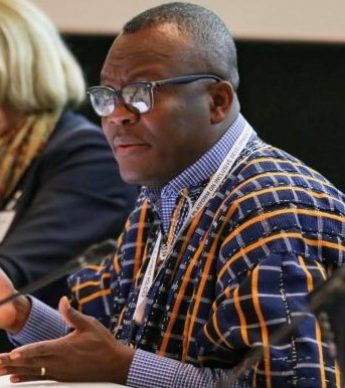
On 10 June 2024, I participated in the Spring Meeting of the  Paris Peace Forum hosted by the prestigious Mohamed VI University in Benguerir, Morocco, under the theme “Fair Transition,” with highlights on 1/ climate and development, 2/ agriculture and nutrition, 4/ energy and transition minerals, and 4/ global health. The Forum has brought together governments, universities, research bodies, civil society, and the private sector.

In addition to participating in the general plenary discussions, I spoke alongside global heavyweight experts, politicians, academics, and practitioners at the launch of a new initiative called the Agricultural Transition Lab for African Solution (ATLAS).

ATLAS will advocate for a globally shared vision of a sustainable African agricultural transformation based on a better understanding of African needs, breaking away from North and South divides, and seeing agriculture and climate as partners rather than adversaries.

Here are my key takeaways from various sessions, group discussions, and bilateral engagements during the very packed day of the forum:

A green energy transition that meets the needs of developing countries and is paired with imperatives of poverty reduction.

The transition towards cleaner and more renewable energy sources should balance the well-being of the planet and the development and prosperity of poor people who contribute the least to environmental degradation. To tap into the existing abundant source of green energy, there is a need for heavy global solidarity. International partnerships and cooperation are essential in supporting Africa’s energy transition. By sharing knowledge and expertise, mobilizing financial resources, and fostering technology transfer, the global community can help accelerate the shift towards a more sustainable energy future for all.

Agriculture, food and nutrition

Agriculture and nutrition are indispensable prerequisites for Africa’s development journey.

African food security is key in the face of a rapidly growing population and the ever-growing threat of climate change: 60% of Africans face food insecurity, 61% of the African population lives on wages below $2/day, and 2/3 of arable land is at risk of desertification. There is an imperative to transform Africa’s agricultural sector into a dynamic, modern, and sustainable engine of growth. Agriculture remains the backbone of many African economies, employing a significant portion of the population and contributing substantially to GDP.  

Investing in Africa’s agriculture should go beyond just increasing crop yields; it also entails fostering a holistic approach to food security/sovereignty and nutrition. As Africa seeks to chart a course towards sustainable development, it is imperative that agriculture and nutrition remain central to the continent’s agenda. From empowering smallholder farmers and agribusinesses to scaling up nutrition interventions and promoting dietary diversity, the possibilities for transformative change are vast and promising for the continent.

From extractives to wealth creation in Africa

African countries should move from exporting mineral resources to prioritizing value addition and industrialization to capture more of the value from these resources. Africa can boost job creation, foster innovation, and drive economic growth by processing raw materials locally and developing higher value-adding industries. This shift towards industrialization is integral to promoting sustainable development and reducing Africa’s traditional role as a mere supplier of raw materials.

Adding value to natural resources in Africa has the potential to promote entrepreneurship and support small and medium-sized enterprises as engines of economic growth. African governments and development partners should boost initiatives to provide financing, training, and mentorship to entrepreneurs, enabling them to create innovative businesses that contribute to job creation and economic prosperity. 

Africa needs to plan a phase-out of ODA.  

It is undeniable that Official Development Assistance (ODA) has been instrumental in catalyzing progress. Aid flows have facilitated the building of schools and hospitals, the provision of clean water and sanitation, and the implementation of crucial social welfare programs. However, there are compelling reasons for African nations to consider planning a phase-out of aid dependency.

In the face of ongoing global development, there is growing consensus among experts that a shift towards self-reliance and sustainable development is paramount for Africa’s long-term growth and prosperity.  Aid trap will cause the continent to miss out on the numerous existing opportunities to take off. Aid is becoming more and more unpredictable and subject to geopolitical agendas, making it an unreliable and unsustainable source of funding for development projects. This will hinder long-term planning and result in fragmented and short-term solutions that fail to address the root causes of poverty and underdevelopment in Africa. 

Phasing out from aid can foster accountability and good governance. When governments are not solely reliant on external donors for funding, they are encouraged to be more transparent and responsive to their citizens’ needs. This shift can lead to more efficient and effective resource use, reducing the risk of corruption and mismanagement that often plague aid-funded projects. Transitioning towards self-reliance can stimulate domestic innovation and entrepreneurship as countries are forced to find locally-driven solutions to their development challenges. This can lead to the creation of sustainable businesses and industries that generate jobs and economic growth, ultimately reducing poverty and improving livelihoods.

For a Fairer Global Financial Architecture: My 10 key takeaways from the AfDB Annual Meetings 2024

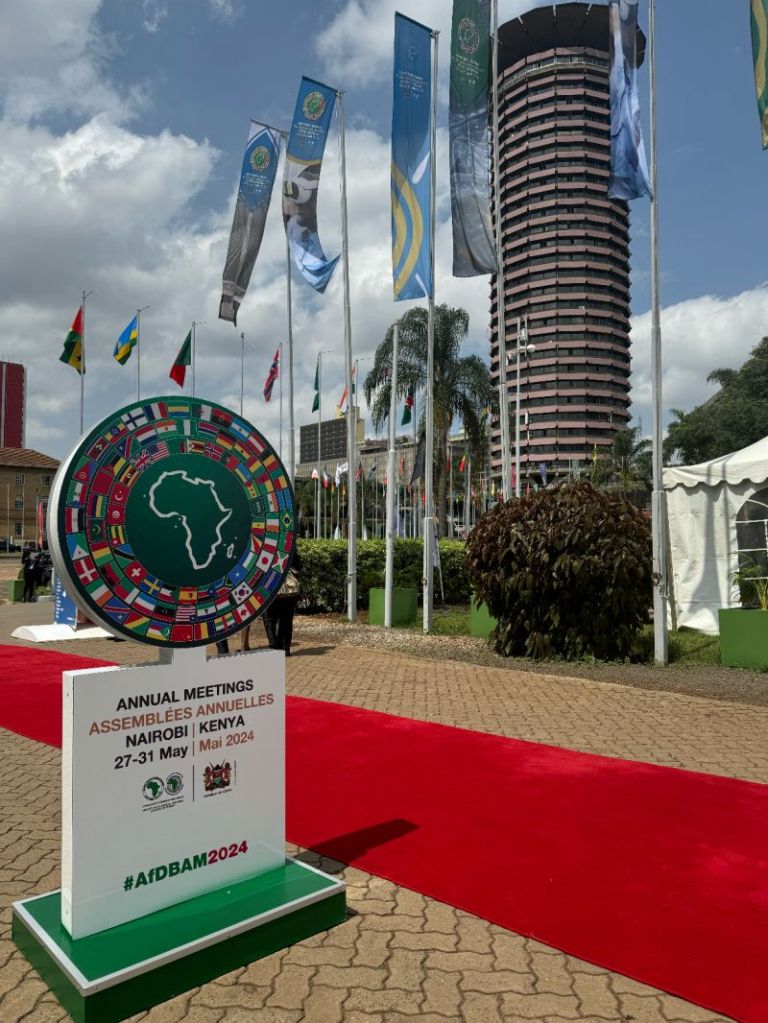
Approximately 5,000 delegates participated in the recently concluded 50th Annual Meetings of the African Development Bank (AfDB), held from May 27 to 31, 2024, in Nairobi, Kenya.

The Annual Meetings brought together the Bank Group’s governors representing 54 African countries and 27 non-African shareholders, as well as heads of state, researchers, experts, representatives of international bodies, the private sector, and civil society actors. They engaged in discussions and shared insights and strategies centered around the event’s theme, “Driving Africa’s Transformation: The Reform of the Global Financial Architecture.” The event garnered coverage from 200 media outlets.

Our Team from the ONE Campaign hosted a side event on the upcoming replenishment of the African Development Fund, the concessional window of the AfDB, which plays a critical role in providing financing and technical assistance to low-income countries in Africa.

Here are my 10 key takeaways from the Bank’s Annual Meetings:

Africa is at a pivotal juncture in its development path, facing a series of interconnected crises that threaten the progress achieved in recent decades. Addressing these challenges necessitates a comprehensive financial approach rooted in global solidarity to effectively meet urgent needs.

With a burgeoning population, abundant natural resources, and a youthful demographic, the continent boasts significant potential for economic growth and prosperity. However, unlocking this potential demands substantial financial investments and strategic planning

1- Domestic Resource Mobilization (DRM) is crucial for Africa’s development. Enhancing efforts to mobilize domestic resources, including addressing Illicit Financial Flows. Every year, more than $89 billion leaves the African continent as Illicit Financial Flows, according to the UNCTAD. These are movements of money and assets across borders that are illegal in source, transfer, or use. It includes illicit capital that is getting out of the continent, tax and commercial practices like wrong invoicing of trade shipments, and criminal activities such as illegal markets, corruption, or theft.
In addition, African countries should prioritize modernizing their tax systems. Many African countries offer overly generous tax incentives that need reevaluation.

2- Reform: The international financial architecture needs urgent reforms to become more responsive, fairer, and resourceful. By the United Nations’ definition, the international financial architecture refers to the governance arrangements that safeguard the stability and function of the global monetary and financial systems. It has evolved over time, often in an ad hoc fashion, driven by the policy preferences of large economies (…).

The ecosystem of the International financial architecture that needs to be thoroughly reviewed includes but is not limited to: 

The Banks: IMF, WB, Regional Development Banks, etc.

The Markets: capital markets, stock markets, etc.

Credit Rating Agencies

International Tax Regime

3- Increasing concessional financing is essential to addressing African nations’ ambitious goals and priorities and tackling global challenges. Multilateral Development Banks (MDBs) must intensify their efforts. The upcoming replenishment of the International Development Association (IDA) and the African Development Fund presents opportunities to bolster financial support.

4- Private Sector: Effective private sector engagement is vital to mobilize the trillions required for the Sustainable Development Goals (SDGs) and Africa’s Agenda 2063, the Africa we want. MDBs alone cannot bridge the financing gap.

5 – Value Addition: Emphasizing value addition over raw material exports is key to economic prosperity in Africa because exporting raw materials often leads to impoverishment. Exporting raw materials is a highway to poverty. Value Addition is a gateway to prosperity.

6- Credit Rating: The global financial rating system must be fairer. A fairer rating could save Africa $75 billion a year in debt payments. Credit ratings impact the development trajectories of African countries by defining the cost of development financing. They also influence how much development partners can support critical investments on the continent.

AfDB is committed to supporting the creation of an African credit rating agency, not to replace or compete with existing agencies but to provide an alternative approach that takes into account contexts and realities on the continent.

7- Natural Capital: Africa’s natural capital is undervalued in the current calculation of GDPs. The AfDB committed to support the reevaluation of African countries’ GDP by incorporating natural capital considerations

8- AfDB Capital: The AfDB Board of Governors approved $117 billion of callable capital, bringing the total Bank’s capital from $201 Billion to $318 Billion.

Kenya is the first mover in replenishing the Africa Development Fund in 2025, with a pledge of $20 million.

9- Obstacles: Conflicts and political instability significantly hinder Africa’s progress and investment attractiveness. The lack of security increases the level of risk perceived by investors. Addressing these challenges is crucial as the continent’s youthful population continues to outpace job opportunities, leading to migration in search of better prospects. Corruption is surely the other obstacle that the continent needs to fight by all means.

10- New strategy: The African Development Bank Group introduced its Ten-Year Strategy 2024–2033, which focuses on investing in Africa’s youth and promoting gender equality, climate resilience, stability in fragile states, and good governance.

To achieve these objectives, the bank will deploy the following operational priorities.

  • Light up and power Africa: Promote universal access to modern and affordable energy.
  • Feed Africa: Ensure food security through agricultural transformation.
  • Industrialize Africa: Catalyze manufacturing as a critical driver of job creation.
  • Integrate Africa: Foster regional integration and value chains for a more cohesive economy.
  • Improve the quality of life: Enhance living standards, particularly for women and youth.

Report: During the Annual Meetings, the AfDB published its flagship report, The Africa Economic Outlook.

Your comments and suggestions are also welcome on this site or directly to my email address: Desire.Assogbavi@assodesire.com  or Assogbavi@me.com .

Watch this space for more updates on Pan-African & African Union matters.

If you want to systematically receive my articles as soon as they are published, please follow this blog at the bottom left of this page.