Our Namibia tour happened at a defining moment in the country’s history; just months after the election of President Netumbo Nandi-Ndaitwah, Namibia’s first female Head of State. This historic milestone offered a rich context for our engagements, providing us with great understandings of Namibia’s evolving democratic landscape, societal aspirations, and transformative potential.
Although the Open Society Foundations has yet to establish a permanent presence in Namibia, our learning tour significantly deepened our understanding, facilitated meaningful engagements across various sectors, and highlighted promising opportunities for future partnerships with both civil society and state actors.
The Promise and Paradox of Democratic Transition
Namibia stands at an important crossroads. The election of a female president and vice president has symbolized a profound shift, sparking renewed optimism, particularly among women and youth. However, our interactions revealed a prevalent concern: “We have a female president, but we remain with the same system.” SWAPO, Namibia’s ruling party since independence, faces a declining parliamentary majority, indicative of rising public discontent and heightened calls for structural reforms. The key challenge ahead is ensuring that leadership transitions are substantive rather than symbolic, driving tangible, impactful change in governance, socio-economic conditions, and justice frameworks.
Inclusive Dialogue and Reparative Justice

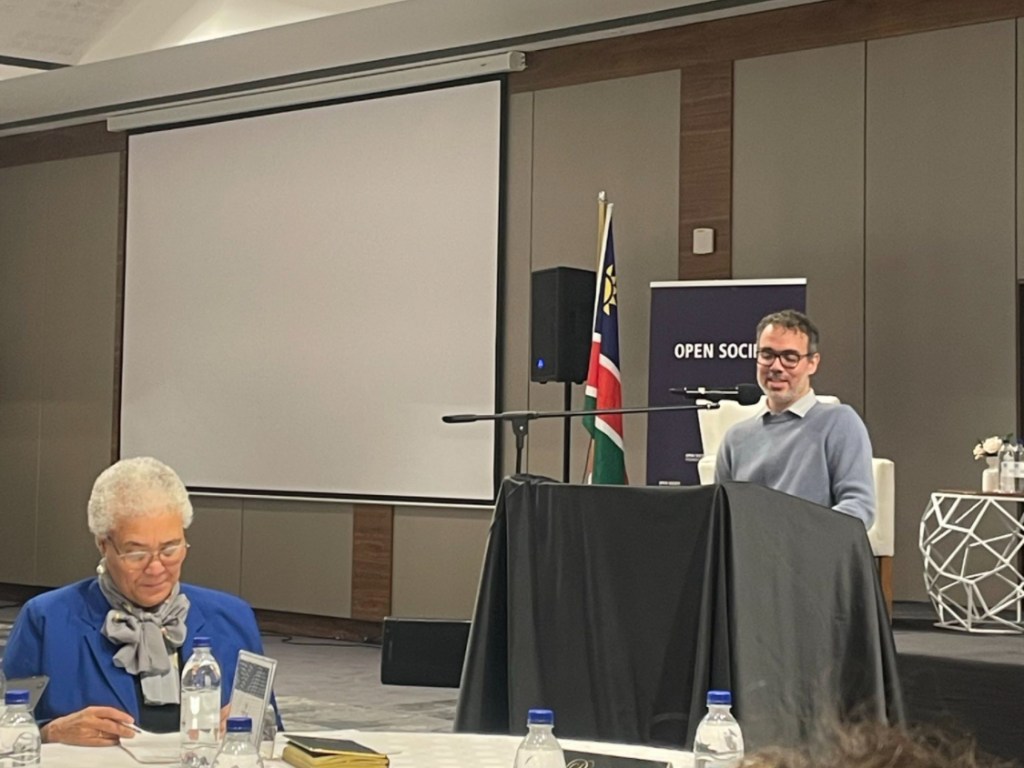
Our closing discussions, featuring a high-level panel including Vice President Lucia Witbooi, Members of the parliament, and prominent legal experts and civil society leaders, provided a profound exploration of Namibia’s negotiations with Germany concerning reparations for the 1904–1908 genocide. Civil society representatives passionately advocated for transparency, genuine participation, and inclusive negotiations, emphasizing that meaningful reparations require more than monetary compensation.
Forgiveness, Reconciliation, and Reparations
A central theme throughout our interactions was the complex interplay between forgiveness, reconciliation, and reparations. Vice President Witbooi drew on Rwanda’s experiences, advocating forgiveness as critical to healing national wounds. Yet, our own Brian Kagoro and other civil society advocates highlighted that forgiveness must follow genuine reparative actions and accountability measures. Brian notably argued for reparations as essential for “balancing the books,” requiring acknowledgment, restitution, and systemic change to prevent recurrence of past injustices.
Calls for Inclusive Participation
Our dialogues underscored the fundamental importance of inclusive participation in the reparations process. The critique of Namibia’s Joint Declaration with Germany underscored the need for meaningful involvement and agency of affected communities, ensuring transparent, inclusive processes and outcomes that genuinely reflect collective aspirations.

Tribal Identity: Strength, Resilience, and Risk
Throughout our engagements, the complexity of tribal identity in Namibia emerged consistently. While strong cultural affiliations to groups such as the Herero, Owambo, Nama, and Damara provide essential sources of identity and resilience, participants highlighted the challenges posed by tribal divisions. A particularly resonant observation was, “Tribe still determines what you get from the economy and who gets to speak.” The imperative, therefore, is integrating Namibia’s rich ethnic diversity into a cohesive national identity, addressing historical grievances without exacerbating existing inequalities or promoting exclusionary practices.
Youth Advocacy and Economic Justice

A critical highlight of our tour was the dynamic role played by Namibia’s youth in advocating for justice, dignity, and structural reform. Former MP Patience Masua eloquently outlined the frighting economic challenges facing Namibia’s younger generation, notably a youth unemployment rate exceeding 45%. Nevertheless, she identified hopeful initiatives such as tax incentives for youth-led enterprises, housing programs, and green energy projects. These initiatives underscore a vibrant, future-oriented vision among Namibian youth, who are determined to achieve systemic and intergenerational equity.
MP Utaara Mootu provided further insights, passionately articulating the emotional and historical resonance underlying young Namibians’ demands for justice. She emphasized that true reparative justice must include land reform, constitutional recognition, and socio-economic restructuring, ensuring that historically marginalized communities receive meaningful redress and opportunities for empowerment.
Katutura: History, Challenges, and Resilience
Our visit to Katutura, a historically marginalized settlement established during apartheid-era forced relocations, revealed Namibia’s ongoing struggles and resilient spirit. Guided by community experts, our exploration illuminated Katutura’s touching history of displacement, discrimination, and economic exclusion. Yet, despite these challenges, Katutura exemplifies vibrant community activism, where youth, women, and grassroots leaders drive transformative conversations around equity, justice, and political participation.
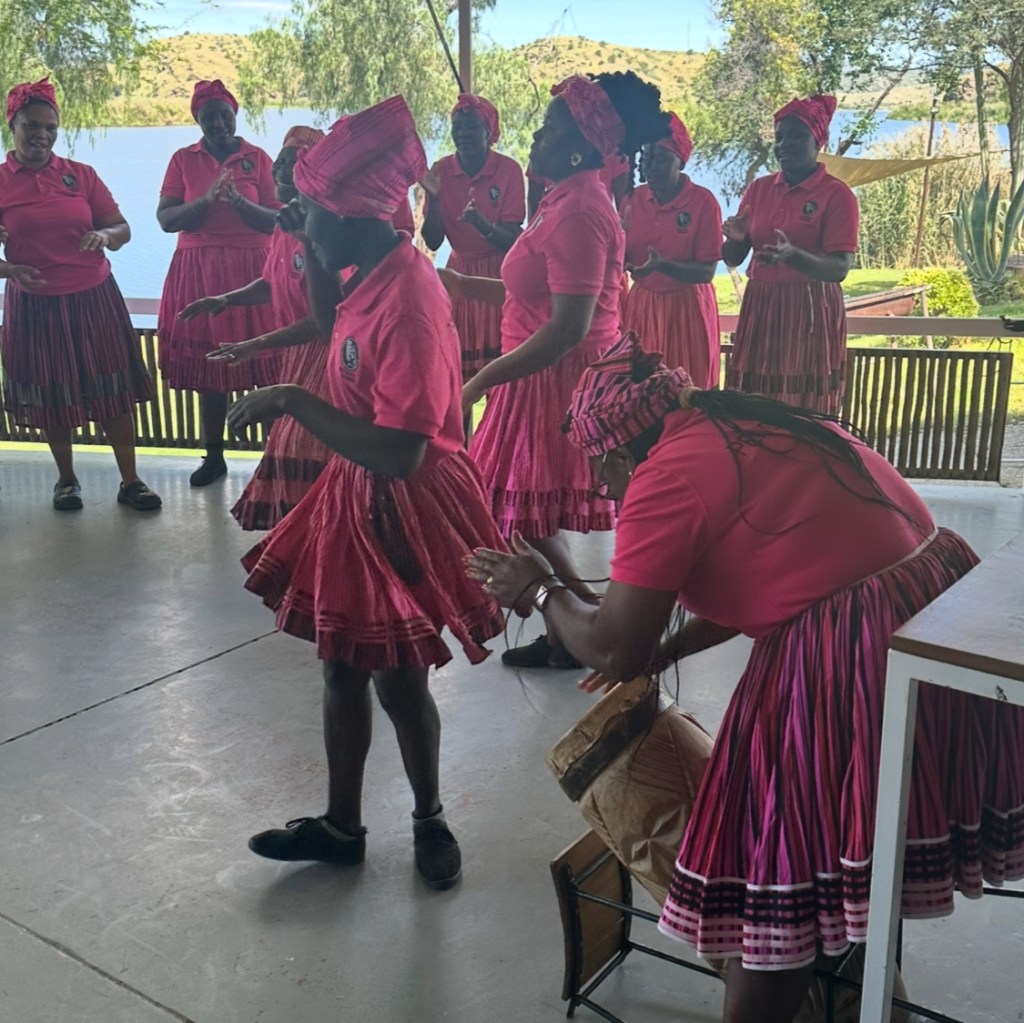
Community initiatives like Penduka (“wake up” in local languages) stood out as powerful examples of resilience, empowerment, and agency among women. Penduka fosters economic self-sufficiency and social empowerment, symbolizing Namibia’s grassroots capacity to address historical injustices through innovative community-driven initiatives.

Women’s Leadership: From Representation to Real Impact
Namibia’s current leadership structure is unprecedented: the president, vice president, speaker of the National Assembly, and numerous ministerial positions are occupied by women. This significant shift in representation has profoundly influenced societal perceptions, aspirations, and opportunities. A compelling anecdote shared by a participant highlighted how his daughter’s aspirations shifted dramatically from becoming a First Lady to aspiring to the presidency itself. This narrative change should not be superficial, it should represents a significant societal shift toward gender equality.
However, participants repeatedly stressed that representation alone is insufficient. True victory, they argued, lies in translating increased representation into tangible impacts, ensuring the safety, opportunity, and justice for all Namibians, particularly women and girls from rural and marginalized communities.
Namibia’s Role in International Reparative Justice
Namibia’s global engagement, particularly its stance on reparations and international justice, was thoroughly explored during our discussion. Former ministers of justice Yvonne Dausab and legal experts highlighted Namibia’s active involvement in advocating for reparative justice through international platforms such as the International Court of Justice (ICJ) and the African Union. Discussions emphasized the necessity of strategic legal training and capacity building to equip Namibian lawyers and civil society actors for effective engagement in international forums. This emphasis underscores the importance of a legally rigorous, inclusive approach to reparative justice that aligns with global standards while addressing Namibia’s specific historical contexts.
Celebrating Women’s Leadership and Transformational Justice
Our high-level closing panel explicitly celebrated women’s leadership in shaping Namibia’s political landscape and advancing the reparations agenda. Leaders recognized the critical historical and contemporary contributions of women in advocating justice, reconciliation, and societal transformation. The discussions affirmed women’s integral roles as leaders in peacebuilding and social justice initiatives, further reinforcing the necessity of gender-sensitive approaches to reparative justice.
Moving Forward Together
Namibia today navigates a delicate balance between historical memory and future aspirations. The nation continues to grapple with the profound legacies of colonialism, genocide, apartheid and structural inequalities, yet remains animated by resilience, courageous leadership, and proactive youth engagement.
As visitors, learners, and potential partners, our delegation departs inspired by Namibia’s courage and committed to amplifying its voice internationally. We recognize our shared responsibility to support Namibia’s journey towards a just, equitable, and open society.
To the Land of the Brave: May the future you envision rise powerfully through truth, inclusivity, collective voice, and transformative justice.
This tour has not only deepened our appreciation of Namibia’s complex socio-political landscape but also strengthened our resolve to collaborate in meaningful and impactful ways, championing justice, equity, and systemic change alongside Namibia.


 Assodesire