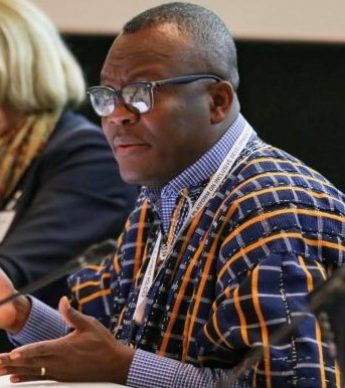
My Africa Day 2025 Speech – Justice, Reparations, and Renewed Commitment

Every year, Africa Day invites us to pause, reflect, and recommit to the long journey of unity, liberation, and dignity for our continent and its diaspora. But in 2025, this moment carries deeper urgency and purpose. Under the theme “Justice for Africans and People of African Descent Through Reparations,” Africa Day becomes not just a commemoration, but a clarion call for action.

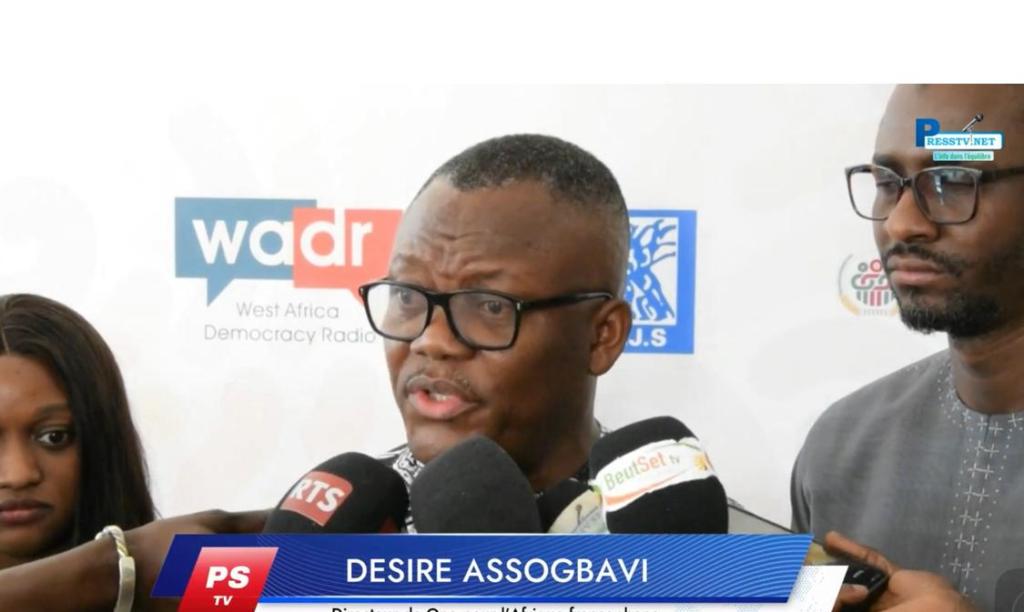
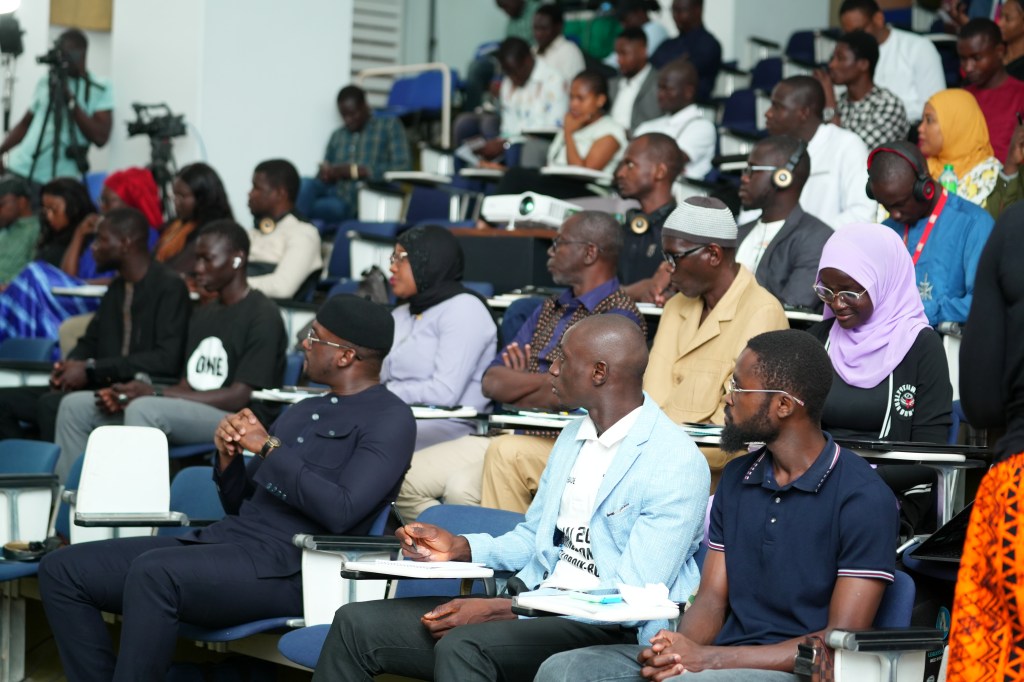
During an inspiring intergenerational dialogue in Dakar, held in a packed room alongside distinguished leaders, including Mr. Ousseynou Ly, Spokesperson for the Presidency of Senegal, I delivered this speech as a call to conscience. I urged African states, institutions, and global partners to move beyond symbolism and engage in real, structural transformation.
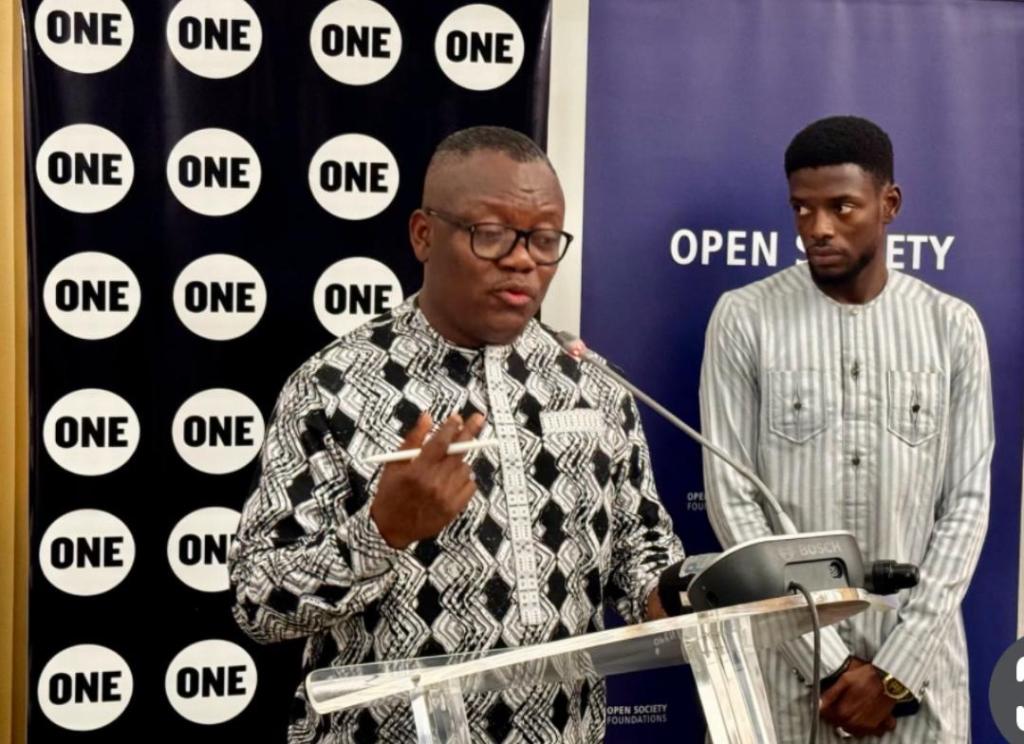
It is time to confront the legacies of slavery, colonization, apartheid, and the enduring injustices that continue to shape African realities. Reparative justice must be more than historical acknowledgment; it must be the foundation for bold reforms, accountable governance, and a future defined by dignity, equity, and African leadership.

Read the full speech below.

Mr. Ousseynou Ly, Minister-Counselor and Spokesperson of the Presidency of the Republic of Senegal,
Mr. Eyole Monono, Chair of the Political Affairs Sectoral Group of the AU Economic, Social and Cultural Council,
Representatives of various institutions,
Distinguished experts and partners from sister organizations,
Friends of the press,
Ladies and Gentlemen,

Today, we gather to celebrate Africa Day 2025, an occasion for deep reflection and renewed commitment to our continent and its global diaspora. This year’s theme, “Justice for Africans and People of African Descent Through Reparations,” echoes as a call to action, an invitation to confront past injustices and to build an equitable future.
On May 25, 1963, the Organization of African Unity (OAU) was founded, marking a historic step in the continent’s pursuit of independence and unity. Today, the African Union (AU), successor of the OAU, continues that mission by placing reparative justice at the heart of its 2025 agenda.

The scars left by slavery, colonization, apartheid, and systemic discrimination are still visible. These historic injustices have led to enduring inequalities, hindering our nations’ development and our peoples’ well-being.

Reparative justice is not limited to financial compensation; it involves recognition of the wrongs committed, restitution of looted cultural property, and the implementation of policies to correct structural imbalances.

Adopted in 2013, Agenda 2063 is an ambitious 50-year vision for an integrated, prosperous, and peaceful Africa. Its seven aspirations envision a democratic Africa, driven by its citizens, especially youth and women, free from fear, disease, and want, and actively engaged in global affairs.

But a decade later, many wonder whether these aspirations are still within reach. Despite the immense energy of our youth, the continent faces serious structural challenges: persistent poverty, rising inequality, democratic regression, debt burdens, and a resurgence of coups. Between 2020 and 2023, seven African heads of state were overthrown by their own militaries, an alarming sign of institutional fragility.

The AU at a Crossroads

The transition from the OAU to the AU aimed to shift from state-centered diplomacy to citizen-centered governance. The goal was to build an institution rooted in shared values: democracy, human rights, the rule of law, and good governance. Yet for many Africans, the gap between AU declarations and their lived realities remains wide.

Young people, who represent over 60% of the population, still struggle to participate in decision-making. Women’s representation progresses slowly. And poor governance continues to crush hopes for transformation.

Injustice Amid Abundance

The paradox of a resource-rich but impoverished Africa remains a harsh reality. The continent holds the world’s largest reserves of cobalt, platinum, gold, arable land, and forest resources… yet 34 of Africa’s 54 countries remain classified as Least Developed Countries (LDCs).
Each year, $89 billion illegally exits the continent through illicit financial flows—an amount that exceeds the total of development aid and foreign investment. Meanwhile, millions of African youth try to escape poverty. Since 2014, more than 20,000 people have died or disappeared in the Mediterranean, not counting those lost in the Sahara.

A Call for Accountability

The reparative justice we demand from the world also requires us to uphold accountability toward our own populations.

African states must clean up governance, fight corruption, and invest in education, health, and economic opportunity. International partners must support efforts for restitution, debt cancellation, and transparency in trade and taxation.

Rethinking Africa Day as a Moment of Commitment

Previously celebrated with parades, dances, and cultural performances, Africa Day must become a time for civic mobilization, political reflection, and intergenerational dialogue.

It is time to assess the implementation of key continental instruments: the African Charter on Democracy, the African Peer Review Mechanism, the African Continental Free Trade Agreement, and Agenda 2063. These are not just documents—they are promises made to our peoples. They must be honored.

Silencing the Guns in Africa: A Call to Action

Despite the AU’s commitment to “silencing the guns by 2020,” conflicts persist. More than 20 armed conflicts are currently raging across the continent. These are not inevitable. They stem from poverty, inequality, exclusion, and mismanagement of resources and identities.

Without the political will for structural transformation, peace will remain fragile. Extending the deadline to 2030 will not suffice if the root causes are not addressed.

Toward a New African Doctrine in Global Affairs

In the face of geopolitical tensions, energy transitions, and climate crises, Africa must define a unified strategic doctrine. It must build on the legacy of the Lagos Plan of Action and the Monrovia Strategy and develop a pan-African response grounded in resilience, unity, and sovereignty.

From Celebration to Commitment

Africa Day 2025 cannot be a mere commemoration. It must be a collective wake-up call. A call to bridge the gap between visionary declarations and everyday realities. A moment to renew pan-African solidarity.

The Africa we want will not be built through speeches, but through concrete actions, equitable justice, and inclusive governance. Only then can Africa write its future with dignity.

God Bless Africa.

Strengthening Our Mission: Insights from the OSF Africa Tour

The Open Society Foundations (OSF) have long been committed to promoting human rights, equity and justice across the world. The Foundations play a crucial role worldwide, employing grant-making, research, advocacy, impact investment, and strategic litigation to ensure that everyone can live with dignity and rights.

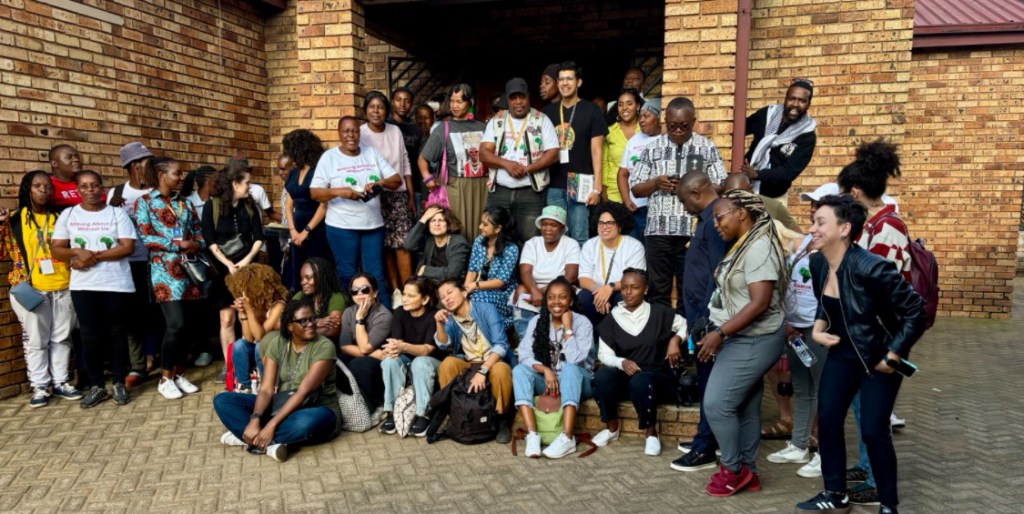
Our recent Africa tour, encompassing visits to Senegal, Kenya, South Africa, and Namibia, provided invaluable insights into the diverse challenges and opportunities present in these countries. These experiences have not only deepened our understanding but also highlighted areas where we can enhance our strategies, partnership and interventions to better serve our mission.

Senegal: A Beacon of Democratic Resilience

In Senegal, the vibrant civil society and youth movements have played a crucial role in upholding democratic values. The peaceful transition of power to President Bassirou Diomaye Faye, Africa’s youngest democratically elected leader, exemplifies the nation’s commitment to constitutionalism. Movements like Y’en a Marre have mobilized citizens, especially the youth, to demand accountability and transparency from their leaders. This active civic engagement has been instrumental in fostering a political environment where democracy can thrive.

On women political participation: despite a progressive legal framework, implementation challenges and persistent patriarchal norms in Senegal reflect common realities across Africa. Our discussions emphasized practical support for women politicians, direct advocacy, and critical evaluations of international funding mechanisms for gender equity. The Senegalese experience underscores the necessity for targeted, substantive empowerment initiatives rather than merely symbolic actions.

Kenya: Harnessing Innovation for Social Justice

Kenya’s dynamic youth population is leveraging technology and innovation to address societal challenges. Our Ideas Festival in Nairobi showcased how young entrepreneurs and activists are creating solutions that promote rights, equity, and justice. Initiatives focusing on digital inclusion, environmental sustainability, and social entrepreneurship highlight the potential of youth-led innovation in driving systemic change.

South Africa: Confronting Historical Inequities

South Africa’s journey towards social justice is marked by efforts to address the lingering effects of apartheid. The nation’s complex landscape includes tackling issues of land redistribution, economic disparities, and systemic racism. South Africa reaches three decades of democracy, marked by the end of apartheid and the rise of the African National Congress (ANC). Yet, this period is not celebrated unanimously. While the advent of democracy signaled hope and equity, many comrades cited the erosion of trust in public institutions as democracy’s core crisis. Corruption, nepotism, and government inefficiency have fostered deep-rooted cynicism. Civil society organizations and grassroots movements are at the forefront, advocating for policies that promote inclusivity and rectify historical injustices. These efforts are crucial in building a more equitable society

Namibia: Reimagining Participation and Transformation

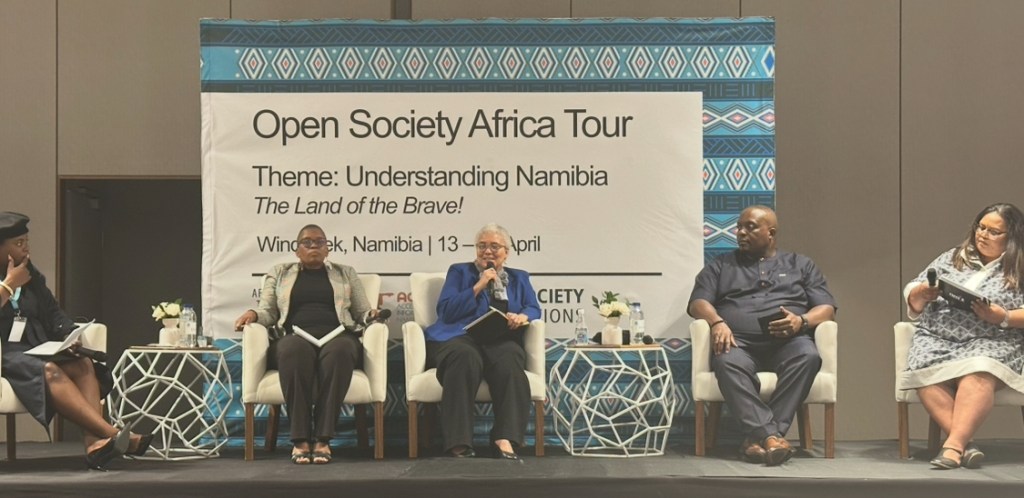
In Namibia, the emphasis on community engagement and participatory governance is reshaping the nation’s approach to development. Youth leaders and civil society actors are advocating for structural reforms that address economic challenges and promote social inclusion. The focus on reimagining justice and participation reflects a commitment to transformative change that resonates with the broader goals of sustainable development. Namibia stands at an important crossroads. The election of a female president and vice president has symbolized a profound shift, sparking renewed optimism, particularly among women and youth. A central theme throughout our interactions was the complex interplay between forgiveness, reconciliation, and reparations for colonialism and apartheid and most importantly for the 1904–1908 genocide by the Germans. Also, the complexity of tribal identity in Namibia emerged consistently during our discussions.

So What? Connecting the Dots: Lessons from Across the Continent

Drawing from this learning visits it’s evident that while each nation faces unique challenges, there are shared themes of youth empowerment, innovation, and the pursuit of justice that resonate across borders. These experiences also underscore the importance of contextualized approaches to development and governance in Africa.

Local Contexts for Effective Interventions: One of the key takeaways from our tour is the paramount importance of tailoring our approaches to the unique socio-political landscapes of each country. Recognizing and supporting such local dynamics can amplify our impact and ensure that our initiatives resonate with the communities we aim to serve.

Youth Engagement and Innovation: Across the countries visited, the energy and innovation of young people stood out as a driving force for change. In Kenya, youth-led initiatives are leveraging technology to address societal challenges, while in South Africa and Namibia, young activists are at the forefront of movements for social justice and economic equity. By investing in youth-led organizations and creating platforms for their voices, we can harness this momentum to drive sustainable change.

Partnerships: The tour underscored the value of building robust partnerships with local organizations, governments, and other stakeholders. Collaborative efforts can lead to more comprehensive and effective solutions. By fostering such collaborations, we can pool resources, share expertise, and create synergies that enhance the reach and efficacy of our programs.

Accountability and Transparency emerged as recurring themes during our visits. Communities expressed the need for greater openness in governance and the importance of holding institutions accountable. In response, OSF can intensify its support for initiatives that promote transparency, such as civic education programs, watchdog organizations, and platforms that facilitate citizen engagement in governance processes.

Adapting to Evolving Challenges: The dynamic nature of the challenges faced by African countries necessitates a flexible and responsive approach. Issues such as climate change, economic disparities, and political instability require adaptive strategies that can evolve with changing circumstances. OSF’s commitment to continuous learning and adaptation will be crucial in addressing these complex and interlinked issues effectively.

The Africa tour has been a transformative journey, offering profound insights into the resilience, creativity, and aspirations of the communities we serve. By integrating these lessons into our work, OSF can refine its strategies, deepen its impact, and continue to champion the values of justice, equity, and human rights across the continent. Our commitment to supporting open societies remains unwavering, and we are inspired to forge ahead with renewed vigor and purpose.

On a personal level, although I have been with OSF for only four months, the Africa Tour was an extraordinary opportunity to connect with a wide network of brilliant colleagues from across the globe, connections that would have otherwise taken years to build.

Conclusion:

The diverse experiences of these four countries highlight the importance of localized strategies that empower citizens, particularly the youth, to take active roles in shaping their societies. By fostering environments that encourage innovation, uphold democratic principles, and address historical and systemic inequities, African nations can pave the way for a more just and equitable future. Collaboration, both within and across borders, will be key in realizing this vision.

For more detailed reflections on each of these 4 learning visits, please refer to the following articles.

Désiré Assogbavi is an Advocacy Advisor at the Open Society Foundations. He is a jurist, policy & political analyst, and international development expert.

Navigating South Africa’s Complex Landscape

Politics, Economics, and Geopolitical Repositioning

“Amandla! Aweetu!” (“Power to the people!”).

This slogan resonating deeply through South Africa’s history echoed throughout our Open Society Foundation Team Learning Tour in Johannesburg this week. Over a few days of rich interaction with community leaders, political analysts, activists, and ordinary citizens, one thing became clear: the struggle for genuine freedom and dignity in South Africa is far from over.

South African Democracy at 30: Gains and Pains

South Africa reaches three decades of democracy, marked by the end of apartheid and the rise of the African National Congress (ANC). Yet, this period is not celebrated unanimously.

As we engaged with local experts, social activists and ordinary citizens this pressing question emerged repeatedly: “Can we truly say we are free today?” Alarmingly, many South Africans we encountered felt democracy’s dividends remain elusive, summarizing their experiences by stating, “30 years of democracy have been painful, paid for in blood.”

While the advent of democracy signaled hope and equity, many comrades cited the erosion of trust in public institutions as democracy’s core crisis. Corruption, nepotism, and government inefficiency have fostered deep-rooted cynicism. One of the political experts we met, pointed out that liberation movements in Southern Africa are witnessing dramatic declines in public support precisely because they failed to deliver on their democratic promises. South Africa is no exception, with the ANC’s electoral dominance notably declining in recent years.

From Chains to Change: Our Inspiring Journey at South Africa’s Constitutional Court

Our visit to South Africa’s Constitutional Court as part of our Learning Tour was deeply moving; a reminder of how far this country has journeyed. More than just a court of law, the Constitutional Court is a living testament to South Africa’s courageous transformation from the shadows of apartheid to the light of democracy.

Built on the grounds of a former prison where countless men and women were unjustly imprisoned for their political beliefs or simply because of their race, the Constitutional Court stands today as a powerful symbol of redemption and resilience. Its walls, crafted from the very red bricks that once enclosed prisoners, represent a profound act of reclaiming pain, transforming it into purpose, and embracing the lessons of history to shape a brighter future.

Holding our meetings at Constitution Hill reinforced our belief in justice; not merely as a principle to uphold, but as a profound human experience to embody. This space remains a beacon of hope, dignity, and strength, reminding us that true justice must not only be delivered; it must be felt, deeply and unambiguously, by every citizen.

Coalition Politics and New Agendas

Amid declining single-party dominance, South Africa is increasingly governed by coalitions. Experts we engaged with noted that coalitions, while turbulent, also present unique opportunities for the voices of marginalized communities and social movements to influence policy agendas.

Yet, despite this opportunity, coalitions are still dominated by elites. “Even in coalitions, governments are still governments of elites”: said one of the invited experts. For social movements to effectively influence policies, they must become key stakeholders rather than merely beneficiaries of political gestures.

South African Economy: A Story of Unfulfilled Promises and Deepening Inequality

The economic realities we witnessed in South Africa underscore a troubling stagnation, sharply divided along racial and social lines. Today, over half of South Africans, more than 30 million people, live in poverty, struggling daily with food insecurity and inadequate housing. Youth unemployment escalated from 36.8% in 2014 to 45.5% in 2024, but this figure skyrockets to nearly 70% among black youth, who continue to bear the brunt of economic exclusion.

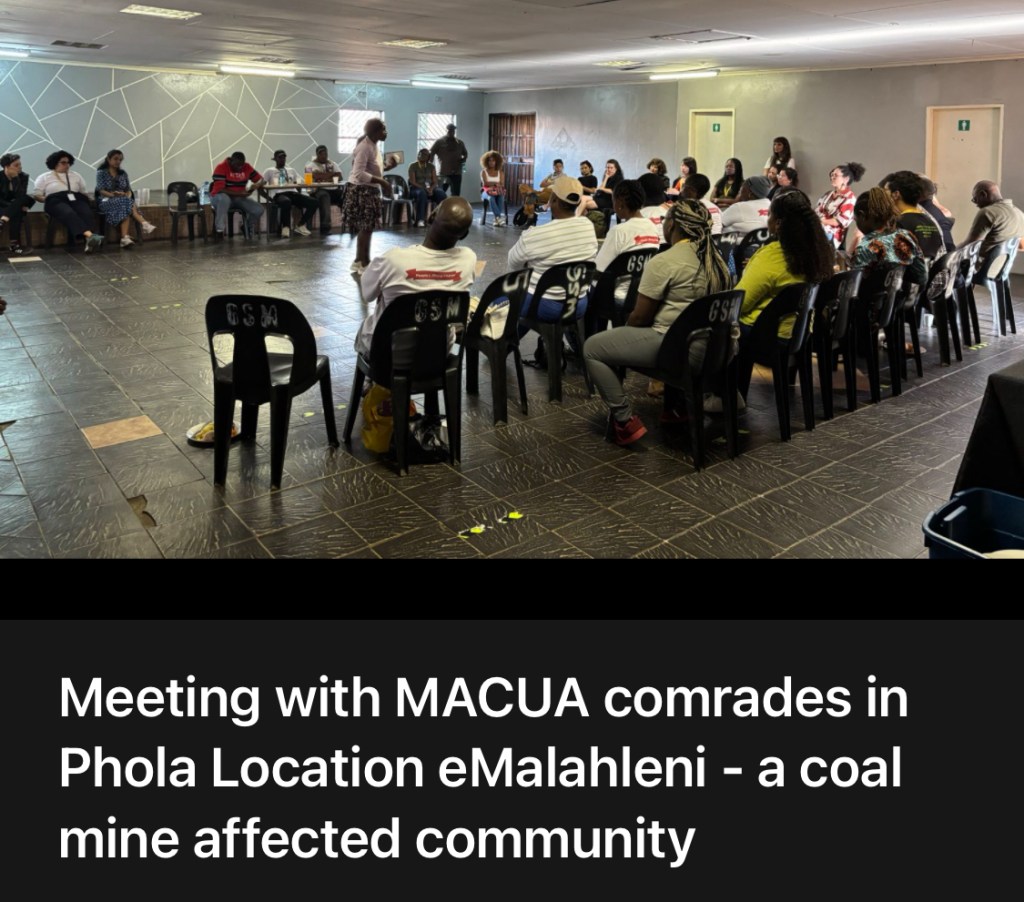
Townships like Phola in eMalahleni, Mpumalanga Province, are surrounded by mines exploitations and power plants, yet residents suffer regular power outages and water shortages. Local hospitals and clinics, often under-resourced and overcrowded, fail to adequately serve communities battling chronic illnesses caused by pollution and poor sanitation.

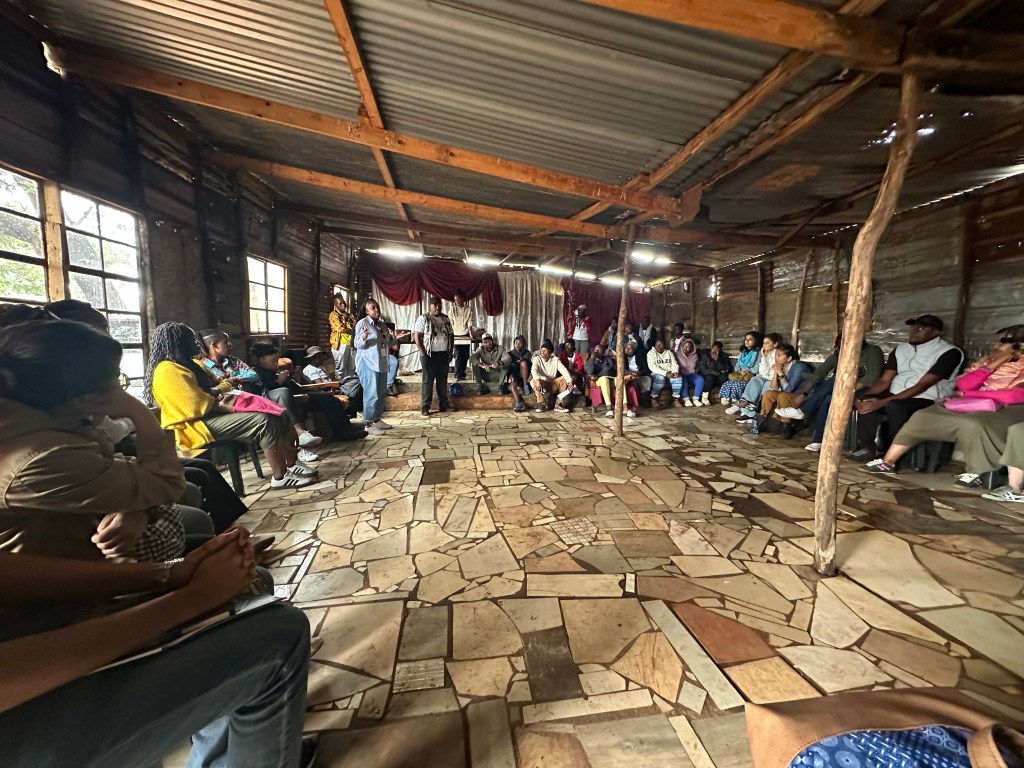
During our visit to coal-affected communities in Mpumalanga, residents expressed deep concerns regarding government’s proposed “just energy transition.” Community members expressed fears over employment instability. Coal mining currently sustains thousands of jobs in the region; however, transitioning to renewable sectors such as solar energy might drastically reduce available employment. Residents highlighted specific anxieties about job numbers, noting that while mines employ large workforces, proposed solar projects might offer only a handful of positions. This stark contrast underscores their apprehension about economic security and stability.

Additionally, communities raised significant issues around engagement and information-sharing. They felt largely excluded from discussions shaping their future, with critical details about the energy transition rarely reaching beyond small groups. The harsh realities were voiced clearly by a young leader in Phola who sharply criticized plans for a transition from coal to hydrogen energy. He described the proposed “just transition” as “a scam,” arguing passionately that such policies exclude local communities, who fear even higher levels of unemployment and deeper poverty.

Community skepticism was fueled not by resistance to scientific change but by a historical mistrust rooted in persistent structural injustices and exploitation. Residents emphasized that meaningful participation, genuine transparency, and clear communication from authorities are crucial for any transition to be truly “just” and inclusive.

Progress Amidst Inequality: Foundations of South Africa’s Post-Apartheid Development

Despite significant ongoing challenges, South Africa has made notable strides in economic and social development since the end of apartheid. The mining sector, historically pivotal, laid the foundations for the country’s modern economy, facilitating important regional economic linkages through remittances and industrial supply chains. Revenue generated from mining and related industries has enabled substantial public investments, notably in social protection programs such as social grants, which support millions of vulnerable South Africans. Additionally, progress has been made in expanding basic infrastructure, improving access to health services, education, water, and electricity for large segments of the population previously excluded from such essential services. Although these systems currently face considerable strain, their establishment represents meaningful advancements towards social equity and economic inclusivity.

Supporting Social Movements: The Power of People

Social movements represent the real heartbeat of South Africa’s democratic potential. Organizations such as MACUA (Mining Affected Communities United in Action), a nationwide radical network, highlight this power strongly. MACUA is driving grassroots resistance to exploitation by mining corporations, challenging corruption, and pushing for accountability in community consultations.

Our discussions with MACUA representatives stressed the importance of authentic partnerships with social movements. As articulated by activist leaders: “We want partners to walk side by side with us, not ahead of us.”

They further urge partner to:

  •  Invest in building community capacity to advocate autonomously for their rights.
  • Facilitate platforms where marginalized community voices inform policy decisions, especially regarding environmental justice and economic transitions.

Their powerful stance reflects a broader desire for autonomy, dignity, and effective participation in decision-making processes.

Land, Justice, and Economic Reform: Reclaiming Dignity

One of our resource persons, brought our attention to the enduring challenge of land justice; calling landlessness an engineered crisis born of centuries of settler colonialism. The prolonged legacy sees up to 72% land ownership still concentrated within a small white minority, causing indignity for millions.

The absence of meaningful economic reform further entrenches inequality. South Africa, once heavily reliant on mining, has struggled to diversify and democratize its economic base. Advocates demand comprehensive policies geared toward economic redistribution and genuine transformation, insisting that “Land reform has become land management; what we need is land justice.”

The way Forward: Inclusive Prosperity

Our learning tour crystallized a critical realization: South Africa is at a crossroads. Coalition politics, economic diversification, just energy transitions, and geopolitical repositioning must be leveraged to genuinely include marginalized communities. Unity governance cannot be superficial; it must empower communities, enabling them to reclaim their agency and dignity.

The journey towards genuine democracy and sustainable development in South Africa continues. As we concluded our visit, reflecting on diverse narratives shared with us, it became clear that South Africa’s future rests not only in policy frameworks or electoral politics but fundamentally in the strength and resilience of its people and their persistent struggle for a truly inclusive, just, and prosperous society.

Amandla! Aweetu! Power indeed belongs to the people.