Par: Chukwuemeka B. Eze, Désiré Assogbavi et Malick Fall.
Le 28 mai prochain CEDEAO fêtera ses 50 ans d’existence. Au cours de ses cinq décennies, à côté de ses avancées visibles, le bloc sous-régional a fait face à des défis pour institutionnaliser les valeurs démocratiques, l’intégration et le développement.
Avec deux de mes collègues nous venons de publier une réflexion sur les mythes et réalités animant le fonctionnement de notre regroupement régional avec des recommandations pour l’améliorer.
Le 28 mai 2025, la Communauté économique des États de l’Afrique de l’Ouest (CEDEAO) célébrera son 50ᵉ anniversaire. Depuis cinq décennies, la CEDEAO a relevé des défis complexes tout en institutionnalisant des valeurs démocratiques, en favorisant l’intégration régionale et en promouvant le développement économique.
Malgré de nombreux obstacles, elle s’est imposée comme une force régionale majeure en Afrique et sur la scène internationale.
Les experts reconnaissent que la CEDEAO a dépassé les attentes de ses pères fondateurs. Avec un PIB combiné de 630 milliards de dollars, l’organisation est aujourd’hui la 21ᵉ économie mondiale. Elle ambitionne une région sans frontières où les citoyens bénéficient de la libre circulation, d’un meilleur accès aux ressources, à l’éducation et aux soins de santé, ainsi que d’opportunités économiques dans un environnement pacifique et sécurisé.
Damtien Tchintchibidja, vice-présidente de la Commission de la CEDEAO, a souligné les progrès réalisés dans la distribution d’énergie, la sécurité alimentaire et le développement du capital humain. En outre, la CEDEAO s’est activement engagée dans la lutte contre l’extrémisme violent et la criminalité transnationale, affirmant ainsi son engagement en faveur de la stabilité régionale.
Le Dr Mohamed Ibn Chambas a mis en avant la force de la CEDEAO en tant qu’organisation supranationale, soulignant l’importance du respect de ses protocoles, notamment ceux relatifs à la libre circulation des personnes et des biens ainsi qu’à la gouvernance démocratique. De son côté, l’ambassadeur Musa Fatau a insisté sur le fait que la coopération multilatérale au sein de la CEDEAO reste essentielle à la croissance économique des États membres. Toutefois, des défis tels que les barrières commerciales, la corruption et l’inefficacité des contrôles frontaliers continuent de limiter le plein potentiel de l’organisation.
2. Réalités actuelles
Bien que la CEDEAO ait accompli des avancées notables, elle est encore confrontée à des problèmes structurels tels que la pauvreté, la corruption et les lacunes en matière de gouvernance. La fragilité des institutions étatiques, les tensions ethniques et la marginalisation ont alimenté des conflits et de l’instabilité. De plus, la CEDEAO fait face à des menaces transnationales, notamment le terrorisme, les crimes organisés, les pandémies et les impacts du changement climatique, rendant l’intégration régionale et les efforts de sécurité encore plus complexes.
Malgré une période de relative stabilité, les récents coups d’État au Mali, en Guinée, au Niger et au Burkina Faso ont ravivé les inquiétudes quant à un recul démocratique. Dans certains cas, le soutien populaire aux juntes militaires traduit une profonde frustration face à l’inefficacité des systèmes démocratiques et à la mauvaise gouvernance.
Face aux crises récentes, la CEDEAO a adopté des mesures diplomatiques et économiques strictes. Cependant, la suspension puis le retrait du Mali, du Burkina Faso et du Niger après la création de l’Alliance des États du Sahel (AES) soulignent la nécessité d’améliorer les stratégies de résolution des conflits.
3. Entre mythes et réalités
La CEDEAO est souvent perçue comme fortement influencée par des acteurs extérieurs tels que la France, l’Union européenne et les institutions financières internationales. Cette dépendance alimente des craintes que l’organisation privilégie les intérêts étrangers au détriment de ceux de ses États membres et de ses populations. En outre, l’exigence de consensus dans la prise de décisions entraîne souvent des retards dans la mise en œuvre de ces decisions et/ou les affaiblit, comme en témoigne le report de la mise en place de la monnaie unique ECO ainsi que les réformes institutionnelles non abouties.
Le système d’alerte précoce de la CEDEAO, conçu pour détecter et répondre aux menaces en amont, a montré ses limites dans la prévention des crises. De plus, si l’organisation s’est distinguée dans le maintien de la paix, les investissements dans la consolidation de la paix et la reconstruction post-conflit restent insuffisants.
La primauté accordée par certains États membres à leur souveraineté nationale sur leurs engagements régionaux continue de freiner la mise en œuvre des protocoles et accords de la CEDEAO. Cette tension affaiblit sa capacité à prendre des décisions efficaces en matière de sécurité, d’économie et de gouvernance démocratique.
4. Recommandations pour l’avenir
Pour concrétiser sa vision d’une Afrique de l’Ouest prospère et stable, la CEDEAO doit :
• Améliorer sa réponse aux crises : renforcer les liens entre les systèmes d’alerte précoce et les mécanismes de gestion des crises afin de s’assurer des interventions rapides et efficaces.
• Renforcer la diplomatie stratégique : développer des stratégies diplomatiques plus efficaces pour gérer les relations avec les régimes militaires et une meilleure médiation lors des crises politiques.
• Consolider la gouvernance et la démocratie : mettre en place des mesures plus strictes contre le phénomène du « 3ème mandat » (tentatives de prolongation des mandats présidentiels) et renforcer les institutions électorales pour garantir des élections libres et crédibles.
• Investir dans la consolidation de la paix et la reconstruction : privilégier la consolidation de la paix plutôt que le simple maintien de la paix, en s’attaquant aux causes profondes des conflits et en garantissant une stabilité durable.
• Renforcer l’engagement de la société civile : approfondir les partenariats avec les organisations de la société civile, les mouvements à la base et les acteurs locaux pour promouvoir un développement régional inclusif.
• Réformer les partenariats avec les acteurs extérieurs : redéfinir les cadres de coopération avec l’UA, l’ONU, l’UE et d’autres partenaires pour assurer un respect mutuel, un alignement stratégique et une meilleure coordination.
• Créer une force de défense régionale : développer un cadre de sécurité cohérent, inspiré du modèle de l’OTAN, pour mieux répondre aux menaces régionales et renforcer la stabilité.
• Accélérer l’intégration économique : accélérer la mise en place de la monnaie unique ECO en veillant au respect des critères de convergence, tels que le maintien de l’inflation en dessous de 10 % et d’un ratio dette/PIB inférieur à 70 %.
• Renforcer les capacités financières et institutionnelles : consolider les ressources financières et le cadre de gouvernance de la CEDEAO pour améliorer son efficacité et attirer les investissements.
5. Conclusion
Le 50ᵉ anniversaire de la CEDEAO constitue une occasion unique de faire le bilan des réalisations passées, de relever les défis persistants et de définir une trajectoire stratégique pour l’avenir. En renforçant la collaboration entre les gouvernements, la société civile et les acteurs régionaux, la CEDEAO peut concrétiser son ambition de bâtir une communauté ouest-africaine stable, prospère et inclusive. La mise en œuvre de réformes axées sur la gouvernance démocratique, l’intégration économique et la sécurité régionale garantira que la CEDEAO demeure un acteur puissant pour la paix et le développement dans les décennies à venir.
My 7-Point Forecasts and Analysis of the Continent’s Political, Social, and Economic Landscapes.
We have just entered 2025! As we move into the mid-2020s, several indicators suggest that Africa is on the verge of a transformative era, provided the continent is effectively managed and stakeholders make the right choices. However, the year 2025—and likely the years to follow—also presents a range of challenges and uncertainties.
As I always do at the beginning of each year, I would like to share some reflections on the major opportunities and challenges our continent, its people, and institutions may face in 2025 and beyond. I will also share key upcoming/influencing moments to prepare for.
Inequality, conflicts and insecurity, youth and unemployment, migration, debt, development financing, electoral democracy, civic space, free movement of people, China, the BRICS, the new Trump presidency, etc. will occupy the policy and political debates and the daily life of Africans. Africans will expect much from the African Union with its new leadership and its so-called improved structure for a faster implementation of the Agenda 2063. Still, the regional economic communities will have increased responsibilities as they continue their difficult discussion on their scope of intervention, subsidiarity, and complementarity with the continental body.
With its 54 countries (55 AU member states) rich in diversity, culture, and resources, the continent will be playing an increasingly pivotal role in the global landscape.
Politically, Africa will continue witnessing waves of movements and civic engagements, mostly by young people demanding reforms, accountability, better governance, and better life conditions. In many countries, leaders will continue struggling to navigate pressing domestic demands and international pressures.
Socially, with a population expected to reach 1.5 billion in 2025, the youth bulge presents both opportunities and challenges. Employment will be a critical area of focus as young people demand opportunities to fulfill their potential. Additionally, issues related to social justice and human rights will continue to resonate.
Economically, Africa will need to speed on capitalizing on its immense potential to drive growth and innovation. The continent is rich in the most needed natural resources today. The deployment of the African Continental Free Trade Area (AfCFTA) represents a significant step towards economic integration and collaboration. 2025 may bring more progress in implementing the AfCFTA as African nations understand the importance of diversifying their economies and reducing dependency on external markets.
In 2025, African countries will enhance green mineral processing fueled by the aspirations to maximize the benefits of the extractive industries and leverage robust renewable energy resources. Mineral-rich countries will seek new partnerships to advance their value-addition objectives. This trend needs to be supported.
Given the ongoing global geopolitical trends, African countries will likely enhance their positions and secure more representation in global platforms, with the South African presidency of the G20, the African Union’s full membership of the group, as well as the inclusion of Ethiopia and Egypt in the BRICS.
Tensions between France and Francophone African countries that started with Mali, Niger, and Burkina Faso will likely escalate as more francophone countries reassess their historical ties with the former colonial power. As global power dynamics evolve, many Francophone African countries are increasingly looking toward new partners beyond France, including China, Russia, and other emerging economies seeking alternative pathways for development, trade, and security, leading to a gradual disillusionment with France as the primary partner.
Pressed by various actors, South Africa’s G20 Presidency launched a Cost of Capital Commission to investigate factors hindering low- and middle-income countries from accessing affordable capital. South Africa’s presidency presents a unique opportunity to enhance the continent’s development priorities on the global stage. The debt crisis in developing countries has escalated to critical levels. In Africa, public debt soared by 240% between 2008 and 2022, resulting in many nations allocating more resources to debt interest payments than to healthcare. This scenario hampers their capacity to invest in sustainable development and climate resilience.
By examining the trends, challenges, and opportunities that lie ahead, my aim in sharing these analyses at the beginning of the years has always been to provide a roadmap for policymakers, CSOs, philanthropies, businesses, and other stakeholders to navigate the complexities of Africa’s evolving landscape.
1/ Economic Growth, Inequality, and Poverty
Despite some economic growth and impressive resilience, Africa’s structural transformation will likely still be inconsistent in 2025.
According to the African Development Bank, growth in Africa is expected to increase only to around 4.3 percent in 2025. But given that economic growth does not automatically and immediately impact poverty reduction, the continent’s most challenging task is to ensure that the products of growth are distributed fairly and that they are no longer used to widen the gap between rich and poor, knowing that this is an important source of conflict.
Africa now has good reasons to invest in modernized agriculture, encourage and sustain productivity, and, of course, increase cultivable lands. This will have the threefold advantage of meeting the food needs of our people, creating jobs, and diversifying the economy. It will also promote regional trade among African countries, taking all the advantages from the AfCFTA.
Funding challenges will remain as African governments continue to face financing shortages, high borrowing costs, and looming debt repayments. To adapt to these challenges, in addition to the urgent need to reform the Global Financial Architecture, African countries should deploy internal structural reforms to diversify funding sources and their economies. The fight against illicit financial flows (IFF) should be intensified, as progress here will catalyze more fiscal space for governments.
Trade/AGOA: As the African Growth and Opportunity Act (AGOA) approaches its expiration in September 2025, the uncertainty regarding its renewal presents significant challenges for investment in key sectors like textiles, agriculture, and the automotive industry. AGOA has played a crucial role in facilitating trade and economic development between the United States and eligible sub-Saharan African countries by providing duty-free access to U.S. markets for a range of goods. However, as negotiations around its renewal progress, it is essential for the continent to secure a better deal. So, should AGOA renewal be placed on the agenda, the African side should advocate for a comprehensive review and enhancement of the agreement to ensure its effectiveness in the current landscape, particularly in light of the establishment of the African Continental Free Trade Area (AfCFTA). Here are key elements to consider:
Alignment of Trade Policy, including harmonizing regulations and standards across the participating countries to facilitate smoother trade flows between U.S. and African markets
Regional Value Chains to promote the development of regional value chains in Africa, allowing countries to collaborate on producing goods that meet AGOA requirements while leveraging the strengths and resources of multiple countries within the AfCFTA framework.
Specific Support for SMEs and Startups: Both AGOA and AfCFTA seek to foster inclusive economic growth, and reforms could include dedicated support for small and medium-sized enterprises (SMEs). Creating programs that assist SMEs in meeting export standards and accessing financing would bolster their capabilities to participate in global trade.
Trade Facilitation Initiatives: Integrating trade facilitation measures from AfCFTA into AGOA can streamline customs procedures and reduce trade barriers. This could include the adoption of technology in customs operations and cross-border trade facilitation measures that are consistent with AfCFTA protocols. Revisions to AGOA could also encourage partnerships between U.S. firms and African businesses participating in AfCFTA. Such collaborations can drive investment, innovation, and technology transfer, ultimately benefiting both economies.
2/ African Union Theme of 2025: “Justice for Africans and People of African Descent Through Reparations”
Reparations, encompassing reparatory justice for historical crimes and mass atrocities committed against Africans and people of African descent, have consistently been integral to the full decolonization process advocated by the then Organization of African Unity (OAU) and now the African Union (AU) since its establishment in 1963. Over the past three decades, the African Union has made numerous decisions and supported initiatives aimed at championing justice and advocating for reparations to Africans. It has also focused on the restitution of cultural artifacts, relics, and heritage that were pillaged during colonization and enslavement, working toward returning these items to the African countries from which they were taken. The Assembly of the Union decided that the theme of the Year for 2025 will be ‘‘Justice for Africans and People of African Descent Through Reparations.’’. Leaders have also designated the reparations for transatlantic enslavement, colonialism, and apartheid as a Flagship Issue and Project of the Union.
To enhance advocacy for an African common position on reparations and forge a united front on reparations for Global Africa, President Nana Akufo-Addo of Ghana was appointed as the African Union Leader on Advancing the Cause of Justice and Payment of Reparations to Africans. This appointment may be transferred to the new president of Ghana, John Mahama.
The upcoming AU Summit in February 2025 will likely adopt a roadmap for implementing the theme on the continent and in the diaspora.
3/ Human Rights, Governance and Electoral Democracy: Unfinished Business
Liberties and freedoms, civic and democratic space, justice, and the protection of civilians are still in trouble on the continent, mostly because regional and continental institutions remain silent.
Africa must also find a way out of the vicious circle of election credibility and the needed political alternation in power. Without this, our continent will continue its progressive descent into hell, thus undermining any prospect of economic development.
Change at the helm of power is a crucial aspect of the democratic game, particularly in contexts where institutions remain weak, and the electoral system is susceptible to manipulation. We need to keep discussing the issue of limiting presidential terms, as this is often the only effective way to remove leaders who persistently cling to power in the context of flawed elections. Currently, only a handful of African countries exemplify this democratic principle, including Ghana, Senegal, Botswana, and South Africa.
4/The African Union: A New Start?
The current leadership of the African Union Commission will be largely renewed during the February 2025 Summit. The current Chairperson, Moussa Faki from Chad, the Deputy Chairperson, Dr. Monique Nsanzabaganwa from Rwanda, and most of the commissioners should hand over power to newly elected officials for a four-year term.
In addition, Angolan President João Lourenço is likely to be appointed Chairperson of the AU for 2025 to replace the Mauritanian Mohamed Ould Ghazouani.
Angolan diplomacy, historically engaged in resolving continental conflicts, particularly in the Central African Republic and the Great Lakes region, has a golden opportunity to impact the continent.
President João Lourenço has several advantages. First, his role as a mediator between the Democratic Republic of Congo and Rwanda, to help end the conflict between the two neighboring countries provides him with experience and credibility. Second, his ability to maintain good relations with global powers—such as the United States, China, Russia, and the European Union—as well as with regional leaders, including India, Brazil, and South Africa, is essential for ensuring that Africa is given a greater presence in international forums.
5/ Peace and Security:
Peace and security remain a serious prerequisite for the continent’s development and progress and the well-being of its people.
Africa has not made enough progress in this area in recent years. In many cases, such as in Sudan, our institutions have not acted seriously on early warning signs that were quite visible. What our regional institutions need are courage and the political will to cut with old methods. For example, the leadership of the African Union Commission must be able to speak out loudly whenever national leaders are violating our shared values and challenge them. That is why we need strong and audible leaders at the AU Commission.
The current state of conflict on the African continent is marked by complex and interlinked dynamics. Major conflict situations are interconnected with sub-national issues across the five geographical regions, resulting in conflicts that are either spreading into new areas, involving an increasing number of actors, witnessing a rise in fatalities, or deteriorating overall due to the escalation of their root causes.
Regional crises will continue impeding development efforts. Wars, armed conflicts, and extreme weather conditions have forced millions to flee their homes.
As reported by the Internal Displacement Monitoring Centre (IDMC), approximately 35 million Africans were living as refugees or displaced persons within their own countries at the end of 2024.
Additionally, the convergence of global megatrends such as climate change, energy transition, and migration intensifies the already intricate conflict landscape in Africa. Climate change poses a significant threat to the continent, manifesting in rising temperatures, altered weather patterns, and environmental degradation. These challenges jeopardize agricultural productivity and food security while exacerbating existing regional vulnerabilities.
The ongoing shift toward cleaner and more sustainable energy sources offers both potential benefits and challenges for Africa. While this transition can help reduce carbon emissions and combat climate change, it necessitates considerable investment and infrastructure development. The lack of reliable energy access further deepens inequalities and can lead to social unrest.
At present, each region of Africa faces a distinct combination of these challenges, greatly influencing the continent’s conflict-related security landscape in unique ways.
Major Conflicts & Risky Situations to Watch Closely in Africa
In 2025, Africa will still have to manage the following hot spots:
Sudan: Sudan continues to face internal conflicts and political instability. I hoped that Sudan’s civil war would come to an end in 2024. Unfortunately, international mediation efforts have not succeeded. With ongoing support from foreign backers, the Sudanese Armed Forces (SAF) and the Rapid Support Forces (RSF) have resumed intense fighting in Khartoum, Al Jazirah State, and around Al Fashir in Darfur. In December, the Sudanese government accused Chad of having authorized the firing of Emirati drones from its soil and towards Sudan. The army, which is fighting the rebels of the Rapid Support Forces (RSF) of Mohamed Hamdan Daglo, known as Hemetti, now believes that N’Djamena is, through an alliance with the United Arab Emirates, directly engaged against it in the civil war, and in particular in the Darfur region. Looking ahead to 2025, international mediation efforts will advance little unless the current stalemate is resolved.
Sahel Region: Over the last decade, the region has been shaken by extremist uprisings and military coups. Three Sahelian nations, Mali, Niger, and Burkina Faso, are now ruled by military leaders who have taken power by force on the pledge of providing more security to citizens. The Security crisis is complex, and the situation is worsening with record numbers of attacks and civilians killed both by Islamic fighters and government forces.
Ethiopia: Ethiopia has been grappling with various conflicts, notably the conflict in the Tigray region, where fighting between the Tigray People’s Liberation Front (TPLF) and government forces has led to a humanitarian crisis, including mass displacement and reports of human rights abuses. Ethnic tensions and unresolved grievances in other parts of the country also contribute to the ongoing conflict.
DRC: The Democratic Republic of Congo’s complex and long-standing conflict situation is a pending concern for the continent’s stability. Various armed conflicts, including clashes between rebel groups, inter-communal violence, and attacks by armed militias, have plagued the country. The conflicts are often fueled by competition over natural resources, such as minerals, leading to violence and instability in the region. The eastern part of the DRC, particularly in the provinces of Kivu, continues to be a hotspot for violence in the fight between the government and the Rwanda-backed rebel group M23. This is leading to widespread casualty and displacement of civilians, human rights abuses, and a humanitarian crisis.
Ethiopia and Egypt: Their relationship has been strained since 2011 when Ethiopia started building and filling the Great Ethiopian Renaissance Dam on the Blue Nile, a project that Egypt sees as a significant risk to its water and food security. The situation worsened further as Egypt strengthened its relationship with Ethiopia’s competitor, Somalia. In addition to sending troops, weaponry, and ammunition to Somalia, Egypt plans to conduct joint military exercises with the country. Egypt’s warming relationship with Somalia has raised concerns in Addis Ababa, as Ethiopia disagrees with Mogadishu over a maritime agreement that Ethiopia recently reached with Somaliland.
Silencing the Guns by 2030: Beyond the Slogan: Unfortunately, this campaign, with an initial deadline set for 2020 and then moved to 2030, remains a slogan without serious action to realize it by tackling the root causes of the conflicts.
Efforts to silence the guns must extend beyond rhetoric; it is essential to significantly enhance the capacity of African institutions to proactively prevent conflicts in a more comprehensive and timely manner rather than relying solely on reactive conflict resolution strategies.
Conflicts across the continent emerge from various structural vulnerabilities, including environmental challenges, competition for access to and the illegal extraction of natural resources, social unrest driven by poor and unaccountable governance, the proliferation of illicit small arms and light weapons, and the rise of religious radicalization.
6/Prioritizing Socioeconomic Development Over Military Solutions
Achieving sustainable peace in Africa necessitates addressing the root causes of conflicts, which are frequently tied to poverty, inequality, limited access to education, and social injustices. By prioritizing socio-economic development rather than military solutions, African countries can create a foundation for enduring peace and prosperity for their citizens. It is essential to invest in sectors capable of driving economic growth and generating opportunities for the youth. The continent can establish an environment conducive to long-term stability and prosperity by directing resources toward these areas and implementing supportive policies.
Agriculture, the backbone of many African economies, offers significant potential for stimulating economic growth and creating employment opportunities for young people. With its vast arable land and an expanding population, Africa can harness agriculture to enhance food security, increase job prospects, and foster sustainable development. By investing in modern farming techniques, expanding market access, and supporting smallholder farmers, the continent can unlock the full potential of its agricultural sector and empower youth in rural communities.
Adding Value to Africa’s Strategic Critical Mineral Resources
Many conflicts on the continent are driven by the exploitation of natural resources. Therefore, African nations must prioritize taking control of and adding value to these vital resources. The strategic minerals in Africa—such as gold, diamonds, cobalt, platinum, and rare earth elements—are crucial for modern industries, including technology, green energy, and infrastructure. However, the extraction and trade of these resources have frequently been plagued by corruption and exploitation, resulting in instability and human suffering in various regions. African countries must assert their sovereignty over their mineral resources to disrupt this cycle of conflict and foster sustainable peace. By establishing transparent and accountable governance systems, countries can prevent the illicit exploitation of their minerals and ensure equitable distribution of benefits among their citizens. This approach will not only address the root causes of conflicts but also promote economic development and social advancement.
Pan-African institutions must work together to enhance understanding of the challenges within the mining sector and align with the African Mining Vision (AMV) objectives. Accelerating research and data collection to identify the key obstacles hindering the implementation of the AMV is also important. The continent must invest in building the capacity of stakeholders in the mining sector to tackle these challenges effectively and encourage collaboration among industry participants, government agencies, and civil society to develop innovative solutions for sustainable mining growth.
National governments should be empowered to implement policies encouraging value addition to mineral and agricultural products.
7/Africa and the Rest of the World
Africa has everything to gain by continuing to diversify its economic partners. The spectacular positioning of China and other new partners in Africa has openly changed the balance of power with traditional partners and reoriented the African economy and development process. But the continent must keep its eyes wide open. Africa’s partnerships (old and new) must contribute to the realization of our agendas 2030 and 2063, and we must ensure that social, human rights and equity standards are absolutely respected in the pursuit of these partnerships. Non-state actors have a major watchdog role to play here.
I do not anticipate a significant emphasis on Africa policy from the incoming Trump administration. However, the United States cannot afford to overlook Africa, as the continent is at a critical juncture that presents numerous opportunities for both economic and diplomatic engagement. With a population approaching 1.5 billion and an economy that has shown resilience amid global challenges, Africa is emerging as a key player on the world stage.
Key Moments in 2025 (This section will be updated as new events are planned)
African Union Summit & election of new AU leadership: 12-16 February 2025
50th Anniversary of ECOWAS: The Economic Community of West African States will celebrate its fiftieth anniversary in May 2025, at a moment when three founding members—Mali, Burkina Faso, and Niger—announced their withdrawal from the organization in January 2023. They have declared their decision to be irrevocable, despite attempts at mediation, and have subsequently established a new entity known as the Alliance of Sahel States (AES). Their official withdrawal from ECOWAS is set to take effect on January 29, 2025, in accordance with the organization’s regulations. The 50th anniversary of ECOWAS offers an opportunity to rethink and improve the mandates and working methods of the subregional body.
The 4th International Conference on Financing for Development will be held in Seville, Spain, from 30 June to 3 July 2025. The conference will address new and emerging issues and the urgent need to fully implement the Sustainable Development Goals and support reform of the international financial architecture.
Elections: Unlike 2024, 2025 is expected to be more stable, with fewer major elections, mostly in Cameroon, Côte d’Ivoire, and Tanzania, along with the promised end of transition in Gabon and Guinea. Here is the election calendar for 2025 by EISA. Further analysis of Africa’s upcoming elections can be found here.
Artificial Intelligence Summit in Kigali: On April 3 and 4, 2025, Rwanda will host the first Global AI Summit in Africa in Kigali. This event is organized by the Centre for the Fourth Industrial Revolution in Rwanda and the World Economic Forum. With the belief that AI could contribute $2.9 trillion to the African economy by 2030, the summit aims to explore economic opportunities for the African workforce. It will bring together global leaders, government ministers, CEOs, civil society representatives, startups, investors, and international organizations to shape Africa’s role in the global AI economy.
COP, Women’s Rights: 2025 will also mark the 10th anniversary of the COP21 Paris Agreement on Climate Change and the Sustainable Development Goals and the 30th anniversary of the Beijing Declaration and Platform for Action on Women’s Rights.
Il y a une demande croissante et une urgence pour améliorer l’efficacité et la capacité des Nations Unies à maintenir la paix et la sécurité internationales. La configuration actuelle du Conseil de sécurité de l’ONU ne reflète pas les réalités géopolitiques d’aujourd’hui. Pour l’Afrique, en particulier, un continent de 1,4 milliard de personnes, avoir des sièges permanents à part entière au CSNU ne vise pas seulement à corriger une injustice historique, mais c’est aussi une question de légitimité et de crédibilité du Conseil.
Les États-Unis viennent d’annoncer leur soutien à la création de deux sièges permanents pour les États africains au Conseil de sécurité des Nations unies, mais ils ont exclu l’extension des Droits de Veto aux nouveaux membres permanents.
L’Afrique accepterait-elle cette offre ?
La position commune actuelle de l’Afrique, connue sous le nom de “Consensus d’Ezulwini“, appelle à deux sièges permanents avec toutes les prérogatives et privilèges de la qualité de membre permanent, y compris le droit de veto, et à cinq sièges non permanents.
Le Droit de Veto a historiquement entravé l’efficacité et l’équité du Conseil dans le traitement des questions de paix et de sécurité internationales. L’Afrique est donc, en principe, favorable à son abolition pour renforcer la fonctionnalité du Conseil. Cependant, si les États membres choisissent de maintenir le Veto, il devrait être étendu à tous les nouveaux membres permanents pour des raisons de justice et d’équité. La réforme du Conseil de sécurité devrait alors envisager soit l’absence du Veto pour tous, soit un Veto pour chaque membre permanent.
Il est donc peu probable que le continent accepte la proposition des États-Unis pour deux sièges permanents sans Droits de Veto. Dans le contexte actuel, une adhésion permanente des pays africains au Conseil sans Droit de Veto serait inutile et sans effet. Cela ressemblerait plutôt à un statut de “membres permanents de deuxième classe”. Certains analystes sur le continent le qualifient de statut ” d’observateurs permanents” au Conseil.
Quels pays peuvent représenter l’Afrique au Conseil de Sécurité ?
Malgré le fait que le Consensus d’Ezulwini stipule que l’Union africaine devrait être chargée de sélectionner les représentants de l’Afrique au Conseil, le continent n’a jusqu’à présent pas réussi à établir les critères de choix des deux candidats africains pour les sièges permanents parmi ses 55 États membres.
Les pays africains doivent s’engager dans un dialogue constructif et une collaboration pour établir des objectifs et critères communs pour le choix des représentants qui serviront au mieux les intérêts du continent.
Il serait important de prendre en compte des facteurs tels que la capacité, l’importance géopolitique, l’expérience diplomatique, la représentation régionale, l’engagement à respecter le droit international et les droits de l’homme, et la capacité à jouer efficacement dans ce système global complexe.
Devrait-on pousser les pays avec de vastes populations et/ou de grandes économies et capacités diplomatiques, comme le Nigeria, l’Égypte, l’Algerie, le Maroc, l’Éthiopie ou l’Afrique du Sud ? Devrait-on réserver un siège pour l’organe continental, l’Union africaine ? Sur ce dernier point, la difficulté sera que l’Union africaine est encore un organe purement intergouvernemental sans autorité supranational. Les États membres conservant leur souveraineté entière et leur pouvoir de décision, et l’UA agit uniquement comme un forum de coordination, de coopération et de consultation entre ses États membres. Le continent a un sérieux travail à faire à ce sujet.
Redevabilité
En délibérant sur sa représentation au CSNU, l’Union africaine doit également envisager de mettre en place un mécanisme de redevabilité pour ses représentants au Conseil de Sécurité . Nous savons comment les jeux de pouvoir, l’influence politique et la pression peuvent influencer les décisions et les votes aux Nations Unies. L’histoire récente nous rappelle qu’en 2011, les trois membres africains non permanents du Conseil de sécurité (Gabon, Nigeria, Afrique du Sud) ont soutenu la Résolution 1973 du CSNU, autorisant les actions militaires de l’OTAN en Libye, malgré les efforts continus de l’Union africaine pour trouver une solution pacifique à la crise. La résolution a été présentée par la France, le Royaume-Uni et le Liban.
Modifier la Charte des Nations Unies
Une modification de la Charte des Nations Unies serait nécessaire pour changer la composition du Conseil. L’article 108 de la Charte des Nations Unies dispose qu’une modification nécessite le soutien de tous les cinq membres permanents (P5) et la majorité des deux tiers des États membres de l’ONU à l’Assemblée générale. Ce ne sera certainement pas un processus facile.
Le prochain Sommet de l’Avenir, qui se tiendra en marge de l’Assemblée générale des Nations Unies, crée une opportunité supplémentaire pour corriger la gouvernance mondiale et de revitaliser le système multilatéral, y compris une réforme équitable du Conseil de sécurité de l’ONU qui prend en compte le besoin urgent de le rendre plus représentatif, inclusif, transparent, efficace, démocratique, crédible et responsable.
There is a growing demand and an urgency to increase the effectiveness of the United Nations’ abilities to maintain international peace and security. The current configuration of the UN Security Council does not reflect today’s geopolitical realities. For Africa, in particular, a continent of 1.4 billion people, having full permanent seats at the UNSC is not just about redressing a historical injustice. It is also a matter of legitimacy and credibility of the Council.
The current African common position, known as the “Ezulwini Consensus,” calls for two permanent seats with all the prerogatives and privileges of permanent membership, including the right of Veto, and five non-permanent seats.
The veto power has historically hindered the Council’s effectiveness and fairness in addressing global peace and security issues, so Africa is, in principle, in favor of its abolition to enhance the Council’s functionality. However, if member states opt to maintain the veto power, it should be extended to all new permanent members for the sake of fairness and justice. The UNSC reform should then consider either no Veto at all or a Veto for every permanent member.
So, it is unlikely that the continent will accept the United States proposal for two permanent seats without veto rights. Considering the current setting, a permanent membership of African countries at the UNSC without Veto Power is meaningless. It will look more like a “second-class” membership status. Some analysts in the continent see this status as a “Permanent Observer Membership” at the Council.
Which countries to represent Africa?
Despite the Ezulwini Consensus stipulating that the African Union should be responsible for selecting Africa’s representatives in the Security Council, the continent has so far been unable to establish the criteria for choosing the two African candidates for permanent seats among its 55 member states.
African countries must engage in constructive dialogue and collaboration to establish common goals and criteria for selecting representatives who will best serve the continent’s interests.
What factors should determine who represents the African continent? This process may involve considering factors such as capacity, geopolitical importance, diplomatic experience, regional representation, commitment to upholding international law and human rights, and the ability to play within this complex global system effectively.
Should the continent push countries with large populations and/or big economies and diplomatic capacity, such as Algeria, Nigeria, Egypt, Morocco, Ethiopia, or South Africa? Should a seat be reserved for the continental body, the African Union? On the latter, the difficulty will be that the African Union is still a purely intergovernmental body with no supranational authority. Member states maintain their sovereignty and decision-making power, and the AU only acts as a forum for coordination, cooperation, and consultation among its member states. The continent has serious homework to do on this.
Accountability
While deliberating on its representation, the African Union may also consider putting in place an accountability mechanism for its representatives at the UNSC. We know how proxy games, political influence, and pressure can impact decisions and votes at the United Nations. Recent history reminds us that in 2011, all three African non-permanent members of the Security Council (Gabon, Nigeria, South Africa) backed UNSC 1973, authorizing NATO’s military actions in Libya despite the African Union’s ongoing efforts to seek a peaceful solution to the crisis. The resolution was tabled by France, the UK, and Lebanon.
Going forwards…
An amendment to the UN Charter would be needed to change the composition of the Council. Article 108 of the UN Charter states that an amendment requires the support of all Permanent Five (P5) members and a two-thirds majority of UN member states in the General Assembly. This will surely not be an easy process.
The upcoming Summit of the Future, to be held on the margins of the UN General Assembly, creates an additional opportunity to correct global governance and reinvigorate the multilateral system, including a fair reform of the UN Security Council that recognizes the urgent need to make it more representative, inclusive, transparent, efficient, effective, democratic, credible, and accountable.
On 10 June 2024, I participated in the Spring Meeting of the Paris Peace Forum hosted by the prestigious Mohamed VI University in Benguerir, Morocco, under the theme “Fair Transition,” with highlights on 1/ climate and development, 2/ agriculture and nutrition, 4/ energy and transition minerals, and 4/ global health. The Forum has brought together governments, universities, research bodies, civil society, and the private sector.
In addition to participating in the general plenary discussions, I spoke alongside global heavyweight experts, politicians, academics, and practitioners at the launch of a new initiative called the Agricultural Transition Lab for African Solution (ATLAS).
ATLAS will advocate for a globally shared vision of a sustainable African agricultural transformation based on a better understanding of African needs, breaking away from North and South divides, and seeing agriculture and climate as partners rather than adversaries.
Here are my key takeaways from various sessions, group discussions, and bilateral engagements during the very packed day of the forum:
A green energy transition that meets the needs of developing countries and is paired with imperatives of poverty reduction.
The transition towards cleaner and more renewable energy sources should balance the well-being of the planet and the development and prosperity of poor people who contribute the least to environmental degradation. To tap into the existing abundant source of green energy, there is a need for heavy global solidarity. International partnerships and cooperation are essential in supporting Africa’s energy transition. By sharing knowledge and expertise, mobilizing financial resources, and fostering technology transfer, the global community can help accelerate the shift towards a more sustainable energy future for all.
Agriculture, food and nutrition
Agriculture and nutrition are indispensable prerequisites for Africa’s development journey.
African food security is key in the face of a rapidly growing population and the ever-growing threat of climate change: 60% of Africans face food insecurity, 61% of the African population lives on wages below $2/day, and 2/3 of arable land is at risk of desertification. There is an imperative to transform Africa’s agricultural sector into a dynamic, modern, and sustainable engine of growth. Agriculture remains the backbone of many African economies, employing a significant portion of the population and contributing substantially to GDP.
Investing in Africa’s agriculture should go beyond just increasing crop yields; it also entails fostering a holistic approach to food security/sovereignty and nutrition. As Africa seeks to chart a course towards sustainable development, it is imperative that agriculture and nutrition remain central to the continent’s agenda. From empowering smallholder farmers and agribusinesses to scaling up nutrition interventions and promoting dietary diversity, the possibilities for transformative change are vast and promising for the continent.
From extractives to wealth creation in Africa
African countries should move from exporting mineral resources to prioritizing value addition and industrialization to capture more of the value from these resources. Africa can boost job creation, foster innovation, and drive economic growth by processing raw materials locally and developing higher value-adding industries. This shift towards industrialization is integral to promoting sustainable development and reducing Africa’s traditional role as a mere supplier of raw materials.
Adding value to natural resources in Africa has the potential to promote entrepreneurship and support small and medium-sized enterprises as engines of economic growth. African governments and development partners should boost initiatives to provide financing, training, and mentorship to entrepreneurs, enabling them to create innovative businesses that contribute to job creation and economic prosperity.
Africa needs to plan a phase-out of ODA.
It is undeniable that Official Development Assistance (ODA) has been instrumental in catalyzing progress. Aid flows have facilitated the building of schools and hospitals, the provision of clean water and sanitation, and the implementation of crucial social welfare programs. However, there are compelling reasons for African nations to consider planning a phase-out of aid dependency.
In the face of ongoing global development, there is growing consensus among experts that a shift towards self-reliance and sustainable development is paramount for Africa’s long-term growth and prosperity. Aid trap will cause the continent to miss out on the numerous existing opportunities to take off. Aid is becoming more and more unpredictable and subject to geopolitical agendas, making it an unreliable and unsustainable source of funding for development projects. This will hinder long-term planning and result in fragmented and short-term solutions that fail to address the root causes of poverty and underdevelopment in Africa.
Phasing out from aid can foster accountability and good governance. When governments are not solely reliant on external donors for funding, they are encouraged to be more transparent and responsive to their citizens’ needs. This shift can lead to more efficient and effective resource use, reducing the risk of corruption and mismanagement that often plague aid-funded projects. Transitioning towards self-reliance can stimulate domestic innovation and entrepreneurship as countries are forced to find locally-driven solutions to their development challenges. This can lead to the creation of sustainable businesses and industries that generate jobs and economic growth, ultimately reducing poverty and improving livelihoods.
Approximately 5,000 delegates participated in the recently concluded 50th Annual Meetings of the African Development Bank (AfDB), held from May 27 to 31, 2024, in Nairobi, Kenya.
The Annual Meetings brought together the Bank Group’s governors representing 54 African countries and 27 non-African shareholders, as well as heads of state, researchers, experts, representatives of international bodies, the private sector, and civil society actors. They engaged in discussions and shared insights and strategies centered around the event’s theme, “Driving Africa’s Transformation: The Reform of the Global Financial Architecture.” The event garnered coverage from 200 media outlets.
Our Team from the ONE Campaign hosted a side event on the upcoming replenishment of the African Development Fund, the concessional window of the AfDB, which plays a critical role in providing financing and technical assistance to low-income countries in Africa.
Here are my 10 key takeaways from the Bank’s Annual Meetings:
Africa is at a pivotal juncture in its development path, facing a series of interconnected crises that threaten the progress achieved in recent decades. Addressing these challenges necessitates a comprehensive financial approach rooted in global solidarity to effectively meet urgent needs.
With a burgeoning population, abundant natural resources, and a youthful demographic, the continent boasts significant potential for economic growth and prosperity. However, unlocking this potential demands substantial financial investments and strategic planning
1- Domestic Resource Mobilization (DRM) is crucial for Africa’s development. Enhancing efforts to mobilize domestic resources, including addressing Illicit Financial Flows. Every year, more than $89 billion leaves the African continent as Illicit Financial Flows, according to the UNCTAD. These are movements of money and assets across borders that are illegal in source, transfer, or use. It includes illicit capital that is getting out of the continent, tax and commercial practices like wrong invoicing of trade shipments, and criminal activities such as illegal markets, corruption, or theft. In addition, African countries should prioritize modernizing their tax systems. Many African countries offer overly generous tax incentives that need reevaluation.
2- Reform: The international financial architecture needs urgent reforms to becomemore responsive, fairer, and resourceful. By the United Nations’ definition, the international financial architecture refers to the governance arrangements that safeguard the stability and function of the global monetary and financial systems. It has evolved over time, often in an ad hoc fashion, driven by the policy preferences of large economies (…).
The ecosystem of the International financial architecture that needs to be thoroughly reviewed includes but is not limited to:
The Banks: IMF, WB, Regional Development Banks, etc.
The Markets: capital markets, stock markets, etc.
Credit Rating Agencies
International Tax Regime
3- Increasing concessional financing is essential to addressing African nations’ ambitious goals and priorities and tackling global challenges. Multilateral Development Banks (MDBs) must intensify their efforts. The upcoming replenishment of the International Development Association (IDA) and the African Development Fund presents opportunities to bolster financial support.
4- Private Sector: Effective private sector engagement is vital to mobilize the trillions required for the Sustainable Development Goals (SDGs) and Africa’s Agenda 2063, the Africa we want. MDBs alone cannot bridge the financing gap.
5 – Value Addition: Emphasizing value addition over raw material exports is key to economic prosperity in Africa because exporting raw materials often leads to impoverishment. Exporting raw materials is a highway to poverty. Value Addition is a gateway to prosperity.
6- Credit Rating: The global financial rating system must be fairer. A fairer rating could save Africa $75 billion a year in debt payments. Credit ratings impact the development trajectories of African countries by defining the cost of development financing. They also influence how much development partners can support critical investments on the continent.
AfDB is committed to supporting the creation of an African credit rating agency, not to replace or compete with existing agencies but to provide an alternative approach that takes into account contexts and realities on the continent.
7- Natural Capital: Africa’s natural capital is undervalued in the current calculation of GDPs. The AfDB committed to support the reevaluation of African countries’ GDP by incorporating natural capital considerations
8- AfDB Capital: The AfDB Board of Governors approved $117 billion of callable capital, bringing the total Bank’s capital from $201 Billion to $318 Billion.
Kenya is the first mover in replenishing the Africa Development Fund in 2025, with a pledge of $20 million.
9- Obstacles: Conflicts and political instability significantly hinder Africa’s progress and investment attractiveness. The lack of security increases the level of risk perceived by investors. Addressing these challenges is crucial as the continent’s youthful population continues to outpace job opportunities, leading to migration in search of better prospects. Corruption is surely the other obstacle that the continent needs to fight by all means.
10- New strategy: The African Development Bank Group introduced its Ten-Year Strategy 2024–2033, which focuses on investing in Africa’s youth and promoting gender equality, climate resilience, stability in fragile states, and good governance.
To achieve these objectives, the bank will deploy the following operational priorities.
Light up and power Africa: Promote universal access to modern and affordable energy.
Feed Africa: Ensure food security through agricultural transformation.
Industrialize Africa: Catalyze manufacturing as a critical driver of job creation.
Integrate Africa: Foster regional integration and value chains for a more cohesive economy.
Improve the quality of life: Enhance living standards, particularly for women and youth.
I am so glad to have now reached 100 articles on my blog, “African Politics & Institutions” with over 79,000 hits. Comming soon!: A new section on “Africa Development Options”. You can subscribe for free at the bottom left of this page.
On the road to the upcoming Summit of the Future #SOTF, which will be held in September this year at the United Nations in New York, I was asked to share my thoughts about the role of Africa in the “Pact for the Future” that will be discussed and hopefully adopted at the said global Summit.
The discussion, hosted by the African Union’s ECOSOCC, happened virtually today.
After studying the 20-page zero draft of the Pact for the Future, with its 148 paragraphs, I can say that it is a comprehensive and well-elaborated document. I strongly recommend you read it fully. As it is a zero draft, it is open for input from various stakeholders before the September summit.
From financing sustainable development to international peace and security to science, technology, innovation, and digital cooperation, from the needed improvement of global governance to the urgent reform of the international financial institutions for better and increased resources, the draft of the Pact for the Future seems to be a completed memorandum to fix our world, save People, and save the Planet!
The question I have to answer now is, what should be Africa’s role in all of these?
Here are my 3 key ideas:
1/ First, Africa should have better representation at the Table.
This is critical for a meaningful contribution of the continent, in resolving the global issues mentioned in the draft of the Pact for the Future. Africa continues to be underrepresented in key international institutions and decision-making processes. This lack of representation not only hinders Africa’s ability to shape global policies actively but also perpetuates a cycle of inequality and imbalance in international relations. Africa can indeed play an impactful role in global affairs and can make significant contributions to addressing pressing global issues. Whether it is within international financial institutions such as the World Bank and the International Monetary Fund or at the UN Security Council, a fairer representation is essential to making things right!
Elevating Africa in global governance is not just a matter of fairness or justice; it should be seen as a strategic imperative for building a more stable, prosperous, and sustainable world for all. By giving space to Africa’s diverse voices and experiences, we can create a more inclusive and equitable global order that reflects the richness and diversity of our planet.
2/ We need to shift the current perspective on Africa’s role. The Continent should be seen as an important part of the solution, not just a warehouse or a reservoir of natural resources.
The continent is bringing demography & human resources. Africa represents 1.4 billion people, which is about 17% of the global population. Most of them are young, intelligent, dynamic, and willing to participate in the development process. This population will rise to 25% by 2050. The continent has a vibrant workforce and is experiencing a surge in innovation and entrepreneurship. By supporting and collaborating with African innovators, the global community can benefit from their transformative solutions.
In addition, Africa would bring wealth and natural resources. Africa is one of the world’s richest geographical regions in terms of its endowment with natural resources, with 60% of the world’s renewable energy assets and more than 30% of the minerals key to renewable and low-carbon technologies. Africa has the largest unused arable land, a heavy green energy potential, and other strategic, critical materials. From its vast mineral deposits to its fertile agricultural lands, the continent has much to offer. With proper management and sustainable practices, Africa’s resources can help address global challenges such as food security, water scarcity, and renewable energy.
One of the key global issues that Africa would greatly help address is climate change. Besides mitigating the impact of climate change, Africa also would contribute significantly to global efforts to reduce greenhouse gas emissions.
3/ My 3rd & last point is more about looking inward…Charity needs to start at Home
It would not be enough for the continent to sit at the table; Africa needs to clean its own house and ensure that, we resolve some of the problems that are in our capacity to fix.
We know them:
We call them shared values, and we adopted them at the AU, ECOWAS, SADC, EAC, etc
We call them accountability, peer review
We call them good governance, the rule of law;
We name them solidarity, fair sharing of national resources, and diversity management.
If we work seriously on them, Africa will be more apt/ready to play a meaningful role in the pact.
I would like to conclude by wondering if the simple discussion and adoption of the Pact for the Future will lead us to the promised land…
Whether at the UN, the African Union or the RECs… If only half of the various texts we have adopted have been implemented, I am sure we would have been at a different level…
So, what needs to be different now?
This is a question that you all can propose answers to, during the discussions.
What about a robust accountability mechanism for the realization of these commitments of the Pact for the future?
Published on 19 February 2024. This blog will be updated as more information comes in.
Official decisions of the just-ended African Union Summit will not be available for several weeks as per the practice, but based on intel, comments by delegations, and corridors discussions, here are what seem to be the 7 key outcomes of the Summit held in Addis Ababa, Ethiopia, from the 14th – 18th February 2024.
The theme of the Summit and the year 2024 is: “Educate an African Fit for the 21st Century: Building Resilient Education Systems for Increased Access to Inclusive, lifelong, quality, and Relevant Learning in Africa.”
The Summit adopted a Road Map on the theme devoted to Education and called upon the African Union Commission, AUDA-NEPAD, Regional Economic Communities, United Nations organizations, Development Partners, Civil Society Organizations, the Youth, and all other stakeholders to continue strengthening their support to Member States by facilitating the implementation of the roadmap.
The following issues have actually dominated the discussions at the Summit:
1/Multilateralism &International Governance
Africa at the UN Security Council
The African Union reiteratedthat full representation of Africa in the reformed United Nations Security Council means:
i) Not less than two (02) Permanent seats with all the prerogatives and privileges of Permanent membership, including the right of veto.
ii) Five (05) Non-permanent seats.
iii) The African Union reserves the right to select its representatives for election to the UN Security Council to act in its name and on its behalf.
Proposed Modalities for the Participation of the African Union in the G20 and Preliminary Priorities
At the G20, AU aims to leverage Africa’s position in the world economy as well as contribute to meeting the emerging global challenges
Participation in the Leaders’ Summit:
The Chairperson of the African Union, assisted by the Chairperson of the African Union Commission, will represent the African Union (previously decided)
The Chairperson of the Commission to propose positions to the Assembly to be advanced as African Common positions in the G20 Leaders’ Summits.
The Chairperson of the African Union, assisted by the Chairperson of the Commission to debrief the Assembly on the outcomes of the G20 Leaders’ Summits at the February sessions of the Assembly each year.
Participation in Ministerial meetings
The Chairperson of the African Union Executive Council, assisted by the Chairperson of the Commission to represent the African Union in the G20 Meetings of the Ministers of Foreign Affairs.
The Chairpersons of the AU Specialized Technical Committees, assisted by the respective Commissioners, to lead African Delegations to G20 sectoral Ministerial Meetings
The Chairperson of the Specialized Technical Committees (STC) on Finance, Monetary Affairs, Economic Planning, and Integration, assisted by the Commissioner for Economic Development, Trade, Tourism, Industry, and Minerals to attend the meetings of the G20 Finance Ministers and Central Bank Governors, assisted by the respective Commissioner(s);
The Ministerial Representatives to the G20 to propose draft African common positions through the Specialized Technical Committees for consideration by the Executive Council before it is advanced in the G20 Ministerial meetings and Leaders’ Summits
Sherpa and Sous Sherpa
The Chairperson of the African Union to appoint a Sherpa. As the AU G20 contact point, the Sherpa shall coordinate with the Chairperson of the African Union Commission and the AU Member States on the positions to be advanced in the various G20 Ministerial, Task Forces and Working Group meetings to ensure that the African Union prepares common positions ahead of each G20 meeting and speaks with one voice in the G20 meetings;
The Chairperson of the Commission to appoint a Sous-Sherpa to: (a)Act as liaison between the Commission and the Chairperson of the Union; (b)Work with and Deputize the Sherpa; (c)Report to the Chairperson of the Union on G20 matters.
South Africa, the only current African permanent member of the G20, will share lessons of experience in the G20 with the African Union.
Africa’s preliminary priorities at the G20 will be as follows: the reform of the international financial architecture, debt restructuring, food security and agriculture, energy transition, trade and investments, improving Africa’s credit rating to boost investment, health, and vaccine manufacturing.
Financing AU participation in the G20
African Development Bank (AfDB) and the African Export-Import Bank (Afreximbank) pledged to provide initial financing for the participation of the African Union in the G20.
Delegation of Power: The Executive Council (Foreign Ministers) will deal with G20 issues on behalf of the Assembly during its July Ordinary Sessions of the Council and, when necessary, convene extraordinary sessions.
2/ Election of the new leadership of the AU Commission (February 2025)
The Summit discussed the principles of inter-and intra-regional rotation following the English Alphabetical order under the decision Ext/Assembly/AU/Dec.1(XI) adopted during the 11th Extraordinary Session in November 2018 on the institutional reform of the Union as well as Article 14 of the revised Statute of the Commission.
If this is implemented, candidacies should besubmitted based on a predictable inter-regional rotation with the allocation of specific portfolio(s) to regions as follows for the next election:
For example, considering the upcoming elections, if this principle is applied, we would have the following conditions for each position:
1. Chairperson of the AUC – Only the Eastern region may submit candidates.
2. Deputy Chairperson – Only the Northern region may submit candidates.
3. Agriculture, Rural Development, Blue Economy, and Sustainable Environment – Only the Southern region may submit candidates.
4. Economic Development, Trade, Industry, and Mining – Only the southern region may submit candidates.
5. Education, Science, Technology, and Innovation – Only the Western region may submit candidates.
6. Infrastructure and Energy – Only the Western region may submit candidates.
7. Political Affairs, Peace & Security – Only the Central region may submit candidates.
8. Health, Humanitarian Affairs, and Social Development – Only the Central region may submit candidates.
At this time, it is unclear whether the AU will go with this principle for the upcoming elections.
3/ Institutional Reform of the African Union: President Kagame steps down, and President Ruto takes over.
Frustrated by what most analysts call the “failure of the AU institutional reform” 6 years after the beginning of the process, President Paul Kagame decided to step down from championing the project. The Summit then appointed President William Ruto of Kenya as the new AU Champion on Institutional Reform. The remaining reform priorities are to be finalized by February 2025.
4/Peace and Security
The following situations have been discussed with no major decisions:
The tension between Ethiopia and Somalia, Sudan, South Sudan, Burkina Faso, Niger Mali, Gabon, Sierra Leonne, DRC-Rwanda, Central Africa Republic, Lac Chad Basin, and some thematic issues.
5/ The Theme of the year 2025 has been proposed to be: ‘‘Justice for Africans and People of African Descent Through Reparations’’.
The reparations for transatlantic enslavement, colonialism and apartheid, as a Flagship Issue and Project of the Union. The Commission is to submit a strategic framework document for the implementation of the Accra Proclamation on the same.
6/ Appointments
Chair of the African Union for 2024
Chairperson of the African Union for 2024: Mauritanian President Mohamed Ould Cheikh El Ghazouani. Angola is likely to take over in 2025.
Champion of the institutional reform of the AU: President William Ruto of Kenya
Leader in Advancing the Cause of Justice and Payment of Reparations to Africans, enhancing advocacy for a common position on reparations in Africa, and forging a common front for Africa and the Diaspora at the global level: President Nana Akufo-Addo of Ghana
Mr. Wamkele Mene of South Africa was reappointed as Secretary General of the AfCFTA Secretariat for another four years.
10 new members of the Peace and Security Council for a term of 2 years:
1. Democratic Republic of Congo, Central Africa region
2. Equatorial Guinea, Central Africa region
3. Tanzania, Eastern Africa region
4. Uganda, Eastern Africa region
5. Egypt, Northern Africa region
6. Angola, Southern Africa region
7. Botswana, Southern Africa region
8. Côte d’Ivoire, Western Africa region
9. Sierra Leone, Western Africa, region
10. The Gambia, Western Africa region
7/ Calendar
2025 Summit of the AU
Executive Council, 12th and 13th February 2025;
38th Ordinary Session of the Assembly, 15th and 16th February 2025
Special Summit to consider the post-Malabo CAADP implementation plan: November 2024
===========
Watch this space for more updates on Pan-African & African Union matters. Your comments and suggestions are welcome on this site or directly to my email address: desire.assogbavi@assodesire.com or assogbavi@me.com .
If you want to systematically receive my articles as soon as they are published, please follow this blog at the bottom left of this page.
On 9 September 2023, I was having lunch with Professor Tim Murithi at Port Louis International Airport in Mauritius. We were returning from the inauguration meeting of the Brain Trust of African Union’s ECOSOCC, which both of us, along with other pan-African experts, have recently joined….then the news came out from the G20 Meeting happening in India: African Union, the premier continental organization consisting of all the 55 nations that make up Africa, has been admitted as a full member of the G20.
It is a great news, we both said… of course, we were expecting it to happen… My organization, the ONE Campaign, and other partners have been pushing for that over the last few years. Africa’s full membership will surely increase the continent’s visibility and influence on the global stage and provide a platform to advance the common interest of its people and the world.
African Union is now the second intergovernmental body, besides the European Union, to be a full permanent member of the G20 and the first body to join the group since it was formed in 1999. I am not sure if the body will be renamed G21, but the question I am trying to propose some answers to in this article is how the African Union would handle its participation in the Group of the major global economies and play a vital role in advancing the continent’s journey to inclusive and sustainable development to make it the Africa we want.
Later, in February 2024, the African Union Assembly finalized the modalities for the AU’s participation within the Group. As South Africa gears up to take the reins of the G20, African countries must seize this opportunity to drive forward the continental development agenda and advocate for a more just and equitable world. South Africa should leverage its position within the G20 to advocate for fairer global governance and combat economic inequality.
About the G20
The G20 defines itself as the premier forum for international economic cooperation. It plays an important role in shaping and strengthening global architecture and governance on all major international economic issues. G20 members account for about 85% of the global Gross Domestic Product (GDP), 75% of the global trade, and two-thirds of the world’s population. It has 19 countries and one international organization as follows: Argentina, Australia, Brazil, Canada, China, France, India, Indonesia, Italy, Japan, Germany, Korea (Republic), Mexico, Russia, Saudi Arabia, South Africa, Turkey, UK, USA and the European Union.
India held the G20 presidency from 1 December 2022 to 30 November 2023. Brazil currently holds the Presidency for 2024, and South Africa will have the Presidency for 2025.
Interestingly, three of the 20 largest economies in the world, including Spain, the Netherlands, and Switzerland, are not permanent members of the G20.
So far, the only African country in the G20 is South Africa.
The main objectives of the G20 are to shape and strengthen the global architecture and governance on major international economic issues, including trade, climate change, sustainable development, health, agriculture, energy, environment, tourism, and combating corruption, among others.
According to the Indian presidency, the specific objectives of the G20 are to:
• Promote policy coordination among its members and beyond to advance global economic stability and sustainable growth.
• Promote regulations that reduce risks and prevent future financial crises; and,
• Create a new international financial architecture.
It has been observed that every Presidency of the G20 identifies its priorities, beyond the specific objectives of the body.
To learn more about how the G20 works, click here.
(Photo by Ludovic MARIN / POOL / AFP) (Photo by LUDOVIC MARIN/POOL/AFP via Getty Images)
Africa at the Table, as part of the Solution to Global Issues
First, let us agree that the African Union is not joining the G20 to ask for more aid. The continent aims to contribute to resolving global issues on the table and to do business within a meaningful and mutually beneficial partnership. For this, Africa is bringing vital assets to the ingredients on the table.
Demography: Africa represents 1.4 billion people which is about 17% of the global population, most of which are young, intelligent, dynamic, and willing to take part in the development process. This population will rise to 25% by 2050. The continent has a vibrant workforce and is experiencing a surge in innovation and entrepreneurship, with startups and initiatives emerging in sectors ranging from technology to agriculture. By supporting and collaborating with African innovators, the global community can benefit from their transformative solutions.
Africa needs, however, to harness its demographic dividend by strategically investing in this youthful population in terms of health, education, skill development, and job creation.
Wealth and Natural Resources: Africa is one of the world’s richest geographical regions in terms of endowment with natural resources, with 60% of the world’s renewable energy assets and more than 30% of the minerals key to renewable and low-carbon technologies. Africa has the largest unused arable land, a heavy green energy potential, and other strategic critical materials. From its vast mineral deposits to fertile agricultural lands, the continent has much to offer. With proper management and sustainable practices, Africa’s resources can help address global challenges such as food security, water scarcity, and renewable energy.
Market Potential and Trade Area: The establishment of the Africa Continental Free Trade Area (AfCFTA), the world’s largest market of 55 nations and 1.4 billion people with the prospect of a continental customs and economic union, is obviously a great asset for the world economy and prosperity.
How could the African Union be prepared to contribute effectively to the G20?
Our continental body should address important issues as it prepares to join the G20. These include its representation in the group’s statutory meetings and various working groups, setting continental common policy positions or consensus on the G20’s agenda, and matters to be discussed.
African Union Representation in the G20
In February 2023, during its Heads of State annual Summit, the African Union decided that the current Chairperson, assisted by the Chairperson of the AU Commission, would represent the African Union in the G20 (Assembly/AU/Dec.845 – XXXVI).
However, being a full permanent member of the G20 goes beyond participating in the group’s statutory meetings. There is a need to explore options for how the African Union can be prepared at technical and political levels and constantly follow and participate in the various workstreams of the G20 for meaningful engagements.
How would the annual President of the Union coordinate with the team of the Chairperson of the AU Commission and the AU Development Agency (AUDA-NEPAD) in preparing and participating in the various thematic working groups of the G20 as a permanent member?
The African Union is not a supra-national body.
Unlike certain supranational aspects of the European Union, the African Union is still a purely intergovernmental body with no supranational authority. Member states maintain their sovereignty and decision-making power, and the AU acts as a forum for coordination, cooperation, and consultation among its member states.
Legally speaking, the AU does not have the ability to make binding decisions or enact laws that supersede national legislation without the consent of its member states. That is why the African Union’s membership and participation in the G20 may not be as simple as it looks compared to the European Union. More reflection is then needed on how best the continental body could contribute to this global platform.
Modalities for the Participation of the African Union in the G20 and Preliminary Priorities as decided by the Assembly of the AU in February 2024
At the G20, AU aims to leverage Africa’s position in the world economy as well as contribute to meeting the emerging global challenges
Participation in the Leaders’ Summit:
The Chairperson of the African Union, assisted by the Chairperson of the African Union Commission, will represent the African Union (previously decided)
The Chairperson of the Commission to propose positions to the Assembly to be advanced as African Common positions in the G20 Leaders’ Summits.
The Chairperson of the African Union, assisted by the Chairperson of the Commission to debrief the Assembly on the outcomes of the G20 Leaders’ Summits at the February sessions of the Assembly each year.
Participation in Ministerial meetings
The Chairperson of the African Union Executive Council, assisted by the Chairperson of the Commission to represent the African Union in the G20 Meetings of the Ministers of Foreign Affairs.
The Chairpersons of the AU Specialized Technical Committees, assisted by the respective Commissioners, to lead African Delegations to G20 sectoral Ministerial Meetings
The Chairperson of the Specialized Technical Committees (STC) on Finance, Monetary Affairs, Economic Planning, and Integration, assisted by the Commissioner for Economic Development, Trade, Tourism, Industry, and Minerals to attend the meetings of the G20 Finance Ministers and Central Bank Governors, assisted by the respective Commissioner(s);
The Ministerial Representatives to the G20 to propose draft African common positions through the Specialized Technical Committees for consideration by the Executive Council before it is advanced in the G20 Ministerial meetings and Leaders’ Summits
Sherpa and Sous Sherpa
The Chairperson of the African Union to appoint a Sherpa. As the AU G20 contact point, the Sherpa shall coordinate with the Chairperson of the African Union Commission and the AU Member States on the positions to be advanced in the various G20 Ministerial, Task Forces and Working Group meetings to ensure that the African Union prepares common positions ahead of each G20 meeting and speaks with one voice in the G20 meetings;
The Chairperson of the Commission to appoint a Sous-Sherpa to: (a)Act as liaison between the Commission and the Chairperson of the Union; (b)Work with and Deputize the Sherpa; (c)Report to the Chairperson of the Union on G20 matters.
South Africa, the only current African permanent member of the G20 and the upcoming Chair for 2025 will share lessons of experience in the G20 with the African Union.
Africa’s preliminary priorities at the G20 will be the reform of the international financial architecture, debt restructuring, food security and agriculture, energy transition, trade and investments, and improving Africa’s credit rating to boost investment, health, and vaccine manufacturing.
Financing AU participation in the G20
African Development Bank (AfDB) and the African Export-Import Bank (Afreximbank) pledged to provide initial financing for the participation of the African Union in the G20.
The Role of South Africa and Special Invitees
As a permanent member of the G20 since 1999, South Africa could support the AU in better understanding the G20 process and dynamics in the early years of the Union’s participation as a permanent member. Other AU members and institutions, such as Egypt, Mauritius, Nigeria, and the AUDA-NEPAD, have also been regularly invited. The continental body should take advantage of their experience and knowledge as well.
A Paramount Priority for the Continent: The Reform of the International Financial Architecture
The priority matter that the African Union can consider taking to the G20 table as soon as possible is the much-needed reform of current international financial institutions such as the World Bank and the International Monetary Fund.
The international financial institutions created in 1945 after the Second World War are no longer fit to deal with the current global multiple and interlinked crises. They are increasingly at odds with the reality and needs of the world today.
In addition, the existing architecture has been unable to support the mobilization of stable and long-term resources needed by the continent to achieve its development agendas, forcing most countries to turn to private capital markets with unfair interest rates. At the same time, the continent is robbed daily by Illicit Financial Flows amounting to nearly 90 billion USD per year.
Addressing this issue should be a top priority for the African Union as it begins the formal engagement with the G20, where international solidarity should prevail.
As South Africa gears up to take the reins of the G20, African countries must seize this opportunity to drive forward the continental development agenda and advocate for a more just and equitable world. South Africa should leverage its position within the G20 to advocate for fairer global governance and combat economic inequality.
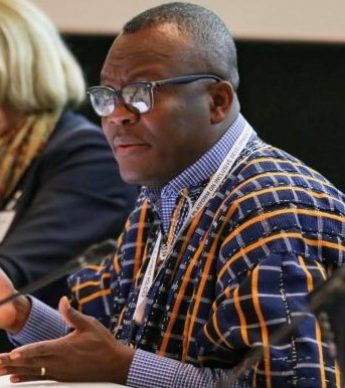


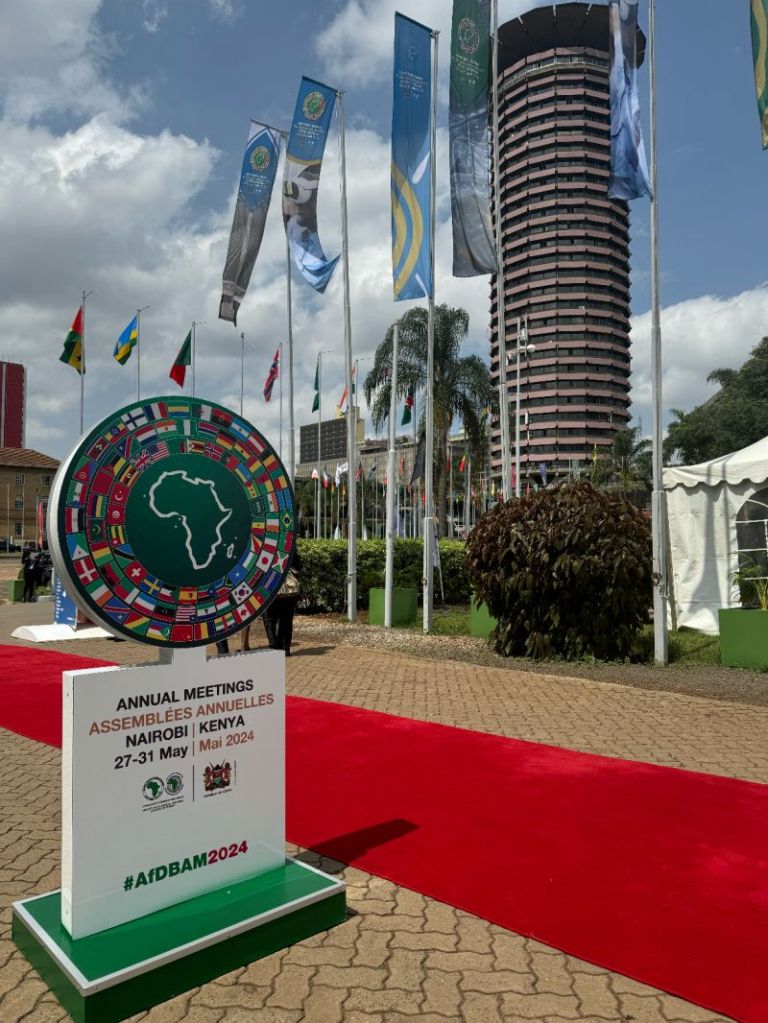


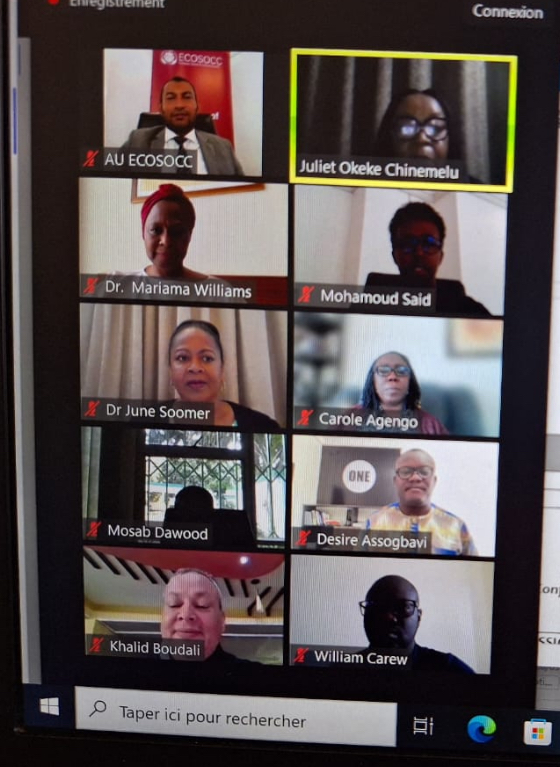


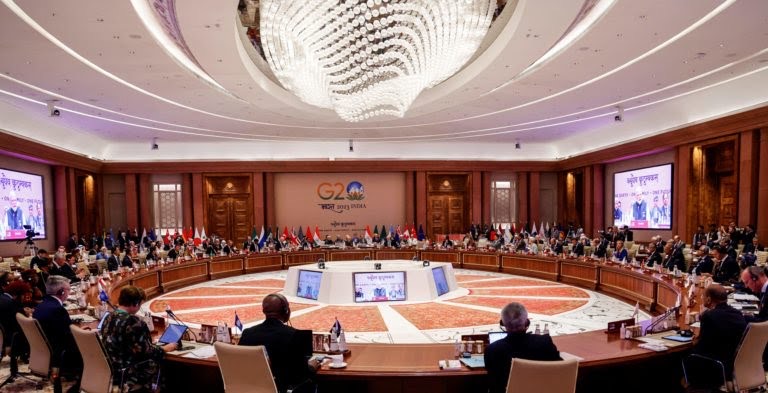
 Assodesire