Will the 4th Financing for Development Gathering do Justice for Africa?

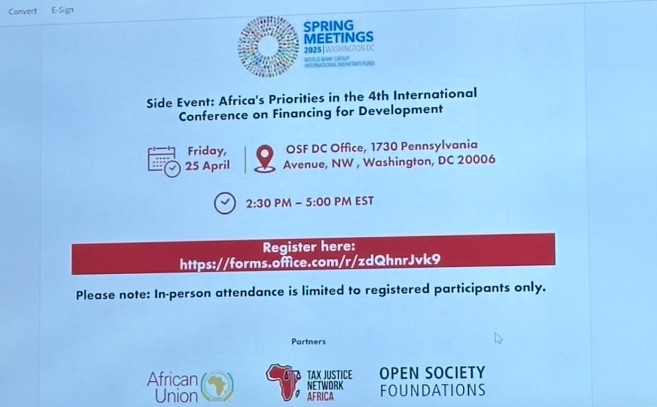
From different side discussions I participated in here in Washington DC on this subject matter, as we conclude the 2025 World Bank/IMF Spring Meetings, one message is abundantly clear: Africa must come prepared to the Fourth Financing for Development (FFD4) Conference in Seville. It should not be simply another global convening, FFD4 represents an unparalleled moment for the continent to redefine financial justice, assert its agency, and demand structural transformations within the global economic governance system.

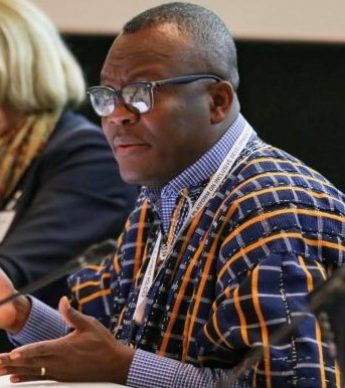
The current global financial architecture is profoundly inequitable, marked by a historical bias that relegates African and other Global South countries to the periphery. Brian Kagoro, Managing Director for Programs at Open Society Foundations, rightly articulated that the present financial system was originally designed under assumptions of permanent inequality, with clear roles for “center” and “periphery.” This paradigm, no longer tenable, demands a complete reform, not cosmetic adjustments.
The Debt Crisis: Beyond Liquidity to Structural Reform

At the heart of Africa’s position for Seville, Spain must be the recognition that debt crises faced by African nations are not merely liquidity issues. Instead, they are deep-rooted structural and wealth crises resulting from systemic inequities. The Common Framework developed by the G20 has notably failed. Africa must champion a UN Framework Convention on Sovereign Debt, embedding principles of responsible lending, borrower rights, and genuine multilateral accountability mechanisms.

The Exclusion of African Voices in Debt Negotiations

Jason Braganza from AFRODAD stressed that the current debt restructuring approaches have failed Africa fundamentally. These processes, dominated by creditor institutions like the IMF, draw off vital public funds away from healthcare, education, and infrastructure into debt repayments. Seville must be the platform where Africa decisively argues for a debt resolution framework anchored in equity, transparency, and genuine partnership.

International Tax Cooperation: Reclaiming Democratic Space

Another critical dimension is international tax cooperation. Historically marginalized in global tax rule-making dominated by OECD countries, African states lose an estimated $89 billion annually through illicit financial flows and aggressive tax avoidance. Africa’s push for a UN Framework Convention on International Tax Cooperation represents not just an economic necessity but a reclaiming of democratic space and equitable representation in global economic governance.

The conclusions of the recent Summit of the Future reinforced this call by endorsing the establishment of a more inclusive, effective, and transparent global tax governance framework. Member States recognized the inadequacies of the current OECD-centered system and agreed to prioritize negotiations toward a United Nations Tax Convention. This shift offers Africa a vital opportunity to push for rules that ensure fair taxation of multinational corporations, address harmful tax competition, and guarantee that every country, regardless of size or economic power, has an equal seat at the decision-making table. For Africa, the road to Seville is not just about advocating for reform; it is about securing a transformative, legally binding mechanism that can reverse systemic revenue losses and reinforce the continent’s capacity for sustainable development.

Strengthening Domestic Resource Mobilization in Africa

Strengthening domestic resource mobilization (DRM) in Africa is a crucial pillar for building sustainable, self-reliant economies. African governments must invest in modernizing their tax systems to ensure efficiency, transparency, and the capacity to capture revenues from rapidly evolving sectors such as the digital economy. This includes implementing fair and progressive taxation, combating illicit financial flows, and strengthening regulatory frameworks that close loopholes exploited by multinational corporations. By improving domestic revenue collection, African countries can significantly reduce their dependence on external financing and debt, thereby reclaiming greater fiscal sovereignty to fund health, education, and infrastructure projects.

However, strengthening DRM cannot be confined to national reforms alone. Global financial rules must also evolve to support African countries’ efforts. As Mwila Mkosa from the Zambian mission to the UN emphasized, the international tax framework must be reformed to create an enabling environment for African states to effectively mobilize their domestic resources. This includes addressing harmful tax competition, reforming unfair global trade practices, and ensuring that African countries have an equitable voice in setting global financial and tax standards. At Seville, Africa must press for concrete commitments that bridge national reforms with international cooperation, ensuring that domestic resource mobilization becomes a genuine driver of inclusive and sustainable development

Rethinking Private Finance in Development

The upcoming FFD4 must critically address the role of private finance. The previous “billions to trillions” narrative, heavily reliant on private sector financing without adequate oversight, has proved largely illusory. Africa’s position should advocate for private finance to operate under robust governance frameworks that prioritize socio-economic transformation over narrow profit-driven outcomes.

Reimagining Multilateralism: Beyond the Status Quo

A consistent theme emerging from these discussions was the need to reimagine multilateralism, not to preserve a flawed status quo but to fundamentally redesign it. As Brian Kagoro aptly put it, “the world we want to save has not yet been born.” Africa must advocate for multilateral frameworks that genuinely reflect principles of equality, transparency, and mutual accountability.

We need concrete, Actionable Commitments at Seville

The outcomes from Seville must move beyond ambitious language to concrete, actionable commitments backed by accountability frameworks. Seville must differ from previous summits by producing commitments specific enough to allow for tangible monitoring and public accountability.

Africa stands at a crossroads. We have an opportunity at Seville to assert not only our needs but our rights, our right to fair participation, our right to equitable economic structures, and our right to control our developmental futures. The moment is ready for bold, strategic, and unified action. True reform is not merely about changing systems but about fundamentally shifting power dynamics. Africa’s call must be clear: reform of the global financial architecture is an urgent demand for justice, equity, and sustainable development. The stakes are high, the time for incremental adjustments is past, and the moment for profound, transformative change is now.
Strengthening Our Mission: Insights from the OSF Africa Tour

The Open Society Foundations (OSF) have long been committed to promoting human rights, equity and justice across the world. The Foundations play a crucial role worldwide, employing grant-making, research, advocacy, impact investment, and strategic litigation to ensure that everyone can live with dignity and rights.

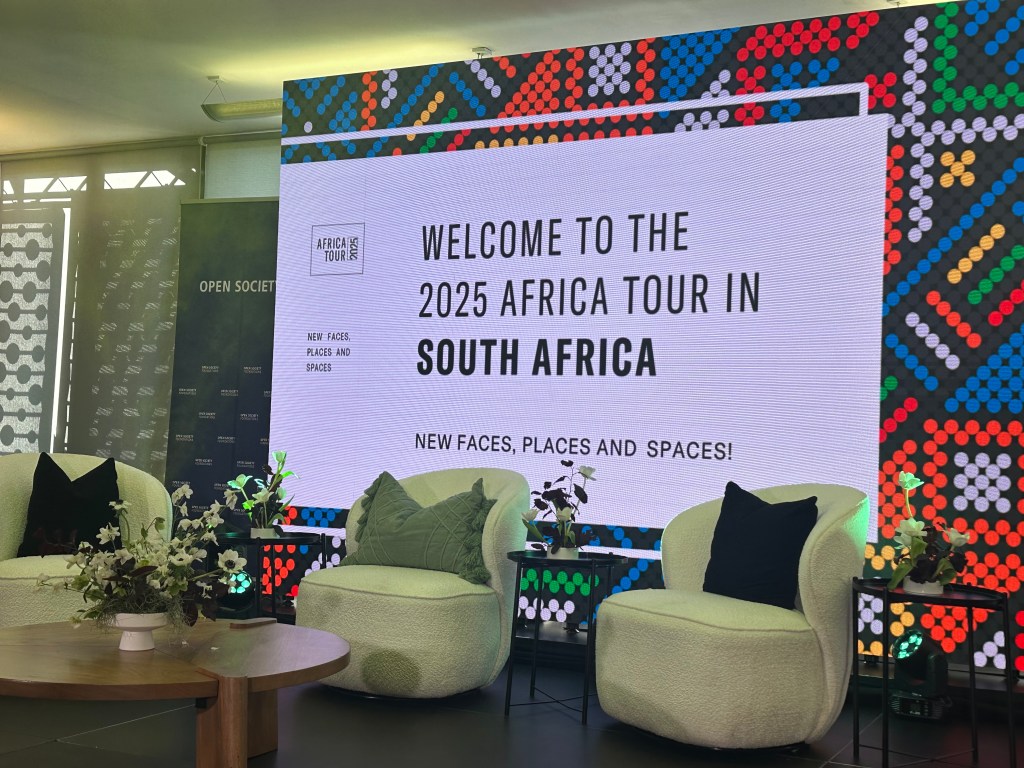
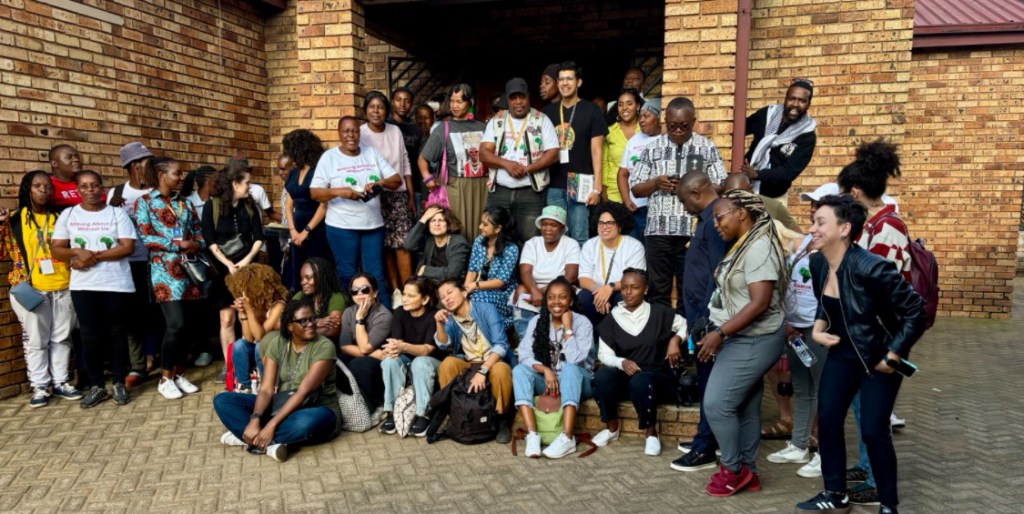
Our recent Africa tour, encompassing visits to Senegal, Kenya, South Africa, and Namibia, provided invaluable insights into the diverse challenges and opportunities present in these countries. These experiences have not only deepened our understanding but also highlighted areas where we can enhance our strategies, partnership and interventions to better serve our mission.

Senegal: A Beacon of Democratic Resilience

In Senegal, the vibrant civil society and youth movements have played a crucial role in upholding democratic values. The peaceful transition of power to President Bassirou Diomaye Faye, Africa’s youngest democratically elected leader, exemplifies the nation’s commitment to constitutionalism. Movements like Y’en a Marre have mobilized citizens, especially the youth, to demand accountability and transparency from their leaders. This active civic engagement has been instrumental in fostering a political environment where democracy can thrive.

On women political participation: despite a progressive legal framework, implementation challenges and persistent patriarchal norms in Senegal reflect common realities across Africa. Our discussions emphasized practical support for women politicians, direct advocacy, and critical evaluations of international funding mechanisms for gender equity. The Senegalese experience underscores the necessity for targeted, substantive empowerment initiatives rather than merely symbolic actions.

Kenya: Harnessing Innovation for Social Justice

Kenya’s dynamic youth population is leveraging technology and innovation to address societal challenges. Our Ideas Festival in Nairobi showcased how young entrepreneurs and activists are creating solutions that promote rights, equity, and justice. Initiatives focusing on digital inclusion, environmental sustainability, and social entrepreneurship highlight the potential of youth-led innovation in driving systemic change.

South Africa: Confronting Historical Inequities

South Africa’s journey towards social justice is marked by efforts to address the lingering effects of apartheid. The nation’s complex landscape includes tackling issues of land redistribution, economic disparities, and systemic racism. South Africa reaches three decades of democracy, marked by the end of apartheid and the rise of the African National Congress (ANC). Yet, this period is not celebrated unanimously. While the advent of democracy signaled hope and equity, many comrades cited the erosion of trust in public institutions as democracy’s core crisis. Corruption, nepotism, and government inefficiency have fostered deep-rooted cynicism. Civil society organizations and grassroots movements are at the forefront, advocating for policies that promote inclusivity and rectify historical injustices. These efforts are crucial in building a more equitable society

Namibia: Reimagining Participation and Transformation

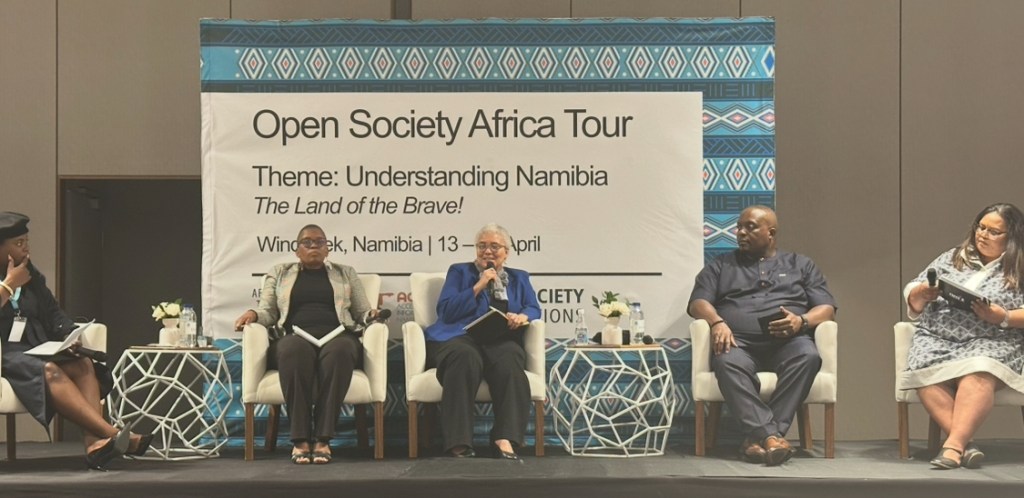
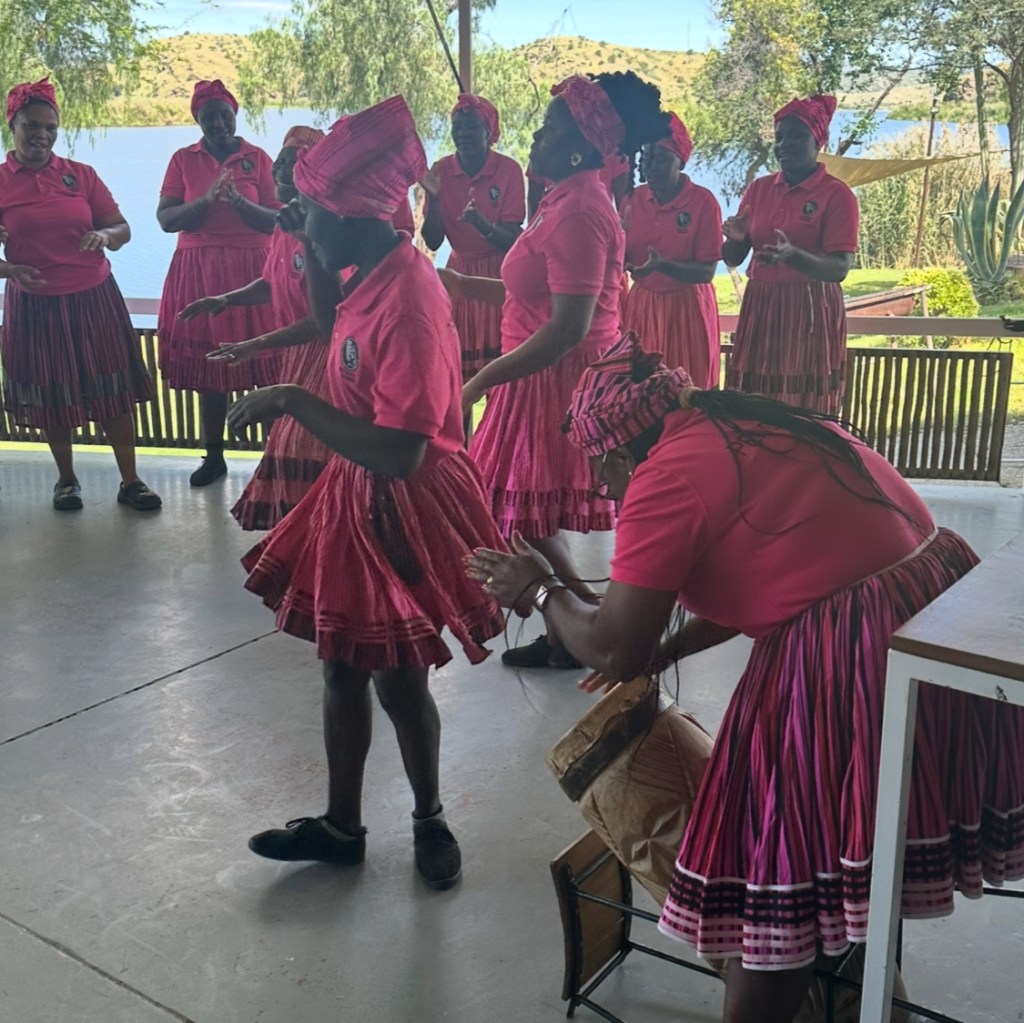
In Namibia, the emphasis on community engagement and participatory governance is reshaping the nation’s approach to development. Youth leaders and civil society actors are advocating for structural reforms that address economic challenges and promote social inclusion. The focus on reimagining justice and participation reflects a commitment to transformative change that resonates with the broader goals of sustainable development. Namibia stands at an important crossroads. The election of a female president and vice president has symbolized a profound shift, sparking renewed optimism, particularly among women and youth. A central theme throughout our interactions was the complex interplay between forgiveness, reconciliation, and reparations for colonialism and apartheid and most importantly for the 1904–1908 genocide by the Germans. Also, the complexity of tribal identity in Namibia emerged consistently during our discussions.

So What? Connecting the Dots: Lessons from Across the Continent

Drawing from this learning visits it’s evident that while each nation faces unique challenges, there are shared themes of youth empowerment, innovation, and the pursuit of justice that resonate across borders. These experiences also underscore the importance of contextualized approaches to development and governance in Africa.

Local Contexts for Effective Interventions: One of the key takeaways from our tour is the paramount importance of tailoring our approaches to the unique socio-political landscapes of each country. Recognizing and supporting such local dynamics can amplify our impact and ensure that our initiatives resonate with the communities we aim to serve.

Youth Engagement and Innovation: Across the countries visited, the energy and innovation of young people stood out as a driving force for change. In Kenya, youth-led initiatives are leveraging technology to address societal challenges, while in South Africa and Namibia, young activists are at the forefront of movements for social justice and economic equity. By investing in youth-led organizations and creating platforms for their voices, we can harness this momentum to drive sustainable change.

Partnerships: The tour underscored the value of building robust partnerships with local organizations, governments, and other stakeholders. Collaborative efforts can lead to more comprehensive and effective solutions. By fostering such collaborations, we can pool resources, share expertise, and create synergies that enhance the reach and efficacy of our programs.

Accountability and Transparency emerged as recurring themes during our visits. Communities expressed the need for greater openness in governance and the importance of holding institutions accountable. In response, OSF can intensify its support for initiatives that promote transparency, such as civic education programs, watchdog organizations, and platforms that facilitate citizen engagement in governance processes.

Adapting to Evolving Challenges: The dynamic nature of the challenges faced by African countries necessitates a flexible and responsive approach. Issues such as climate change, economic disparities, and political instability require adaptive strategies that can evolve with changing circumstances. OSF’s commitment to continuous learning and adaptation will be crucial in addressing these complex and interlinked issues effectively.

The Africa tour has been a transformative journey, offering profound insights into the resilience, creativity, and aspirations of the communities we serve. By integrating these lessons into our work, OSF can refine its strategies, deepen its impact, and continue to champion the values of justice, equity, and human rights across the continent. Our commitment to supporting open societies remains unwavering, and we are inspired to forge ahead with renewed vigor and purpose.

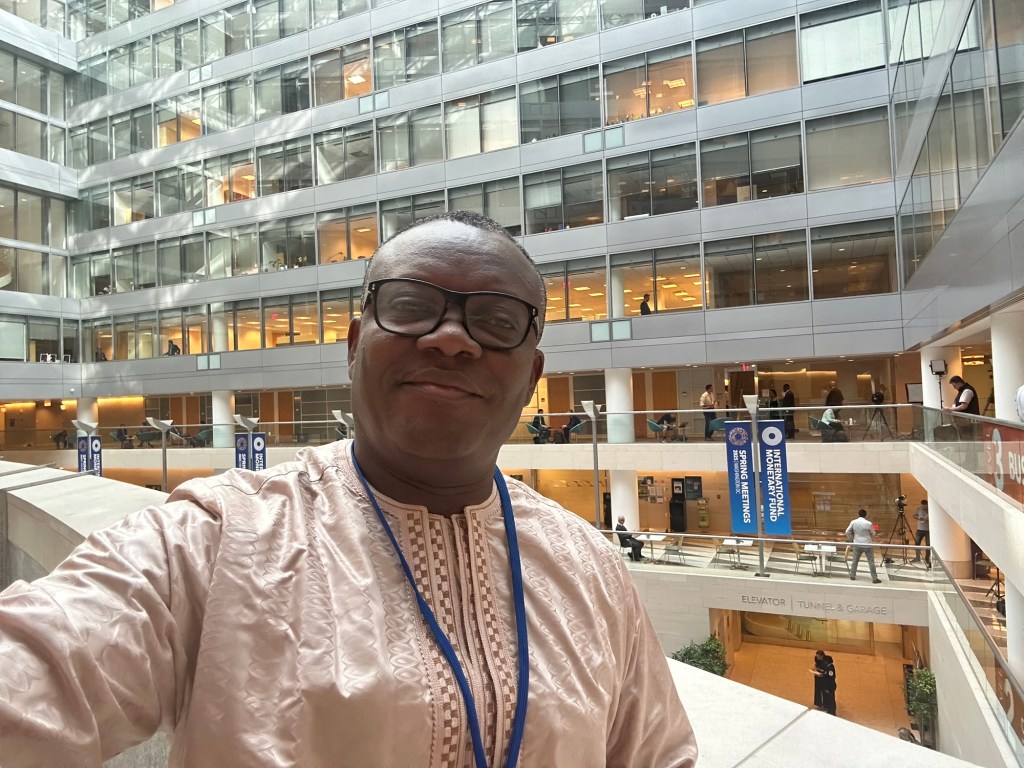
On a personal level, although I have been with OSF for only four months, the Africa Tour was an extraordinary opportunity to connect with a wide network of brilliant colleagues from across the globe, connections that would have otherwise taken years to build.

Conclusion:

The diverse experiences of these four countries highlight the importance of localized strategies that empower citizens, particularly the youth, to take active roles in shaping their societies. By fostering environments that encourage innovation, uphold democratic principles, and address historical and systemic inequities, African nations can pave the way for a more just and equitable future. Collaboration, both within and across borders, will be key in realizing this vision.

For more detailed reflections on each of these 4 learning visits, please refer to the following articles.

Désiré Assogbavi is an Advocacy Advisor at the Open Society Foundations. He is a jurist, policy & political analyst, and international development expert.

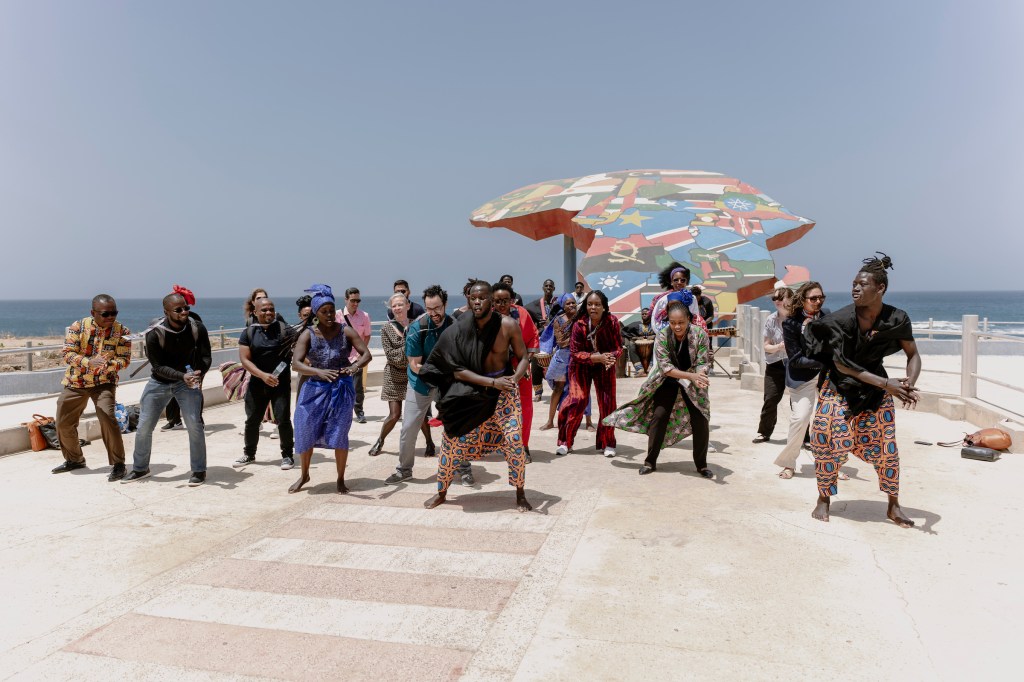
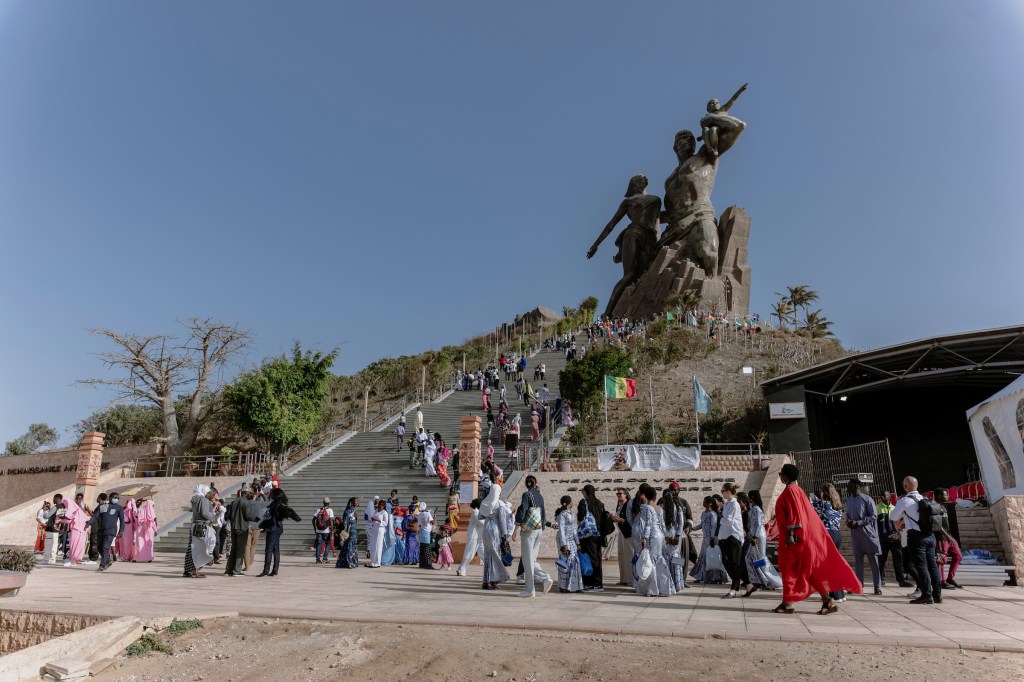
Unveiling the Soul of Senegal

My Reflections on our Journey Through History, Culture, and Resilience in Senegal.

The Open Society Foundations’ (OSF) Africa Tour kicked off with a vibrant and enlightening experience in Senegal, themed “Unveiling the Soul of Senegal: A Journey Through History, Culture, and Resilience.” This first stop provided profound insights and meaningful lessons that set a foundational tone for the following phases of our tour: Kenya, South Africa, and Namibia.

Senegal’s journey through political stability, cultural depth, youth engagement, gender equity, economic justice, and regional diplomacy offered invaluable lessons and strategic benchmarks as we proceed to the subsequent destinations.

Senegal’s democratic achievements are remarkable within the context of the regional political landscape. Amid widespread instability in the West African region, Senegal stands as a beacon of democratic resilience. The peaceful and constitutional transition of power in April 2024 to Bassirou Diomaye Faye, Africa’s youngest democratically elected president, marked a significant milestone. This victory underscores the strength of Senegal’s institutional structures, vibrant civil society, and the powerful role that collective civic action can play. As we head to Kenya, a nation grappling with its own democratic consolidation challenges, Senegal’s model of citizen engagement, transparency, and accountability served as an instructive reference point.

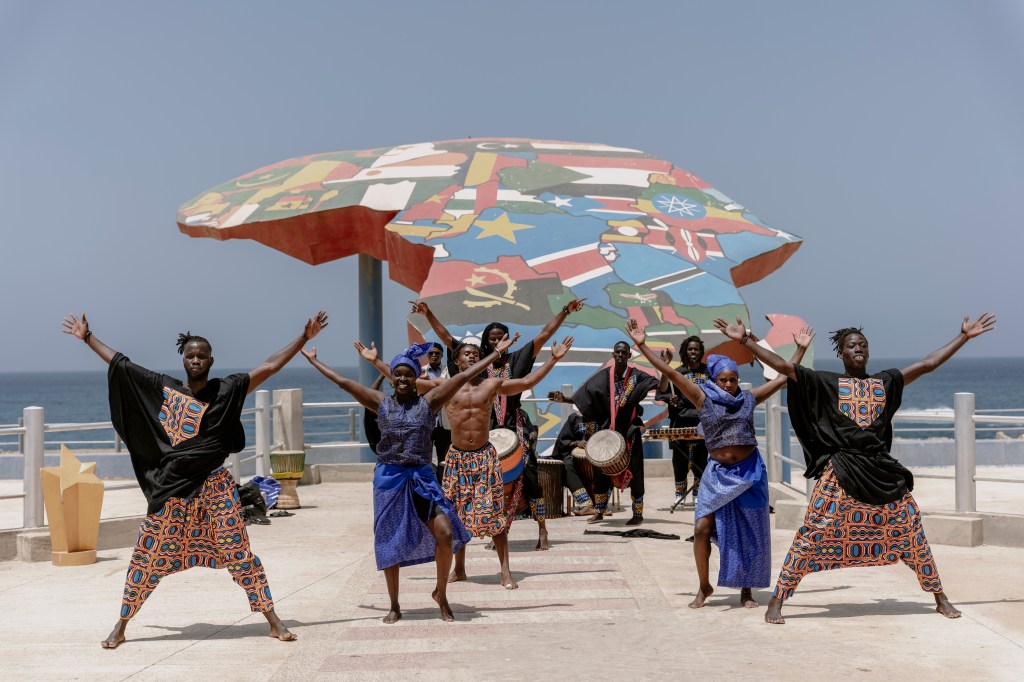
Cultural investment and artistic expression emerged clearly as pillars of democratic expression and social cohesion during our Senegalese visit. Under its first president, Léopold Sédar Senghor, Senegal institutionalized support for arts and culture as cornerstones of dialogue, democratic participation, and national identity. Notably, the Musée des Civilisations Noires that we visited provided us powerful insights into how arts can foster reconciliation, historical consciousness, and democratic resilience. These examples offered valuable insights for our forthcoming engagements in South Africa and Namibia; countries that have navigated complex histories of racial injustice and colonialism.

Senegal’s youth demonstrate exceptional agency and vigilance in preserving democratic gains, as evidenced by their active role in recent electoral processes and civic actions. In Senegal, young people and youth-led organizations have been at the forefront of protecting and revitalizing democratic processes. During the political tensions leading up to the 2024 elections, groups such as AAR Sunu Election mobilized extensively to defend constitutional term limits and ensure electoral integrity. Their grassroots organizing included voter education campaigns, election monitoring initiatives, and widespread use of digital platforms to counter disinformation and mobilize civic participation. Youth movements demonstrated exceptional courage in resisting authoritarian attempts to undermine democracy, building strong networks of solidarity across different sectors of society. Their relentless vigilance and ability to galvanize public opinion were instrumental in ensuring a peaceful transition of power, culminating in the historic election of Bassirou Diomaye Faye.

Beyond electoral moments, youth organizations like the Collectif des Universitaires pour la Démocratie (CUD) have worked to sustain democratic resilience by fostering a culture of critical thought, civic responsibility, and policy engagement. They organized forums, public dialogues, and advocacy campaigns to challenge impunity and demand reforms across education, governance, and human rights sectors. Importantly, young artists, rappers, and digital activists also played a significant role, using creative expression to critique power structures and inspire political consciousness among the broader population. The influential movement “Y’en a Marre” exemplify effective youth engagement. Founded in 2011 by rappers and journalists, Y’en a Marre mobilized mass protests against political stagnation and constitutional manipulation during former President Abdoulaye Wade’s tenure. They used music, art, and grassroots activism to demand political accountability and have remained a significant force in defending democratic principles.

The active, strategic participation of Senegalese youth offers a powerful model for other African nations, highlighting that the vibrancy and endurance of democracy depend not only on institutions but also on the everyday actions and commitments of an engaged younger generation.

Gender Equity and Women’s Political Representation: Our exploration of gender equity and women’s political participation at the Musée de la Femme Henriette Bathily in Dakar gave us significant insights. Despite a progressive legal framework, implementation challenges and persistent patriarchal norms in Senegal reflect common realities across Africa. Panel discussions emphasized practical support for women politicians, direct advocacy, and critical evaluations of international funding mechanisms for gender equity. The Senegalese experience underscores the necessity for targeted, substantive empowerment initiatives rather than merely symbolic actions.

Economic justice and governance emerged as critical themes throughout the Senegal leg of our tour. Senegal grapples with high levels of poverty, youth unemployment, inflation, and economic inequality; challenges exacerbated by recent global crises. Discussions notably addressed the equitable governance of natural resources, such as newly discovered oil and gas reserves. These dialogues provide crucial lessons for South Africa, where mineral wealth distribution remains a contentious issue, and Namibia, actively pursuing equitable resource management policies. Transparent governance, community involvement, and equity in resource management are essential to translating economic growth into tangible improvements in citizens’ lives.

Religion: Senegal stands as a remarkable example of interfaith harmony in Africa, with approximately 95% of its population identifying as Muslim, about 4% as Christian (primarily Roman Catholic), and the remainder practicing indigenous traditional beliefs. Despite this religious diversity, Senegal has cultivated a culture of peaceful coexistence rooted in mutual respect and the principle of laïcité (secularism) enshrined in its constitution since independence in 1960. Prominent Muslim brotherhoods such as the Mourides, Tidianes, and Layènes play significant social roles while promoting tolerance, and interfaith families are common, with shared celebrations between Muslims and Christians during major religious holidays. Figures like Abbé Alphonse Birame Ndour, a key leader in Senegal’s interreligious dialogue initiatives, illustrate how religious leaders actively foster national unity. Senegal’s unique model of religious coexistence offers critical lessons for other African nations grappling with sectarian tensions. Senegal’s strategy of fostering interfaith respect and secular inclusivity could be instructive for building lasting peace and democratic stability.

Regional Diplomacy and Mediation: Regionally, Senegal’s role in diplomacy and conflict mediation has grown notably, particularly within the Economic Community of West African States (ECOWAS) and the newly established Alliance of Sahelian States. Senegal has played an instrumental diplomatic role within the Economic Community of West African States (ECOWAS). Since assuming office in April 2024, President Bassirou Diomaye Faye has emerged as a vital bridge-builder, leading efforts on behalf of ECOWAS to re-establish dialogue with the Alliance of Sahelian States (AES) countries. His mediation initiatives aim to preserve regional stability, foster reconciliation, and prevent further fragmentation within West Africa. This renewed emphasis on inclusive diplomacy underscores Senegal’s strategic leadership.

Historical Awareness and Reparative Justice. The importance of historical consciousness and reparative justice brightly emerged during our visit to Gorée Island. We walked through the haunting yet powerful corridors of Gorée Island, a sacred place that holds the memory of millions of lives affected by slavery. Standing at the Door of No Return, I was struck by the resilience of those who came before us, and the urgent need to keep their stories alive. Gorée is not just history, it is a call to conscience. A reminder that justice, remembrance, and healing must be part of our collective journey.

Open Society Africa Tour on Thursday April 3rd, 2025 in Gorée, Senegal. ©Sylvain Cherkaoui for OSF

The Maison des Esclaves poignantly reminded us of the profound and enduring impact of historical injustices. Such initiatives to memorialize history and advocate for reparative justice resonate deeply with South Africa and Namibia, nations actively engaging with their own complex historical legacies of apartheid and colonial violence. Integrating memory, reconciliation, and reparative justice into OSF’s strategies across these destinations can support transformative healing and strengthen social cohesion. As we advocate for human rights democracy, lasting peace, accountability etc , let us center the voices of those silenced by history, and commit ourselves to building a future rooted in truth and dignity.

The Senegal stop provided OSF with strategic insights into sustainable democratic practices, cultural empowerment, active youth participation, substantive gender equity, economic justice, religious tolerance, regional cooperation, and historical awareness.

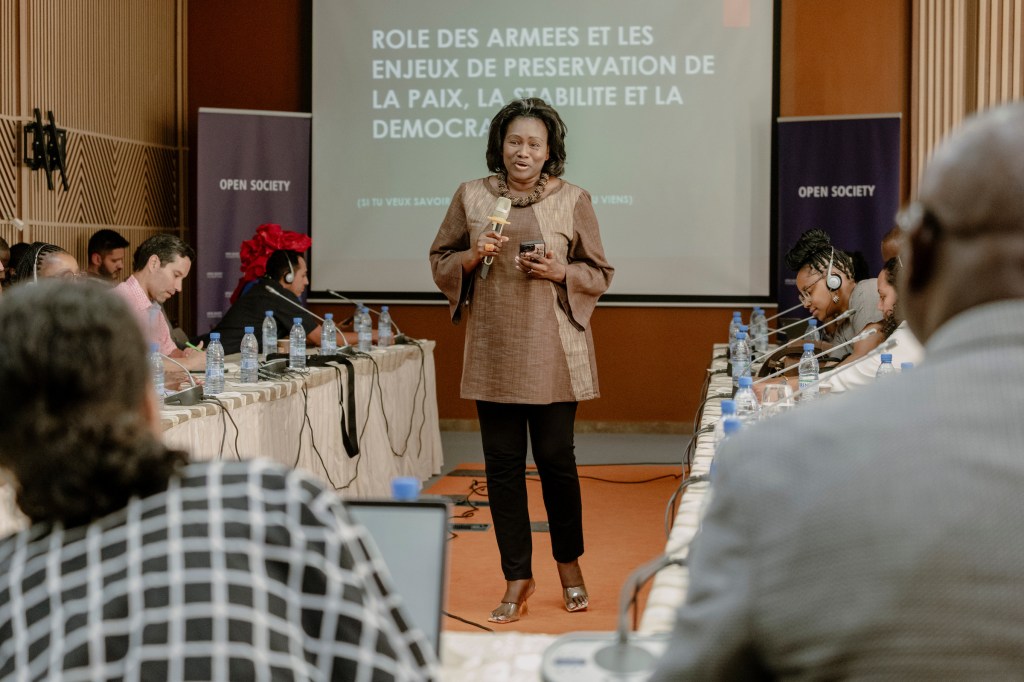
Open Society Africa Tour on Tuesday April 2nd, 2025 in Dakar, Senegal. ©Sylvain Cherkaoui for OSF

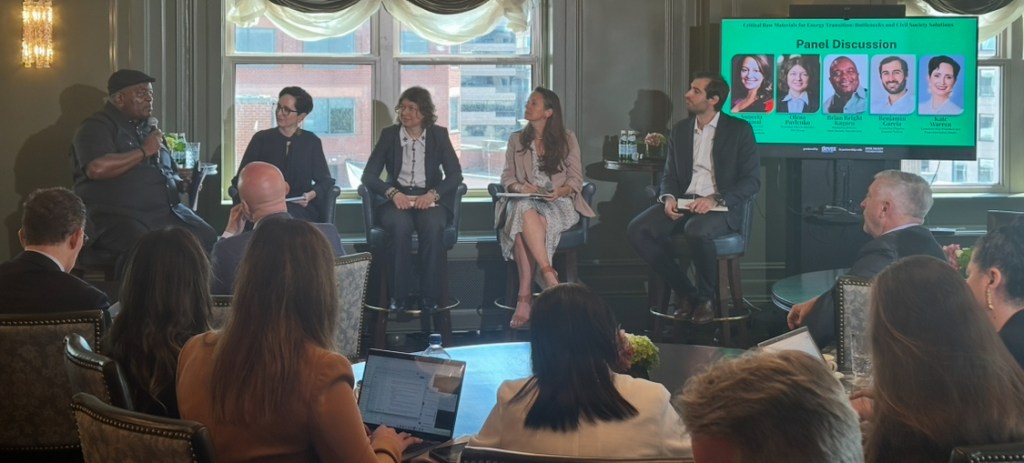
Critical Raw Materials and the Energy Transition: Navigating Bottlenecks & Promoting Equitable Solutions

On the sidelines of the 2025 World Bank/IMF Spring Meetings, Devex and Open Society Foundations (OSF) convened an essential dialogue on the theme “Critical Raw Materials (CRM) for Energy Transition: Bottlenecks and Civil Society Solutions.” The event underscored the complex intersection of geopolitics, equity, sustainability, and governance in the emerging global landscape shaped by critical minerals, fundamental to powering electric vehicles, renewable energy systems, and advanced technologies.

In his opening remarks, Pedro Abramovay, Vice President, Programs of Open Society Foundations, framed the urgent crossroads at which many countries find themselves: aspiring for democratic consolidation, sustainable development, and strengthened state institutions, yet facing significant political and economic headwinds. At such a moment, he argued, the role of civil society has never been more critical. Organizations working at the intersection of democracy, equality, and long-term development must not only hold institutions accountable but also contribute to building inclusive, resilient systems. Pedro underscored that this gathering, bringing together diverse actors committed to these values, offered a vital space to explore how civil society can lead and shape solutions to these complex challenges.

This dialogue gains even more relevance in the context of the accelerating global race for critical raw materials. As countries position themselves to harness these resources for energy transitions and economic recovery, civil society faces a dual responsibility: to ensure that the governance of these minerals reflects transparency, equity, and environmental responsibility, and to challenge extractive models that risk reinforcing inequalities.

Geopolitical Stakes and Emerging Dynamics

Brian Kagoro, Managing Director of Programs at OSF, emphasized the complex geopolitical game that underlies CRM dynamics. “This isn’t primarily about development or even the energy transition; it’s about militarization and geopolitical rivalry,” Brian explained. Indeed, the scramble for CRM is significantly driven by national security concerns, particularly between major global powers such as the US and China. Brian noted China’s dominance, controlling significant portions of lithium and cobalt processing, as a strategic challenge for the US and Europe, which seek to break such monopolies through alliances and domestic initiatives like the US Inflation Reduction Act and the EU Critical Raw Materials Act.

Equity and Sustainability at Risk

Suneeta Kaimal, CEO of the Natural Resource Governance Institute, highlighted how the global rush to secure CRMs risks repeating historical injustices associated with extractive industries. Suneeta stressed the potential “race to the bottom,” where lower governance standards could exacerbate environmental degradation, social exclusion, and economic inequalities. This issue is especially acute for low- and middle-income countries, rich in resources but at risk of falling into exploitative relationships and incurring environmental and social costs without fair economic returns.

Benjamin Garcia, Executive Director of Chile’s Espacio Público, discussed Chile’s experience, underscoring the need for context-specific policies to ensure community benefits from resource extraction. Benjamin highlighted Chile’s challenges in lithium extraction and governance, emphasizing the crucial role of civil society in advocating transparency, accountability, and meaningful community participation to avoid pitfalls seen in past resource booms.

Africa’s Critical Opportunity and Challenges

Africa, home to about 30% of the world’s CRM reserves, faces particular challenges and opportunities. African nations currently capture only a fraction of potential revenues due to minimal processing capabilities and limited value-chain integration. For example, Africa earns approximately USD 11-55 billion from raw CRM exports but could generate up to USD 658 billion annually by moving up the value chain. Brian emphasized the importance of regional collaboration among African nations to negotiate collectively, resist monopolistic pressures, and maximize development benefits.

However, Brian cautioned that resource-rich African nations risk perpetuating structural inequities and environmental harms unless supported by robust governance frameworks, strategic partnerships, and equitable policies that prioritize community inclusion, human rights, and environmental stewardship.

Ukraine’s Strategic Position

Olena Pavlenko, President of DiXi Group, highlighted its critical position due to significant CRM deposits essential for the EU’s green transition and defense needs. Olena noted Ukraine’s ongoing efforts to balance short-term economic benefits with long-term environmental risks, emphasizing the need for comprehensive national strategies and international cooperation, especially amidst its ongoing geopolitical conflict and reconstruction efforts.

The Crucial Role of Civil Society

A recurring theme was the indispensable role of civil society organizations in shaping a just and sustainable CRM landscape. CSOs, through advocacy, strategic litigation, transparency initiatives, and capacity-building, have emerged as key actors capable of holding governments and corporations accountable. Kaimal recounted the evolution of civil society’s role, from advocating transparency and accountability to now influencing policy implementation and monitoring project impacts closely.

In Chile, Benjamin shared successful examples of civil society campaigns leading to reforms corruption scandals involving lithium companies. Such examples underscore the potential of informed, empowered civil society to influence equitable resource governance significantly.

Pathways for Inclusive and Sustainable Solutions

Participants underscored several strategic pathways forward:

  1. Multilateral Cooperation and Global Governance: Participants emphasized the urgency of strengthening multilateral cooperation frameworks to address CRM supply chain vulnerabilities and geopolitical tensions. Brian Kagoro proposed forming a Global South Critical Minerals Council to enable collective bargaining power, equitable sharing of benefits, and balanced geopolitical negotiation.
  2. Local and Regional Value-Addition: Both Brian and Kaimal advocated realistic approaches to local value addition. Recognizing not all countries could achieve complete vertical integration (e.g., battery production), they suggested prioritizing feasible intermediate stages like mineral refining and precursor manufacturing, particularly through regional cooperation.
  3. Enhanced Transparency and Accountability: Participants agreed that robust transparency measures including mandatory disclosure of contracts, revenues, environmental impacts, and beneficial ownership, are essential for public accountability and equitable resource governance. OSF highlighted initiatives such as using blockchain for CRM traceability, particularly in the Democratic Republic of Congo.
  4. Environmental and Social Safeguards: Strong environmental stewardship and human rights compliance were identified as critical conditions for sustainable CRM development. This includes mandatory Human Rights and Environmental Impact Assessments, strict adherence to Free, Prior, and Informed Consent (FPIC) standards, and community-driven monitoring frameworks.
  5. Support for Artisanal and Small-Scale Mining (ASM): Recognizing the employment and livelihood significance of ASM, especially for women and youth. Participants called for formalizing ASM, investing in infrastructure and technical support, and integrating ASM more thoroughly into national and regional economies to maximize socio-economic benefits.

Conclusion: A Call to Collaborative Action The session concluded with a shared understanding that addressing the complexities of CRM governance requires coordinated global, regional, and local actions, backed by robust civil society engagement. As the world accelerates its energy transition, participants stressed that the CRM revolution must not perpetuate the historical injustices of resource exploitation but rather serve as a transformative opportunity for equitable and sustainable development. Civil society, governments, industries, and international organizations must collaboratively redefine the CRM landscape, ensuring it benefits not only global markets but also the communities and nations where these critical resources originate

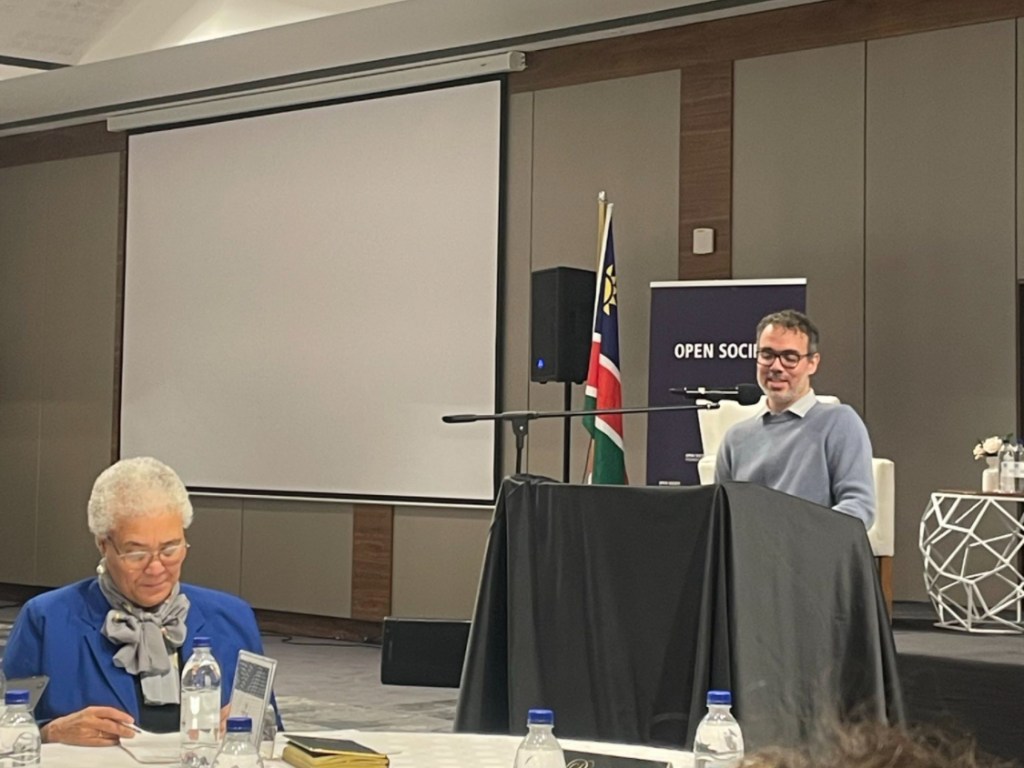
Reimagining Justice, Participation, and Transformation in Namibia

Our Namibia tour happened at a defining moment in the country’s history; just months after the election of President Netumbo Nandi-Ndaitwah, Namibia’s first female Head of State. This historic milestone offered a rich context for our engagements, providing us with great understandings of Namibia’s evolving democratic landscape, societal aspirations, and transformative potential.

Although the Open Society Foundations has yet to establish a permanent presence in Namibia, our learning tour significantly deepened our understanding, facilitated meaningful engagements across various sectors, and highlighted promising opportunities for future partnerships with both civil society and state actors.

The Promise and Paradox of Democratic Transition

Namibia stands at an important crossroads. The election of a female president and vice president has symbolized a profound shift, sparking renewed optimism, particularly among women and youth. However, our interactions revealed a prevalent concern: “We have a female president, but we remain with the same system.” SWAPO, Namibia’s ruling party since independence, faces a declining parliamentary majority, indicative of rising public discontent and heightened calls for structural reforms. The key challenge ahead is ensuring that leadership transitions are substantive rather than symbolic, driving tangible, impactful change in governance, socio-economic conditions, and justice frameworks.

Inclusive Dialogue and Reparative Justice

Our closing discussions, featuring a high-level panel including Vice President Lucia Witbooi, Members of the parliament, and prominent legal experts and civil society leaders, provided a profound exploration of Namibia’s negotiations with Germany concerning reparations for the 1904–1908 genocide. Civil society representatives passionately advocated for transparency, genuine participation, and inclusive negotiations, emphasizing that meaningful reparations require more than monetary compensation.

Forgiveness, Reconciliation, and Reparations

A central theme throughout our interactions was the complex interplay between forgiveness, reconciliation, and reparations. Vice President Witbooi drew on Rwanda’s experiences, advocating forgiveness as critical to healing national wounds. Yet, our own Brian Kagoro and other civil society advocates highlighted that forgiveness must follow genuine reparative actions and accountability measures. Brian notably argued for reparations as essential for “balancing the books,” requiring acknowledgment, restitution, and systemic change to prevent recurrence of past injustices.

Calls for Inclusive Participation

Our dialogues underscored the fundamental importance of inclusive participation in the reparations process. The critique of Namibia’s Joint Declaration with Germany underscored the need for meaningful involvement and agency of affected communities, ensuring transparent, inclusive processes and outcomes that genuinely reflect collective aspirations.

Tribal Identity: Strength, Resilience, and Risk

Throughout our engagements, the complexity of tribal identity in Namibia emerged consistently. While strong cultural affiliations to groups such as the Herero, Owambo, Nama, and Damara provide essential sources of identity and resilience, participants highlighted the challenges posed by tribal divisions. A particularly resonant observation was, “Tribe still determines what you get from the economy and who gets to speak.” The imperative, therefore, is integrating Namibia’s rich ethnic diversity into a cohesive national identity, addressing historical grievances without exacerbating existing inequalities or promoting exclusionary practices.

Youth Advocacy and Economic Justice

A critical highlight of our tour was the dynamic role played by Namibia’s youth in advocating for justice, dignity, and structural reform. Former MP Patience Masua eloquently outlined the frighting economic challenges facing Namibia’s younger generation, notably a youth unemployment rate exceeding 45%. Nevertheless, she identified hopeful initiatives such as tax incentives for youth-led enterprises, housing programs, and green energy projects. These initiatives underscore a vibrant, future-oriented vision among Namibian youth, who are determined to achieve systemic and intergenerational equity.

MP Utaara Mootu provided further insights, passionately articulating the emotional and historical resonance underlying young Namibians’ demands for justice. She emphasized that true reparative justice must include land reform, constitutional recognition, and socio-economic restructuring, ensuring that historically marginalized communities receive meaningful redress and opportunities for empowerment.

Katutura: History, Challenges, and Resilience

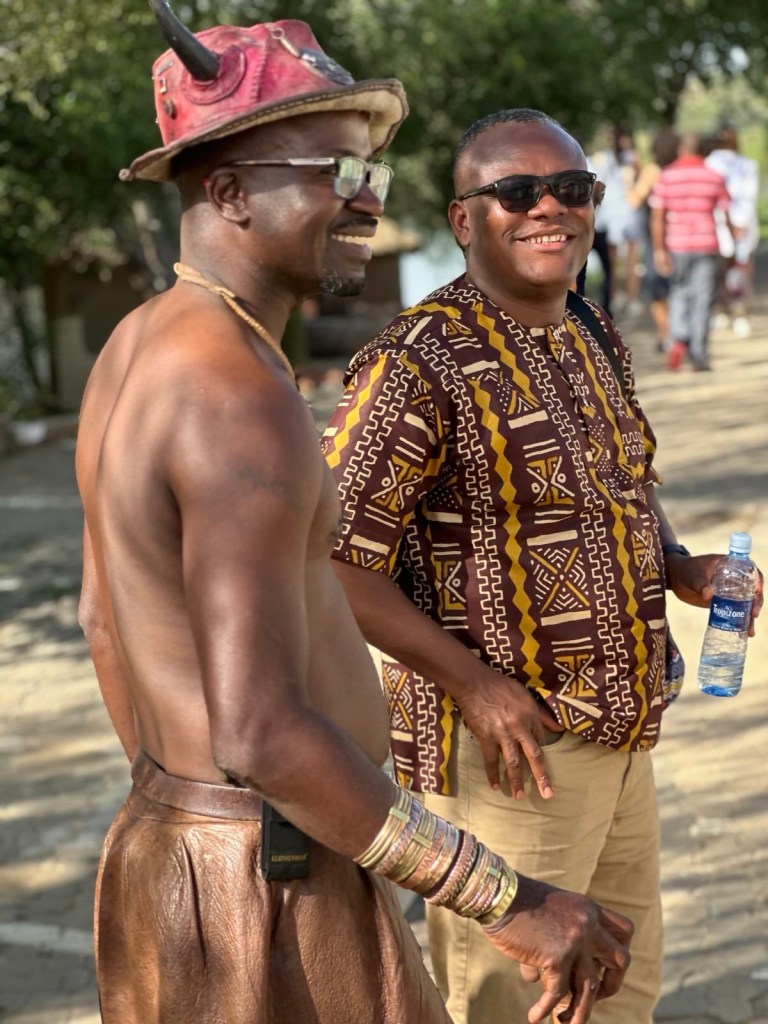
Our visit to Katutura, a historically marginalized settlement established during apartheid-era forced relocations, revealed Namibia’s ongoing struggles and resilient spirit. Guided by community experts, our exploration illuminated Katutura’s touching history of displacement, discrimination, and economic exclusion. Yet, despite these challenges, Katutura exemplifies vibrant community activism, where youth, women, and grassroots leaders drive transformative conversations around equity, justice, and political participation.

Community initiatives like Penduka (“wake up” in local languages) stood out as powerful examples of resilience, empowerment, and agency among women. Penduka fosters economic self-sufficiency and social empowerment, symbolizing Namibia’s grassroots capacity to address historical injustices through innovative community-driven initiatives.

Women’s Leadership: From Representation to Real Impact

Namibia’s current leadership structure is unprecedented: the president, vice president, speaker of the National Assembly, and numerous ministerial positions are occupied by women. This significant shift in representation has profoundly influenced societal perceptions, aspirations, and opportunities. A compelling anecdote shared by a participant highlighted how his daughter’s aspirations shifted dramatically from becoming a First Lady to aspiring to the presidency itself. This narrative change should not be superficial, it should represents a significant societal shift toward gender equality.

However, participants repeatedly stressed that representation alone is insufficient. True victory, they argued, lies in translating increased representation into tangible impacts, ensuring the safety, opportunity, and justice for all Namibians, particularly women and girls from rural and marginalized communities.

Namibia’s Role in International Reparative Justice

Namibia’s global engagement, particularly its stance on reparations and international justice, was thoroughly explored during our discussion. Former ministers of justice Yvonne Dausab and legal experts highlighted Namibia’s active involvement in advocating for reparative justice through international platforms such as the International Court of Justice (ICJ) and the African Union. Discussions emphasized the necessity of strategic legal training and capacity building to equip Namibian lawyers and civil society actors for effective engagement in international forums. This emphasis underscores the importance of a legally rigorous, inclusive approach to reparative justice that aligns with global standards while addressing Namibia’s specific historical contexts.

Celebrating Women’s Leadership and Transformational Justice

Our high-level closing panel explicitly celebrated women’s leadership in shaping Namibia’s political landscape and advancing the reparations agenda. Leaders recognized the critical historical and contemporary contributions of women in advocating justice, reconciliation, and societal transformation. The discussions affirmed women’s integral roles as leaders in peacebuilding and social justice initiatives, further reinforcing the necessity of gender-sensitive approaches to reparative justice.

Moving Forward Together

Namibia today navigates a delicate balance between historical memory and future aspirations. The nation continues to grapple with the profound legacies of colonialism, genocide, apartheid and structural inequalities, yet remains animated by resilience, courageous leadership, and proactive youth engagement.

As visitors, learners, and potential partners, our delegation departs inspired by Namibia’s courage and committed to amplifying its voice internationally. We recognize our shared responsibility to support Namibia’s journey towards a just, equitable, and open society.

To the Land of the Brave: May the future you envision rise powerfully through truth, inclusivity, collective voice, and transformative justice.

This tour has not only deepened our appreciation of Namibia’s complex socio-political landscape but also strengthened our resolve to collaborate in meaningful and impactful ways, championing justice, equity, and systemic change alongside Namibia.

Navigating South Africa’s Complex Landscape

Politics, Economics, and Geopolitical Repositioning

“Amandla! Aweetu!” (“Power to the people!”).

This slogan resonating deeply through South Africa’s history echoed throughout our Open Society Foundation Team Learning Tour in Johannesburg this week. Over a few days of rich interaction with community leaders, political analysts, activists, and ordinary citizens, one thing became clear: the struggle for genuine freedom and dignity in South Africa is far from over.

South African Democracy at 30: Gains and Pains

South Africa reaches three decades of democracy, marked by the end of apartheid and the rise of the African National Congress (ANC). Yet, this period is not celebrated unanimously.

As we engaged with local experts, social activists and ordinary citizens this pressing question emerged repeatedly: “Can we truly say we are free today?” Alarmingly, many South Africans we encountered felt democracy’s dividends remain elusive, summarizing their experiences by stating, “30 years of democracy have been painful, paid for in blood.”

While the advent of democracy signaled hope and equity, many comrades cited the erosion of trust in public institutions as democracy’s core crisis. Corruption, nepotism, and government inefficiency have fostered deep-rooted cynicism. One of the political experts we met, pointed out that liberation movements in Southern Africa are witnessing dramatic declines in public support precisely because they failed to deliver on their democratic promises. South Africa is no exception, with the ANC’s electoral dominance notably declining in recent years.

From Chains to Change: Our Inspiring Journey at South Africa’s Constitutional Court

Our visit to South Africa’s Constitutional Court as part of our Learning Tour was deeply moving; a reminder of how far this country has journeyed. More than just a court of law, the Constitutional Court is a living testament to South Africa’s courageous transformation from the shadows of apartheid to the light of democracy.

Built on the grounds of a former prison where countless men and women were unjustly imprisoned for their political beliefs or simply because of their race, the Constitutional Court stands today as a powerful symbol of redemption and resilience. Its walls, crafted from the very red bricks that once enclosed prisoners, represent a profound act of reclaiming pain, transforming it into purpose, and embracing the lessons of history to shape a brighter future.

Holding our meetings at Constitution Hill reinforced our belief in justice; not merely as a principle to uphold, but as a profound human experience to embody. This space remains a beacon of hope, dignity, and strength, reminding us that true justice must not only be delivered; it must be felt, deeply and unambiguously, by every citizen.

Coalition Politics and New Agendas

Amid declining single-party dominance, South Africa is increasingly governed by coalitions. Experts we engaged with noted that coalitions, while turbulent, also present unique opportunities for the voices of marginalized communities and social movements to influence policy agendas.

Yet, despite this opportunity, coalitions are still dominated by elites. “Even in coalitions, governments are still governments of elites”: said one of the invited experts. For social movements to effectively influence policies, they must become key stakeholders rather than merely beneficiaries of political gestures.

South African Economy: A Story of Unfulfilled Promises and Deepening Inequality

The economic realities we witnessed in South Africa underscore a troubling stagnation, sharply divided along racial and social lines. Today, over half of South Africans, more than 30 million people, live in poverty, struggling daily with food insecurity and inadequate housing. Youth unemployment escalated from 36.8% in 2014 to 45.5% in 2024, but this figure skyrockets to nearly 70% among black youth, who continue to bear the brunt of economic exclusion.

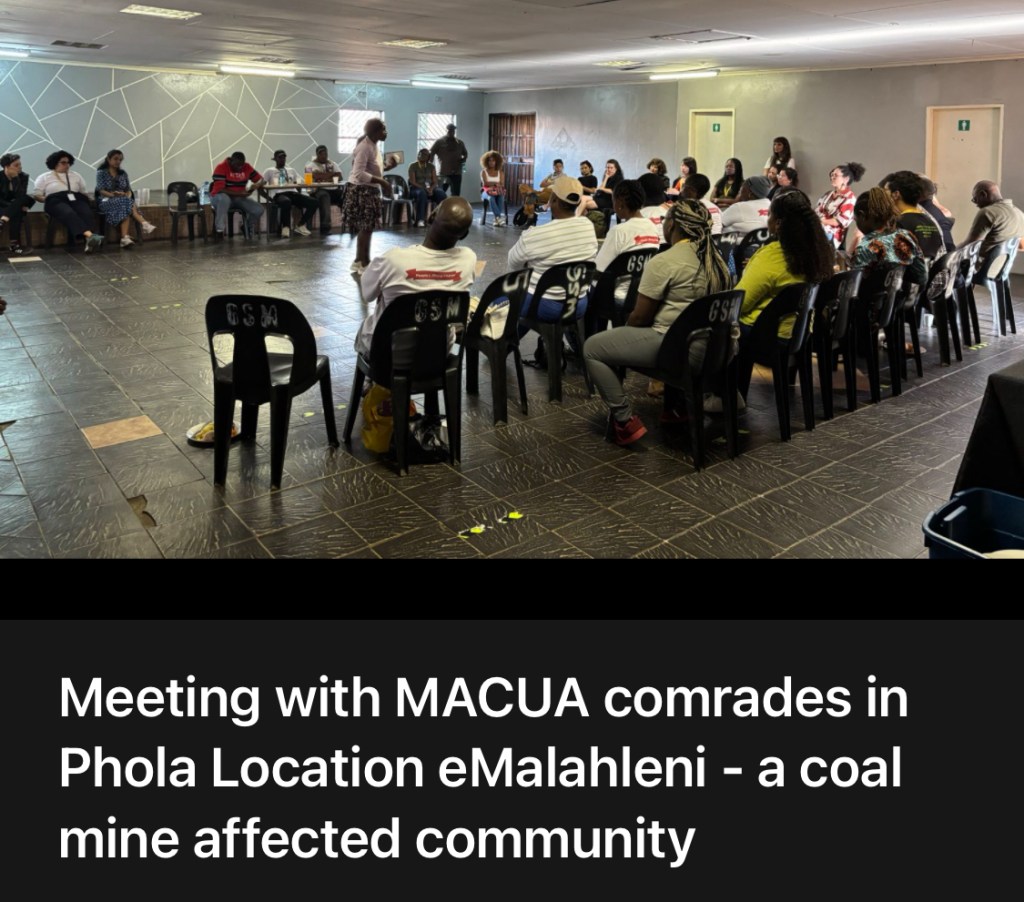
Townships like Phola in eMalahleni, Mpumalanga Province, are surrounded by mines exploitations and power plants, yet residents suffer regular power outages and water shortages. Local hospitals and clinics, often under-resourced and overcrowded, fail to adequately serve communities battling chronic illnesses caused by pollution and poor sanitation.

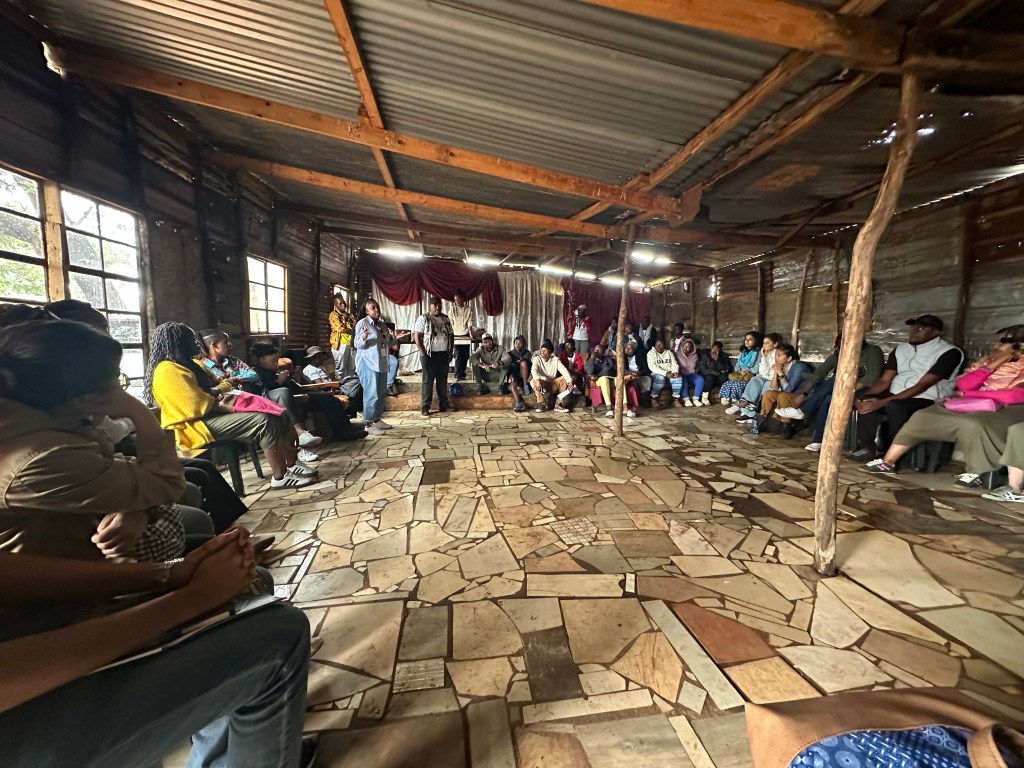
During our visit to coal-affected communities in Mpumalanga, residents expressed deep concerns regarding government’s proposed “just energy transition.” Community members expressed fears over employment instability. Coal mining currently sustains thousands of jobs in the region; however, transitioning to renewable sectors such as solar energy might drastically reduce available employment. Residents highlighted specific anxieties about job numbers, noting that while mines employ large workforces, proposed solar projects might offer only a handful of positions. This stark contrast underscores their apprehension about economic security and stability.

Additionally, communities raised significant issues around engagement and information-sharing. They felt largely excluded from discussions shaping their future, with critical details about the energy transition rarely reaching beyond small groups. The harsh realities were voiced clearly by a young leader in Phola who sharply criticized plans for a transition from coal to hydrogen energy. He described the proposed “just transition” as “a scam,” arguing passionately that such policies exclude local communities, who fear even higher levels of unemployment and deeper poverty.

Community skepticism was fueled not by resistance to scientific change but by a historical mistrust rooted in persistent structural injustices and exploitation. Residents emphasized that meaningful participation, genuine transparency, and clear communication from authorities are crucial for any transition to be truly “just” and inclusive.

Progress Amidst Inequality: Foundations of South Africa’s Post-Apartheid Development

Despite significant ongoing challenges, South Africa has made notable strides in economic and social development since the end of apartheid. The mining sector, historically pivotal, laid the foundations for the country’s modern economy, facilitating important regional economic linkages through remittances and industrial supply chains. Revenue generated from mining and related industries has enabled substantial public investments, notably in social protection programs such as social grants, which support millions of vulnerable South Africans. Additionally, progress has been made in expanding basic infrastructure, improving access to health services, education, water, and electricity for large segments of the population previously excluded from such essential services. Although these systems currently face considerable strain, their establishment represents meaningful advancements towards social equity and economic inclusivity.

Supporting Social Movements: The Power of People

Social movements represent the real heartbeat of South Africa’s democratic potential. Organizations such as MACUA (Mining Affected Communities United in Action), a nationwide radical network, highlight this power strongly. MACUA is driving grassroots resistance to exploitation by mining corporations, challenging corruption, and pushing for accountability in community consultations.

Our discussions with MACUA representatives stressed the importance of authentic partnerships with social movements. As articulated by activist leaders: “We want partners to walk side by side with us, not ahead of us.”

They further urge partner to:

  •  Invest in building community capacity to advocate autonomously for their rights.
  • Facilitate platforms where marginalized community voices inform policy decisions, especially regarding environmental justice and economic transitions.

Their powerful stance reflects a broader desire for autonomy, dignity, and effective participation in decision-making processes.

Land, Justice, and Economic Reform: Reclaiming Dignity

One of our resource persons, brought our attention to the enduring challenge of land justice; calling landlessness an engineered crisis born of centuries of settler colonialism. The prolonged legacy sees up to 72% land ownership still concentrated within a small white minority, causing indignity for millions.

The absence of meaningful economic reform further entrenches inequality. South Africa, once heavily reliant on mining, has struggled to diversify and democratize its economic base. Advocates demand comprehensive policies geared toward economic redistribution and genuine transformation, insisting that “Land reform has become land management; what we need is land justice.”

The way Forward: Inclusive Prosperity

Our learning tour crystallized a critical realization: South Africa is at a crossroads. Coalition politics, economic diversification, just energy transitions, and geopolitical repositioning must be leveraged to genuinely include marginalized communities. Unity governance cannot be superficial; it must empower communities, enabling them to reclaim their agency and dignity.

The journey towards genuine democracy and sustainable development in South Africa continues. As we concluded our visit, reflecting on diverse narratives shared with us, it became clear that South Africa’s future rests not only in policy frameworks or electoral politics but fundamentally in the strength and resilience of its people and their persistent struggle for a truly inclusive, just, and prosperous society.

Amandla! Aweetu! Power indeed belongs to the people.

Harnessing Youth Power & Innovation for Rights, Equity & Justice: Reflections from my participation in the “Ideas Festival” in Kenya

As I conclude my learning visit to Kenya for the Ideas Festival, I leave inspired, challenged, and more determined than ever. Over two powerful days, I engaged with young people from various sectors, local experts, community leaders, and grassroots advocates , all united in their desire to tackle the deep and complex crises shaping their country and the African continent in general.

The Ideas Festival was sponsored by the Open Society Foundations and co-organised with partners, mostly youth organizations in Kenya.

From these vibrant conversations, one truth stood out: Africa’s future depends for a large part on its youth, their power, their creativity, and their resilience.

A Call to Reimagine Africa

In every session and exchange, the message was clear: the time for lamentation is over, the future must be claimed, it will not be given.

The festival was more than an event; it was a movement. One that places young people at the center of Africa’s response to the ongoing polycrisis, a convergence of economic instability, civic erosion, social inequality, and environmental challenges.

Rather than treating youth innovation as a distraction, we must embrace it as a catalyst for justice, economic development, and democratic accountability.

Throughout the festival, three guiding goals anchored our conversations:

  • Collaboration
  • Engagement
  • Shared Solidarity

Discussions highlighted some of the most pressing issues facing Kenya and the wider continent:

  • Economic hardship fueled by debt, poor policies, and corruption
  • Youth exclusion from political leadership and decision-making.
  • Rampant corruption: public resources are plundered while citizens suffer.
  • Shrinking civic space and rising police brutality, especially targeting the youth.
  • Public distrust in institutions and weak policy implementation.
  • Inequitable access to technology, education, and economic opportunity.

These challenges demand urgent, coordinated responses, not tomorrow, but today.

Youth Power in Action

Kenya’s youth are not waiting for permission to lead change. One standout example was the recent youth-led protests that successfully reversed a controversial tax bill. This was a vivid demonstration of civic engagement and people power in action.

Across the country, young people are using technology, art, and collective action to demand accountability, amplify marginalised voices, and push for change. They are innovating not only in the tech space but also in reimagining advocacy and governance.

And yet, we must go further. There’s a critical need to:

  • Ensure equitable access to technology and innovation.
  • Integrate AI into education so young people are not left behind.
  • Build digital and civic infrastructure that reflects African realities.
  • Strengthen inter-African connectivity, not just internationally, but within the continent itself.

Africa must learn to play the long game, building systems that serve generations, not just political cycles

7 Ideas to Address the African Polycrisis

From these dialogues I retained 7 key areas where urgent, transformative action is needed:

1. Political and Civic Inclusion

  • Dismantle systemic barriers to youth leadership.
  • Promote civic education and access to digital participation tools.
  • End the myth that young people lack experience.

2. Economic Justice & Reform

  • Push for inclusive, redistributive economic policies.
  • Demand social accountability in budgeting and public finance.
  • Advocate for debt justice and fair economic models.

3. Fighting Corruption

  • Support whistleblower protections and transparent information-sharing platforms
  • Strengthen regional anti-corruption frameworks.
  • Call for a Pan-African debt audit and accountability mechanism.

4. Innovation to service development

  • Fund and elevate youth-led solutions grounded in local contexts.
  • Move away from copy-paste Western models in favor of culturally-rooted innovation.

5. Intergenerational Solidarity

  • Encourage mentorship between senior leaders and youth.
  • Document and share knowledge to build lasting leadership structures.

6. Funding the Change

  • Rethink funding models to include solidarity economies, regional funds, and domestic resource mobilization rooted in integrity.

7- Deliberately invest in industrialization

  • Avoid over-reliant on raw commodity exports. Industrialization will help diversify economies by building value chains, reducing vulnerability to global price shocks
  •  Strengthening Intra-African Trade. Make the African Continental Free Trade Area (AfCFTA) at play
  • A industrial base fuels research, development, and tech transfer, key to building Africa’s competitiveness in the global economy.

In conclusion

The discussions in Kenya reminded me of what’s possible when we listen to young people, not as a demographic box to check, but as co-creators of the continent’s future. They are not just tomorrow’s leaders; they are today’s disruptors, builders, and visionaries.

Let’s build the future together.