At the IMF-World Bank Spring Meetings, Africa Must Show Up Strategically

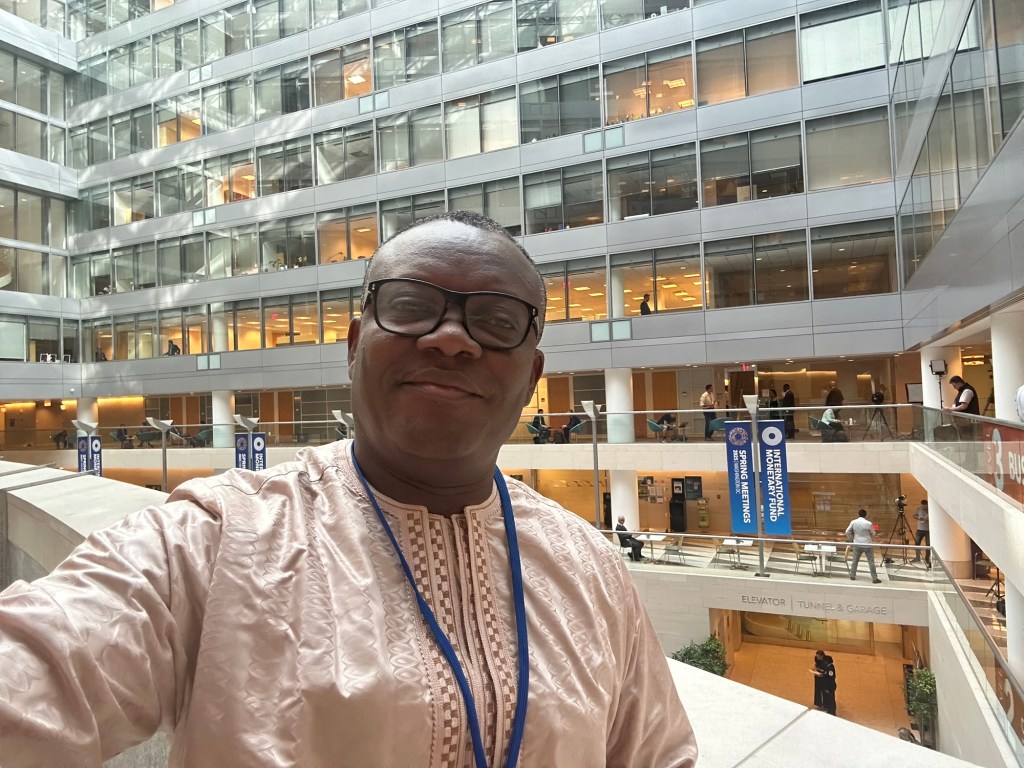
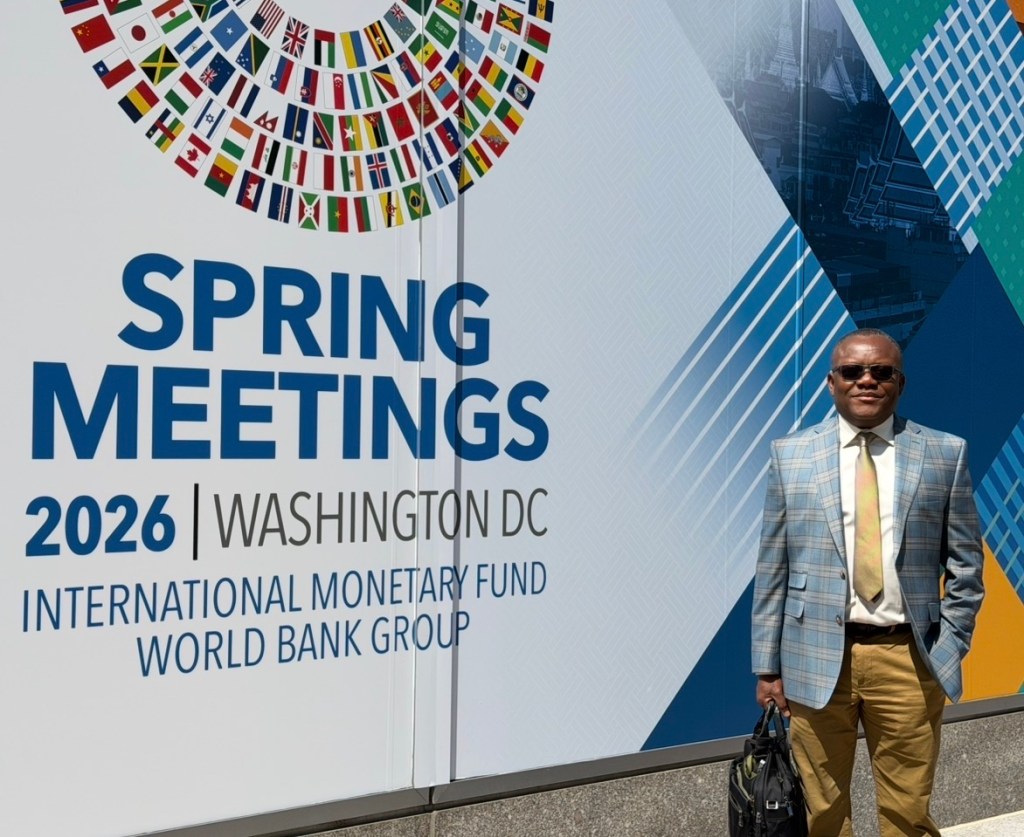
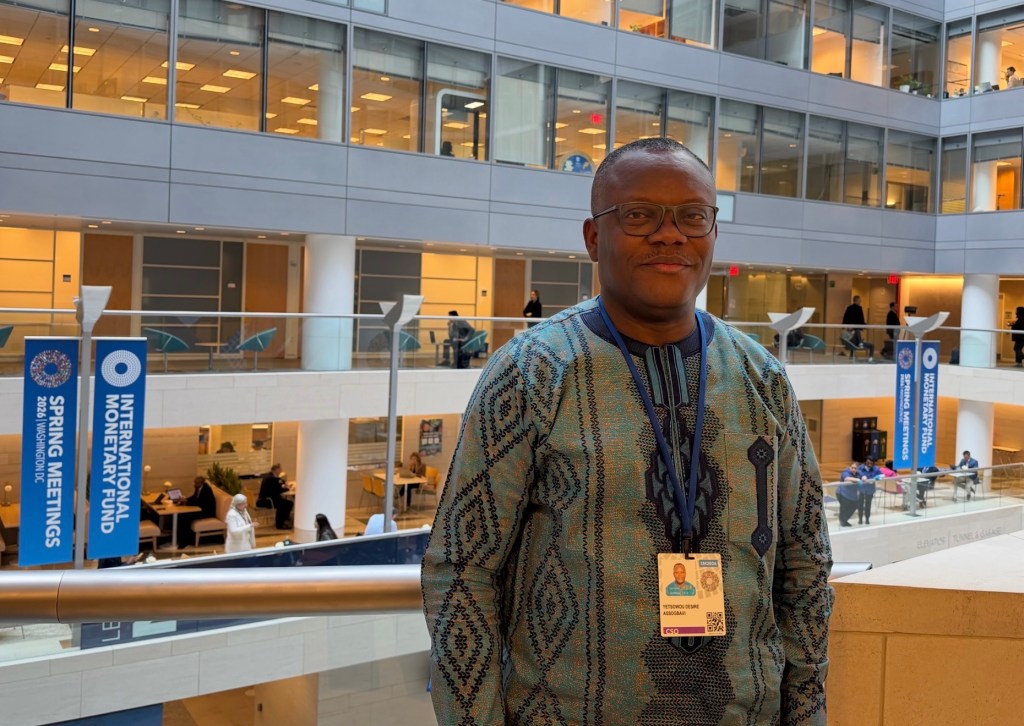
I am in Washington, D.C. this week alongside my OSF colleagues and partners to participate in the Spring Meetings of the International Monetary Fund and the World Bank Group.

Twice a year, this gathering brings together finance ministers, central bank governors, development institutions, and civil society. It is often described as technical, but these meetings are among the few global spaces where the rules of the international financial system are debated, and, in many ways, shaped.

What happens here determines how countries borrow, how they respond to crises, and whether governments can invest in their people. It influences whether schools are built, hospitals are funded, and jobs are created. In short: what is negotiated in Washington travels directly into everyday life across the Global South.
A World of Shocks and a System Under Stress

This year’s Spring Meetings are taking place under a unifying concern: how to manage volatility and strengthen resilience in a world of compounding shocks.

In her curtain raiser, IMF Managing Director Kristalina Georgieva described a global economy hit by a “large, global, and asymmetric supply shock”, a reminder that instability is no longer episodic, but structural.

The scale of disruption is significant:

  • Global oil supply was reduced by around 13%, with natural gaz flows down by 20%
  • Energy prices surged, with oil jumping from $72 to $120 per barrel at its peak
  • Up to 45 million more people risk falling into food insecurity, bringing the global total above 360 million

These shocks are transmitted through higher inflation, tighter financial conditions, and disrupted supply chains, affecting countries unevenly, depending on their exposure and policy space. The message from the IMF is clear: growth will slow, uncertainty will persist, and policy space will tighten.

Africa at the Intersection of Vulnerability and Opportunity

For Africa, these global dynamics are not abstract, they are immediate and constraining.

  • Public debt across the continent stands at roughly $1.1 trillion
  • More than 20 countries are in or near debt distress
  • Debt servicing absorbs around 15% of government revenues
  • Borrowing costs remain close to 10%, far higher than in advanced economies

At the same time:

  • Over 80% of countries globally are net oil importers, placing many African economies among the most exposed to energy shocks
  • Climate finance remains deeply insufficient, with Africa receiving only about 3% of global flows, much of it as debt

Yet Africa is not only vulnerable, it is central to the future of the global economy.

The continent holds critical minerals essential to the energy transition, represents a rapidly growing share of the global population, and is emerging as a key frontier for industrialization and innovation. This dual reality, high vulnerability and high strategic relevance, defines Africa’s position today.

Why These Meetings Matter More Than Ever

Institutions like the IMF and the World Bank Group shape global economic outcomes. They influence:

  • How debt crises are resolved, …or prolonged
  • The terms and conditions of financing
  • The fiscal space available to governments
  • The global response to development and climate challenges

At a time when the IMF itself projects a downgrade in global growth even under optimistic scenarios, these decisions carry even greater weight.

Africa Must Show Up Differently

In this context, showing up is not enough. Africa must show up strategically. This means engaging not only in formal sessions, but also in shaping the conversations that define outcomes.

Throughout the week, we are contributing to discussions on:

  • The future of multilateralism and industrial policy in a shifting geopolitical landscape
  • Managing volatility and rethinking capital flows in a fragmented global economy
  • Strengthening the voice of borrower countries in global financial governance

These are critical spaces where ideas evolve and coalitions form.

Critical Minerals: From Resource Wealth to Strategic Power

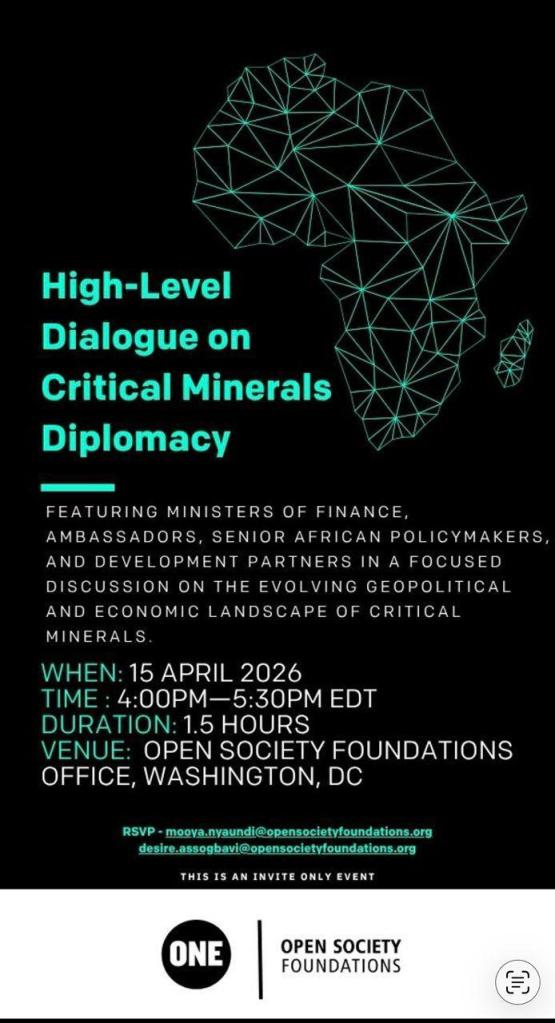
One of the most important conversations this week, and one I am directly engaged in is around critical mineral diplomacy.
Africa holds a significant share of the minerals that power the global energy transition, cobalt, lithium, manganese, and more. Yet historically, the continent has captured only a fraction of the value generated from its resources. To address this, we are convening a closed-door Policy Dialogue on Critical Mineral Diplomacy with African delegations on the margins of the Spring Meetings. This is not just another side event.

It is a strategic space to:

  • Align African positions ahead of global negotiations
  • Share insights on evolving partners’ industrial and supply chain strategies
  • Strengthening negotiating capacity to secure better deals
  • Advance a collective vision for value addition, industrialization, and sovereignty over resources

In a multipolar world, minerals are no longer just commodities, they are instruments of geopolitical leverage. The question is whether Africa will use them as such.

What Must Change
There will be no shortage of declarations this week. But the IMF’s message is unequivocal: the world has a fiscal space problem, and policy choices are becoming more constrained. In this context, incremental change will not suffice.

Three shifts are essential:

  • From slow and fragmented debt restructuring to predictable and fair solutions
  • From expensive capital to affordable, development-oriented financing
  • From fragmented national positions to coordinated African agency

A Moment for Agency

The global economy is being reshaped in real time. Energy systems are shifting. Financial conditions are tightening. Geopolitics is redefining trade and investment. Moments like this determine who sets the rules, and who lives with them.

Africa has resources, the demographic weight and the strategic relevance. What remains is coordinated action.
Will the 4th Financing for Development Gathering do Justice for Africa?

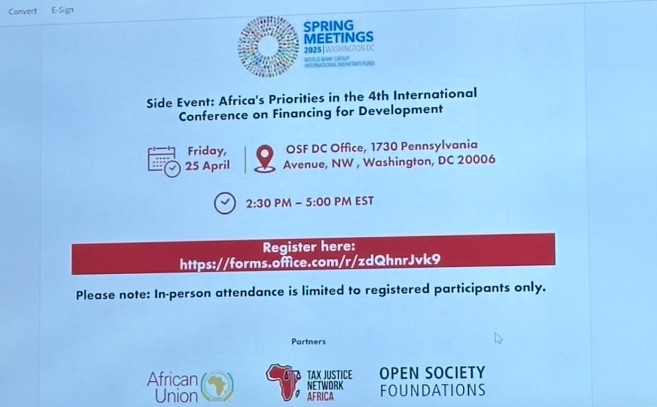
From different side discussions I participated in here in Washington DC on this subject matter, as we conclude the 2025 World Bank/IMF Spring Meetings, one message is abundantly clear: Africa must come prepared to the Fourth Financing for Development (FFD4) Conference in Seville. It should not be simply another global convening, FFD4 represents an unparalleled moment for the continent to redefine financial justice, assert its agency, and demand structural transformations within the global economic governance system.

The current global financial architecture is profoundly inequitable, marked by a historical bias that relegates African and other Global South countries to the periphery. Brian Kagoro, Managing Director for Programs at Open Society Foundations, rightly articulated that the present financial system was originally designed under assumptions of permanent inequality, with clear roles for “center” and “periphery.” This paradigm, no longer tenable, demands a complete reform, not cosmetic adjustments.

The Debt Crisis: Beyond Liquidity to Structural Reform

At the heart of Africa’s position for Seville, Spain must be the recognition that debt crises faced by African nations are not merely liquidity issues. Instead, they are deep-rooted structural and wealth crises resulting from systemic inequities. The Common Framework developed by the G20 has notably failed. Africa must champion a UN Framework Convention on Sovereign Debt, embedding principles of responsible lending, borrower rights, and genuine multilateral accountability mechanisms.

The Exclusion of African Voices in Debt Negotiations

Jason Braganza from AFRODAD stressed that the current debt restructuring approaches have failed Africa fundamentally. These processes, dominated by creditor institutions like the IMF, draw off vital public funds away from healthcare, education, and infrastructure into debt repayments. Seville must be the platform where Africa decisively argues for a debt resolution framework anchored in equity, transparency, and genuine partnership.

International Tax Cooperation: Reclaiming Democratic Space

Another critical dimension is international tax cooperation. Historically marginalized in global tax rule-making dominated by OECD countries, African states lose an estimated $89 billion annually through illicit financial flows and aggressive tax avoidance. Africa’s push for a UN Framework Convention on International Tax Cooperation represents not just an economic necessity but a reclaiming of democratic space and equitable representation in global economic governance.

The conclusions of the recent Summit of the Future reinforced this call by endorsing the establishment of a more inclusive, effective, and transparent global tax governance framework. Member States recognized the inadequacies of the current OECD-centered system and agreed to prioritize negotiations toward a United Nations Tax Convention. This shift offers Africa a vital opportunity to push for rules that ensure fair taxation of multinational corporations, address harmful tax competition, and guarantee that every country, regardless of size or economic power, has an equal seat at the decision-making table. For Africa, the road to Seville is not just about advocating for reform; it is about securing a transformative, legally binding mechanism that can reverse systemic revenue losses and reinforce the continent’s capacity for sustainable development.

Strengthening Domestic Resource Mobilization in Africa

Strengthening domestic resource mobilization (DRM) in Africa is a crucial pillar for building sustainable, self-reliant economies. African governments must invest in modernizing their tax systems to ensure efficiency, transparency, and the capacity to capture revenues from rapidly evolving sectors such as the digital economy. This includes implementing fair and progressive taxation, combating illicit financial flows, and strengthening regulatory frameworks that close loopholes exploited by multinational corporations. By improving domestic revenue collection, African countries can significantly reduce their dependence on external financing and debt, thereby reclaiming greater fiscal sovereignty to fund health, education, and infrastructure projects.

However, strengthening DRM cannot be confined to national reforms alone. Global financial rules must also evolve to support African countries’ efforts. As Mwila Mkosa from the Zambian mission to the UN emphasized, the international tax framework must be reformed to create an enabling environment for African states to effectively mobilize their domestic resources. This includes addressing harmful tax competition, reforming unfair global trade practices, and ensuring that African countries have an equitable voice in setting global financial and tax standards. At Seville, Africa must press for concrete commitments that bridge national reforms with international cooperation, ensuring that domestic resource mobilization becomes a genuine driver of inclusive and sustainable development

Rethinking Private Finance in Development

The upcoming FFD4 must critically address the role of private finance. The previous “billions to trillions” narrative, heavily reliant on private sector financing without adequate oversight, has proved largely illusory. Africa’s position should advocate for private finance to operate under robust governance frameworks that prioritize socio-economic transformation over narrow profit-driven outcomes.

Reimagining Multilateralism: Beyond the Status Quo

A consistent theme emerging from these discussions was the need to reimagine multilateralism, not to preserve a flawed status quo but to fundamentally redesign it. As Brian Kagoro aptly put it, “the world we want to save has not yet been born.” Africa must advocate for multilateral frameworks that genuinely reflect principles of equality, transparency, and mutual accountability.

We need concrete, Actionable Commitments at Seville

The outcomes from Seville must move beyond ambitious language to concrete, actionable commitments backed by accountability frameworks. Seville must differ from previous summits by producing commitments specific enough to allow for tangible monitoring and public accountability.

Africa stands at a crossroads. We have an opportunity at Seville to assert not only our needs but our rights, our right to fair participation, our right to equitable economic structures, and our right to control our developmental futures. The moment is ready for bold, strategic, and unified action. True reform is not merely about changing systems but about fundamentally shifting power dynamics. Africa’s call must be clear: reform of the global financial architecture is an urgent demand for justice, equity, and sustainable development. The stakes are high, the time for incremental adjustments is past, and the moment for profound, transformative change is now.