On 23 November 2025, the people of Guinea-Bissau queued for hours under the sun to choose their next president and parliament. Three days later, on 26 November, before the National Electoral Commission could publish the results, armed actors moved: soldiers surrounded key institutions, claimed “total control” of the country and halted the electoral process at gunpoint. On 27 November, the military high command installed Major-General Horta Inta-a Na Man as “transitional president” for a one-year period, while the deposed president, Umaro Sissoco Embaló, was escorted into exile. Call it a “staged coup”, a “self-coup” or a “corrective operation”, the label is irrelevant. What matters is the result: in the decisive hours after a national vote, the people’s verdict was hijacked at gunpoint.
By 29 November 2025, the African Union’s Peace and Security Council had suspended Guinea-Bissau from all AU activities, and ECOWAS had likewise condemned the takeover, suspended the country and demanded that the armed forces return to barracks and allow the announcement of the 23 November election results. This is not a minor constitutional hiccup. It is a direct attack on the fundamental right of citizens to choose and change their leaders, and a warning shot to every fragile democracy on the continent. If Guinea-Bissau’s coup, staged or “real”, is allowed to stand, it will become the new manual for incumbents and generals who want to cling to power while pretending to respect elections.
Africa simply cannot afford that. Not today, when we urgently need to focus on debt, jobs, climate, education and health, not on endless elite games in fatigues and suits. The African Union, ECOWAS and international partners must therefore draw a clear red line: this coup is illegal, illegitimate and intolerable. The 23 November election results must be published in full, an international investigation must expose the authors and sponsors, and sanctions must be so sweeping and personal that every potential putschist across the continent thinks twice before touching a ballot box or a constitution.
Here is my suggested roadmap in 7 points, that regional, continental and global institutions could act on urgently:
1. Staged or “real”, a coup is a coup, and it must not stand
Whether the events in Guinea-Bissau are labelled a “staged coup”, a “self-coup”, or a classic military takeover is a distraction. The bottom line is simple: armed actors intervened in the middle of an electoral process, blocked the announcement of results, dismantled constitutional institutions and installed a new authority by force. That is the textbook definition of an Unconstitutional Change of Government.
Africa, regional organizations and international partners must treat it as such: no recognition, no normalization, no excuses. Any government produced by this operation is born outside the constitution and should be treated accordingly.
Any attempt to “renegotiate” or massage the outcome in back rooms is not mediation; it is a continuation of the coup by other means. Democracy is not a menu you edit after seeing the numbers.
At most, there can be a very short, one-off exit window for the Guinean putschists: if, within a few days, they restore the elected authorities, allow the full publication of results, release detainees and return to their barracks, they can be considered for exemption from sanctions and prosecution. Beyond that narrow window, however, there should be no deals, no soft landing and no second chances.
2. We need an international investigation and real accountability
Guinea-Bissau cannot move forward on denial and amnesia. A time-bound, independent international commission of inquiry is essential to identify all those responsible:
the uniformed officers who appeared on camera;
the civilians who planned, financed or blessed the operation;
and any foreign actors who enabled it.
This commission should be mandated jointly by the AU, ECOWAS and the UN, with:
strong investigative powers and access to financial records;
protection for witnesses and whistle-blowers;
a clear path to justice, at national, regional or, if necessary, international level.
Impunity is the oxygen of every new putsch. That oxygen must be cut off.
3. Africa has anti-coup norms, let us enforce them
The problem is not the law; it is the double standards. In some crises, suspension and sanctions are immediate and robust. In others, political convenience and geopolitical interests dilute the response. That inconsistency is one of today’s biggest coup enablers.
When putschists see that some regimes manage to negotiate their way to recognition, they learn the lesson. Guinea-Bissau must be the case where Africa finally proves that the rules apply to everyone, no matter the rank, the rhetoric or the foreign friends.
4. Sanctions: Travel bans, asset freezes and no safe havens
If Africa wants to stop coups, sanctions must hurt the right people, not the population. That means:
Continent-wide travel bans on all coup leaders, their immediate families and key civilian sponsors – covering every AU and REC member state, with coordinated lists shared in real time. No shopping in Johannesburg, no medical trips in Tunis, no quiet conferences in Nairobi or Addis while citizens sit under military rule.
Global travel bans aligned with the AU position, extending to Europe, the Americas, the Middle East and Asia. Putschists must know that any airport can become a point of arrest, not a transit lounge.
Comprehensive asset freezes, targeting:
bank accounts, companies and properties held by coup leaders and their associates;
front companies and proxies used to hide wealth, including assets registered in the name of spouses, relatives, business partners or shell firms. Where necessary, beneficial-ownership investigations should be launched to expose these networks.
A business blacklist: firms, lobbyists and political consultants who knowingly facilitate or profit from coup-born regimes should also face sanctions and exclusion from public contracts and international financing.
These measures must be automatic and coordinated: once the AU and ECOWAS determine that an Unconstitutional Change of Government has occurred, a standard sanctions package should be triggered within days, not debated for months. No more ad hoc bargaining, no more selective outrage.
5. Declare coups a serious crime with no prescription
Africa must also send a clear legal message: a coup is not just a political event; it is a crime, and one that should carry no statute of limitations.
National laws, the AU legal framework and REC protocols should recognize the orchestration or support of an Unconstitutional Change of Government as a serious offense, comparable to high-level corruption or grave violations of constitutional order.
Those responsible should remain permanently liable to prosecution, even after they leave office or flee abroad. Time should not wash away the crime.
Amnesty deals that shield coup leaders from accountability should be strictly limited and subject to continental scrutiny; they must not become the default escape route.
By declaring coups a crime with no prescription, Africa would send a simple signal: even if you outlast this sanctions cycle, the knock on the door can still come in five, ten or twenty years. There will be no safe retirement for those who gain power by breaking the constitutional order.
6. This is about Africa’s economic and social future
Every coup, whether dressed up as “correction”, “transition” or “staged drama”, is a tax on Africa’s future. It scares away investment, deepens debt distress, fuels capital flight, weakens institutions and diverts energy from the real work such as creating jobs and decent livelihoods, reforming economies and fixing broken tax and debt systems, investing in health, education and climate resilience.
Guinea-Bissau is a fragile country that cannot afford yet another cycle of elite games between politicians, generals and traffickers. But the same is true across the continent.
The path forward is clear:
ECOWAS and the AU must maintain suspension of Guinea-Bissau and refuse to recognize coup-born authorities.
The election results must be published in full, with international support.
An independent international investigation must establish the truth and trigger tough, personal sanctions travel bans, asset freezes and legal proceedings.
The AU and RECs must update the definition of coups, make sanctions automatic, and treat coups as crimes with no statute of limitations.
At this moment, Africa can no longer tolerate coups, in khaki or in suits, while a whole generation waits for economic opportunity and social justice. Guinea-Bissau is not only a national crisis; it is a continental test.
If Africa stands firm here, together with its regional economic communities and global partners, it will send a powerful message: the age of playing games with the people’s will is over, and those who try will pay a permanent price.
7. Constitutional term-limit manipulation is also a coup
One of the most urgent debates Africa must stop dodging is this: when a leader changes the constitution to stay in power indefinitely, is that not also a coup? The African Charter on Democracy, Elections and Governance already gives us the answer. Article 23 is explicit that an Unconstitutional Change of Government includes any amendment or revision of the constitution or legal instruments that undermines the principles of democratic change of government.
In plain language, when incumbents abolish or reset term limits, rewrite electoral rules just before a vote, or redesign institutions so that alternation becomes impossible in practice, they are not “reforming” the system, they are seizing by legal means what generals seize by force of arms.
If we want citizens to take continental norms seriously, the African Union and Regional Economic Communities must say, clearly and publicly: unlimited term obtained by dismantling term limits is not more legitimate than a coup d’état, it is a constitutional coup. The same sanctions we demand for military putschists, suspension, travel bans, asset freezes and long-term political ineligibility, should also apply to leaders and coalitions that mutilate constitutions to rule for life. Otherwise, we send a disastrous message to African citizens: that the soldier who breaks the door with a gun is condemned, but the politician who quietly locks it from the inside is rewarded.
If you’d like to receive my articles automatically as soon as they’re published, simply follow this blog using the “Follow” button at the bottom left of this page or send me an email at: Desire.Assogbavi@Assodesire.com
When elections cease to be a moment of choice and become an instrument of control, democracy turns into theater and citizens, no longer believing in the script, start to write their own story in the streets. The unfolding crisis in Tanzania is another troubling chapter in Africa’s growing catalogue of democratic rituals without governance substance.
Tanzania, once hailed as a stable democracy in East Africa, is now facing its most serious political unrest in decades. The October 2025 elections, meant to reaffirm democratic legitimacy, instead exposed the fragility of the country’s institutions. Following a tightly controlled vote, President Samia Suluhu Hassan was declared the overwhelming winner, some constituencies reporting absurd margins of 100,000 votes to less than 100 for the opposition. But beyond the numbers, the scenes on the ground tell a different story: cities under curfew, internet blackouts, and live ammunition fired at unarmed civilians.
Witnesses in Dar es Salaam, Arusha, and Mbeya describe a climate of fear and chaos. Human rights organizations indicate that hundred have been killed in just a few days, as security forces cracked down on protestors contesting what they see as an empty ritual of democracy. Lawyers, journalists, and opposition figures have either been silenced or disappeared.
Democracy Without Oxygen
Like Cameroon and Côte d’Ivoire, Tanzania’s crisis is not merely electoral, it is structural. It reflects a pattern where regimes hold regular elections but hollow out the very foundations of democracy: accountability, pluralism, and citizen participation. The symptoms are familiar, youth unemployment, corruption, shrinking civic space, and the instrumentalization of state institutions for political survival. When people cannot breathe politically, repression becomes their air, and protest becomes their only language.
The government’s response, labeling demonstrators “criminals” and tightening its grip on digital communication, has only deepened the divide. Cutting the internet and silencing dissent does not restore order; it merely postpones reckoning. Tanzania’s young population, frustrated by joblessness and impunity, is no longer willing to watch in silence as its future is mortgaged to a small elite. As one activist put it, “There is no oxygen left, we can’t speak, we can’t tweet, we can’t hope.”
A Continental Warning
Tanzania’s turbulence is another call for Africa’s democratic institutions who still measure progress by the number of elections held rather than their integrity. Our continent is sliding into a dangerous normalization of managed democracy, where ballots replace bullets, but the outcomes are just as predetermined.
For us at the Open Society Foundations (OSF), guided by our unwavering commitment to promoting human rights, equity and justice across the world, this moment demands not just condemnation but deeper engagement, supporting those on the frontlines of civic courage, amplifying independent voices, and pressing for genuine institutional reforms that go beyond the façade of periodic voting. The crisis in Tanzania, like those in Cameroon and Côte d’Ivoire, reminds us of that Africa’s democratic project will not be saved by rituals, but by renewal, rooted in justice, inclusion, and accountability. When citizens risk their lives to make their voices heard, the world cannot afford to look away. What is happening in Tanzania today is not just a national crisis; it is a mirror held up to a continent standing once again at a democratic crossroads.
If you’d like to receive my articles automatically as soon as they’re published, simply follow this blog using the “Follow” button at the bottom left of this page or send me an email at: Desire.Assogbavi@Assodesire.com.
The “re-election” of the old long-standing leaders in Cameroon and Côte d’Ivoire indicate a sad reality for African democracy. At 92 years old, Paul Biya has “secured” an 8th term in office in Cameroon, extending a presidency that has spanned nearly half a century. In Côte d’Ivoire, constitutional maneuvering and the instrumentalization of judicial institutions have opened the door for Alassane Ouattara, 83-year-old, who has been in power since 2011 to seek and obtain a fourth term without real democratic competition. These two developments reflect a deeper question confronting the continent: Are we practicing democracy, or just staging it?
Africa is the youngest region in the world. Nearly 75% of its population is under 35: bold, connected, and impatient with political systems that do not evolve with them. For this generation, democracy is not just about ballots; it is about participation, accountability, and leadership that reflects their aspirations. But what is the message sent when elections lack credible competition, when power transitions are continually deferred and when institutions bend to protect incumbents rather than empower citizens? Elections become just a ritual without renewal.
Both Cameroon and Côte d’Ivoire demonstrate how institutions weaken when leaders become “indispensable”. Electoral bodies lose independence. Constitutional protections are eroded. Civic space narrows. Courts and legislatures become extensions of the executive, not checks against abuse.
This institutional decay has regional consequences. Across West and Central Africa, term-limit manipulation and democratic stagnation fuel public distrust, creating fertile ground for coups, unrest, and extremist recruiting. Without legitimacy, stability becomes fragile. What just happened in the 2 countries are warning siren for the democratic future of an entire continent.
Legitimacy matters for everything: investor confidence, regional peace, migration patterns, civic trust, youth mobilisation. When governments give the impression that the rules are written to preserve themselves, not to empower citizens, then the social contract is spoiled. Democracy is not judged by how often elections are held but by whether people believe their voices matter.
The African Union’s credibility rests on its ability to uphold the norms it has set: constitutionalism, peaceful transitions, and governments that derive authority from the people. Allowing exceptions undermines the whole project.
Yet despite these challenges, hope is alive and loud. Youth movements, the GenZ, citizen monitors, women’s coalitions, independent media, and reform champions are demanding something better: a democracy that delivers and evolves.
This moment calls for action from regional bodies, international partners, and especially civil society organizations committed to justice, and accountability.
More than ever, we must help:
Protect civic space and activists under pressure
Support electoral integrity and institutional reforms
Create pathways for youth participation in governance and public service
Strengthen regional solidarity so that democratic backsliding anywhere triggers collective response everywhere
Document human rights violations and support litigations
Democracy is not self-sustaining. It must be renewed with every generation. Cameroon and Côte d’Ivoire are wake-up calls to us.
If Africa’s future is to be defined by opportunity and dignity, then the answer to “Who decides?” must be clear: the people. Not the palace. Not the presidency. Not the past.
If you’d like to receive my articles automatically as soon as they’re published, simply follow this blog using the “Follow” button at the bottom left of this page or send me an email at: Desire.Assogbavi@Assodesire.com
Our Namibia tour happened at a defining moment in the country’s history; just months after the election of President Netumbo Nandi-Ndaitwah, Namibia’s first female Head of State. This historic milestone offered a rich context for our engagements, providing us with great understandings of Namibia’s evolving democratic landscape, societal aspirations, and transformative potential.
Although the Open Society Foundations has yet to establish a permanent presence in Namibia, our learning tour significantly deepened our understanding, facilitated meaningful engagements across various sectors, and highlighted promising opportunities for future partnerships with both civil society and state actors.
The Promise and Paradox of Democratic Transition
Namibia stands at an important crossroads. The election of a female president and vice president has symbolized a profound shift, sparking renewed optimism, particularly among women and youth. However, our interactions revealed a prevalent concern: “We have a female president, but we remain with the same system.” SWAPO, Namibia’s ruling party since independence, faces a declining parliamentary majority, indicative of rising public discontent and heightened calls for structural reforms. The key challenge ahead is ensuring that leadership transitions are substantive rather than symbolic, driving tangible, impactful change in governance, socio-economic conditions, and justice frameworks.
Inclusive Dialogue and Reparative Justice
Our closing discussions, featuring a high-level panel including Vice President Lucia Witbooi, Members of the parliament, and prominent legal experts and civil society leaders, provided a profound exploration of Namibia’s negotiations with Germany concerning reparations for the 1904–1908 genocide. Civil society representatives passionately advocated for transparency, genuine participation, and inclusive negotiations, emphasizing that meaningful reparations require more than monetary compensation.
Forgiveness, Reconciliation, and Reparations
A central theme throughout our interactions was the complex interplay between forgiveness, reconciliation, and reparations. Vice President Witbooi drew on Rwanda’s experiences, advocating forgiveness as critical to healing national wounds. Yet, our own Brian Kagoro and other civil society advocates highlighted that forgiveness must follow genuine reparative actions and accountability measures. Brian notably argued for reparations as essential for “balancing the books,” requiring acknowledgment, restitution, and systemic change to prevent recurrence of past injustices.
Calls for Inclusive Participation
Our dialogues underscored the fundamental importance of inclusive participation in the reparations process. The critique of Namibia’s Joint Declaration with Germany underscored the need for meaningful involvement and agency of affected communities, ensuring transparent, inclusive processes and outcomes that genuinely reflect collective aspirations.
Tribal Identity: Strength, Resilience, and Risk
Throughout our engagements, the complexity of tribal identity in Namibia emerged consistently. While strong cultural affiliations to groups such as the Herero, Owambo, Nama, and Damara provide essential sources of identity and resilience, participants highlighted the challenges posed by tribal divisions. A particularly resonant observation was, “Tribe still determines what you get from the economy and who gets to speak.” The imperative, therefore, is integrating Namibia’s rich ethnic diversity into a cohesive national identity, addressing historical grievances without exacerbating existing inequalities or promoting exclusionary practices.
Youth Advocacy and Economic Justice
A critical highlight of our tour was the dynamic role played by Namibia’s youth in advocating for justice, dignity, and structural reform. Former MP Patience Masua eloquently outlined the frighting economic challenges facing Namibia’s younger generation, notably a youth unemployment rate exceeding 45%. Nevertheless, she identified hopeful initiatives such as tax incentives for youth-led enterprises, housing programs, and green energy projects. These initiatives underscore a vibrant, future-oriented vision among Namibian youth, who are determined to achieve systemic and intergenerational equity.
MP Utaara Mootu provided further insights, passionately articulating the emotional and historical resonance underlying young Namibians’ demands for justice. She emphasized that true reparative justice must include land reform, constitutional recognition, and socio-economic restructuring, ensuring that historically marginalized communities receive meaningful redress and opportunities for empowerment.
Katutura: History, Challenges, and Resilience
Our visit to Katutura, a historically marginalized settlement established during apartheid-era forced relocations, revealed Namibia’s ongoing struggles and resilient spirit. Guided by community experts, our exploration illuminated Katutura’s touching history of displacement, discrimination, and economic exclusion. Yet, despite these challenges, Katutura exemplifies vibrant community activism, where youth, women, and grassroots leaders drive transformative conversations around equity, justice, and political participation.
Community initiatives like Penduka (“wake up” in local languages) stood out as powerful examples of resilience, empowerment, and agency among women. Penduka fosters economic self-sufficiency and social empowerment, symbolizing Namibia’s grassroots capacity to address historical injustices through innovative community-driven initiatives.
Women’s Leadership: From Representation to Real Impact
Namibia’s current leadership structure is unprecedented: the president, vice president, speaker of the National Assembly, and numerous ministerial positions are occupied by women. This significant shift in representation has profoundly influenced societal perceptions, aspirations, and opportunities. A compelling anecdote shared by a participant highlighted how his daughter’s aspirations shifted dramatically from becoming a First Lady to aspiring to the presidency itself. This narrative change should not be superficial, it should represents a significant societal shift toward gender equality.
However, participants repeatedly stressed that representation alone is insufficient. True victory, they argued, lies in translating increased representation into tangible impacts, ensuring the safety, opportunity, and justice for all Namibians, particularly women and girls from rural and marginalized communities.
Namibia’s Role in International Reparative Justice
Namibia’s global engagement, particularly its stance on reparations and international justice, was thoroughly explored during our discussion. Former ministers of justice Yvonne Dausab and legal experts highlighted Namibia’s active involvement in advocating for reparative justice through international platforms such as the International Court of Justice (ICJ) and the African Union. Discussions emphasized the necessity of strategic legal training and capacity building to equip Namibian lawyers and civil society actors for effective engagement in international forums. This emphasis underscores the importance of a legally rigorous, inclusive approach to reparative justice that aligns with global standards while addressing Namibia’s specific historical contexts.
Celebrating Women’s Leadership and Transformational Justice
Our high-level closing panel explicitly celebrated women’s leadership in shaping Namibia’s political landscape and advancing the reparations agenda. Leaders recognized the critical historical and contemporary contributions of women in advocating justice, reconciliation, and societal transformation. The discussions affirmed women’s integral roles as leaders in peacebuilding and social justice initiatives, further reinforcing the necessity of gender-sensitive approaches to reparative justice.
Moving Forward Together
Namibia today navigates a delicate balance between historical memory and future aspirations. The nation continues to grapple with the profound legacies of colonialism, genocide, apartheid and structural inequalities, yet remains animated by resilience, courageous leadership, and proactive youth engagement.
As visitors, learners, and potential partners, our delegation departs inspired by Namibia’s courage and committed to amplifying its voice internationally. We recognize our shared responsibility to support Namibia’s journey towards a just, equitable, and open society.
To the Land of the Brave: May the future you envision rise powerfully through truth, inclusivity, collective voice, and transformative justice.
This tour has not only deepened our appreciation of Namibia’s complex socio-political landscape but also strengthened our resolve to collaborate in meaningful and impactful ways, championing justice, equity, and systemic change alongside Namibia.
Politics, Economics, and Geopolitical Repositioning
“Amandla! Aweetu!” (“Power to the people!”).
This slogan resonating deeply through South Africa’s history echoed throughout our Open Society Foundation Team Learning Tour in Johannesburg this week. Over a few days of rich interaction with community leaders, political analysts, activists, and ordinary citizens, one thing became clear: the struggle for genuine freedom and dignity in South Africa is far from over.
South African Democracy at 30: Gains and Pains
South Africa reaches three decades of democracy, marked by the end of apartheid and the rise of the African National Congress (ANC). Yet, this period is not celebrated unanimously.
As we engaged with local experts, social activists and ordinary citizens this pressing question emerged repeatedly: “Can we truly say we are free today?” Alarmingly, many South Africans we encountered felt democracy’s dividends remain elusive, summarizing their experiences by stating, “30 years of democracy have been painful, paid for in blood.”
While the advent of democracy signaled hope and equity, many comrades cited the erosion of trust in public institutions as democracy’s core crisis. Corruption, nepotism, and government inefficiency have fostered deep-rooted cynicism. One of the political experts we met, pointed out that liberation movements in Southern Africa are witnessing dramatic declines in public support precisely because they failed to deliver on their democratic promises. South Africa is no exception, with the ANC’s electoral dominance notably declining in recent years.
From Chains to Change: Our Inspiring Journey at South Africa’s Constitutional Court
Our visit to South Africa’s Constitutional Court as part of our Learning Tour was deeply moving; a reminder of how far this country has journeyed. More than just a court of law, the Constitutional Court is a living testament to South Africa’s courageous transformation from the shadows of apartheid to the light of democracy.
Built on the grounds of a former prison where countless men and women were unjustly imprisoned for their political beliefs or simply because of their race, the Constitutional Court stands today as a powerful symbol of redemption and resilience. Its walls, crafted from the very red bricks that once enclosed prisoners, represent a profound act of reclaiming pain, transforming it into purpose, and embracing the lessons of history to shape a brighter future.
Holding our meetings at Constitution Hill reinforced our belief in justice; not merely as a principle to uphold, but as a profound human experience to embody. This space remains a beacon of hope, dignity, and strength, reminding us that true justice must not only be delivered; it must be felt, deeply and unambiguously, by every citizen.
Coalition Politics and New Agendas
Amid declining single-party dominance, South Africa is increasingly governed by coalitions. Experts we engaged with noted that coalitions, while turbulent, also present unique opportunities for the voices of marginalized communities and social movements to influence policy agendas.
Yet, despite this opportunity, coalitions are still dominated by elites. “Even in coalitions, governments are still governments of elites”: said one of the invited experts. For social movements to effectively influence policies, they must become key stakeholders rather than merely beneficiaries of political gestures.
South African Economy: A Story of Unfulfilled Promises and Deepening Inequality
The economic realities we witnessed in South Africa underscore a troubling stagnation, sharply divided along racial and social lines. Today, over half of South Africans, more than 30 million people, live in poverty, struggling daily with food insecurity and inadequate housing. Youth unemployment escalated from 36.8% in 2014 to 45.5% in 2024, but this figure skyrockets to nearly 70% among black youth, who continue to bear the brunt of economic exclusion.
Townships like Phola in eMalahleni, Mpumalanga Province, are surrounded by mines exploitations and power plants, yet residents suffer regular power outages and water shortages. Local hospitals and clinics, often under-resourced and overcrowded, fail to adequately serve communities battling chronic illnesses caused by pollution and poor sanitation.
During our visit to coal-affected communities in Mpumalanga, residents expressed deep concerns regarding government’s proposed “just energy transition.” Community members expressed fears over employment instability. Coal mining currently sustains thousands of jobs in the region; however, transitioning to renewable sectors such as solar energy might drastically reduce available employment. Residents highlighted specific anxieties about job numbers, noting that while mines employ large workforces, proposed solar projects might offer only a handful of positions. This stark contrast underscores their apprehension about economic security and stability.
Additionally, communities raised significant issues around engagement and information-sharing. They felt largely excluded from discussions shaping their future, with critical details about the energy transition rarely reaching beyond small groups. The harsh realities were voiced clearly by a young leader in Phola who sharply criticized plans for a transition from coal to hydrogen energy. He described the proposed “just transition” as “a scam,” arguing passionately that such policies exclude local communities, who fear even higher levels of unemployment and deeper poverty.
Community skepticism was fueled not by resistance to scientific change but by a historical mistrust rooted in persistent structural injustices and exploitation. Residents emphasized that meaningful participation, genuine transparency, and clear communication from authorities are crucial for any transition to be truly “just” and inclusive.
Progress Amidst Inequality: Foundations of South Africa’s Post-Apartheid Development
Despite significant ongoing challenges, South Africa has made notable strides in economic and social development since the end of apartheid. The mining sector, historically pivotal, laid the foundations for the country’s modern economy, facilitating important regional economic linkages through remittances and industrial supply chains. Revenue generated from mining and related industries has enabled substantial public investments, notably in social protection programs such as social grants, which support millions of vulnerable South Africans. Additionally, progress has been made in expanding basic infrastructure, improving access to health services, education, water, and electricity for large segments of the population previously excluded from such essential services. Although these systems currently face considerable strain, their establishment represents meaningful advancements towards social equity and economic inclusivity.
Supporting Social Movements: The Power of People
Social movements represent the real heartbeat of South Africa’s democratic potential. Organizations such as MACUA (Mining Affected Communities United in Action), a nationwide radical network, highlight this power strongly. MACUA is driving grassroots resistance to exploitation by mining corporations, challenging corruption, and pushing for accountability in community consultations.
Our discussions with MACUA representatives stressed the importance of authentic partnerships with social movements. As articulated by activist leaders: “We want partners to walk side by side with us, not ahead of us.”
They further urge partner to:
Invest in building community capacity to advocate autonomously for their rights.
Facilitate platforms where marginalized community voices inform policy decisions, especially regarding environmental justice and economic transitions.
Their powerful stance reflects a broader desire for autonomy, dignity, and effective participation in decision-making processes.
Land, Justice, and Economic Reform: Reclaiming Dignity
One of our resource persons, brought our attention to the enduring challenge of land justice; calling landlessness an engineered crisis born of centuries of settler colonialism. The prolonged legacy sees up to 72% land ownership still concentrated within a small white minority, causing indignity for millions.
The absence of meaningful economic reform further entrenches inequality. South Africa, once heavily reliant on mining, has struggled to diversify and democratize its economic base. Advocates demand comprehensive policies geared toward economic redistribution and genuine transformation, insisting that “Land reform has become land management; what we need is land justice.”
The way Forward: Inclusive Prosperity
Our learning tour crystallized a critical realization: South Africa is at a crossroads. Coalition politics, economic diversification, just energy transitions, and geopolitical repositioning must be leveraged to genuinely include marginalized communities. Unity governance cannot be superficial; it must empower communities, enabling them to reclaim their agency and dignity.
The journey towards genuine democracy and sustainable development in South Africa continues. As we concluded our visit, reflecting on diverse narratives shared with us, it became clear that South Africa’s future rests not only in policy frameworks or electoral politics but fundamentally in the strength and resilience of its people and their persistent struggle for a truly inclusive, just, and prosperous society.
Amandla! Aweetu! Power indeed belongs to the people.
As I conclude my learning visit to Kenya for the Ideas Festival, I leave inspired, challenged, and more determined than ever. Over two powerful days, I engaged with young people from various sectors, local experts, community leaders, and grassroots advocates , all united in their desire to tackle the deep and complex crises shaping their country and the African continent in general.
The Ideas Festival was sponsored by the Open Society Foundations and co-organised with partners, mostly youth organizations in Kenya.
From these vibrant conversations, one truth stood out: Africa’s future depends for a large part on its youth, their power, their creativity, and their resilience.
A Call to Reimagine Africa
In every session and exchange, the message was clear: the time for lamentation is over, the future must be claimed, it will not be given.
The festival was more than an event; it was a movement. One that places young people at the center of Africa’s response to the ongoing polycrisis, a convergence of economic instability, civic erosion, social inequality, and environmental challenges.
Rather than treating youth innovation as a distraction, we must embrace it as a catalyst for justice, economic development, and democratic accountability.
Throughout the festival, three guiding goals anchored our conversations:
Collaboration
Engagement
Shared Solidarity
Discussions highlighted some of the most pressing issues facing Kenya and the wider continent:
Economic hardship fueled by debt, poor policies, and corruption
Youth exclusion from political leadership and decision-making.
Rampant corruption: public resources are plundered while citizens suffer.
Shrinking civic space and rising police brutality, especially targeting the youth.
Public distrust in institutions and weak policy implementation.
Inequitable access to technology, education, and economic opportunity.
These challenges demand urgent, coordinated responses, not tomorrow, but today.
Youth Power in Action
Kenya’s youth are not waiting for permission to lead change. One standout example was the recent youth-led protests that successfully reversed a controversial tax bill. This was a vivid demonstration of civic engagement and people power in action.
Across the country, young people are using technology, art, and collective action to demand accountability, amplify marginalised voices, and push for change. They are innovating not only in the tech space but also in reimagining advocacy and governance.
And yet, we must go further. There’s a critical need to:
Ensure equitable access to technology and innovation.
Integrate AI into education so young people are not left behind.
Build digital and civic infrastructure that reflects African realities.
Strengthen inter-African connectivity, not just internationally, but within the continent itself.
“Africa must learn to play the long game, building systems that serve generations, not just political cycles“
7 Ideas to Address the African Polycrisis
From these dialogues I retained 7 key areas where urgent, transformative action is needed:
1. Political and Civic Inclusion
Dismantle systemic barriers to youth leadership.
Promote civic education and access to digital participation tools.
End the myth that young people lack experience.
2. Economic Justice & Reform
Push for inclusive, redistributive economic policies.
Demand social accountability in budgeting and public finance.
Advocate for debt justice and fair economic models.
3. Fighting Corruption
Support whistleblower protections and transparent information-sharing platforms
Strengthen regional anti-corruption frameworks.
Call for a Pan-African debt audit and accountability mechanism.
4. Innovation to service development
Fund and elevate youth-led solutions grounded in local contexts.
Move away from copy-paste Western models in favor of culturally-rooted innovation.
5. Intergenerational Solidarity
Encourage mentorship between senior leaders and youth.
Document and share knowledge to build lasting leadership structures.
6. Funding the Change
Rethink funding models to include solidarity economies, regional funds, and domestic resource mobilization rooted in integrity.
7- Deliberately invest in industrialization
Avoid over-reliant on raw commodity exports. Industrialization will help diversify economies by building value chains, reducing vulnerability to global price shocks
Strengthening Intra-African Trade. Make the African Continental Free Trade Area (AfCFTA) at play
A industrial base fuels research, development, and tech transfer, key to building Africa’s competitiveness in the global economy.
In conclusion
The discussions in Kenya reminded me of what’s possible when we listen to young people, not as a demographic box to check, but as co-creators of the continent’s future. They are not just tomorrow’s leaders; they are today’s disruptors, builders, and visionaries.
My 7-Point Forecasts and Analysis of the Continent’s Political, Social, and Economic Landscapes.
We have just entered 2025! As we move into the mid-2020s, several indicators suggest that Africa is on the verge of a transformative era, provided the continent is effectively managed and stakeholders make the right choices. However, the year 2025—and likely the years to follow—also presents a range of challenges and uncertainties.
As I always do at the beginning of each year, I would like to share some reflections on the major opportunities and challenges our continent, its people, and institutions may face in 2025 and beyond. I will also share key upcoming/influencing moments to prepare for.
Inequality, conflicts and insecurity, youth and unemployment, migration, debt, development financing, electoral democracy, civic space, free movement of people, China, the BRICS, the new Trump presidency, etc. will occupy the policy and political debates and the daily life of Africans. Africans will expect much from the African Union with its new leadership and its so-called improved structure for a faster implementation of the Agenda 2063. Still, the regional economic communities will have increased responsibilities as they continue their difficult discussion on their scope of intervention, subsidiarity, and complementarity with the continental body.
With its 54 countries (55 AU member states) rich in diversity, culture, and resources, the continent will be playing an increasingly pivotal role in the global landscape.
Politically, Africa will continue witnessing waves of movements and civic engagements, mostly by young people demanding reforms, accountability, better governance, and better life conditions. In many countries, leaders will continue struggling to navigate pressing domestic demands and international pressures.
Socially, with a population expected to reach 1.5 billion in 2025, the youth bulge presents both opportunities and challenges. Employment will be a critical area of focus as young people demand opportunities to fulfill their potential. Additionally, issues related to social justice and human rights will continue to resonate.
Economically, Africa will need to speed on capitalizing on its immense potential to drive growth and innovation. The continent is rich in the most needed natural resources today. The deployment of the African Continental Free Trade Area (AfCFTA) represents a significant step towards economic integration and collaboration. 2025 may bring more progress in implementing the AfCFTA as African nations understand the importance of diversifying their economies and reducing dependency on external markets.
In 2025, African countries will enhance green mineral processing fueled by the aspirations to maximize the benefits of the extractive industries and leverage robust renewable energy resources. Mineral-rich countries will seek new partnerships to advance their value-addition objectives. This trend needs to be supported.
Given the ongoing global geopolitical trends, African countries will likely enhance their positions and secure more representation in global platforms, with the South African presidency of the G20, the African Union’s full membership of the group, as well as the inclusion of Ethiopia and Egypt in the BRICS.
Tensions between France and Francophone African countries that started with Mali, Niger, and Burkina Faso will likely escalate as more francophone countries reassess their historical ties with the former colonial power. As global power dynamics evolve, many Francophone African countries are increasingly looking toward new partners beyond France, including China, Russia, and other emerging economies seeking alternative pathways for development, trade, and security, leading to a gradual disillusionment with France as the primary partner.
Pressed by various actors, South Africa’s G20 Presidency launched a Cost of Capital Commission to investigate factors hindering low- and middle-income countries from accessing affordable capital. South Africa’s presidency presents a unique opportunity to enhance the continent’s development priorities on the global stage. The debt crisis in developing countries has escalated to critical levels. In Africa, public debt soared by 240% between 2008 and 2022, resulting in many nations allocating more resources to debt interest payments than to healthcare. This scenario hampers their capacity to invest in sustainable development and climate resilience.
By examining the trends, challenges, and opportunities that lie ahead, my aim in sharing these analyses at the beginning of the years has always been to provide a roadmap for policymakers, CSOs, philanthropies, businesses, and other stakeholders to navigate the complexities of Africa’s evolving landscape.
1/ Economic Growth, Inequality, and Poverty
Despite some economic growth and impressive resilience, Africa’s structural transformation will likely still be inconsistent in 2025.
According to the African Development Bank, growth in Africa is expected to increase only to around 4.3 percent in 2025. But given that economic growth does not automatically and immediately impact poverty reduction, the continent’s most challenging task is to ensure that the products of growth are distributed fairly and that they are no longer used to widen the gap between rich and poor, knowing that this is an important source of conflict.
Africa now has good reasons to invest in modernized agriculture, encourage and sustain productivity, and, of course, increase cultivable lands. This will have the threefold advantage of meeting the food needs of our people, creating jobs, and diversifying the economy. It will also promote regional trade among African countries, taking all the advantages from the AfCFTA.
Funding challenges will remain as African governments continue to face financing shortages, high borrowing costs, and looming debt repayments. To adapt to these challenges, in addition to the urgent need to reform the Global Financial Architecture, African countries should deploy internal structural reforms to diversify funding sources and their economies. The fight against illicit financial flows (IFF) should be intensified, as progress here will catalyze more fiscal space for governments.
Trade/AGOA: As the African Growth and Opportunity Act (AGOA) approaches its expiration in September 2025, the uncertainty regarding its renewal presents significant challenges for investment in key sectors like textiles, agriculture, and the automotive industry. AGOA has played a crucial role in facilitating trade and economic development between the United States and eligible sub-Saharan African countries by providing duty-free access to U.S. markets for a range of goods. However, as negotiations around its renewal progress, it is essential for the continent to secure a better deal. So, should AGOA renewal be placed on the agenda, the African side should advocate for a comprehensive review and enhancement of the agreement to ensure its effectiveness in the current landscape, particularly in light of the establishment of the African Continental Free Trade Area (AfCFTA). Here are key elements to consider:
Alignment of Trade Policy, including harmonizing regulations and standards across the participating countries to facilitate smoother trade flows between U.S. and African markets
Regional Value Chains to promote the development of regional value chains in Africa, allowing countries to collaborate on producing goods that meet AGOA requirements while leveraging the strengths and resources of multiple countries within the AfCFTA framework.
Specific Support for SMEs and Startups: Both AGOA and AfCFTA seek to foster inclusive economic growth, and reforms could include dedicated support for small and medium-sized enterprises (SMEs). Creating programs that assist SMEs in meeting export standards and accessing financing would bolster their capabilities to participate in global trade.
Trade Facilitation Initiatives: Integrating trade facilitation measures from AfCFTA into AGOA can streamline customs procedures and reduce trade barriers. This could include the adoption of technology in customs operations and cross-border trade facilitation measures that are consistent with AfCFTA protocols. Revisions to AGOA could also encourage partnerships between U.S. firms and African businesses participating in AfCFTA. Such collaborations can drive investment, innovation, and technology transfer, ultimately benefiting both economies.
2/ African Union Theme of 2025: “Justice for Africans and People of African Descent Through Reparations”
Reparations, encompassing reparatory justice for historical crimes and mass atrocities committed against Africans and people of African descent, have consistently been integral to the full decolonization process advocated by the then Organization of African Unity (OAU) and now the African Union (AU) since its establishment in 1963. Over the past three decades, the African Union has made numerous decisions and supported initiatives aimed at championing justice and advocating for reparations to Africans. It has also focused on the restitution of cultural artifacts, relics, and heritage that were pillaged during colonization and enslavement, working toward returning these items to the African countries from which they were taken. The Assembly of the Union decided that the theme of the Year for 2025 will be ‘‘Justice for Africans and People of African Descent Through Reparations.’’. Leaders have also designated the reparations for transatlantic enslavement, colonialism, and apartheid as a Flagship Issue and Project of the Union.
To enhance advocacy for an African common position on reparations and forge a united front on reparations for Global Africa, President Nana Akufo-Addo of Ghana was appointed as the African Union Leader on Advancing the Cause of Justice and Payment of Reparations to Africans. This appointment may be transferred to the new president of Ghana, John Mahama.
The upcoming AU Summit in February 2025 will likely adopt a roadmap for implementing the theme on the continent and in the diaspora.
3/ Human Rights, Governance and Electoral Democracy: Unfinished Business
Liberties and freedoms, civic and democratic space, justice, and the protection of civilians are still in trouble on the continent, mostly because regional and continental institutions remain silent.
Africa must also find a way out of the vicious circle of election credibility and the needed political alternation in power. Without this, our continent will continue its progressive descent into hell, thus undermining any prospect of economic development.
Change at the helm of power is a crucial aspect of the democratic game, particularly in contexts where institutions remain weak, and the electoral system is susceptible to manipulation. We need to keep discussing the issue of limiting presidential terms, as this is often the only effective way to remove leaders who persistently cling to power in the context of flawed elections. Currently, only a handful of African countries exemplify this democratic principle, including Ghana, Senegal, Botswana, and South Africa.
4/The African Union: A New Start?
The current leadership of the African Union Commission will be largely renewed during the February 2025 Summit. The current Chairperson, Moussa Faki from Chad, the Deputy Chairperson, Dr. Monique Nsanzabaganwa from Rwanda, and most of the commissioners should hand over power to newly elected officials for a four-year term.
In addition, Angolan President João Lourenço is likely to be appointed Chairperson of the AU for 2025 to replace the Mauritanian Mohamed Ould Ghazouani.
Angolan diplomacy, historically engaged in resolving continental conflicts, particularly in the Central African Republic and the Great Lakes region, has a golden opportunity to impact the continent.
President João Lourenço has several advantages. First, his role as a mediator between the Democratic Republic of Congo and Rwanda, to help end the conflict between the two neighboring countries provides him with experience and credibility. Second, his ability to maintain good relations with global powers—such as the United States, China, Russia, and the European Union—as well as with regional leaders, including India, Brazil, and South Africa, is essential for ensuring that Africa is given a greater presence in international forums.
5/ Peace and Security:
Peace and security remain a serious prerequisite for the continent’s development and progress and the well-being of its people.
Africa has not made enough progress in this area in recent years. In many cases, such as in Sudan, our institutions have not acted seriously on early warning signs that were quite visible. What our regional institutions need are courage and the political will to cut with old methods. For example, the leadership of the African Union Commission must be able to speak out loudly whenever national leaders are violating our shared values and challenge them. That is why we need strong and audible leaders at the AU Commission.
The current state of conflict on the African continent is marked by complex and interlinked dynamics. Major conflict situations are interconnected with sub-national issues across the five geographical regions, resulting in conflicts that are either spreading into new areas, involving an increasing number of actors, witnessing a rise in fatalities, or deteriorating overall due to the escalation of their root causes.
Regional crises will continue impeding development efforts. Wars, armed conflicts, and extreme weather conditions have forced millions to flee their homes.
As reported by the Internal Displacement Monitoring Centre (IDMC), approximately 35 million Africans were living as refugees or displaced persons within their own countries at the end of 2024.
Additionally, the convergence of global megatrends such as climate change, energy transition, and migration intensifies the already intricate conflict landscape in Africa. Climate change poses a significant threat to the continent, manifesting in rising temperatures, altered weather patterns, and environmental degradation. These challenges jeopardize agricultural productivity and food security while exacerbating existing regional vulnerabilities.
The ongoing shift toward cleaner and more sustainable energy sources offers both potential benefits and challenges for Africa. While this transition can help reduce carbon emissions and combat climate change, it necessitates considerable investment and infrastructure development. The lack of reliable energy access further deepens inequalities and can lead to social unrest.
At present, each region of Africa faces a distinct combination of these challenges, greatly influencing the continent’s conflict-related security landscape in unique ways.
Major Conflicts & Risky Situations to Watch Closely in Africa
In 2025, Africa will still have to manage the following hot spots:
Sudan: Sudan continues to face internal conflicts and political instability. I hoped that Sudan’s civil war would come to an end in 2024. Unfortunately, international mediation efforts have not succeeded. With ongoing support from foreign backers, the Sudanese Armed Forces (SAF) and the Rapid Support Forces (RSF) have resumed intense fighting in Khartoum, Al Jazirah State, and around Al Fashir in Darfur. In December, the Sudanese government accused Chad of having authorized the firing of Emirati drones from its soil and towards Sudan. The army, which is fighting the rebels of the Rapid Support Forces (RSF) of Mohamed Hamdan Daglo, known as Hemetti, now believes that N’Djamena is, through an alliance with the United Arab Emirates, directly engaged against it in the civil war, and in particular in the Darfur region. Looking ahead to 2025, international mediation efforts will advance little unless the current stalemate is resolved.
Sahel Region: Over the last decade, the region has been shaken by extremist uprisings and military coups. Three Sahelian nations, Mali, Niger, and Burkina Faso, are now ruled by military leaders who have taken power by force on the pledge of providing more security to citizens. The Security crisis is complex, and the situation is worsening with record numbers of attacks and civilians killed both by Islamic fighters and government forces.
Ethiopia: Ethiopia has been grappling with various conflicts, notably the conflict in the Tigray region, where fighting between the Tigray People’s Liberation Front (TPLF) and government forces has led to a humanitarian crisis, including mass displacement and reports of human rights abuses. Ethnic tensions and unresolved grievances in other parts of the country also contribute to the ongoing conflict.
DRC: The Democratic Republic of Congo’s complex and long-standing conflict situation is a pending concern for the continent’s stability. Various armed conflicts, including clashes between rebel groups, inter-communal violence, and attacks by armed militias, have plagued the country. The conflicts are often fueled by competition over natural resources, such as minerals, leading to violence and instability in the region. The eastern part of the DRC, particularly in the provinces of Kivu, continues to be a hotspot for violence in the fight between the government and the Rwanda-backed rebel group M23. This is leading to widespread casualty and displacement of civilians, human rights abuses, and a humanitarian crisis.
Ethiopia and Egypt: Their relationship has been strained since 2011 when Ethiopia started building and filling the Great Ethiopian Renaissance Dam on the Blue Nile, a project that Egypt sees as a significant risk to its water and food security. The situation worsened further as Egypt strengthened its relationship with Ethiopia’s competitor, Somalia. In addition to sending troops, weaponry, and ammunition to Somalia, Egypt plans to conduct joint military exercises with the country. Egypt’s warming relationship with Somalia has raised concerns in Addis Ababa, as Ethiopia disagrees with Mogadishu over a maritime agreement that Ethiopia recently reached with Somaliland.
Silencing the Guns by 2030: Beyond the Slogan: Unfortunately, this campaign, with an initial deadline set for 2020 and then moved to 2030, remains a slogan without serious action to realize it by tackling the root causes of the conflicts.
Efforts to silence the guns must extend beyond rhetoric; it is essential to significantly enhance the capacity of African institutions to proactively prevent conflicts in a more comprehensive and timely manner rather than relying solely on reactive conflict resolution strategies.
Conflicts across the continent emerge from various structural vulnerabilities, including environmental challenges, competition for access to and the illegal extraction of natural resources, social unrest driven by poor and unaccountable governance, the proliferation of illicit small arms and light weapons, and the rise of religious radicalization.
6/Prioritizing Socioeconomic Development Over Military Solutions
Achieving sustainable peace in Africa necessitates addressing the root causes of conflicts, which are frequently tied to poverty, inequality, limited access to education, and social injustices. By prioritizing socio-economic development rather than military solutions, African countries can create a foundation for enduring peace and prosperity for their citizens. It is essential to invest in sectors capable of driving economic growth and generating opportunities for the youth. The continent can establish an environment conducive to long-term stability and prosperity by directing resources toward these areas and implementing supportive policies.
Agriculture, the backbone of many African economies, offers significant potential for stimulating economic growth and creating employment opportunities for young people. With its vast arable land and an expanding population, Africa can harness agriculture to enhance food security, increase job prospects, and foster sustainable development. By investing in modern farming techniques, expanding market access, and supporting smallholder farmers, the continent can unlock the full potential of its agricultural sector and empower youth in rural communities.
Adding Value to Africa’s Strategic Critical Mineral Resources
Many conflicts on the continent are driven by the exploitation of natural resources. Therefore, African nations must prioritize taking control of and adding value to these vital resources. The strategic minerals in Africa—such as gold, diamonds, cobalt, platinum, and rare earth elements—are crucial for modern industries, including technology, green energy, and infrastructure. However, the extraction and trade of these resources have frequently been plagued by corruption and exploitation, resulting in instability and human suffering in various regions. African countries must assert their sovereignty over their mineral resources to disrupt this cycle of conflict and foster sustainable peace. By establishing transparent and accountable governance systems, countries can prevent the illicit exploitation of their minerals and ensure equitable distribution of benefits among their citizens. This approach will not only address the root causes of conflicts but also promote economic development and social advancement.
Pan-African institutions must work together to enhance understanding of the challenges within the mining sector and align with the African Mining Vision (AMV) objectives. Accelerating research and data collection to identify the key obstacles hindering the implementation of the AMV is also important. The continent must invest in building the capacity of stakeholders in the mining sector to tackle these challenges effectively and encourage collaboration among industry participants, government agencies, and civil society to develop innovative solutions for sustainable mining growth.
National governments should be empowered to implement policies encouraging value addition to mineral and agricultural products.
7/Africa and the Rest of the World
Africa has everything to gain by continuing to diversify its economic partners. The spectacular positioning of China and other new partners in Africa has openly changed the balance of power with traditional partners and reoriented the African economy and development process. But the continent must keep its eyes wide open. Africa’s partnerships (old and new) must contribute to the realization of our agendas 2030 and 2063, and we must ensure that social, human rights and equity standards are absolutely respected in the pursuit of these partnerships. Non-state actors have a major watchdog role to play here.
I do not anticipate a significant emphasis on Africa policy from the incoming Trump administration. However, the United States cannot afford to overlook Africa, as the continent is at a critical juncture that presents numerous opportunities for both economic and diplomatic engagement. With a population approaching 1.5 billion and an economy that has shown resilience amid global challenges, Africa is emerging as a key player on the world stage.
Key Moments in 2025 (This section will be updated as new events are planned)
African Union Summit & election of new AU leadership: 12-16 February 2025
50th Anniversary of ECOWAS: The Economic Community of West African States will celebrate its fiftieth anniversary in May 2025, at a moment when three founding members—Mali, Burkina Faso, and Niger—announced their withdrawal from the organization in January 2023. They have declared their decision to be irrevocable, despite attempts at mediation, and have subsequently established a new entity known as the Alliance of Sahel States (AES). Their official withdrawal from ECOWAS is set to take effect on January 29, 2025, in accordance with the organization’s regulations. The 50th anniversary of ECOWAS offers an opportunity to rethink and improve the mandates and working methods of the subregional body.
The 4th International Conference on Financing for Development will be held in Seville, Spain, from 30 June to 3 July 2025. The conference will address new and emerging issues and the urgent need to fully implement the Sustainable Development Goals and support reform of the international financial architecture.
Elections: Unlike 2024, 2025 is expected to be more stable, with fewer major elections, mostly in Cameroon, Côte d’Ivoire, and Tanzania, along with the promised end of transition in Gabon and Guinea. Here is the election calendar for 2025 by EISA. Further analysis of Africa’s upcoming elections can be found here.
Artificial Intelligence Summit in Kigali: On April 3 and 4, 2025, Rwanda will host the first Global AI Summit in Africa in Kigali. This event is organized by the Centre for the Fourth Industrial Revolution in Rwanda and the World Economic Forum. With the belief that AI could contribute $2.9 trillion to the African economy by 2030, the summit aims to explore economic opportunities for the African workforce. It will bring together global leaders, government ministers, CEOs, civil society representatives, startups, investors, and international organizations to shape Africa’s role in the global AI economy.
COP, Women’s Rights: 2025 will also mark the 10th anniversary of the COP21 Paris Agreement on Climate Change and the Sustainable Development Goals and the 30th anniversary of the Beijing Declaration and Platform for Action on Women’s Rights.
There is a growing demand and an urgency to increase the effectiveness of the United Nations’ abilities to maintain international peace and security. The current configuration of the UN Security Council does not reflect today’s geopolitical realities. For Africa, in particular, a continent of 1.4 billion people, having full permanent seats at the UNSC is not just about redressing a historical injustice. It is also a matter of legitimacy and credibility of the Council.
The current African common position, known as the “Ezulwini Consensus,” calls for two permanent seats with all the prerogatives and privileges of permanent membership, including the right of Veto, and five non-permanent seats.
The veto power has historically hindered the Council’s effectiveness and fairness in addressing global peace and security issues, so Africa is, in principle, in favor of its abolition to enhance the Council’s functionality. However, if member states opt to maintain the veto power, it should be extended to all new permanent members for the sake of fairness and justice. The UNSC reform should then consider either no Veto at all or a Veto for every permanent member.
So, it is unlikely that the continent will accept the United States proposal for two permanent seats without veto rights. Considering the current setting, a permanent membership of African countries at the UNSC without Veto Power is meaningless. It will look more like a “second-class” membership status. Some analysts in the continent see this status as a “Permanent Observer Membership” at the Council.
Which countries to represent Africa?
Despite the Ezulwini Consensus stipulating that the African Union should be responsible for selecting Africa’s representatives in the Security Council, the continent has so far been unable to establish the criteria for choosing the two African candidates for permanent seats among its 55 member states.
African countries must engage in constructive dialogue and collaboration to establish common goals and criteria for selecting representatives who will best serve the continent’s interests.
What factors should determine who represents the African continent? This process may involve considering factors such as capacity, geopolitical importance, diplomatic experience, regional representation, commitment to upholding international law and human rights, and the ability to play within this complex global system effectively.
Should the continent push countries with large populations and/or big economies and diplomatic capacity, such as Algeria, Nigeria, Egypt, Morocco, Ethiopia, or South Africa? Should a seat be reserved for the continental body, the African Union? On the latter, the difficulty will be that the African Union is still a purely intergovernmental body with no supranational authority. Member states maintain their sovereignty and decision-making power, and the AU only acts as a forum for coordination, cooperation, and consultation among its member states. The continent has serious homework to do on this.
Accountability
While deliberating on its representation, the African Union may also consider putting in place an accountability mechanism for its representatives at the UNSC. We know how proxy games, political influence, and pressure can impact decisions and votes at the United Nations. Recent history reminds us that in 2011, all three African non-permanent members of the Security Council (Gabon, Nigeria, South Africa) backed UNSC 1973, authorizing NATO’s military actions in Libya despite the African Union’s ongoing efforts to seek a peaceful solution to the crisis. The resolution was tabled by France, the UK, and Lebanon.
Going forwards…
An amendment to the UN Charter would be needed to change the composition of the Council. Article 108 of the UN Charter states that an amendment requires the support of all Permanent Five (P5) members and a two-thirds majority of UN member states in the General Assembly. This will surely not be an easy process.
The upcoming Summit of the Future, to be held on the margins of the UN General Assembly, creates an additional opportunity to correct global governance and reinvigorate the multilateral system, including a fair reform of the UN Security Council that recognizes the urgent need to make it more representative, inclusive, transparent, efficient, effective, democratic, credible, and accountable.
Le Président Américain Joe Biden organise un sommet avec les chefs d’État et de gouvernement africains à Washington DC du 13 au 15 décembre 2022. Ce sera le deuxième sommet américain avec des dirigeants africains, après celui organisé par le Président Obama en août 2014.
J’ai eu l’occasion de participer au Sommet de Barack Obama en tant que représentant résident d’Oxfam International auprès de l’Union africaine à l’époque, et j’ai eu à publier mes réflexions ici.
Dans cet article, alors que je me prépare pour prendre part au Sommet de Joe Biden pour le compte de ONE Campaign, j’aimerais partager quelques réflexions personnelles sur les enjeux de cette rencontre imminente.
Selon la Maison Blanche, le Sommet démontrera l’engagement des États-Unis envers l’Afrique et soulignera l’importance des relations entre les États-Unis et l’Afrique ainsi qu’une coopération poussée sur des priorités mondiales communes. Le sommet des dirigeants américains et africains vise à promouvoir et faire progresser la collaboration entre les États-Unis et l’Afrique sur les priorités mondiales et régionales les plus urgentes.
Sur l’Agenda
Selon la Maison Blanche, le Sommet des leaders d’Afrique et des Etats-Unis s’appuiera sur les valeurs, communes aux deux continents afin de mieux :
1- Favoriser un nouvel engagement économique
2- Promouvoir la paix, la sécurité et la bonne gouvernance
3- Renforcer l’engagement en faveur de la démocratie, les droits de l’homme et la société civile.
4- Travailler en synergie pour renforcer la sécurité sanitaire régionale et mondiale.
5- Promouvoir la sécurité alimentaire
6- Répondre à la crise climatique
7- Amplifier les liens avec la diaspora
L’importance géopolitique et économique de l’Afrique
De toute évidence, le Sommet sera le reflet de la nouvelle stratégie américaine à l’égard de l’Afrique, qui démontre l’importance cruciale du continent pour relever les défis mondiaux actuels. L’Afrique est un acteur géopolitique clé, qui façonne le présent et l’avenir du monde.
Avec une population à la croissance la plus rapide au monde, la plus grande zone de libre-échange, les écosystèmes les plus diversifiés et étant la plus grande force politique pour les votes aux Nations Unies, l’Afrique est un vaste continent organisé en cinq régions géographiques (Nord, Est, Ouest, Sud, Centre). Les aspirations actuelles du continent sont mis en évidence dans l’Agenda 2063 de l’Union Africaine – L’Afrique que nous voulons, un plan d’action visant à construire un continent intégré, pacifique et prospère qui occupe la place qui lui revient sur la scène mondiale.
L’importance stratégique du continent pour la sécurité et la prospérité régionales et mondiales et le rôle croissant et significatif qu’il joue dans la mise sur pied du système mondial de gouvernance ont fait de l’Afrique un acteur politique incontournable dans les discussions internationales. Cette importance se note clairement dans les divers types d’engagements diplomatiques et l’éventail des partenariats qu’elle établit avec différents blocs politiques et pays au cours des trois dernières décennies.
En outre, l’Afrique est très attrayante, avec ses ressources naturelles et humaines abondantes. Sa population majoritairement jeune, dynamique et résiliente, son énorme potentiel de développement, de commerce et d’investissement, entre autres, sont quelques-uns des grands atouts et avantages concurrentiels du continent.
Diplomatie des Sommets: une Tentative de Rattrapage ?
Depuis que le Président Obama a organisé le premier Sommet avec le continent en 2014, dans le but de contribuer à ouvrir un nouveau chapitre dans les relations américano-africaines, les États-Unis ont perdu du terrain face à leurs “concurrents” en Afrique. Entre temps, le président Trump avait choisi de dénigrer les pays africains et interdit à nombre de leurs citoyens de se rendre aux États-Unis, et le président Biden n’a pas fait grand-chose jusqu’à présent pour montrer son engagement envers l’Afrique.
Au cours des deux dernières années seulement, l’Union européenne, le Royaume-Uni, la Turquie, l’Inde et le Japon ont tenu leurs sommets avec le continent. La Chine a organisé son quatrième Forum triennal sur la coopération sino-africaine (FOCAC) au Sénégal, et la Russie tiendra son deuxième sommet africain en 2023. La Chine a nettement approfondi ses relations avec l’Afrique. Ses échanges commerciales avec le continent ayant augmentées 35 % en 2021 pour atteindre un pic de 254 milliards de dollars en atteste largement. En outre, la Russie a fait des percées notoires, les mercenaires du groupe Wagner, soutenus par le Kremlin, opérant désormais dans pas moins de 18 pays africains, selon le Centre d’études stratégiques et internationales de Washington.
Les récents votes des pays africains à l’Assemblée générale des Nations unies sont assez édifiants et indique clairement que le continent ne peut plus être considéré comme acquis. Le Président Biden comprend donc certainement que l’Amérique doit rattraper son retard dans ses relations avec l’Afrique et, surtout, adopter une nouvelle approche et de nouveaux langages différents des pratiques de l’administration américaine précédente.
Qui est invité au Sommet, et qui ne l’est pas ?
49 dirigeants des 55 États membres de l’Union africaine ont été invités. Les dirigeants du Mali, du Burkina Faso, du Soudan et de la Guinée, qui ont été suspendus de l’Union africaine, n’ont pas reçu d’invitation. L’autre critère d’invitation observé est inhérent à l’existence de relations diplomatiques. Le président Biden n’a, en effet, invité que les pays avec lesquels les États-Unis entretiennent des relations diplomatiques complètes. Actuellement, les États-Unis n’échangent pas d’ambassadeurs avec l’Érythrée et n’ont pas reconnu la République Arabe Sahraouie Démocratique en tant que pays ; par conséquent, bien que ces deux nations soient des membres réguliers de l’Union Africaine, elles n’ont pas été invitées. Curieusement, le Tchad a été invité bien que le dirigeant actuel du pays Mahamat Déby, ait récemment pris le pouvoir par un coup d’État, violant la constitution nationale et les règles de l’Union lorsque son père, Idriss Deby Itno, a été assassiné. L’Union Africaine n’a pas réussi à suspendre le Tchad à la suite du coup d’État, dans ce qui est considéré comme un double-standard politique.
Au-delà de la réunion des chefs d’État…
Le sommet de Washington impliquera aussi officiellement le monde des affaires, la société civile, la jeunesse et la diaspora africaine.
Un forum de la société civile sera organisé par l’USAID le 13 décembre 2022, avec la participation des représentants de la société civile et de certains dirigeants d’Afrique et des États-Unis. Le Forum proposera les sujets de discussion suivants : La participation inclusive dans la politique et la vie publique, la lutte contre la corruption, et les droits des travailleurs.
Un forum de la diaspora et de la jeunesse sera aussi organisé le 13 décembre 2022 : le forum des jeunes leaders d’Afrique et de la diaspora a pour objectif de rehausser le niveau d’engagement de la diaspora afin de renforcer le dialogue entre les responsables américains et la diaspora aux États-Unis et de fournir une plateforme aux jeunes leaders d’Afrique et de la diaspora pour élaborer des solutions innovantes aux défis urgents. L’Union africaine a identifié la diaspora africaine comme la sixième région du continent. La diaspora est, en effet, une ressource importante et une opportunité d’engagement dans le développement du continent. Le Forum comprendra des séances en petits groupes sur l’enseignement supérieur, les industries créatives et la justice climatique, sur le thème “Amplifier les voix : Construire des partenariats durables”.
Un forum des affaires sera organisé le 14 décembre 2022, par le ministère américain du commerce, la chambre de commerce américaine et le Corporate Council on Africa, en partenariat avec l’initiative Prosper Africa. Le Forum s’articulera autour de la promotion de partenariats bilatéraux en matière de commerce et d’investissement afin de renforcer le rôle de l’Afrique dans l’économie mondiale, développer l’innovation et l’esprit d’entreprise et favoriser les progrès dans des secteurs clés. Placé sous le thème “Partenariat pour un avenir prospère et résilient”, le Forum réunira des chefs d’État africains et des chefs d’entreprise et de gouvernement américains et africains afin de promouvoir des partenariats mutuellement bénéfiques qui créent des emplois et stimulent une croissance inclusive et durable des deux côtés de l’Atlantique.
Paix et sécurité : Il y aura un forum sur la paix, la sécurité et la gouvernance, avec des représentants des entités de développement, de défense et de diplomatie qui parleront des liens entre les institutions démocratiques, de la gouvernance, de la paix et la prospérité à long terme.
Commerce, santé, etc : Une réunion ministérielle sur la croissance et les possibilités économiques en Afrique sera également convoquée par le représentant des États-Unis pour le commerce, ainsi qu’une réunion ministérielle sur la santé afin d’examiner comment les deux parties pourraient s’associer pour mettre en place des systèmes de santé plus résilients et équitables afin de relever les défis sanitaires actuels et futurs.
Il sera aussi important pour les dirigeants africains de discuter de la forme que prendra le dispositif AGOA après son expiration en 2025 et de la manière dont son successeur s’intégrera dans la nouvelle zone de libre-échange continentale africaine.
Le climat : Une session avec les ministres des affaires étrangères sera également organisée pour soutenir la conservation, l’adaptation aux changements climatiques et une transition énergétique juste, ainsi qu’un forum américano-africain sur l’espace civil et commercial pour discuter des objectifs partagés sur la crise climatique, la promotion d’un comportements responsables et le renforcement de la coopération sur les activités spatiales scientifiques et commerciales.
Sécurité alimentaire : Une session spéciale du sommet sera consacrée à la sécurité alimentaire et aux systèmes alimentaires, l’une des préoccupations les plus cruciales dans laquelle l’Afrique doit investir de toute urgence, mais aussi dans une perspective à long terme, et pour laquelle les États-Unis peuvent être un excellent partenaire.
Autres événements parallèles : Plusieurs acteurs non étatiques prévoient différentes réunions thématiques en marge des rassemblements officiels afin d’influer sur les résultats du sommet. Pour en savoir plus sur ces réunions, cliquez ici.
Quelles priorités pour l’Afrique ?
Le prochain sommet des dirigeants américains et africains devrait se concentrer sur une vision globale à long terme d’une relation forte et stratégique entre les États-Unis et l’Afrique, afin d’assurer la prospérité collective des peuples américain et africain. Une telle relation devrait être fondée sur un respect mutuel absolu et des valeurs partagées.
Dans le cadre de la Diplomatie des Sommets en cours avec les différents blocs politiques, l’Afrique devrait toujours s’assurer que les 7 aspirations de son Agenda 2063 sont prises en compte. Nos dirigeants doivent les aborder clairement lors des prochaines discussions à Washington.
Voici 4 des questions les plus cruciales que le Sommet devrait prioriser :
1/ La Sécurité Alimentaire : Le paradoxe embarrassant à ce sujet est que, bien qu’elle possède plus de 60% des terres fertiles du monde, l’Afrique reste un importateur hors norme de nourriture, dépensant 35 milliards de dollars par an en importations alimentaires. La guerre en Ukraine compromet aussi certains approvisionnements du continent. Si rien n’est fait, des millions d’Africains risquent encore de tomber dans l’extrême pauvreté et la malnutrition. La conséquence directe de la hausse des prix des denrées alimentaires sera que moins de ménages africains pourront s’offrir des repas quotidiens décents. Les ménages en situation d’insécurité alimentaire sur le continent seront encore plus laissés à leurs sorts. Les taux de consommation baisseront, l’épargne s’épuisera, la dette augmentera et les actifs seront liquidés, ce qui risque d’accentuer l’instabilité sur le continent. Nous avons beaucoup de terres en Afrique, mais la plupart des agriculteurs utilisent encore des instruments rudimentaires pour l’agriculture. L’industrie agroalimentaire est peu développée en Afrique et se caractérise principalement par une transformation à petite échelle des produits agricoles, assurée par de petites unités aux capacités très limitées.
La Banque africaine de développement (BAD) dispose d’une stratégie pour la transformation de l’agriculture en Afrique dans le cadre de son High5. Lors de sa récente réunion annuelle à Accra, au Ghana, la BAD a lancé un programme de 1,5 milliard de dollar pour financer l’achat de denrées alimentaires pour les gouvernements à court d’argent vu la rapidité avec laquelle les prix augmentent. Il est urgent de donner la priorité aux investissements dans l’agriculture dès maintenant aux niveaux national et régional. Il est temps pour l’Afrique de se nourrir par elle-même. Le continent a besoin de ressources pour y parvenir, et les États-Unis peuvent l’appuyer financièrement et techniquement.
Le gouvernement des États-Unis a un fort pouvoir de pression pour soutenir ce processus. Le prochain sommet devrait donc être une occasion pour aborder la question de la fuite des capitaux d’Afrique comme un problème crucial pour l’avenir du continent et de la communauté mondiale.
2/ Le Financement du Développement : Mettre fin aux flux financiers illicites pour stimuler l’industrialisation : Chaque année, 89 milliards de dollars quittent le continent africain sous forme de flux financiers illicites, selon le rapport de la CNUCED sur le développement économique en Afrique. Il s’agit de mouvements transfrontaliers d’argent et d’actifs dont la source, le transfert ou l’utilisation sont illégaux. Ils comprennent les capitaux illicites qui sortent du continent, les pratiques fiscales et commerciales telles que la facturation sous-facturation des expéditions commerciales, et les activités criminelles telles que les marchés illégaux, la corruption et les detournements.
APD contre FFIs : Le fait choquant est que les milliards perdus chaque année à cause des FFI sont presque égaux à l’aide publique au développement (APD) et aux investissements directs étrangers (IDE) réunis. Il s’agit d’opportunités de développement manquées. Ainsi, l’Afrique perd beaucoup plus d’argent à cause de la fuite des capitaux qu’elle n’en obtient à travers l’aide au développement, les emprunts extérieurs ou les investissements directs étrangers. L’arrêt des flux financiers illicites nécessite une coopération et des actions internationales, tant sur le continent qu’à l’extérieur. Chaque dollar qui quitte le continent est une occasion manquée d’investir dans des domaines tels que l’agriculture, la sécurité alimentaire, les services de santé et d’éducation, et les infrastructures.
Mandaté par l’Union Africaine et la Commission économique des Nations Unies pour l’Afrique, un groupe de haut niveau dirigé par l’ancient président Thabo Mbeki a formulé des recommandations pratiques pour lutter contre les FFI. Nous devons revenir sur ces recommandations, les concrétiser et débloquer des ressources substantielles pour financer nos plans de développement.
3/ La jeunesse : l’emploi et le développent des compétences : La structure d’âge de notre population a un impact important sur notre développement économique. Le “dividende démographique” désigne les avantages économiques découlant d’une augmentation significative du nombre d’adultes en âge de travailler par rapport à ceux qui sont à charge. Ces adultes en âge de travailler doivent être en bonne santé, éduqués, formés, qualifiés et avoir un emploi décent, et d’autres opportunités économiques doivent être créées pour répondre à leurs demandes. Il ne suffit pas d’avoir une population jeune pour catalyser le développement et la prospérité. Tous les pays africains doivent mettre en œuvre efficacement la feuille de route de l’Union Africaine pour tirer profit du dividende démographique en Afrique.
4/ Conflits : Au-delà des solutions militaires : L’Union Africaine elle-même a identifié plus de 20 conflits actuels dans les pays qui composent l’Union. 113 millions de personnes en Afrique ont actuellement un besoin urgent d’aide humanitaire. Les causes profondes de la plupart des conflits en Afrique se trouvent essentiellement dans l’extrême pauvreté, les profondes inégalités structurelles, la gestion inefficace des ressources naturelles et le changement climatique, entre autres. Les opérations militaires ne suffiront pas à apporter la paix en Afrique. Nous devons en priorité nous attaquer à la crise de la gouvernance, promouvoir une participation inclusive à la politique, fournir des services sociaux et stimuler le développement. Les interventions militaires ne doivent être qu’au service de cette approche.
Un mécanisme de redevabilité pour garantir la mise en œuvre des engagements du sommet Etats-Unis – Afrique.
Contrairement à d’autres sommets (TICAD, FOCAC, UE-UA, etc.), le sommet États-Unis-Afrique ne dispose pas d’un processus structuré de suivi, de mise en œuvre et de redevabilité. Le prochain sommet devrait examiner cette question de près et mettre en place un mécanisme de redevabilité mutuelle inclusif et impliquant les organisations de la société civile.
Aujourd’hui, il est difficile de savoir précisément ce qu’il en est des engagements adoptés lors du sommet d’Obama en 2014. Le fait d’avoir près de 50 chefs d’État et de gouvernement, avec de grandes délégations qui se rendent à Washington en jets individuels, a un coût énorme pour le continent et le monde. Ce sommet devrait déboucher sur des actions concrètes et mesurables qui auront des impacts réels sur les populations des États-Unis et de l’Afrique.
Vos commentaires et suggestions sont les bienvenus sur ce site ou directement sur mon adresse mail : Desire.Assogbavi@assodesire.com ou Assogbavi@me.com
Si vous souhaitez continuer à recevoir mes articles, suivez ce blog en bas à gauche de cette page.
As usual, I would like to share with you the following preliminary notes and analysis on the upcoming 29th Ordinary Summit of the AU policy organs being held in Addis Ababa, Ethiopia as follows:
Permanent Representative Committee (Ambassadors): 27 – 28 June 2017
Executive Council (Ministers of Foreign Affairs): 30 June – 1st July 2017
Assembly of the Union (Heads of State and Government): 3-4 July 2017
In addition, several statutory meetings of various AU organs and parallel events are scheduled. The official agenda of the Summit is not yet publicly available. This Summit will be the first to be organized by the new leadership of the AU Commission.
With or without observers?
It is unclear if the corridors of the Summit will be open for observers during the sessions. The Assembly has already decided in January 2017 under Kagame’s Report that “external parties shall only be invited to AU Summits on an exceptional basis and for a specific purpose determined by the interests of the African Union”. The question here is to know if African citizens’ formations/CSOs are also considered as “external parties” knowing that the AU claims to be a people driven organization.
Permanent/Resident Representatives of Non-African States and International Organizations will likely be invited for the official opening and closing ceremonies of the Assembly and the Executive Council. The Media is normally invited.
Key strategic issues likely to be on the Agenda of the Summit: (Youth, AU reform, Peace and Security, AU Funding, Election of two remaining Commissioners, Agenda 2063 10-year implementation plan and Continental Trade Area …)
1/ Youth (Theme of the year): “Harnessing the demographic dividend through investments in the Youth”
A presentation and a presidential debate of more than 2 hours to be led by President Idriss Deby (Chad) is planned on the 3rd July. The youth are unlikely to be invited to this debate on the “Roadmap on harnessing the demographic dividend through investments in the Youth” developed by the AU Commission … It was agreed that such a roadmap should be domesticated and implemented by each member state. A couple of countries have in fact, already done a national launch. The Roadmap has the following pillars: 1- Employment and Entrepreneurship, 2- Education and Skill Development, 3- Health and Wellbeing, 4- Governance and Youth Empowerment.
A presidential solemn declaration on the youth may be adopted following the debate.
Burkina Faso has proposed for consideration an African Decade for Technical, Professional, Entrepreneurial and Employment Training in Africa (2017-2027)
Building on his success back home, President Kagame is intensifying the pressure to put the continental body on tract for effectiveness and efficiency to meet the on-going challenges that our continent is facing and to implement the ambitious Agenda 2063.
3/ Peace and Security
The Chairperson of the AU Commission is expected to provide a report on the state of peace and security in Africa with recommendations for the Assembly. Highlights will likely include South Sudan, CAR, Somalia, DRC, Mali etc… as well as emerging security threats such as cybercrime and trending threats such as maritime security and piracy, terrorist, fundamentalism and religious extremism etc.
Since he took over the chairmanship of the Commission in March this year, Chadian diplomat Moussa Faki Mahamat has clearly shown through his movements that peace and security is among his top priorities. In fact, “silencing the guns in Africa” has been his top message while campaigning to win his position. In just a few months, Moussa has already visited Africa’s major hotspots. A report on the implementation of the master roadmap of practical steps to silencing the guns in Africa by 2020 will then be considered by the Summit.
Silencing the guns by 2020?
Last year the African Union prepared a Master Roadmap of Practical Steps to Silence the Guns in Africa by 2020. It is a well elaborated document with the correct analysis of the situation … but then what is next? Let’s face it: Are we really moving towards silencing the guns in the next 3 years ? if so, what are we doing collectively and individually in our various capacity to get there? Can we silence the guns without ensuring democratic governance, decent and true elections, responsible and fair management of our natural resources? Can we break the vicious circle of conflicts without insuring justice and accountability for the heinous crimes being committed on our people by our people? …Alternation on power is one of the problems that we need to resolve collectively without further delay . There is an imperative in all societies to renew political leadership from time to time through credible elections. Since we are still struggling to ensure credible elections in Africa, alternation in power must be tabled and courageously discussed and adopted.
Beside the already burning conflict zones, I am worried about the silence and/or inaction of the continent on several potential and on-going risky situations such as Zambia, DRC, Cameroon, Zimbabwe etc.) where unacceptable pressures are being made on independent media, civil society and political opposition. Without abiding to our shared values contained in the various policies standards and treaties that we have adopted, I am afraid “silencing the guns” will remain a beautiful slogan!
We know the guns are mostly carried by desperate and vulnerable youth who, most of the time, have nothing else to lose. They are in Somalia, South Sudan, Darfur, CAR, DRC, Nigeria, Mali etc… They are in many other countries, they are trained and graduated but without job… some of them are choosing to leave the continent at any cost… In 2017 alone, more than 1,500 young Africans have perished in the Mediterranean Sea and many other died of thirst in the Sahara Desert, while trying to reach Europe.
Efforts made by the chairperson of the Commission on this issue must be matched by member states’ political will to guarantee democracy and rule of law and if most of the political regimes in our continent continue failing on democracy and rule of law, the road to peace and security, prerequisite for our development agenda will be long, very long…
A contribution to the ways forward: We need to imagine courageous tools and make bold steps to change the paradigms… the Master Roadmap of Practical Steps to Silence the Guns in Africa by 2020 has very useful ideas… but how do we ”force” the power holders to make these happen? We all know the main root causes of our conflicts… So the 1st step for silencing the guns is an environment of democracy, respect of the human rights and the rules of law and a decent and inclusive management of national wealth aiming at reducing inequality… But again how do we monitor this and ensure it is happening? I am imagining, an independent High Level Task Force on democracy, rule of law, human rights and good governance to be appointed by the Assembly of the Union in order to systematically track the implementation by member states, of democracy, rule of law and human rights and equality/inclusivity standards contained in our various instruments, especially their relation with fragility and conflicts in different countries in the continent. The Task Force shall be able to make public without any condition, its Report of the state of democracy rule of law and human rights in Africa… so it will become clear to all of us which regimes are undermining our common aspirations. The said Task Force shall obviously work with and build on the existing mechanisms (APRM, AGA, APSA, Panel of the Wise…) What I wish to see here is a Task Force that is directly accountable to African people without the obstruction of the leadership… This may bring a heavier pressure them… Please share your views and comments on this…
We must stop praising the evil doing among ourselves, but rather start exposing and sanctioning them in line with our shared values. A lot must be done at country then regional levels… (see recent example from ECOWAS in The Gambia), then the AU Commission and other organs shall support… We all have a role to play in this… our people must stand up, like recently in Burkina Faso, and say a big NO to bad and irresponsible leadership, make sure that their votes are counted and their money are properly used, not stollen. The elite class has a big responsibility in sensitizing and mobilizing other for the good cause…
4/ Budget and Funding of the Union
According to the current projections, in 2018, the African Union will need about 800 Million USD for its operations ($154M), programmes ($296M) and peace support ($350M). The approved 2017 budget amounts 782 Million USD.
It is unlikely that AU Member states meet this year, their commitment made in 2015/2016 to cover 100% of AU operational budget, 75% of programme budget and 25% of peace support operation budget.
So far AU Member States have been paying less than 30% of the overall budget of the Union. More than 70% is paid by external partners.
Uncertainty on the source of funding of the Union: Donald Kaberuka, the High Representative for the AU Peace Fund is expected to provide an updated report on the implementation of the new funding strategy adopted by the Union in July 2016 in Kigali, by which 0.2 % levy on eligible imports should be collected from each member state to fund the AU. According to on-going technical discussions in closed doors, a number of AU member states are dragging their feet on coming up with domestic legislation to implement the Kigali Decision, evoking different excuses including those relating to the WTO rules… I have 2 questions on this: 1- Where were our member states’ technical experts on international trade at the time this decision was discussed?… 2 – Is it not the mechanism ECOWAS has been using for years? What is different here? Please share your views/comments below…
It is however encouraging to know that some member states (Rwanda, Kenya, Ghana etc) have been moving in the right direction by taking legislative national measures to implement the 0.2% commitment.
Commissioner for Human Resources, Science and Technology
Commissioner for Economic Affairs.
According to the gender and geographical representation policies of the AU, the 2 commissioners should be 1 male from the Eastern Region 1 female from the Central Region.
At the closure of the deadline, the AUC received the following application from the Deans of the regions:
Candidates for the post of Commissioner for Human Resources Science and Technology:
Sarah Mbi Enow ANYANG AGBOR from Cameroon, Female, Central Africa Region
Dr. John Patrick KABAYO from Uganda, Male, East Africa Region
Candidates for the post of Commissioner for Economic Affairs
Hon. Yacin Elmi BOUH from Djibouti, Male East Africa region
Newaye Christos GEBRE-AB from Ethiopia, Male, East Africa Region
Victor HARISON from Madagascar, Male, East Africa Region
Marthe Chantal Ndjepang MBAJON from Cameroon, Female, Central Africa Region
For the election of Commissioners, the statutes of the AU Commission imposes a pre-selection process at the regional level. Each region shall nominate 2 candidates for each portfolio. The nomination process shall be based on modalities to be determined by the region.
6/ Agenda 2063 : First 10-year implementation plan
A progress report on the implementation of the Agenda 2063 will be presented to the Summit. An African Economic Platform has been held for the first time this year with the aim to discuss cross-cutting issues that affect Africa’s economies and ways of which opportunities and options from these could be harnessed to ensure continental transformation. The other progress made is the domestication of the agenda into national planning frameworks done by several member states, the process on the Continental Free Trade Area and the African Commodities Strategy as well several discussions held with traditional and new partners. We should not however forget the fact that the realization of the Agenda 2063 is conditioned by a peaceful environment within the continent.
On the implementation of decisions: Less than 15% of African Union decisions are actually implemented and the upcoming summit will make more decisions… It is important to insist on the urgent need to change the rules of the game and to do things differently in terms of realizing the promises made through agreed policy frameworks and standards. If our leaders cannot implement their own decisions, why are they continuing meeting to take more decisions? Up to 5,000 delegates or more attend the AU summit 2 times every year to take an average of 40 decisions per summit. In between summits, hundreds of other policy meetings are held in different capitals. The average cost of a full member states meeting is between 300,000 – 1Milion USD… Some Specialized Technical Committees meetings cost up to 1.5 Million USD. At the end, if only less than 15% the decisions made are implemented… how can we make it to 2063?
This article will be updated regularly until the Summit starts: Last update: 9 June.
=======
Get more targeted updates & analysis on African Politics from my twitter account : https://twitter.com/Assodesireand feel free to send me your comments, suggestions & questions by email to: assogbavi@me.com or directly on this blog below.
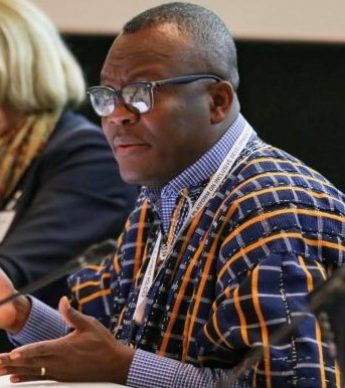

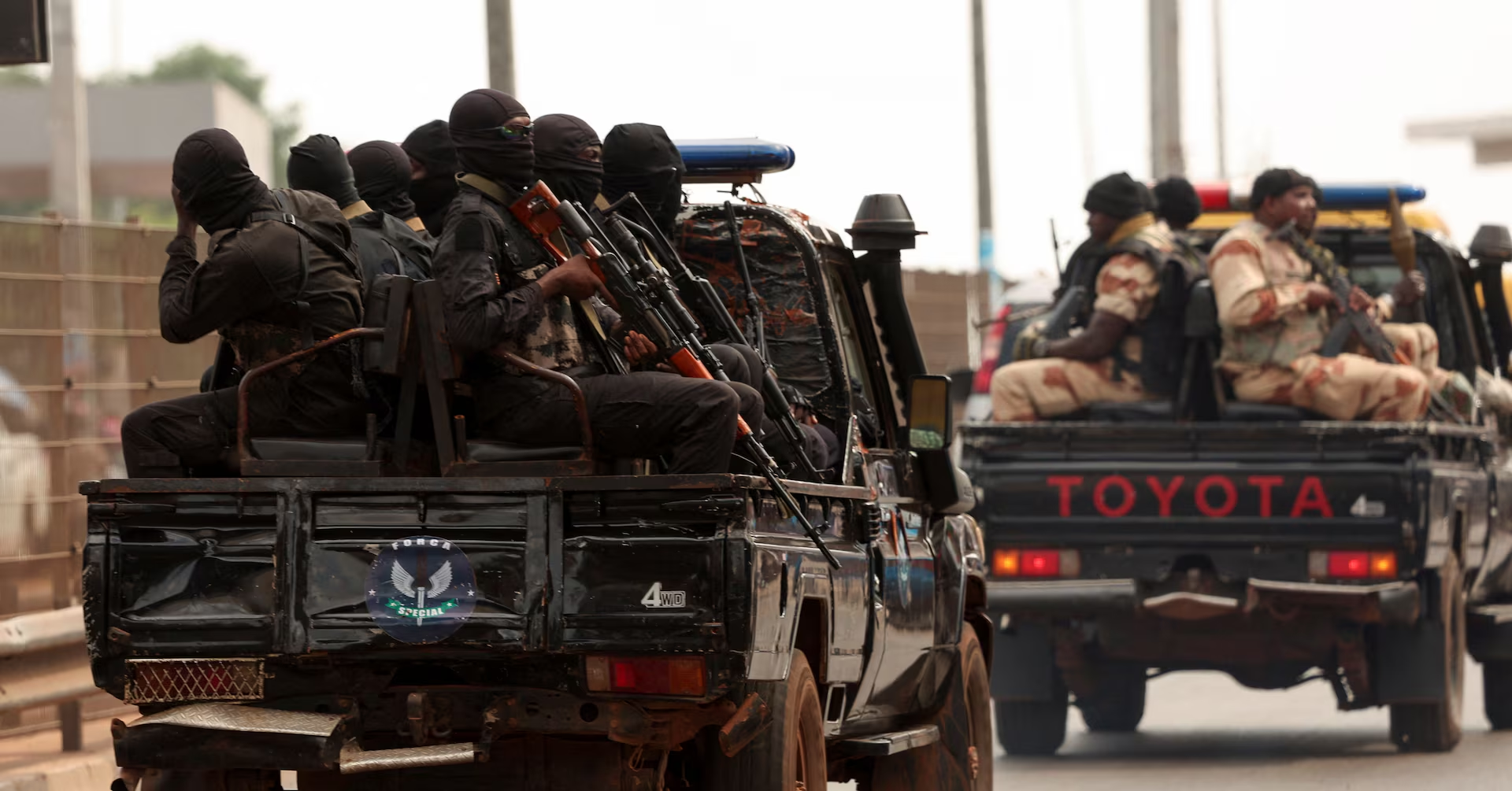



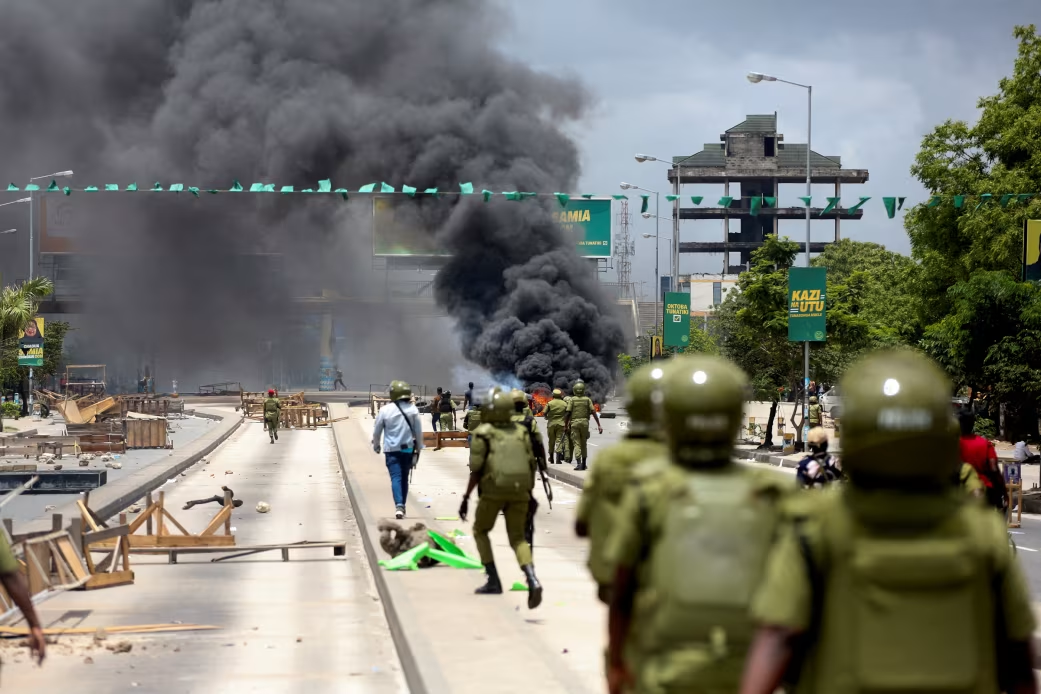
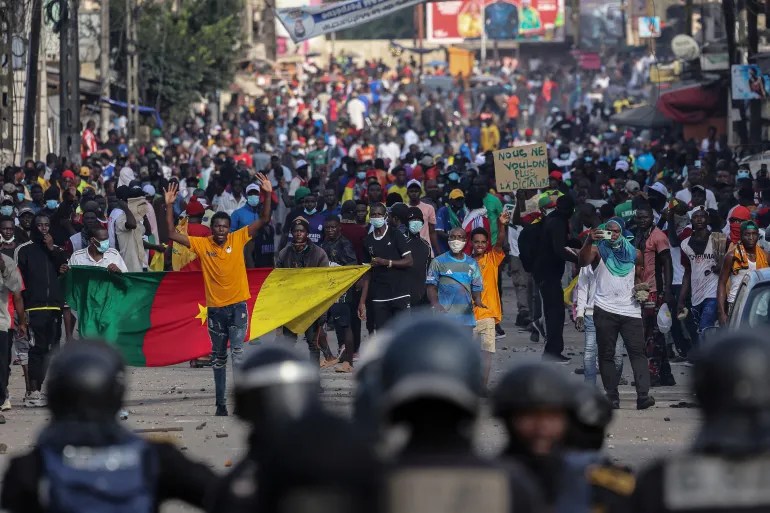
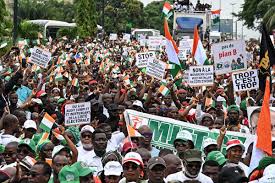

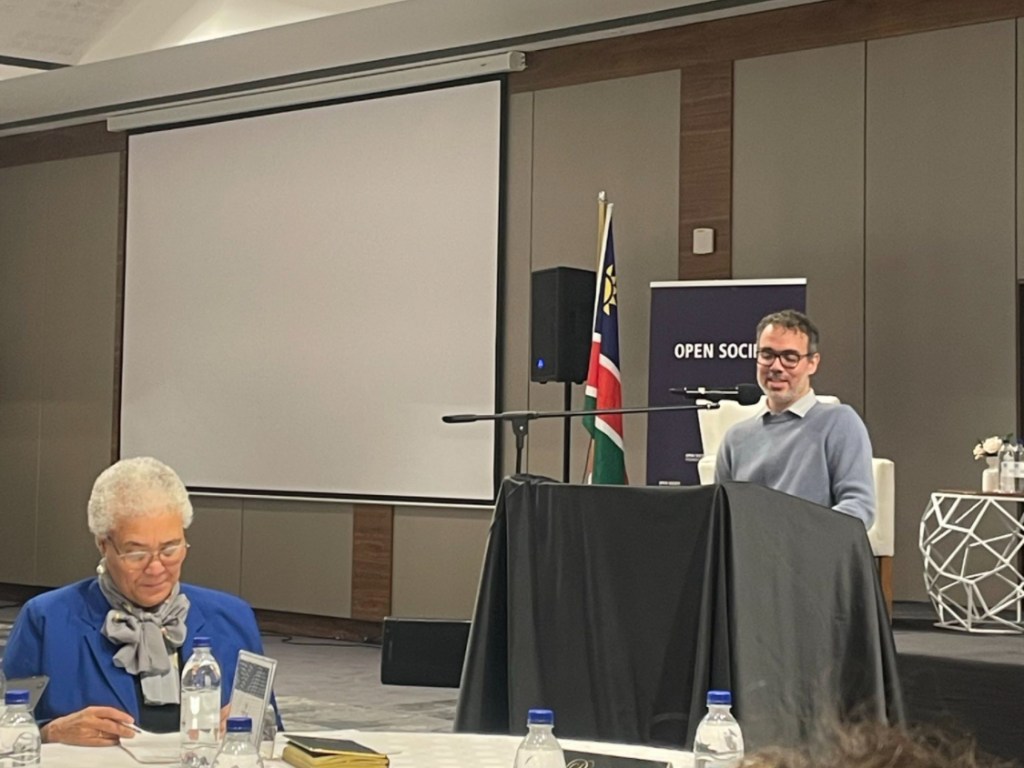


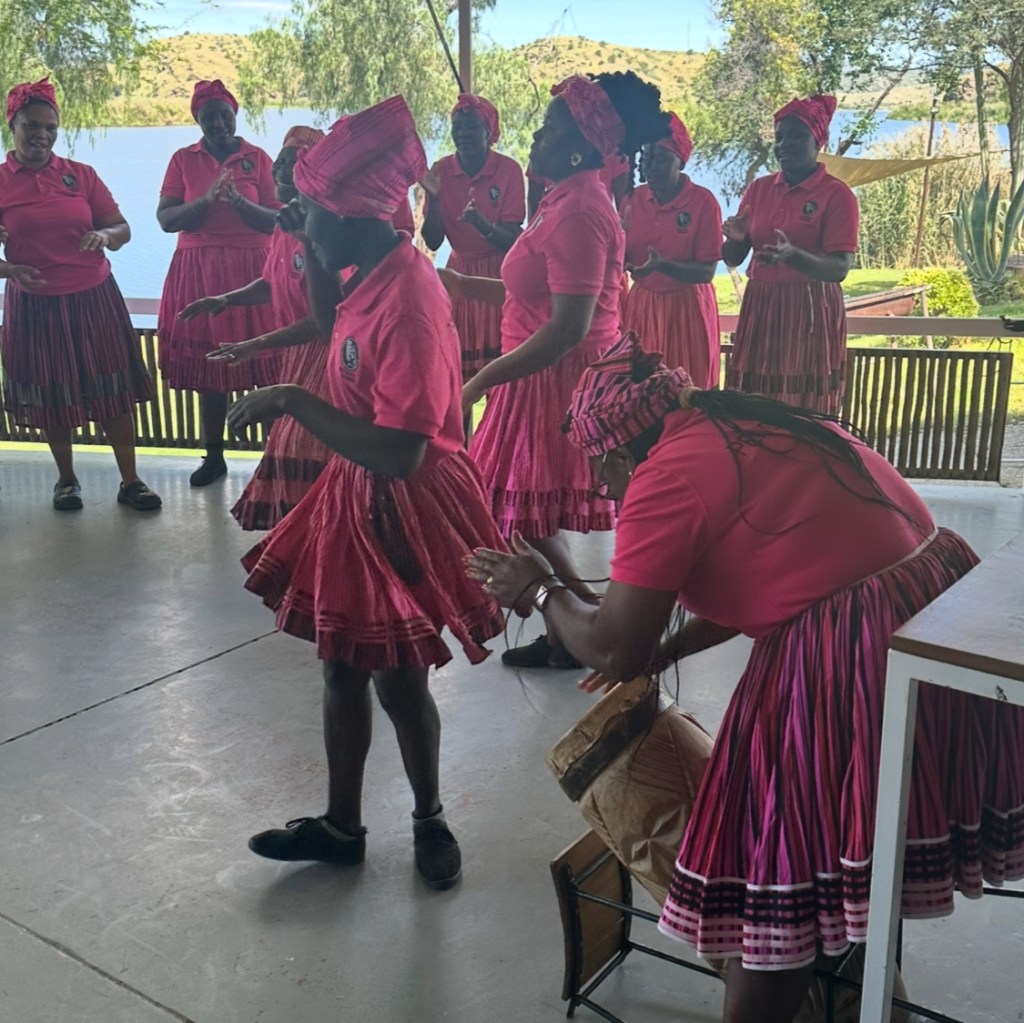
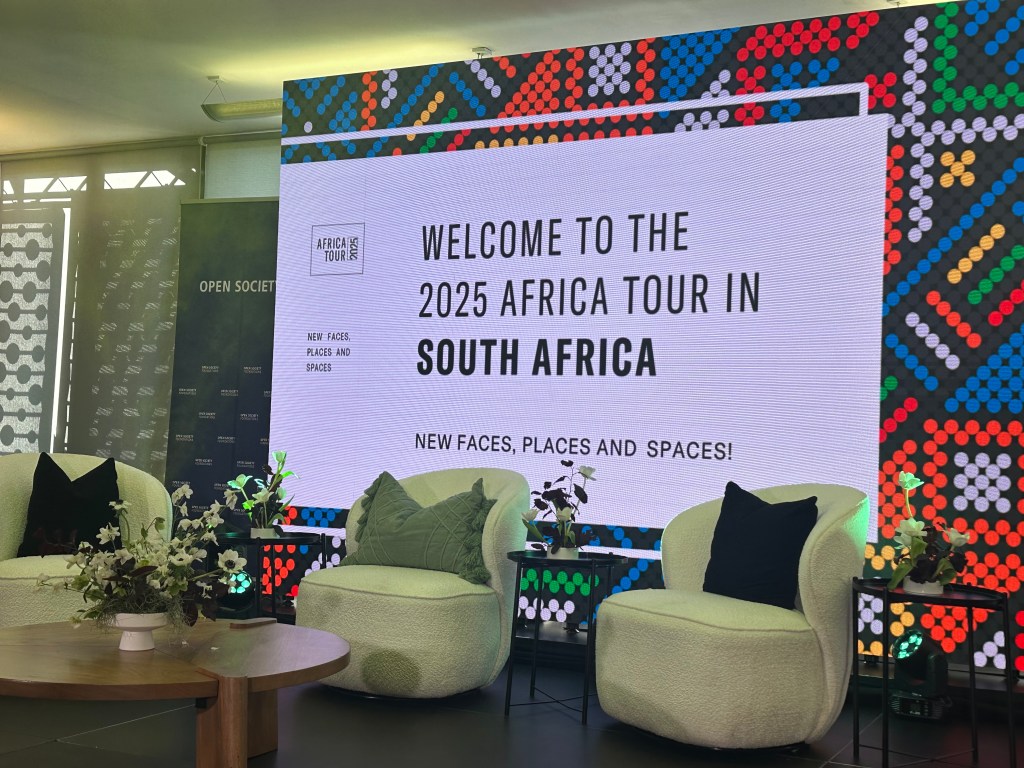


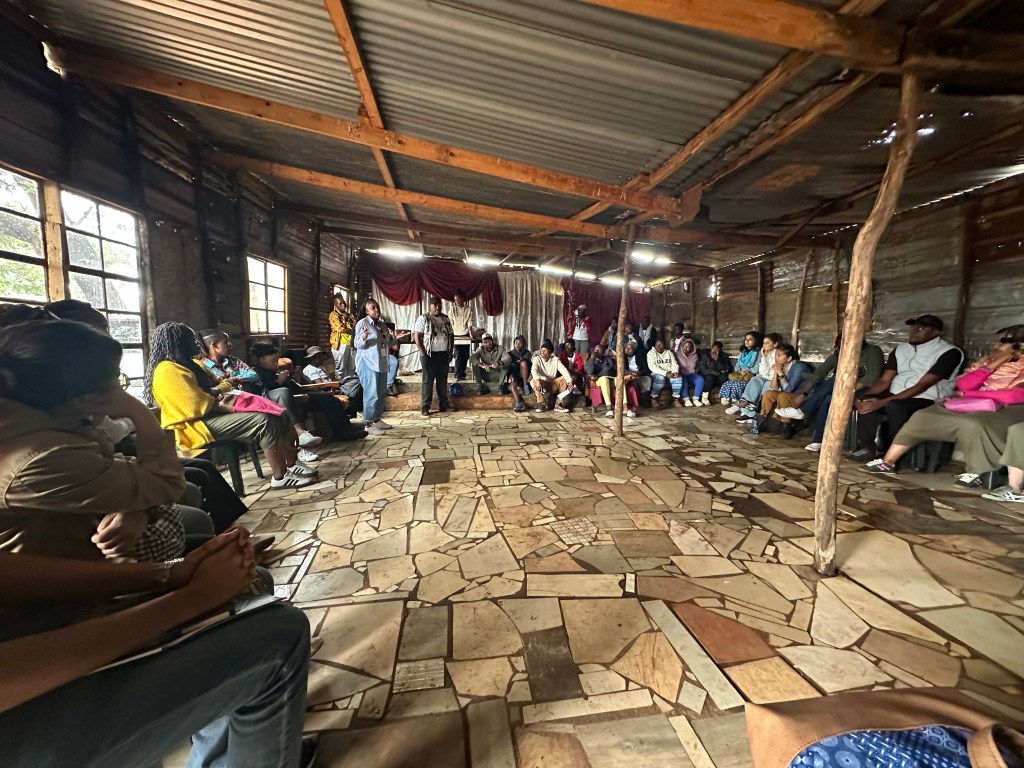
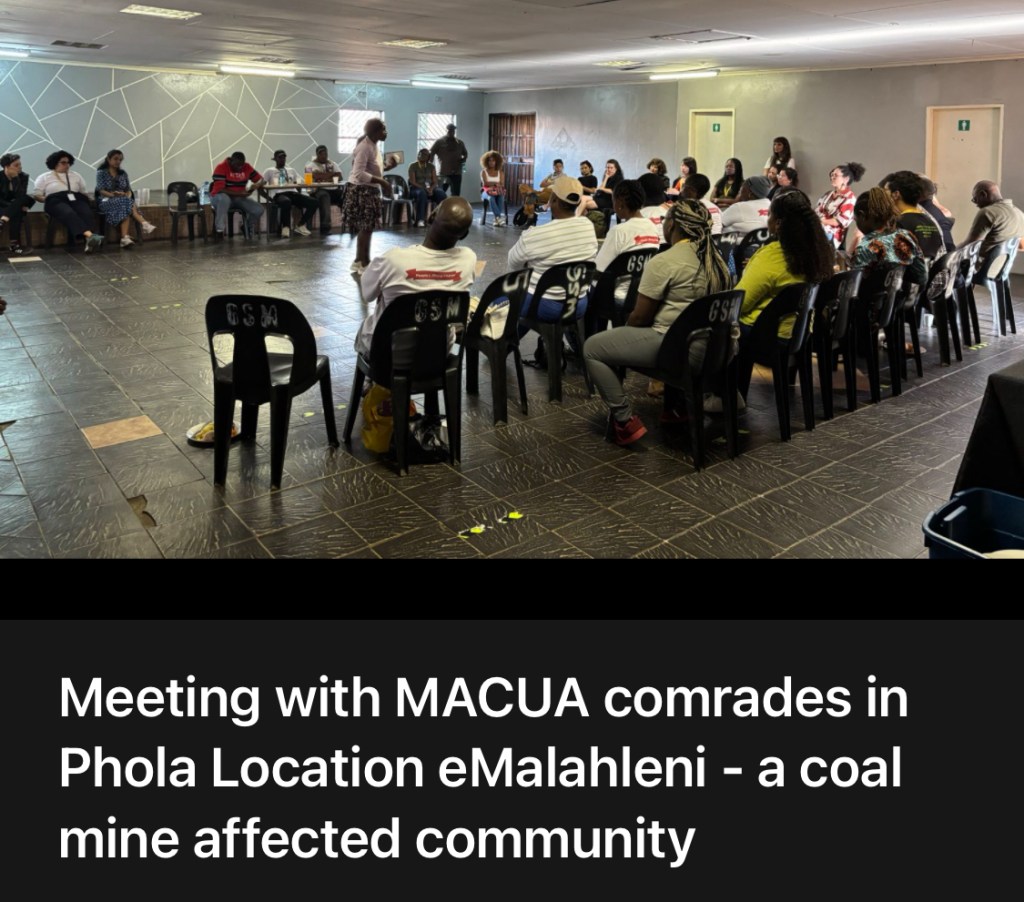
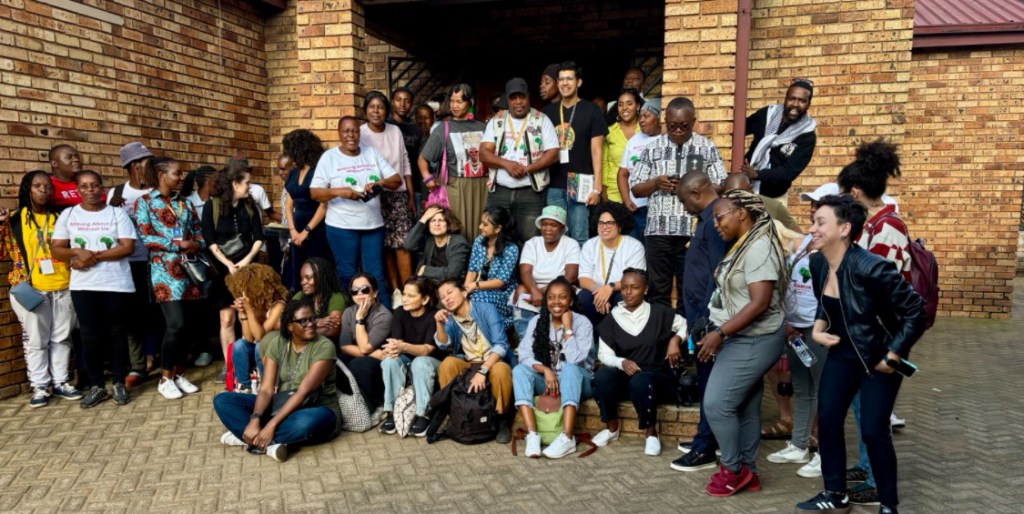


 Assodesire