
The forgotten Free Movement Protocol, and the integration Africa owes its People
In recent months, some African governments have announced new “free visa” or “visa free” policies for African travelers. The headlines were enthusiastic. Social media celebrated another victory for Pan-Africanism. Governments presented the measures as evidence of progress toward continental integration. Yet beyond the applause lies an uncomfortable reality: a free visa is not the same as visa-free travel. Not even close. The distinction matters. It is not a technicality. It is not a matter of semantics. It is a question of how seriously Africa is prepared to embrace the free movement of its own people. It is the difference between a policy that changes the architecture of African mobility and one that simply discounts the cost of applying for the same old permission slip. More importantly: both fall short of what Africa already agreed to do in a treaty that the continent has adopted since 2018 and only 4 countries have ratified.
What Is a “Free Visa”?
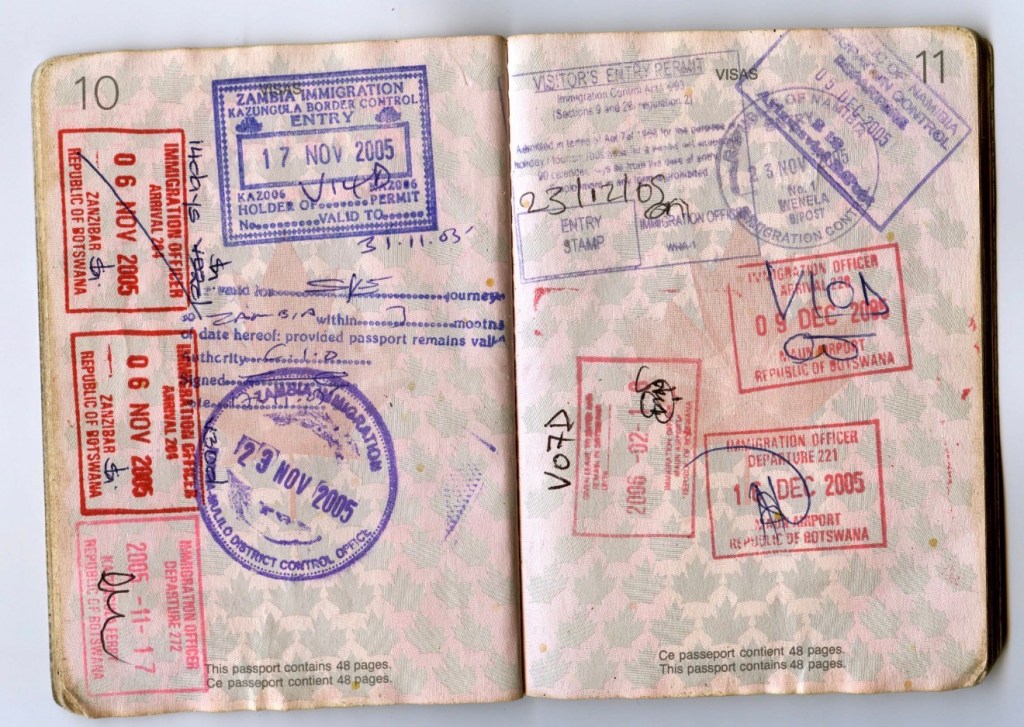
A free visa means you still need to obtain a visa. You still apply. You still submit documents. You still wait for approval. A government officer still retains the power to deny you entry. The only thing removed is the monetary fee at one step in that process. The bureaucratic relationship between you and that border remains completely unchanged. You are an applicant seeking permission. The other African country is a gatekeeper deciding whether to grant it. The visa requirement, with all its paperwork, waiting time, uncertainty, and power asymmetry, is fully intact.
What Is “Visa-Free”?
Visa-free means no visa is required at all. You present your valid African passport at the port of entry and are admitted, subject to standard border checks, without any prior application, fee, embassy queue, or risk of pre-departure rejection. Your right to enter is treated as a given, not a privilege to be earned.
The difference is not just procedural. It is philosophical: A free visa says: “You may apply to come.” Visa-free says: “You are welcome.”
The case of Ghana
In April 2026, President John Mahama announced a new visa policy for Africans, set to take effect on May 25, 2026 (Africa Day), anchored in a newly introduced national e-Visa platform. The headlines again celebrated. But Ghana’s official was clear about what the policy does and does not do: “Not paying visa fees is not the same as automatic entry into Ghana. There shall be no automatic and unvetted entries.”
African travelers will still be required to submit applications and undergo screening through the new e-Visa system. What changes is the cost, not the controls. This is, by definition, a free visa policy, not a visa-free one. So, to go to Ghana with an African nation’s passport you must complete an e-Visa application online before departure. No fee will be charged. But you must apply, be vetted, and receive approval. Do not arrive without completing the e-Visa process. ECOWAS citizens can still travel to Ghana visa-free.
Given that Ghana hosts the AfCFTA Secretariat in Accra and positions itself as a champion of regional integration, one might have expected a more open and facilitative visa regime, similar to the models adopted by Rwanda and Kenya, which have significantly eased entry requirements for African travelers.
Some of the Countries That Have Done It Well…
As of 2025-2026, the following African countries have visa-free entry policy for all African passport holders:
- Rwanda: Full visa-free. Any African enters by passport alone. No application, no fee, no prior approval.
- Kenya: Full visa-free. Any African enters by passport alone. No application, no fee, no prior approval.
- Benin: Eliminated visa requirements for all Africans.
- Seychelles: First African country to offer visa-free access to all nationalities.
- Togo: Visa-free entry for African citizens but online registration of travel required
- Congo: Visa-free policy announced on 25th May 2026, Africa Day but the policy is not yet published
The Forgotten Treaty: Africa’s Broken Promise to Itself
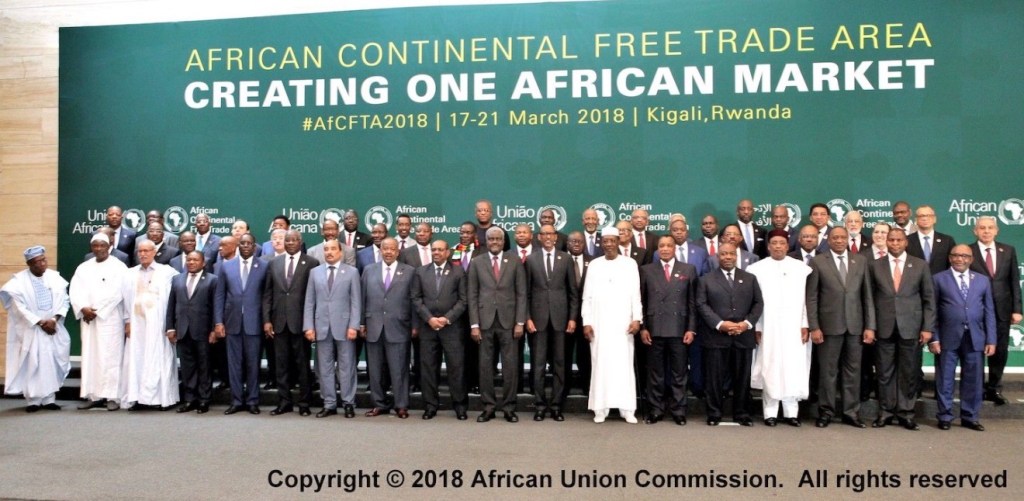
On January 29, 2018, the African Union Summit adopted two landmark agreements side by side:
- The Agreement Establishing the African Continental Free Trade Area (AfCFTA)
- The Protocol on Free Movement of Persons, Right of Residence and Right of Establishment, the Free Movement Protocol
They were adopted together. They were designed together. They are inseparable in logic: you cannot build a continental market if the people who make up that market cannot move freely within it but what happened next tells you everything about political will.
The AfCFTA gathered ratifications quickly. It entered into force in May 2019. Today, 54 of 55 AU member states have signed it. It is nearly operational.
The Free Movement Protocol has been ratified by only 4 countries: Mali, Niger, Rwanda, and São Tomé and Príncipe. The Protocol requires 15 ratifications to enter into force. It remains eleven short.
What the Protocol Actually Promises
The Protocol is not a vague declaration. Article 6(4) states plainly that a national of a Member State permitted to enter another State shall be allowed to move freely or stay for a maximum period of ninety (90) days, without a visa. This is Phase 1: the immediate promise. Phases 2 and 3 progressively add the right of residence and the right of establishment.
- Phase 1: Right of Entry: Visa-free entry and stays of up to 90 days. Achievable now.
- Phase 2: Right of Residence: The right to live and seek employment in another Member State.
- Phase 3: Right of Establishment: The right to set up businesses in any Member State.
Phase 1 alone would be revolutionary. But it requires 15 ratifications to begin. The continent has been stuck at 4 for six years.
How Can You Trade If You Cannot Move?
Africa’s intra-continental trade stands at just 17% of total exports. Europe’s comparable figure is around 60%. The World Bank estimates AfCFTA could increase Africa’s total exports by nearly 29% by 2035 and lift 30 million people out of extreme poverty. But those projections assume the treaty’s logic is followed through, including the free movement that makes trade in services possible.
“As an investor, as someone who wants to make Africa great, I have to apply for 35 different visas on my passport.”: Aliko Dangote.
AfCFTA lowers tariffs on goods. But services trade, finance, technology, logistics, healthcare, education, are built by people who must move. The AfCFTA and the Free Movement Protocol are two wheels of the same vehicle. Africa has chosen to build one wheel and leave the other in the warehouse.
The “Security” Objection Does Not Excuse Inaction
The most common reason governments give for not ratifying the Protocol is security. It is not an illegitimate concern, but it is consistently overstated. Border security and visa requirements are not the same thing. Countries can maintain robust screening, biometric databases, advance passenger information systems, and cross-border security cooperation entirely independent of whether a visa is required in advance.
ECOWAS has operated a free movement protocol among 15 member states since 1979, without evidence that this has destabilized any member economy or compromised security in ways that outweigh the benefits.
The AU’s own Peace and Security Council acknowledged before the Protocol was even adopted that “the benefits of free movement of people, goods and services far outweigh the real and potential security and economic challenges.” If the Peace and Security Council can reach that conclusion, the political reluctance to ratify is not about security. It is about political will.
Stop the Distractions. Ratify the Protocol !
Individual countries announcing visa-free policies deserve credit. But these gestures should not substitute for, or distract from, the legal instrument that would make free movement a continent-wide right rather than a favor dispensed country by country.
11 more ratifications. That is all that stands between the current patchwork of bilateral goodwill and a legally enforceable continental right to enter, stay for up to 90 days, and ultimately live and work across Africa.
Every summit at which African leaders celebrate AfCFTA without accelerating ratification of the Free Movement Protocol is an exercise in deliberate incompleteness. The continent does not lack analysis. It does not lack consensus. It does not lack the legal instrument. It lacks eleven ratifications.
The Africa We Want Already Exists on Paper, We need to make it happen in real life.
The Africa we want, where any African can travel to any African country with nothing more than their passport, stay, build relationships, trade, study, and eventually live and work without bureaucratic obstruction is not a dream. It is a treaty, adopted in Addis on January 29, 2018.
The distinction between “free visa” and “visa-free” is important. The distinction between “visa-free by individual policy” and “visa-free by continental law” is even more important.
If you’d like to receive my articles automatically as soon as they’re published, simply follow this blog using the “Follow” button at the bottom left of this page or send me an email at Desire.Assogbavi@Assodesire.com

