Reparatory Justice for Slavery and Colonization: From Accra, A New Chapter Begins

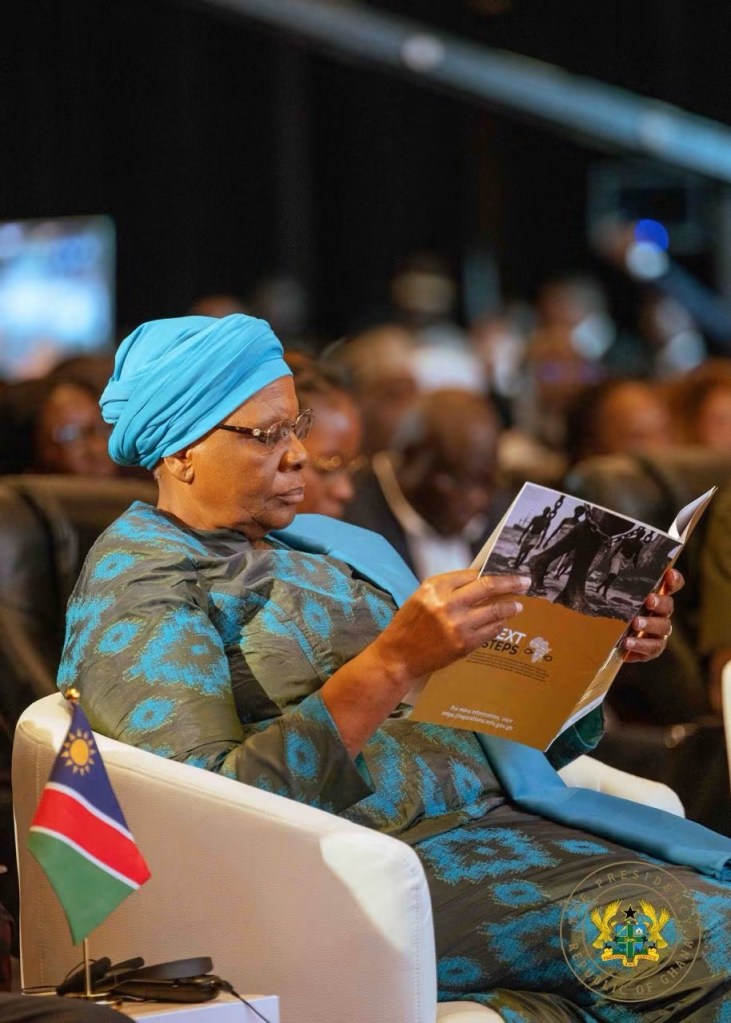
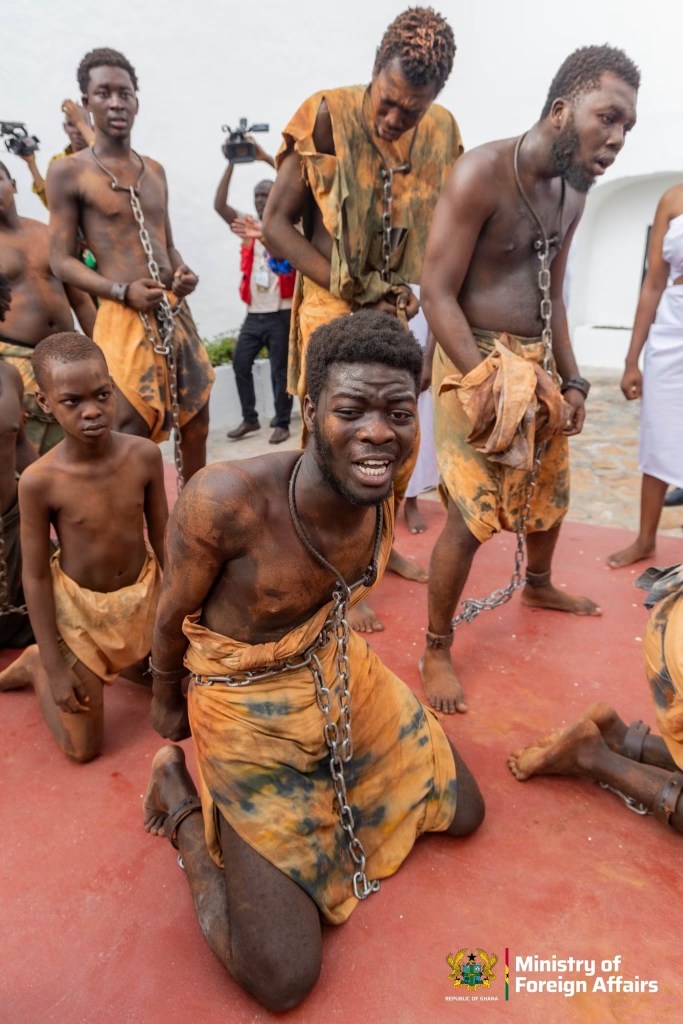
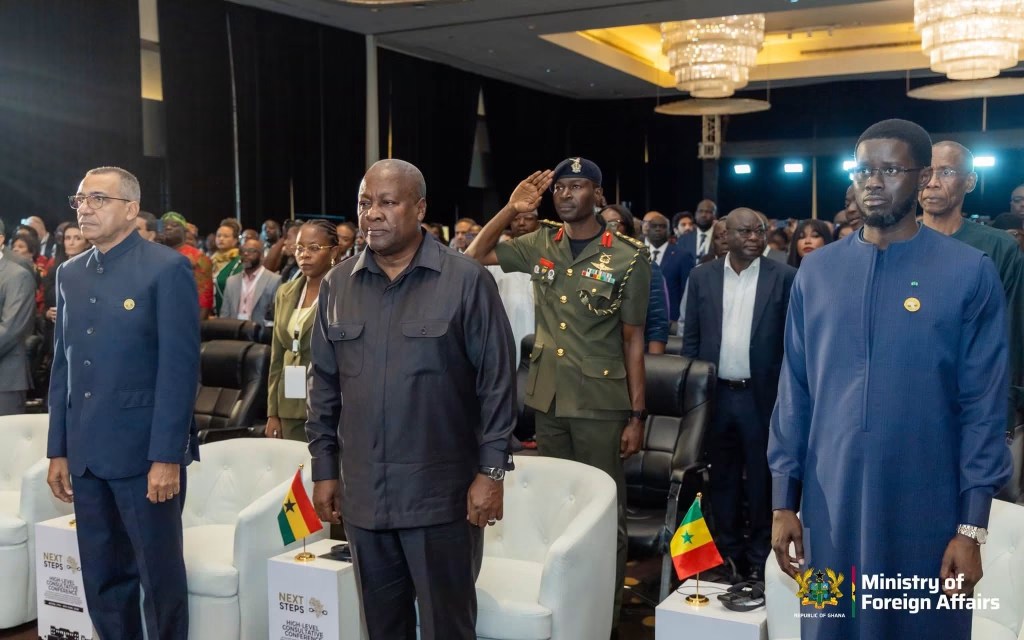
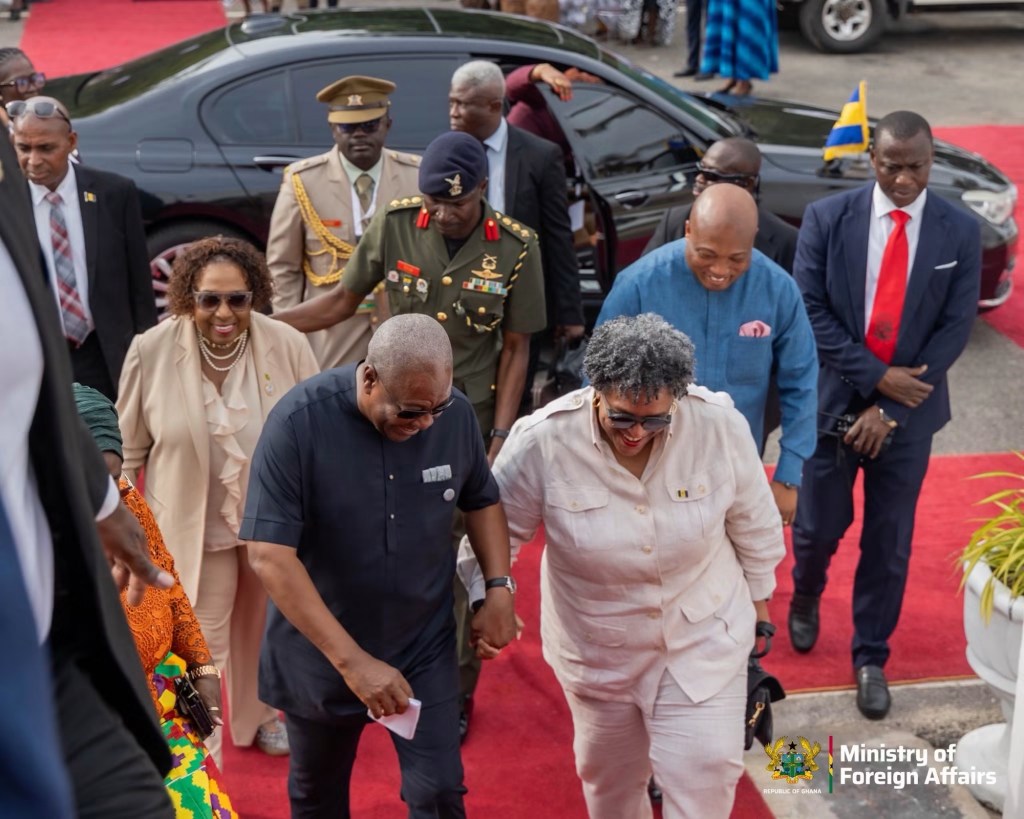
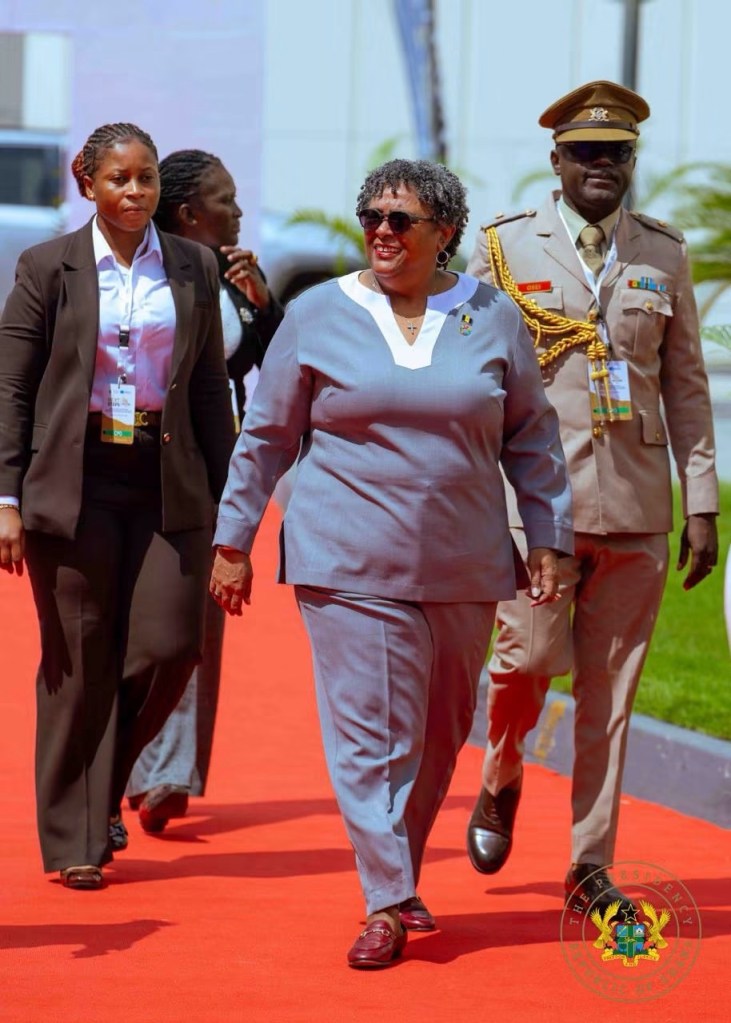
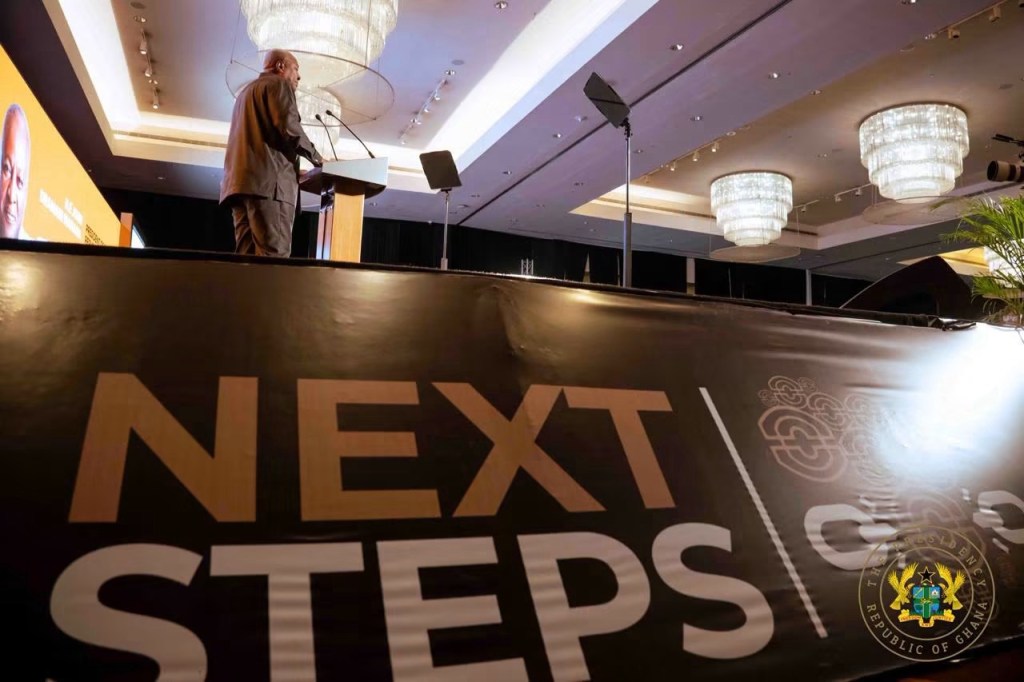
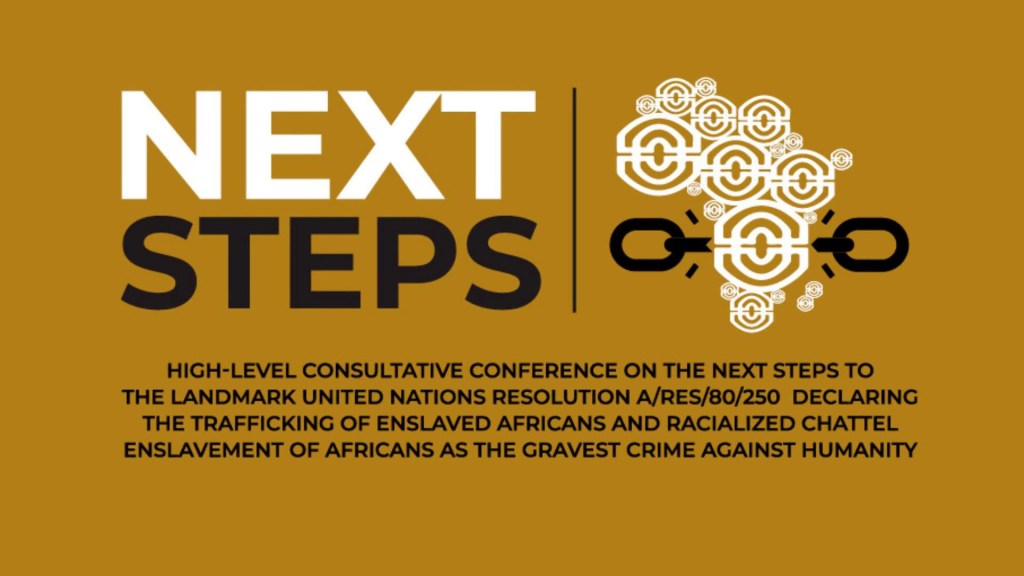
The Next Steps Conference on Reparatory Justice in Accra from 17 to 19 June 2026 did not happen in a vacuum. It was convened as the direct follow-up to a landmark United Nations General Assembly Resolution – A/RES/80/250 – adopted on 25 March this year, in which 123 member states voted to declare the trafficking and chattel enslavement of Africans as the gravest crime against humanity. That resolution, championed by Ghana and backed by African Union member states and the Caribbean community, was the first in the United Nations’ 80-year history dedicated exclusively to slavery and the slave trade. Three months later, Accra was where the world came to decide what to do next.
123  UN Members voted for the Resolution

80+  Countries Represented in Accra

18  Strategic Pillars of the Accra Commitments

3 Global Panels established

“Reparation is a legitimate demand. It is not about vengeance but justice. From Accra, we are sending a clear message that the time has come to restore, reform, and repent.”: H.E. Samuel Okudzeto Ablakwa, Ghana’s Minister for Foreign Affairs.
Reparation Is Not Only About the Past

There remains a persistent tendency to cast reparations as a debate about the past: the Accra Conference swiftly dismantled that narrative. Countries across Africa and the Caribbean carry sovereign debt burdens that economists trace directly to the economic structures imposed during slavery and colonial rule, centuries of extracted wealth, suppressed development, and deliberately undercapitalized economies. The same historical processes that enriched Western countries left our countries without the institutional foundations, the accumulated capital, and the human development that compound and grow across generations. When Ghana, Jamaica, or Senegal pays a higher risk premium on international borrowing than a European developed country, that is not a neutral market outcome. It is a legacy.
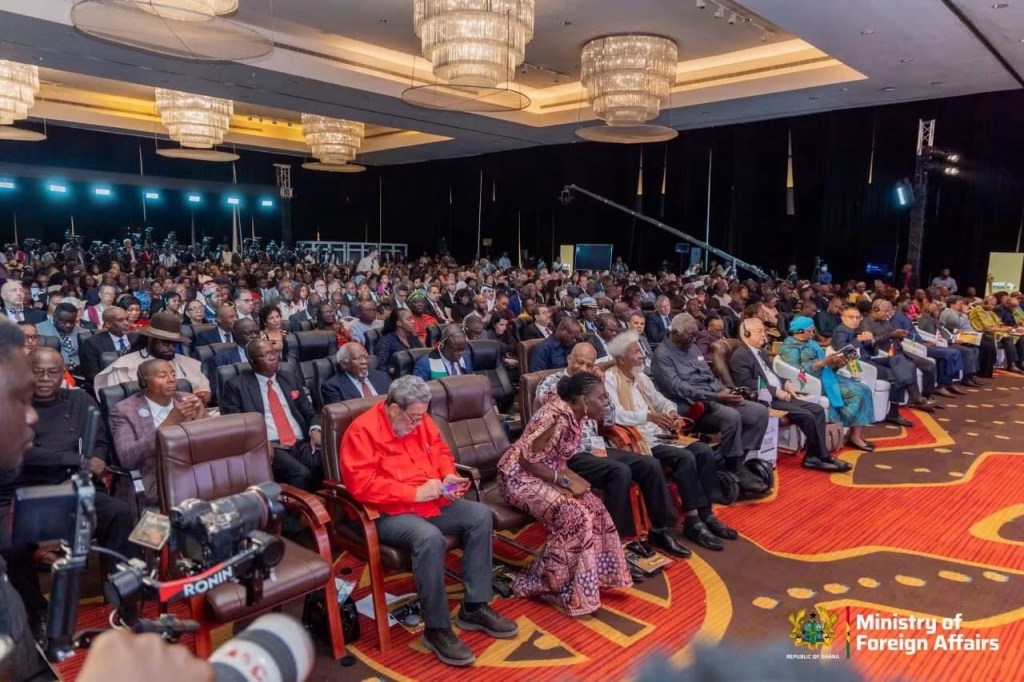
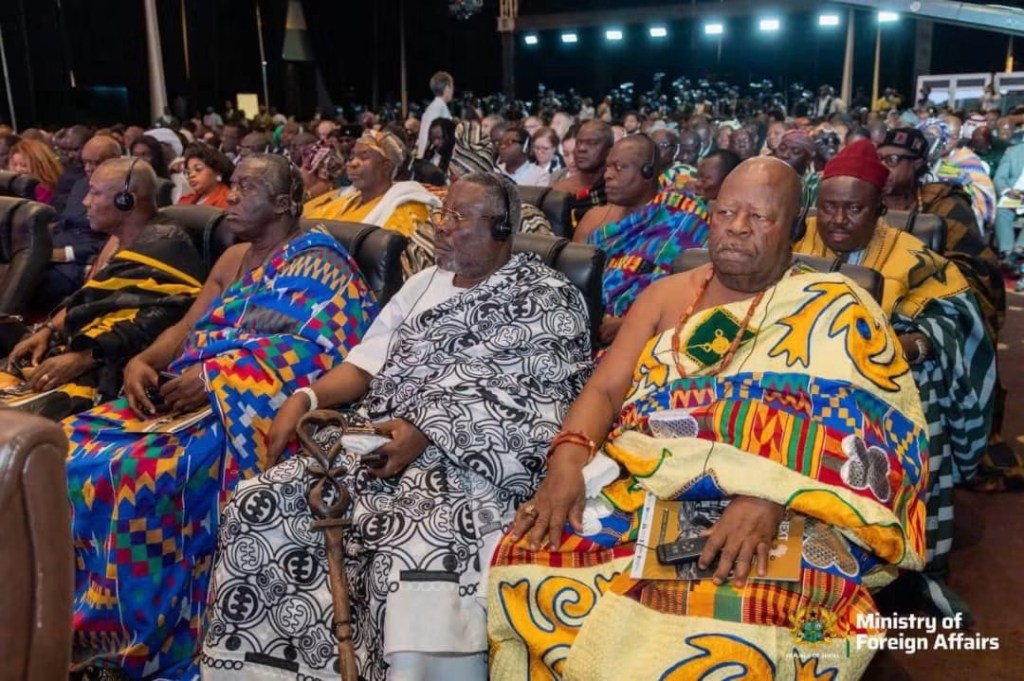
The same logic applies to climate change. Africa contributes the least to global greenhouse gas emissions and suffers the most from its consequences. The industrial wealth that produced those emissions was built, in significant part, on the labor of enslaved Africans and the resources of colonized African nations. The International Court of Justice’s recent advisory opinion on climate change has now clarified that breaches of climate obligations may themselves give rise to reparations. The circle is closing.

And then there is the less quantified but no less real dimension: the psychological and cultural wound. The systematic erasure of African history, the theft of cultural artifacts, the distortion of knowledge about who we were and what we built before colonization, these are ongoing acts of harm, not finished ones.
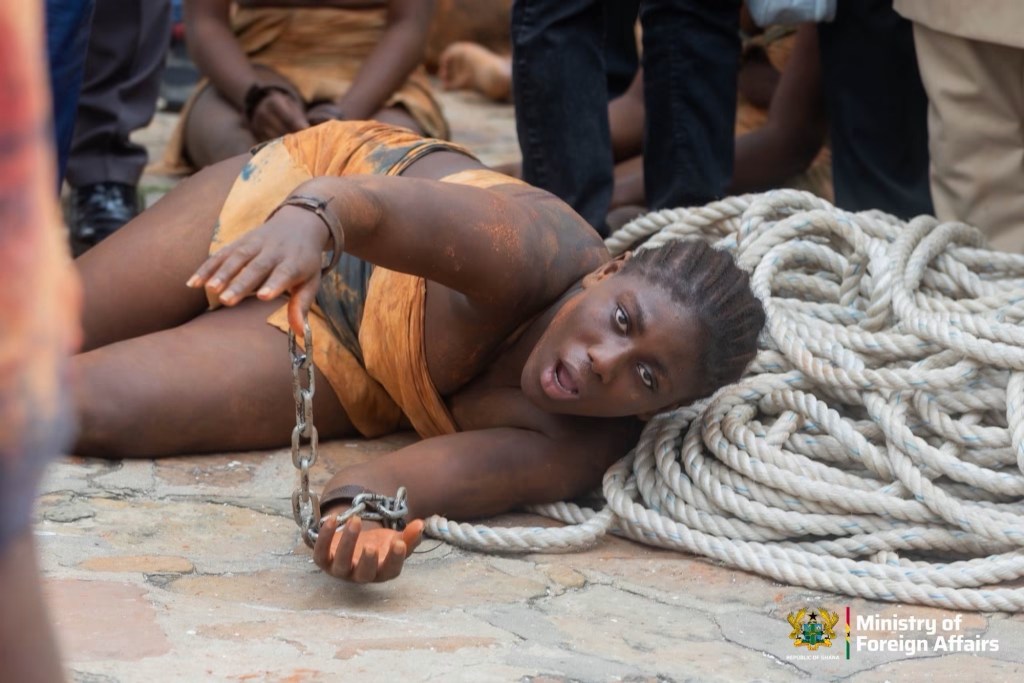
What Actually Happened in Those Three Days in Accra

The conference produced a 46-paragraph outcome document titled the Accra Next Steps Commitments,  structured around 18 strategic pillars. But what made this gathering different from previous declarations was that it also produced something rarer: immediate, concrete action.

  • The Netherlands pledged to return approximately 2,000 cataloged artifacts to Ghana, with Dutch officials making a symbolic presentation of the full catalog to President Mahama during the conference itself.
  • Germany announced its readiness to repatriate cultural artifacts from the Bono Traditional Area.
  • Denmark’s foreign minister offered a formal apology for Denmark’s role in the slave trade and committed to partnering with Ghana to preserve the slave forts along our coastline, including Osu Castle, built by Danish colonizers, as permanent sites of memory and truth-telling.
  • France’s President Macron, speaking virtually, committed to establishing a joint scientific commission to locate African artifacts currently held in French institutions.
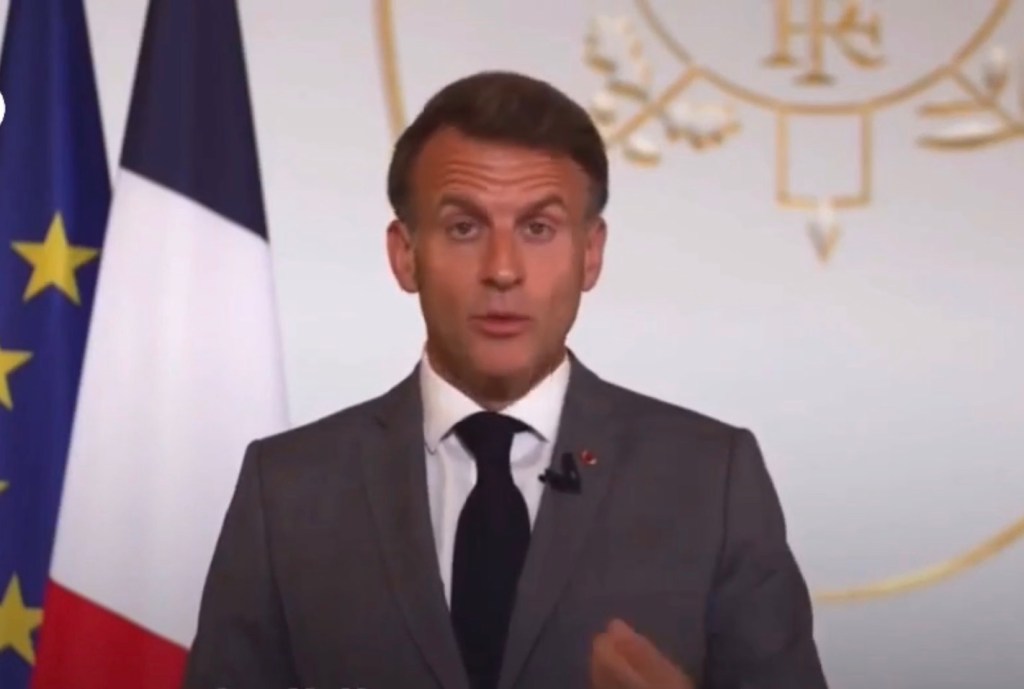
These are not small gestures. The Netherlands’ commitment of 2,000 items would be among the largest single repatriations of African artifacts in history. Denmark’s apology,  formal, unambiguous, from a serving foreign minister at a multilateral conference,  is precisely the kind of acknowledgment that the Accra framework identifies as a foundational step towards reparatory justice.
Three new global institutional bodies were also established:

A High-Level Global Advisory Council on Reparatory Justice,

A Global Expert Panel on the Restitution of Cultural Heritage, and

A Global Legal Panel on Reparatory Justice.

These will build the evidentiary and institutional record that feeds directly into the UN General Assembly’s work in the coming years. The conference also agreed to convene annually, a commitment to sustaining momentum rather than allowing this to become another declaration that gathers dust.

The Architecture of a Global Framework

What strikes a careful reader of the Accra Commitments is how comprehensive and interconnected its vision is. This is not a narrow demand for a cheque. It is a reimagining of the relationship between history and the contemporary global order, structured across 18 interlocking pillars:

Truth & Apology: Full, formal, unconditional acknowledgment, with guarantees of non-repetition and the repeal of colonial-era legal codes.

Legal Justice: Strengthening international, regional and domestic pathways to accountability, redress and access to justice for generational victims.

Compensatory Reparations: Fair and adequate compensation grounded in international law – not charity, but a legal obligation that exists as a matter of international law.

Cultural Restitution: Return of looted artifacts, human remains, and archives to countries of origin. Preservation of slave forts and castles as permanent sites of memory.

Debt Relief & Financial Justice: Comprehensive reform of sovereign debt mechanisms, including cancellation where necessary, and reform of credit rating agencies that impose unjust risk premiums on the Global South.

Climate Justice: Reparatory justice that promotes climate resilience, connecting historical responsibility directly to the climate crisis and its repair.

Health Sovereignty: Addressing medical apartheid, multigenerational health trauma, and the historic exploitation of African bodies in scientific research and experimentation.

Diaspora & Right of Return: Strengthened pathways for citizenship, voluntary return and reintegration, reconnecting Africa with its global family across continents and generations.

Read together, these pillars add up to something important: a claim not just for redress, but for restructuring. The conference did not only ask for an apology. It demanded reform of the UN Security Council, of international financial institutions, of sovereign credit rating agencies, and of the global tax architecture. It called for a Global Reparations Fund. It placed reparatory justice in direct conversation with climate justice, gender justice, and the digital divide. This is a framework for a different world, not just a settlement for the old one.

Museum on the transatlantic enslavement: Among the most significant commitments unveiled in Accra is the decision to establish a modern museum on the transatlantic enslavement in Ghana. More than a memorial, the museum is envisioned as a living institution dedicated to preserving the memory of the millions who endured enslavement, honoring the resilience of their descendants, and advancing a process of truth-telling long overdue. It will also serve as a repository for thousands of looted African artefacts that are gradually being returned from museums and private collections around the world. In this sense, the museum will represent more than a cultural project; it will be a tangible expression of reparatory justice, reconnecting displaced heritage with its homeland and ensuring that future generations inherit not only the memory of historical injustice, but also the dignity of recovery and restoration.

The Honest Questions We Must Also Ask
The Accra conference closed with pledges, not yet with physical returns. The Dutch catalog was presented symbolically; no artifacts have yet made the journey home. Germany had a prior commitment to return items from Ghana’s Volta Region that had not yet been executed. France’s announcement of a scientific commission to locate artifacts is welcome, but it is a process,  not a result. And the UN General Assembly resolution itself is non-binding. It carries profound moral authority; it does not carry legal compulsion.

There is also the question of unity. The Accra Commitments speak movingly of ending fragmentation within the global reparations movement. But anyone who has followed this debate knows how difficult that is. Caribbean and African nations do not always agree on modalities and priorities. Diaspora communities in Europe and North America have their own perspectives that do not always align neatly with state-level advocacy. Building a genuinely common front across continents, generations, and political traditions is a generational project, not a three-day conference.

None of this diminishes what was achieved. But it is important to make this clear: Accra was a beginning, not an end. The measure of this conference will be what happens in the twelve months before the next one.

What This Means for the Next Generation
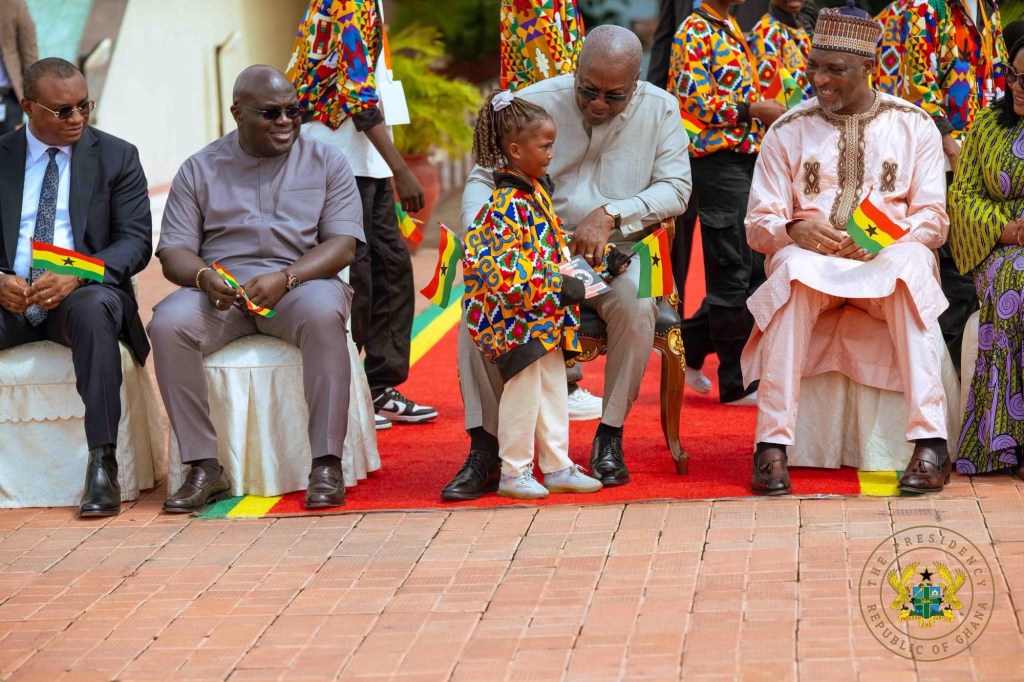
Here is what we should tell young Africans about this process, and it matters that we get this right, because they will inherit both the momentum and the responsibility.

For the first time in history, the international community has named what happened to African peoples as a legal category of harm, not just a moral stain. For the first time, the question of repair has moved from the margins of international diplomacy to its centre. For the first time, countries that enriched themselves through slavery are sitting in the same room, voluntarily, at their own initiative,  to discuss what they owe. That is new. It has never happened before at this scale.

The Accra Commitments also do something quietly radical: they insist that reparatory justice must include the meaningful participation of young people in the design, implementation, and monitoring of all processes. This is not decorative language. It is a recognition that reparatory justice is not a transaction to be settled between current generations and then filed away. It is,  as the document puts it, a multi-generational and inter-generational project. The next generation is not inheriting a solved problem. They are inheriting an ongoing negotiation with the power to shape it.

The African Union’s designation of 2026–2035 as the Decade of Justice for Africans and People of African Descent gives the agenda a ten-year institutional home. The UN’s Second International Decade for People of African Descent (2025–2034) runs alongside it. These overlapping frameworks mean that what was decided in Accra this week does not expire when the delegates go home. It has a calendar, an architecture, and a review mechanism.

A Continent That Led, Not Followed

It is worth stepping back to appreciate the geopolitical meaning of what Ghana did this week. At a moment when African nations are often portrayed in global media as recipients of aid, subjects of debt negotiations, or bystanders to decisions made elsewhere, Ghana convened the world on a matter of global justice, and the world came. Presidents, prime ministers, foreign ministers, representatives of the African Union and the Caribbean, legal scholars, and civil society leaders from every region. They came to Accra. They sat in the rooms Ghana prepared. They debated on the terms that President Mahama, the African Union Champion, set. And they adopted the Accra Next Steps Commitments.

What Comes Next
The path from Accra is clearer than it has ever been, even if it remains long. The three new global panels will begin building the legal and evidentiary record. The annual conference structure will sustain political accountability. The UN pathway will carry the Accra Commitments into the General Assembly and its subsidiary bodies. The African Union’s Decade of Action will keep reparatory justice at the heart of continental policymaking.

But the most important work will happen outside conference rooms. It will happen when African governments integrate reparatory justice into their national development strategies, not as an add-on but as a framework. It will happen when African universities lead the research that fills the knowledge gaps about our own history. It will happen when African civil society holds its own governments accountable for implementing the Accra Commitments, it will happen when young Africans in Lagos, Nairobi, Accra, Dakar, Bridgetown, London, New York, and São Paulo, etc., understand that they are not asking for sympathy. They are asserting a right. That is the real next step.

The time has come to restore, to remember, to reform.
Standing Where Africa Was Divided: My Journey to the Berlin Conference Site!

Much of my work at the Open Society Foundations is driven by a fundamental belief: that people must have a voice in the decisions that shape their lives, their communities, and their futures. It is a belief deeply embedded in our mission to advance human rights, equity, and justice across the world. Yet as I walked toward Wilhelmstraße 77 on a clear Berlin afternoon, that principle became profoundly personal. Standing on the ground where others once decided the fate of an entire continent without the presence, consent, or participation of its people, I was reminded why the struggle for voice, dignity, and self-determination remains as urgent today as ever.

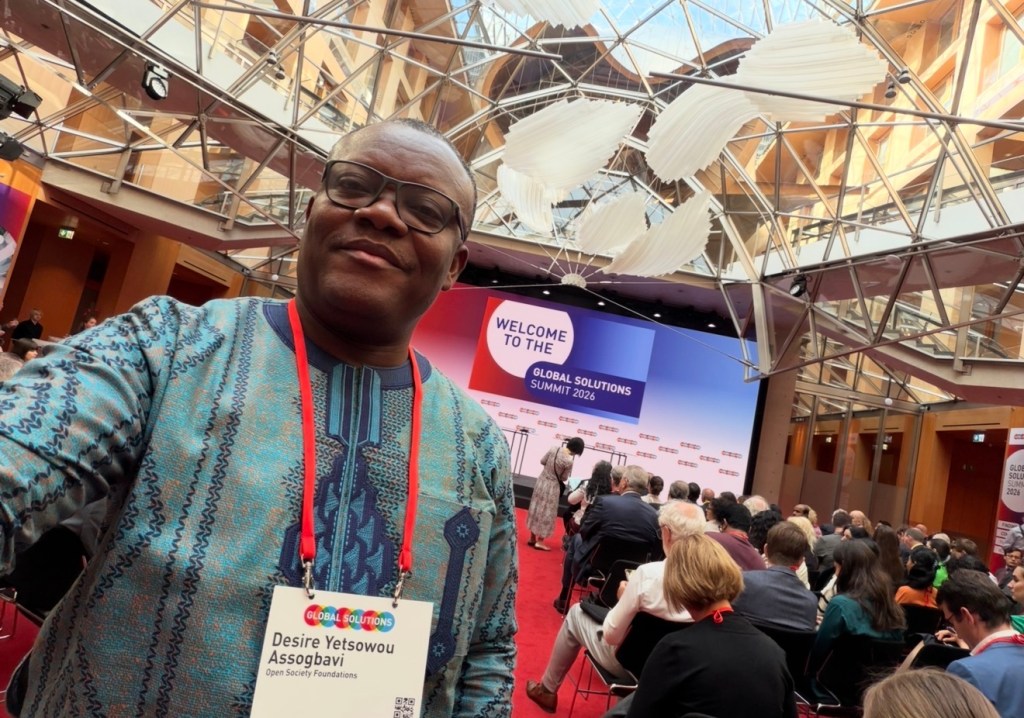
The Global Solutions Summit 2026 had wrapped up in Berlin, a city that carries the weight of history in its cobblestones. While most participants headed back to their hotels or to the airport, I pulled up an address from my phone: Wilhelmstraße 77: I searched and found it in Berlin’s digital archives the day before.

I needed to go there…before I leave.

Berlin is a city that does not hide from its past. Around every corner, a plaque. On every pavement, you see small brass memorial stones embedded into the ground, each bearing the name of a victim of Nazi persecution. The city has developed an almost sacred relationship with accountability, with memory, with the discipline of not forgetting.

I walked past Cora-Berliner-Straße, a street named after a Jewish economist born in 1890, murdered in 1942. A small plaque on the sign tells you who she was. Berlin insists you know…

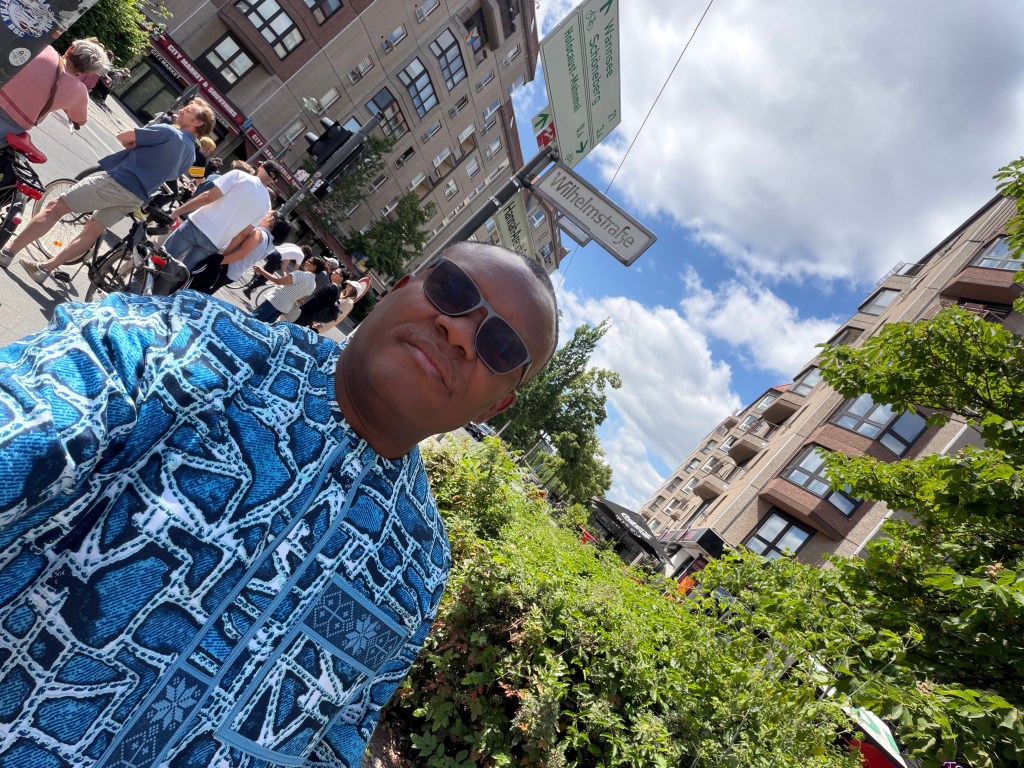
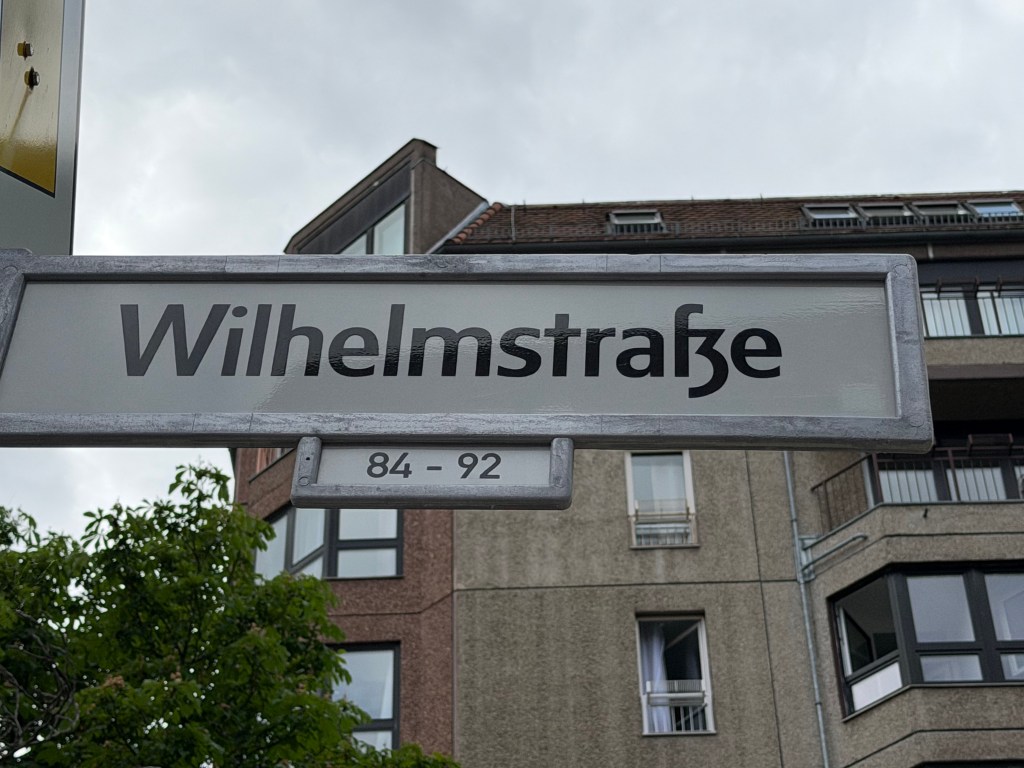
Then, I turned onto Wilhelmstraße… This place was once the nerve center of German state power. The Reich Bismarck’s Chancellery stood here. Decisions that changed the world were made on this street.

At number 77, in 1884, 14 nations gathered around a table and divided my continent… No African was in the room.

The Berlin Conference: The Original Scramble

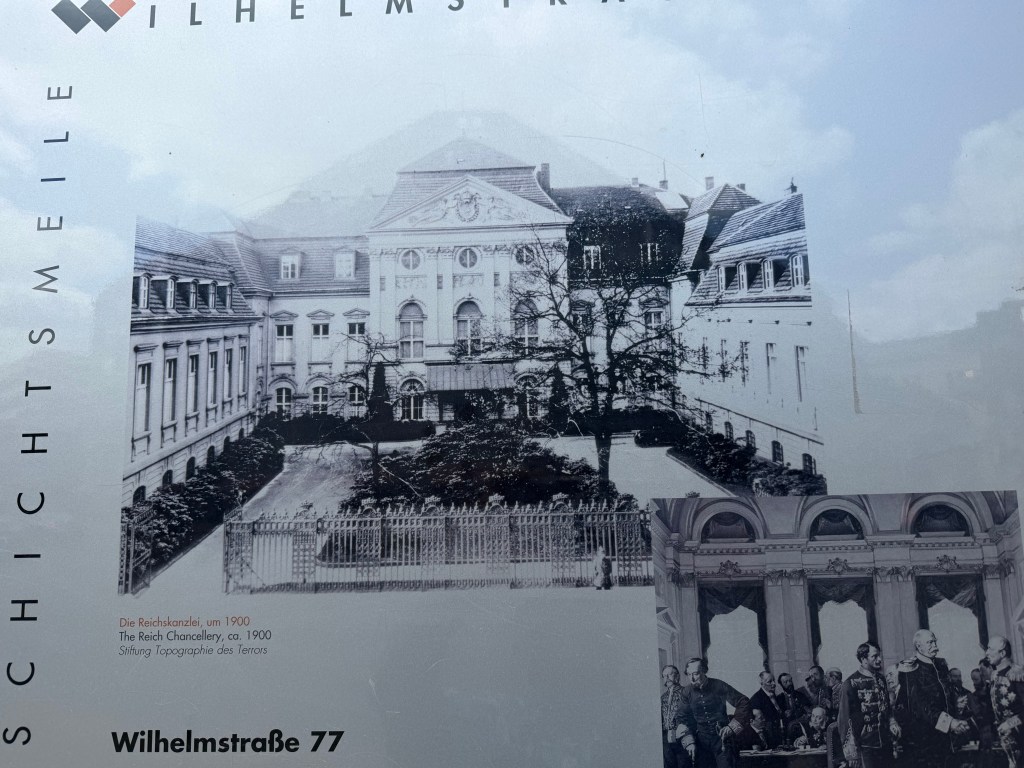
The building is gone now, damaged during the Second World War, later demolished. But I stood on that pavement, and I tried to feel it. The street today is unremarkable: apartment blocks, a few parked cars, coffee shops, but a historical marker shows a photograph: the grand courtyard, the ornate façade, the iron gates. Bismarck’s house of power.

In November 1884, German Chancelor von Bismarck convened what became known as the Berlin Conference here. Representatives came from fourteen nations: Austria-Hungary, Belgium, Denmark, France, Great Britain, Italy, the Netherlands, Portugal, Russia, Spain, Sweden-Norway, the Ottoman Empire, the United States, and of course, Germany.

Fourteen nations. Zero African.

Over the following three months, they drew lines across a continent they had never walked, through forests they had never entered, across rivers they had never crossed, dividing up kingdoms, splitting ethnic groups, separating families, all on paper, all with rulers and ink, all with the cold confidence of men who believed that the world was theirs to arrange as they pleased.

By the time the General Act of the Berlin Conference was signed in February 1885, the fate of an entire continent had been sealed. Within two decades, over 90% of Africa was under European colonial control.

Standing there, I felt something cold move through me.

2026: Standing at Another Crossroads

I had come to Berlin for the Global Solutions Summit. The conversations there were urgent and familiar: climate transition, green energy, critical minerals, technological infrastructure, the architecture of a new global economy.

And everywhere, behind the diplomatic language, financing frameworks, and partnership proposals, was Africa… because, and here is the extraordinary, irony of this historical moment: the resources the world desperately needs to power its energy transition, lithium, cobalt, manganese, graphite, rare earth elements, are disproportionately concentrated in Africa. The Democratic Republic of Congo alone holds an estimated 70% of the world’s cobalt. Africa sits on roughly 30% of the world’s mineral reserves. The continent receives more solar radiation than anywhere else on Earth. Its arable land represents the largest untapped agricultural resource on the planet.

The world needs Africa. Profoundly. Urgently. Structurally, and the new scramble has already begun.

You can see it in the rush of bilateral deals, the flurry of state visits, the new embassies, the infrastructure loans with attached conditions, the mining concessions signed in presidential palaces far from the communities whose land sits above the ore. You can see it in the language, partnership, cooperation, mutual benefit, language that is not always wrong, but that requires Africans to read very carefully, because we have heard reassuring language before… We know how that story ended.

What the African Union Has Already Said

But here is what is different in 2026 from 1884. And it matters enormously: Africa is not silent. Africa is not unrepresented. Africa is not without strategy.

The African Union’s Green Minerals Strategy, the frameworks being developed by regional blocs, ECOWAS, SADC, the EAC etc. represent something historically new: a continent actively, collectively, and with legal sophistication, defining the terms on which its resources will be developed and shared. The AU’s Agenda 2063 explicitly envisions African ownership of African value chains. There is growing insistence, from Dakar to Nairobi to Lusaka, Harare, Kinshasa, Conakry… that Africa must move beyond exporting raw materials to building the processing capacity, the battery manufacturing, the clean energy infrastructure that transforms natural endowment into generational wealth. This is not the language of 1884. This is the language of agency.

The Lesson of Wilhelmstraße 77

What happened at that address in 1884/85 was possible because Africa had no seat at the table. The men in that room did not need to negotiate with Africans, did not need to hear from Africans, did not need to consider what Africans wanted, because Africans were not present to want anything, as far as those men were concerned.

That was the architecture of the crime: exclusion first, exploitation second. Which is why the question of representation, real representation, not decorative consultation, is not a procedural nicety. It is the entire ball game. When African heads of state arrive at global summits and sit in rooms where the future of green finance, of carbon markets, of technology transfer is being decided, their presence should not be symbolism. It should be the structural correction of a 140-year-old wrong.

When the African Union gained permanent membership in the G20, it was not a diplomatic courtesy. It was a necessary repair to a broken architecture. But presence is only the beginning. Presence without power is theater. What Wilhelmstraße 77 demands of us is that we go further.

A Determination Carved in Stone

I took my photographs. I stood there longer than I needed to. I thought about the chiefs who never knew their kingdoms had been distributed like party favors. I thought about the languages that were broken, the trade routes that were severed, the political institutions that were dismantled, the generations that grew up inside borders that made no cultural, geographic, or human sense.

And then, I thought about what we owe those people. Not just in grief but in action.

We owe them a generation of African leaders, economists, lawyers, scientists, and engineers who arrive at every table, every single table, with a strategy, with unity, and with the absolute, non-negotiable insistence that this time, the terms will be different.

We owe them an Africa that processes its own lithium and bauxite. That manufactures its own solar panels. That builds its own semiconductor industry. That trains its own AI researchers. That writes its own trade agreements…

We owe them an African private sector with the capital and confidence to compete, not just to host.

We owe them an African public that understands that the new scramble will not arrive wearing colonial uniforms. It will arrive in business class, speaking the language of sustainability, bearing feasibility studies and impact assessments. It will be harder to recognize. It must be recognized anyway.

This Time, We Are in the Room

The building at Wilhelmstraße 77 is gone. But the lesson it teaches is permanent: when you are excluded from the decisions about your future, someone else will make those decisions for you, and they will not make them in your interest.

Africa does not need charity. Africa needs and increasingly demands genuine partnership: the kind that transfers technology, not just depletes resources; that builds local capacity, not just local resentment; that respects African sovereignty as an absolute, not as a negotiating position to be gradually eroded.

The world is at an inflection point. The need for energy transition is real, the timeline is urgent, and the minerals beneath African soil are not optional to that project. That gives Africa leverage it has not had in over a century. The question is whether African leaders, institutions, and citizens will exercise that leverage with the discipline, the solidarity, and the strategic clarity that this moment demands. Ultimately, this is the challenge at the heart of our work on Resource Futures in Africa: ensuring that Africa’s vast resource wealth becomes a foundation for justice, shared prosperity, democratic accountability, and sustainable development rather than another chapter in a long history of extraction without transformation.

I left Wilhelmstraße walking tall.

Not because the wounds of 1884 are healed. They are not. Not because the scramble has ended. It has not. But because this time, we know the game. This time, we have institutions. This time, we have lawyers, economists, negotiators and strategies.

This time, we have each other.

This time, we are in the room.

And we are not leaving.

“Free Visa” Is Not “Visa-Free”

The forgotten Free Movement Protocol, and the integration Africa owes its People

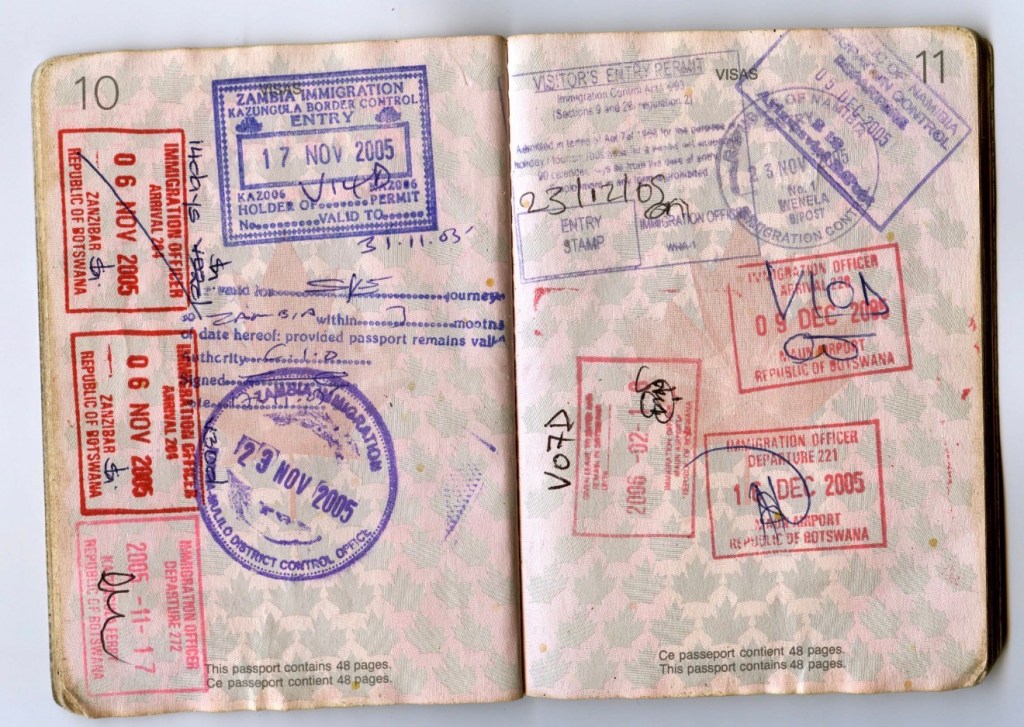
In recent months, some African governments have announced new “free visa” or “visa free” policies for African travelers. The headlines were enthusiastic. Social media celebrated another victory for Pan-Africanism. Governments presented the measures as evidence of progress toward continental integration. Yet beyond the applause lies an uncomfortable reality: a free visa is not the same as visa-free travel. Not even close. The distinction matters. It is not a technicality. It is not a matter of semantics. It is a question of how seriously Africa is prepared to embrace the free movement of its own people. It is the difference between a policy that changes the architecture of African mobility and one that simply discounts the cost of applying for the same old permission slip. More importantly: both fall short of what Africa already agreed to do in a treaty that the continent has adopted since 2018 and only 4 countries have ratified.

What Is a “Free Visa”?

A free visa means you still need to obtain a visa. You still apply. You still submit documents. You still wait for approval. A government officer still retains the power to deny you entry. The only thing removed is the monetary fee at one step in that process. The bureaucratic relationship between you and that border remains completely unchanged. You are an applicant seeking permission. The other African country is a gatekeeper deciding whether to grant it. The visa requirement, with all its paperwork, waiting time, uncertainty, and power asymmetry, is fully intact.

What Is “Visa-Free”?

Visa-free means no visa is required at all. You present your valid African passport at the port of entry and are admitted, subject to standard border checks, without any prior application, fee, embassy queue, or risk of pre-departure rejection. Your right to enter is treated as a given, not a privilege to be earned.

The difference is not just procedural. It is philosophical: A free visa says: “You may apply to come.” Visa-free says: “You are welcome.”

The case of Ghana

In April 2026, President John Mahama announced a new visa policy for Africans, set to take effect on May 25, 2026 (Africa Day), anchored in a newly introduced national e-Visa platform. The headlines again celebrated. But Ghana’s official was clear about what the policy does and does not do: “Not paying visa fees is not the same as automatic entry into Ghana. There shall be no automatic and unvetted entries.”

African travelers will still be required to submit applications and undergo screening through the new e-Visa system. What changes is the cost, not the controls. This is, by definition, a free visa policy, not a visa-free one. So, to go to Ghana with an African nation’s passport you must complete an e-Visa application online before departure. No fee will be charged. But you must apply, be vetted, and receive approval. Do not arrive without completing the e-Visa process. ECOWAS citizens can still travel to Ghana visa-free.

Given that Ghana hosts the AfCFTA Secretariat in Accra and positions itself as a champion of regional integration, one might have expected a more open and facilitative visa regime, similar to the models adopted by Rwanda and Kenya, which have significantly eased entry requirements for African travelers.

Some of the Countries That Have Done It Well…

As of 2025-2026, the following African countries have visa-free entry policy for all African passport holders:

  • Rwanda: Full visa-free. Any African enters by passport alone. No application, no fee, no prior approval.
  • Kenya: Full visa-free. Any African enters by passport alone. No application, no fee, no prior approval.
  • Benin: Eliminated visa requirements for all Africans.
  • Seychelles: First African country to offer visa-free access to all nationalities.
  • Togo: Visa-free entry for African citizens but online registration of travel required  
  • Congo: Visa-free policy announced on 25th May 2026, Africa Day but the policy is not yet published

The Forgotten Treaty: Africa’s Broken Promise to Itself

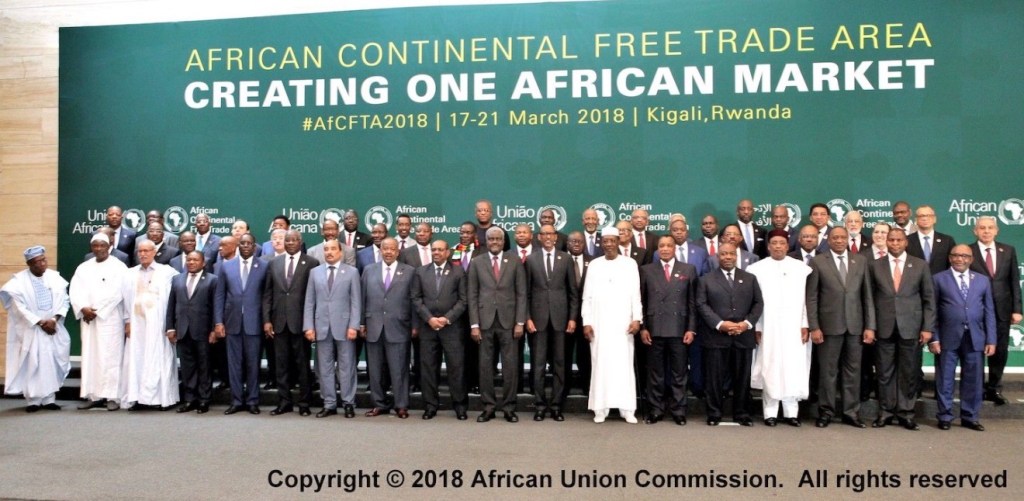
On January 29, 2018, the African Union Summit adopted two landmark agreements side by side:

They were adopted together. They were designed together. They are inseparable in logic: you cannot build a continental market if the people who make up that market cannot move freely within it but what happened next tells you everything about political will.

The AfCFTA gathered ratifications quickly. It entered into force in May 2019. Today, 54 of 55 AU member states have signed it. It is nearly operational.

The Free Movement Protocol has been ratified by only 4 countries: Mali, Niger, Rwanda, and São Tomé and Príncipe. The Protocol requires 15 ratifications to enter into force. It remains eleven short.

What the Protocol Actually Promises

The Protocol is not a vague declaration. Article 6(4) states plainly that a national of a Member State permitted to enter another State shall be allowed to move freely or stay for a maximum period of ninety (90) days, without a visa. This is Phase 1: the immediate promise. Phases 2 and 3 progressively add the right of residence and the right of establishment.

  • Phase 1: Right of Entry: Visa-free entry and stays of up to 90 days. Achievable now.
  • Phase 2: Right of Residence: The right to live and seek employment in another Member State.
  • Phase 3: Right of Establishment: The right to set up businesses in any Member State.

Phase 1 alone would be revolutionary. But it requires 15 ratifications to begin. The continent has been stuck at 4 for six years.

How Can You Trade If You Cannot Move?

Africa’s intra-continental trade stands at just 17% of total exports. Europe’s comparable figure is around 60%. The World Bank estimates AfCFTA could increase Africa’s total exports by nearly 29% by 2035 and lift 30 million people out of extreme poverty. But those projections assume the treaty’s logic is followed through, including the free movement that makes trade in services possible.

“As an investor, as someone who wants to make Africa great, I have to apply for 35 different visas on my passport.”: Aliko Dangote.

AfCFTA lowers tariffs on goods. But services trade, finance, technology, logistics, healthcare, education, are built by people who must move. The AfCFTA and the Free Movement Protocol are two wheels of the same vehicle. Africa has chosen to build one wheel and leave the other in the warehouse.

The “Security” Objection Does Not Excuse Inaction

The most common reason governments give for not ratifying the Protocol is security. It is not an illegitimate concern, but it is consistently overstated. Border security and visa requirements are not the same thing. Countries can maintain robust screening, biometric databases, advance passenger information systems, and cross-border security cooperation entirely independent of whether a visa is required in advance.

ECOWAS has operated a free movement protocol among 15 member states since 1979, without evidence that this has destabilized any member economy or compromised security in ways that outweigh the benefits.

The AU’s own Peace and Security Council acknowledged before the Protocol was even adopted that “the benefits of free movement of people, goods and services far outweigh the real and potential security and economic challenges.” If the Peace and Security Council can reach that conclusion, the political reluctance to ratify is not about security. It is about political will.

Stop the Distractions. Ratify the Protocol !

Individual countries announcing visa-free policies deserve credit. But these gestures should not substitute for, or distract from, the legal instrument that would make free movement a continent-wide right rather than a favor dispensed country by country.

11 more ratifications. That is all that stands between the current patchwork of bilateral goodwill and a legally enforceable continental right to enter, stay for up to 90 days, and ultimately live and work across Africa.

Every summit at which African leaders celebrate AfCFTA without accelerating ratification of the Free Movement Protocol is an exercise in deliberate incompleteness. The continent does not lack analysis. It does not lack consensus. It does not lack the legal instrument. It lacks eleven ratifications.

The Africa We Want Already Exists on Paper, We need to make it happen in real life.

The Africa we want, where any African can travel to any African country with nothing more than their passport, stay, build relationships, trade, study, and eventually live and work without bureaucratic obstruction is not a dream. It is a treaty, adopted in Addis on January 29, 2018.

The distinction between “free visa” and “visa-free” is important. The distinction between “visa-free by individual policy” and “visa-free by continental law” is even more important.

If you’d like to receive my articles automatically as soon as they’re published, simply follow this blog using the “Follow” button at the bottom left of this page or send me an email at Desire.Assogbavi@Assodesire.com