Sièges Permanents pour l’Afrique au Conseil de Sécurité de l’ONU : La Proposition Américaine est-elle acceptable ?

English Version here.

Il y a une demande croissante et une urgence pour améliorer l’efficacité et la capacité des Nations Unies à maintenir la paix et la sécurité internationales. La configuration actuelle du Conseil de sécurité de l’ONU ne reflète pas les réalités géopolitiques d’aujourd’hui. Pour l’Afrique, en particulier, un continent de 1,4 milliard de personnes, avoir des sièges permanents à part entière au CSNU ne vise pas seulement à corriger une injustice historique, mais c’est aussi une question de légitimité et de crédibilité du Conseil.

Les États-Unis viennent d’annoncer leur soutien à la création de deux sièges permanents pour les États africains au Conseil de sécurité des Nations unies, mais ils ont exclu l’extension des Droits de Veto aux nouveaux membres permanents.

L’Afrique accepterait-elle cette offre ?

La position commune actuelle de l’Afrique, connue sous le nom de “Consensus d’Ezulwini“, appelle à deux sièges permanents avec toutes les prérogatives et privilèges de la qualité de membre permanent, y compris le droit de veto, et à cinq sièges non permanents.

Le Droit de Veto a historiquement entravé l’efficacité et l’équité du Conseil dans le traitement des questions de paix et de sécurité internationales. L’Afrique est donc, en principe, favorable à son abolition pour renforcer la fonctionnalité du Conseil. Cependant, si les États membres choisissent de maintenir le Veto, il devrait être étendu à tous les nouveaux membres permanents pour des raisons de justice et d’équité. La réforme du Conseil de sécurité devrait alors envisager soit l’absence du Veto pour tous, soit un Veto pour chaque membre permanent.

Il est donc peu probable que le continent accepte la proposition des États-Unis pour deux sièges permanents sans Droits de Veto. Dans le contexte actuel, une adhésion permanente des pays africains au Conseil sans Droit de Veto serait inutile et sans effet. Cela ressemblerait plutôt à un statut de “membres permanents de deuxième classe”. Certains analystes sur le continent le qualifient de statut ” d’observateurs permanents” au Conseil.

Quels pays peuvent représenter l’Afrique au Conseil de Sécurité ?

Malgré le fait que le Consensus d’Ezulwini stipule que l’Union africaine devrait être chargée de sélectionner les représentants de l’Afrique au Conseil, le continent n’a jusqu’à présent pas réussi à établir les critères de choix des deux candidats africains pour les sièges permanents parmi ses 55 États membres.

Les pays africains doivent s’engager dans un dialogue constructif et une collaboration pour établir des objectifs et critères communs pour le choix des représentants qui serviront au mieux les intérêts du continent.

Il serait important de prendre en compte des facteurs tels que la capacité, l’importance géopolitique, l’expérience diplomatique, la représentation régionale, l’engagement à respecter le droit international et les droits de l’homme, et la capacité à jouer efficacement dans ce système global complexe.

Devrait-on pousser les pays avec de vastes populations et/ou de grandes économies et capacités diplomatiques, comme le Nigeria, l’Égypte, l’Algerie, le Maroc, l’Éthiopie ou l’Afrique du Sud ? Devrait-on réserver un siège pour l’organe continental, l’Union africaine ? Sur ce dernier point, la difficulté sera que l’Union africaine est encore un organe purement intergouvernemental sans autorité supranational. Les États membres conservant leur souveraineté entière et leur pouvoir de décision, et l’UA agit uniquement comme un forum de coordination, de coopération et de consultation entre ses États membres. Le continent a un sérieux travail à faire à ce sujet.

Redevabilité

En délibérant sur sa représentation au CSNU, l’Union africaine doit également envisager de mettre en place un mécanisme de redevabilité pour ses représentants au Conseil de Sécurité . Nous savons comment les jeux de pouvoir, l’influence politique et la pression peuvent influencer les décisions et les votes aux Nations Unies. L’histoire récente nous rappelle qu’en 2011, les trois membres africains non permanents du Conseil de sécurité (Gabon, Nigeria, Afrique du Sud) ont soutenu la Résolution 1973 du CSNU, autorisant les actions militaires de l’OTAN en Libye, malgré les efforts continus de l’Union africaine pour trouver une solution pacifique à la crise. La résolution a été présentée par la France, le Royaume-Uni et le Liban.

Modifier la Charte des Nations Unies

Une modification de la Charte des Nations Unies serait nécessaire pour changer la composition du Conseil. L’article 108 de la Charte des Nations Unies dispose qu’une modification nécessite le soutien de tous les cinq membres permanents (P5) et la majorité des deux tiers des États membres de l’ONU à l’Assemblée générale. Ce ne sera certainement pas un processus facile.

Le prochain Sommet de l’Avenir, qui se tiendra en marge de l’Assemblée générale des Nations Unies, crée une opportunité supplémentaire pour corriger la gouvernance mondiale et de revitaliser le système multilatéral, y compris une réforme équitable du Conseil de sécurité de l’ONU qui prend en compte le besoin urgent de le rendre plus représentatif, inclusif, transparent, efficace, démocratique, crédible et responsable.

Vos commentaires et suggestions sont les bienvenus sur ce site ou directement à mon adresse e-mail : Desire.Assogbavi@assodesire.com  ou Assogbavi@me.com.

Restez à l’écoute pour plus de mises à jour sur les questions panafricaines et de l’Union africaine.

Si vous souhaitez recevoir systématiquement mes articles dès leur publication, veuillez suivre ce blog en bas à gauche de cette page.

Africa’s Permanent Seats at UN Security Council: Is the United States Proposal Acceptable?

La version en Français ici.

There is a growing demand and an urgency to increase the effectiveness of the United Nations’ abilities to maintain international peace and security. The current configuration of the UN Security Council does not reflect today’s geopolitical realities. For Africa, in particular, a continent of 1.4 billion people, having full permanent seats at the UNSC is not just about redressing a historical injustice. It is also a matter of legitimacy and credibility of the Council.

The United States has just announced its support for creating two permanent seats for African States at the United Nations Security Council (UNSC), but it ruled out extending veto rights to new permanent members.

Would Africa accept this offer?

The current African common position, known as the “Ezulwini Consensus,” calls for two permanent seats with all the prerogatives and privileges of permanent membership, including the right of Veto, and five non-permanent seats.

The veto power has historically hindered the Council’s effectiveness and fairness in addressing global peace and security issues, so Africa is, in principle, in favor of its abolition to enhance the Council’s functionality. However, if member states opt to maintain the veto power, it should be extended to all new permanent members for the sake of fairness and justice. The UNSC reform should then consider either no Veto at all or a Veto for every permanent member.

So, it is unlikely that the continent will accept the United States proposal for two permanent seats without veto rights. Considering the current setting, a permanent membership of African countries at the UNSC without Veto Power is meaningless. It will look more like a “second-class” membership status. Some analysts in the continent see this status as a “Permanent Observer Membership” at the Council.

Which countries to represent Africa?

Despite the Ezulwini Consensus stipulating that the African Union should be responsible for selecting Africa’s representatives in the Security Council, the continent has so far been unable to establish the criteria for choosing the two African candidates for permanent seats among its 55 member states.

African countries must engage in constructive dialogue and collaboration to establish common goals and criteria for selecting representatives who will best serve the continent’s interests.

What factors should determine who represents the African continent? This process may involve considering factors such as capacity, geopolitical importance, diplomatic experience, regional representation, commitment to upholding international law and human rights, and the ability to play within this complex global system effectively.

Should the continent push countries with large populations and/or big economies and diplomatic capacity, such as Algeria, Nigeria, Egypt, Morocco, Ethiopia, or South Africa? Should a seat be reserved for the continental body, the African Union? On the latter, the difficulty will be that the African Union is still a purely intergovernmental body with no supranational authority. Member states maintain their sovereignty and decision-making power, and the AU only acts as a forum for coordination, cooperation, and consultation among its member states. The continent has serious homework to do on this.

Accountability

While deliberating on its representation, the African Union may also consider putting in place an accountability mechanism for its representatives at the UNSC. We know how proxy games, political influence, and pressure can impact decisions and votes at the United Nations. Recent history reminds us that in 2011, all three African non-permanent members of the Security Council (Gabon, Nigeria, South Africa) backed UNSC 1973, authorizing NATO’s military actions in Libya despite the African Union’s ongoing efforts to seek a peaceful solution to the crisis. The resolution was tabled by France, the UK, and Lebanon.

Going forwards…

An amendment to the UN Charter would be needed to change the composition of the Council. Article 108 of the UN Charter states that an amendment requires the support of all Permanent Five (P5) members and a two-thirds majority of UN member states in the General Assembly. This will surely not be an easy process.

The upcoming Summit of the Future, to be held on the margins of the UN General Assembly, creates an additional opportunity to correct global governance and reinvigorate the multilateral system, including a fair reform of the UN Security Council that recognizes the urgent need to make it more representative, inclusive, transparent, efficient, effective, democratic, credible, and accountable.

Your comments and suggestions are welcome on this site or directly to my email address: Desire.Assogbavi@assodesire.com  or Assogbavi@me.com .

Watch this space for more updates on Pan-African & African Union matters.

If you want to systematically receive my articles as soon as they are published, please follow this blog at the bottom left of this page.

Africa’s Development Trajectory: Ensuring a Fair Transition

On 10 June 2024, I participated in the Spring Meeting of the  Paris Peace Forum hosted by the prestigious Mohamed VI University in Benguerir, Morocco, under the theme “Fair Transition,” with highlights on 1/ climate and development, 2/ agriculture and nutrition, 4/ energy and transition minerals, and 4/ global health. The Forum has brought together governments, universities, research bodies, civil society, and the private sector.

In addition to participating in the general plenary discussions, I spoke alongside global heavyweight experts, politicians, academics, and practitioners at the launch of a new initiative called the Agricultural Transition Lab for African Solution (ATLAS).

ATLAS will advocate for a globally shared vision of a sustainable African agricultural transformation based on a better understanding of African needs, breaking away from North and South divides, and seeing agriculture and climate as partners rather than adversaries.

Here are my key takeaways from various sessions, group discussions, and bilateral engagements during the very packed day of the forum:

A green energy transition that meets the needs of developing countries and is paired with imperatives of poverty reduction.

The transition towards cleaner and more renewable energy sources should balance the well-being of the planet and the development and prosperity of poor people who contribute the least to environmental degradation. To tap into the existing abundant source of green energy, there is a need for heavy global solidarity. International partnerships and cooperation are essential in supporting Africa’s energy transition. By sharing knowledge and expertise, mobilizing financial resources, and fostering technology transfer, the global community can help accelerate the shift towards a more sustainable energy future for all.

Agriculture, food and nutrition

Agriculture and nutrition are indispensable prerequisites for Africa’s development journey.

African food security is key in the face of a rapidly growing population and the ever-growing threat of climate change: 60% of Africans face food insecurity, 61% of the African population lives on wages below $2/day, and 2/3 of arable land is at risk of desertification. There is an imperative to transform Africa’s agricultural sector into a dynamic, modern, and sustainable engine of growth. Agriculture remains the backbone of many African economies, employing a significant portion of the population and contributing substantially to GDP.  

Investing in Africa’s agriculture should go beyond just increasing crop yields; it also entails fostering a holistic approach to food security/sovereignty and nutrition. As Africa seeks to chart a course towards sustainable development, it is imperative that agriculture and nutrition remain central to the continent’s agenda. From empowering smallholder farmers and agribusinesses to scaling up nutrition interventions and promoting dietary diversity, the possibilities for transformative change are vast and promising for the continent.

From extractives to wealth creation in Africa

African countries should move from exporting mineral resources to prioritizing value addition and industrialization to capture more of the value from these resources. Africa can boost job creation, foster innovation, and drive economic growth by processing raw materials locally and developing higher value-adding industries. This shift towards industrialization is integral to promoting sustainable development and reducing Africa’s traditional role as a mere supplier of raw materials.

Adding value to natural resources in Africa has the potential to promote entrepreneurship and support small and medium-sized enterprises as engines of economic growth. African governments and development partners should boost initiatives to provide financing, training, and mentorship to entrepreneurs, enabling them to create innovative businesses that contribute to job creation and economic prosperity. 

Africa needs to plan a phase-out of ODA.  

It is undeniable that Official Development Assistance (ODA) has been instrumental in catalyzing progress. Aid flows have facilitated the building of schools and hospitals, the provision of clean water and sanitation, and the implementation of crucial social welfare programs. However, there are compelling reasons for African nations to consider planning a phase-out of aid dependency.

In the face of ongoing global development, there is growing consensus among experts that a shift towards self-reliance and sustainable development is paramount for Africa’s long-term growth and prosperity.  Aid trap will cause the continent to miss out on the numerous existing opportunities to take off. Aid is becoming more and more unpredictable and subject to geopolitical agendas, making it an unreliable and unsustainable source of funding for development projects. This will hinder long-term planning and result in fragmented and short-term solutions that fail to address the root causes of poverty and underdevelopment in Africa. 

Phasing out from aid can foster accountability and good governance. When governments are not solely reliant on external donors for funding, they are encouraged to be more transparent and responsive to their citizens’ needs. This shift can lead to more efficient and effective resource use, reducing the risk of corruption and mismanagement that often plague aid-funded projects. Transitioning towards self-reliance can stimulate domestic innovation and entrepreneurship as countries are forced to find locally-driven solutions to their development challenges. This can lead to the creation of sustainable businesses and industries that generate jobs and economic growth, ultimately reducing poverty and improving livelihoods.

The Pact for the Future; the Role of Africa

On the road to the upcoming Summit of the Future #SOTF, which will be held in September this year at the United Nations in New York, I was asked to share my thoughts about the role of Africa in the “Pact for the Future” that will be discussed and hopefully adopted at the said global Summit.

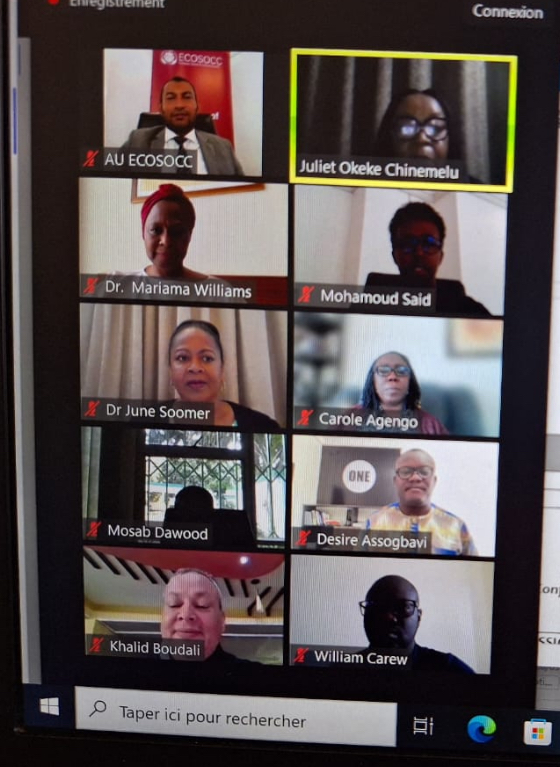
The discussion, hosted by the African Union’s ECOSOCC, happened virtually today.

After studying the 20-page zero draft of the Pact for the Future, with its 148 paragraphs, I can say that it is a comprehensive and well-elaborated document. I strongly recommend you read it fully. As it is a zero draft, it is open for input from various stakeholders before the September summit.

From financing sustainable development to international peace and security to science, technology, innovation, and digital cooperation, from the needed improvement of global governance to the urgent reform of the international financial institutions for better and increased resources, the draft of the Pact for the Future seems to be a completed memorandum to fix our world, save People, and save the Planet!

The question I have to answer now is, what should be Africa’s role in all of these?

Here are my 3 key ideas:

1/ First, Africa should have better representation at the Table.

This is critical for a meaningful contribution of the continent, in resolving the global issues mentioned in the draft of the Pact for the Future. Africa continues to be underrepresented in key international institutions and decision-making processes. This lack of representation not only hinders Africa’s ability to shape global policies actively but also perpetuates a cycle of inequality and imbalance in international relations. Africa can indeed play an impactful role in global affairs and can make significant contributions to addressing pressing global issues. Whether it is within international financial institutions such as the World Bank and the International Monetary Fund or at the UN Security Council, a fairer representation is essential to making things right!

Elevating Africa in global governance is not just a matter of fairness or justice; it should be seen as a strategic imperative for building a more stable, prosperous, and sustainable world for all. By giving space to Africa’s diverse voices and experiences, we can create a more inclusive and equitable global order that reflects the richness and diversity of our planet.

2/ We need to shift the current perspective on Africa’s role. The Continent should be seen as an important part of the solution, not just a warehouse or a reservoir of natural resources.

The continent is bringing demography & human resources. Africa represents 1.4 billion people, which is about 17% of the global population. Most of them are young, intelligent, dynamic, and willing to participate in the development process. This population will rise to 25% by 2050. The continent has a vibrant workforce and is experiencing a surge in innovation and entrepreneurship. By supporting and collaborating with African innovators, the global community can benefit from their transformative solutions.

In addition, Africa would bring wealth and natural resources. Africa is one of the world’s richest geographical regions in terms of its endowment with natural resources, with 60% of the world’s renewable energy assets and more than 30% of the minerals key to renewable and low-carbon technologies. Africa has the largest unused arable land, a heavy green energy potential, and other strategic, critical materials. From its vast mineral deposits to its fertile agricultural lands, the continent has much to offer. With proper management and sustainable practices, Africa’s resources can help address global challenges such as food security, water scarcity, and renewable energy.

One of the key global issues that Africa would greatly help address is climate change. Besides mitigating the impact of climate change, Africa also would contribute significantly to global efforts to reduce greenhouse gas emissions.

3/ My 3rd & last point is more about looking inward…Charity needs to start at Home

It would not be enough for the continent to sit at the table; Africa needs to clean its own house and ensure that, we resolve some of the problems that are in our capacity to fix.

We know them:

  • We call them shared values, and we adopted them at the AU, ECOWAS, SADC, EAC, etc
  • We call them accountability, peer review
  • We call them good governance, the rule of law;
  • We name them solidarity, fair sharing of national resources, and diversity management.

If we work seriously on them, Africa will be more apt/ready to play a meaningful role in the pact.

I would like to conclude by wondering if the simple discussion and adoption of the Pact for the Future will lead us to the promised land…

Whether at the UN, the African Union or the RECs… If only half of the various texts we have adopted have been implemented, I am sure we would have been at a different level…

So, what needs to be different now?

This is a question that you all can propose answers to, during the discussions.

What about a robust accountability mechanism for the realization of these commitments of the Pact for the future?

What could be the form of such a mechanism?

I thank you for your attention!

Youth employment in Africa through agriculture development & the cracking down of the Illicit Financial Flows: How can partners contribute?

Some time back, I was the guest of a podcast on President Biden’s Priorities for Africa by the Washington DC-based Center for Strategic and International Studies (CSIS), then hosted by Judd Devermont (currently Special Assistant to the President and Senior Director for African Affairs at the White House).
My two main points are:
1/ Boost youth employment through agriculture development/modernization, especially #agrifood and,
2/Crack down Illicit financial flows representing more than $89 billion going out of Africa every year illegally.
You can listen to the podcast here.

The Reform of the African Union and Citizens’ Participation

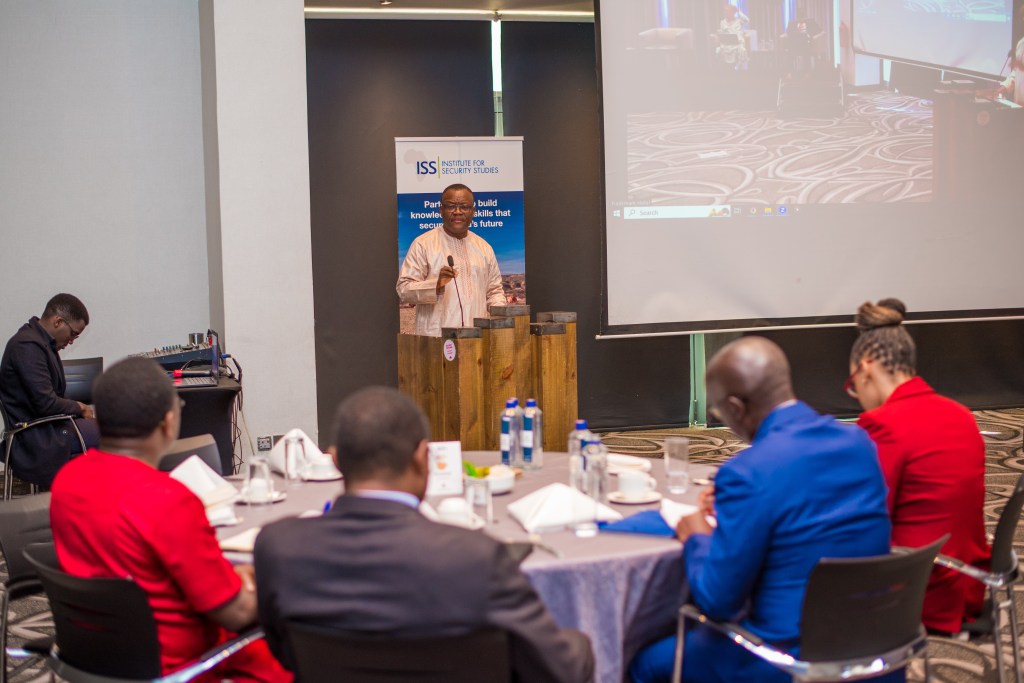
This is the summary of a presentation I made at the seminar on the African Union Reform co-hosted by the Institute for Security Studies and the Government of Kenya in the margins of the African Union Mid-Year Coordination meeting with the Regional Economic Communities in Nairobi, Kenya, on 13th July 2023.

The fundamental reason for the transformation of the Organization of Afrian Unity (OAU) to the African Union (AU) in the years 2000s is to ensure that the continental body becomes a people-centered institution as opposed to what was known as a club of Heads of State.

One of the seven aspirations of the AU’s Agenda 2063 (aspiration # 6, precisely) is “to build an Africa whose development is people-driven and relies on the potential of African people, especially its women and youth.”

The inclusive economic development that Africa aspires to achieve requires a vibrant civil society, making the necessary contribution to continental efforts through participatory engagements in decision-making.

Active citizens are a fundamental prerequisite for an effective African Union.

At the country level, we know that Citizens’ engagement with their leaders improves the delivery of inclusive, accessible, and responsive public services, such as the provision of healthcare, safe water, quality education, decent jobs, etc.

Because of its closeness to the day-to-day life of the communities, Civil Society has an identity that is distinct from States. In conflict situations, civil society has the vocation to contribute to peace-building initiatives.

Civil society has shown its capacity to organize the collection, analysis, and evaluation of first-hand information, allowing the identification of the sources of potential tensions as well as emerging conflicts.

The characteristics of security issues the African Union addresses today radically differ from those of the previous decades. Today’s conflicts appear to be more complex than ever, and their nature obliges us to change how they resolve them.

While “Traditional” conflicts were well understood by diplomats and specialists in political science, addressing new conflicts adequately requires much more on-the-ground knowledge, new social and cultural analysis skills, the active involvement of communities and their leaders, links to vulnerable groups, and new ways of working.  Civil society organizations, most of the time, have unique capacities in those areas.

In the face of the many challenges Africa currently faces, boosting a people-driven development process has never been more urgent. It is the only means for sustainable development and change, which can only happen when African citizens are informed, empowered, and enabled to influence policies and practices and utilize improved mechanisms to hold leaders accountable.

The AU Agenda 2063 recognizes that people’s ownership, support, and mobilization are critical enablers to concretizing Africa’s aspirations.

So, for a prosperous and democratic society, state actors and a well-organized civil society should be seen as the two sides of the same coin because they complement each other.

Civil society is a reservoir of goodwill needed to accelerate national, regional, and continental development.

With all these realities in mind, the ongoing institutional reform of the AU, especially the review of the organs, should deliberately ensure that the new African Union and its organs give adequate space and resources for citizens’ participation at 3 levels:

  • Policymaking
  • Policy implementation
  • Accountability

We know that the African Union has created organs and mechanisms to encourage the contributions of citizens and their formations.

These include but are not limited to the following:

1/ ECOSOCC: The Economic Social and Cultural Council, an organ of the Union

2/ CIDO: The Citizens and Diaspora Organizations division of the AU Commission

3/ Provisions and frameworks organizing the contribution of citizens, their formations, and affected populations within the peace and security and governance frameworks of the Union.

Such provisions and frameworks include the Livingston Formula, the Maseru Conclusion, the African Governance Architecture, and the African Peace and Security Architecture.

4/ A mechanism for the participation of CSOs in the work of the Africa Commission for Human and Peoples’ Rights.

5/ A mechanism for the interaction of child-focus organizations with the African Committee of Experts on the Rights and Welfare of the Child (ACERWC),

6/ The Pan Africa Parliament also aims to provide a platform for people’s representatives from the various member states to contribute to the African Union’s work. 

But, over the years, with all that I mentioned, Citizens’ space and participation have not been consistent. It remains informal, ad-hoc, and definitely not at the expected level recommended by the Constitutive Act of the AU.

Here are just a few examples,

1/ It has been difficult for CSOs in African Union Member States to know exactly what it takes to provide input to continental policy debate and get accreditation to do so.

2/ The yearly calendar of policy gatherings of the various organs of the AU is nowhere to be found unless you have a friend within the conference department or a member state representative, or embassy staff.

3/ Physical access to the premises of the AU Commission has been inconsistent and a challenge to CSOs, representatives, and even for those who have established Liaison offices to the Union or have signed an MoU with the Commission.

4/ …and overall observers’ access to AU Summit has been increasingly restricted

I am conscious of the fact that not all existing CSOs’ representatives can be invited to all meetings, but there should be a transparent procedure known by all…

You will agree with me in the conditions I have just described that it is impossible to tap into and take full advantage of the immense resource that CSOs offer for the Africa we want…

However, there are good reasons for us to believe that change and improvement of the current situation are possible and even on the way.

Today’s gathering for this policy debate, co-hosted by ISS and the Government of Kenya, is an example of the necessary interaction between states and non-state actors.

Early this week, hundreds of citizens of the continent and the diaspora gathered under the hospices of ECOSOCC, supported by the Government of Kenya, for policy discussions on various thematic as well as a Citizens’ Forum on Democracy and Digital Governance. I recommend that the Kenya delegation take the outcomes of these discussions to the AU policy space in Addis Ababa and champion them.

ECOSOCC’s New Approach

A critical positive trend that we are also witnessing is the new approach being taken by ECOSOCC with its new leadership over the last few years.

Such a progressive approach is visibly taking the organ back to its originally intended purpose, as a platform for African Civil Society Organizations, in all their variety to contribute to the shaping of the African we want, and no more as a gatekeeper or a filter for CSOs participation in the AU affairs, as it used to be the case since ECOSOCC has been launched.

This trend, already being appreciated by member states and the CSOs community within the continent, should be supported and institutionalized to be consistent and sustainable.

We also know that a harmonized mechanism for granting consultative and observer status to CSOs in Africa is being prepared to be submitted to the African Union policy organs for adoption soon.

This excellent move will clarify what it takes for a CSO to have a formal relationship with the African Union for interactions, participation, exchange, and knowledge transfer.

With a harmonized Mechanism, the AU, through ECOSOCC, could have and maintain a comprehensive database of CSOs from across the continent and the Diaspora working on the various programs and thematic of the AU. This will facilitate invitations and consultations to contribute to programs or to provide technical advice on the thematic areas CSOs are specialized in.

For this particular process, I would like to submit that such a centralized, general mechanism be as liberal as possible and that thematic departments and organs of the AU be the ones to define specific considerations or a set of rules that may govern their regular interactions with CSOs operating in their specific fields.

I would also like to submit that such a harmonized mechanism recognizes and makes room for the necessary flexibility that characterizes the nature of civil society, especially regarding humanitarian intervention, peacebuilding, and human security.

I would like to conclude my overall contribution by saying that only a reformed African Union that makes meaningful space for citizens’ participation and an agreed accountability mechanism can take us to the 2063 promised land.

I thank you.

La Zone de Libre-Échange Continentale Africaine: Quelles Opportunités d’Emploi pour la Jeunesse?

Chers lecteurs,

Je partage avec vous ici, mon exposé introductif du Dialogue intergénérationnel que nous avions organisé à l’occasion de la Journée de l’Afrique 2023, qui a marqué le 60eme anniversaire de la création de l’organisation de l’Unité Africaine (OUA) en 1963, transformée plus tard pour devenir l’Union Africaine (UA).

Dakar, Sénégal le 27 mai 2023.

Distingués invités,

Chers Champions de ONE,

Mesdames et Messieurs,

Au nom de ONE Campaign et ses partenaires co-organisateurs de cet évènement, je vous remercie d’avoir choisi de vous joindre à ce débat de la journée de l’Afrique 2023 qui marque le 60eme anniversaire de la création de l’Organisation de l’Unité Africaine (OUA), transformée en Union Africaine (UA).

ONE est un mouvement mondial, faisant campagne et du plaidoyer pour mettre fin à l’extrême pauvreté et aux maladies évitables, en particulier en Afrique.

Nous croyons que la lutte contre la pauvreté n’est pas une question de charité mais de justice et d’égalité.

Qu’il s’agisse de faire pression sur les dirigeants politiques dans les grandes capitales du monde ou, former les jeunes à la citoyenneté responsable, ou encore pour autonomiser les petits exploitants agricoles, ONE fait pression sur les gouvernements pour qu’ils en fassent davantage pour plus de justice sociale.

Les plus de 7 millions de membres, activistes et supporteurs de ONE sont essentiels à ce travail. Ils viennent de tous les horizons. Ce sont des artistes et des militants, des chefs religieux et des chefs d’entreprise, des étudiants, des scientifiques et des citoyens ordinaires.

Ils agissent jour après jour organisant, mobilisant, éduquant et plaidant pour que les populations aient la chance non seulement de survivre, mais aussi de prospérer.

Nos équipes sont à Washington D.C., New York, Ottawa, Londres, Johannesburg, Abuja, Bruxelles, Berlin, Paris, Addis Abeba, Nairobi et bien sûr Dakar.

Nous sommes apolitiques et non partisans.

Mesdames et Messieurs, La rencontre d’aujourd’hui se situe dans le cadre de la Journée de l’Afrique, qui a été célébrée le 25 mai. C’est en effet le 25 mai 1963, il y a donc 60 ans, que l’Organisation de l’Unité Africaine a été créée à Addis Abeba en Éthiopie.

L’OUA a été fondée par les 32 pays qui étaient alors indépendants. Plus tard, les 23 autres nations ont progressivement rejoint le club.

L’OUA était un engagement sans précédent avec pour aspiration la libération politique totale de l’Afrique du colonialisme, l’unité et la solidarité entre ses peuples.

Alors que les principaux objectifs de l’OUA étaient de débarrasser le continent des derniers vestiges de la colonisation et de l’apartheid ainsi que de promouvoir l’unité et la solidarité entre les États africains, la nouvelle Union africaine créée en 2002, vise “une Afrique intégrée, prospère et pacifique, conduite par ses citoyens et représentant une force dynamique sur la scène mondiale“.

La transformation de l’OUA en UA a créé l’espoir pour une plus grande unité et solidarité des pays africains et entre les peuples africains. La volonté de construire une institution centrée sur les citoyens est la principale caractéristique distinctive entre l’Union africaine et l’ancienne Organisation de l’unité africaine, qui était exclusivement axée sur les États.

La journée de l’Afrique devrait être un jour où nous racontons l’histoire de notre continent à nos jeunes générations, l’histoire de nos gloires passées mais aussi les fondements d’un avenir plus radieux.

La Journée de l’Afrique doit aussi être une journée de réengagement envers nos Valeurs Partagées et nos Agendas communs : l’Agenda 2063 de l’UA et l’Agenda 2030 des Nations Unies pour Développement Durable.

L’UA a adopté un ensemble de valeurs partagées centrées sur la démocratie et la bonne gouvernance, l’État de droit et les droits de l’homme, la paix et la sécurité, ainsi que le développement et l’intégration du continent.

La Journée de l’Afrique doit être une journée d’une solidarité africaine renouvelée. Elle doit nous rappeler qu’une partie importante de notre continent est encore, malheureusement dévastée par les conflits injustifiables.

Elle doit nous rappeler que 15 millions de jeunes Africains viennent chaque année sur le marché de l’emploi mais que seulement environ 3 millions d’emplois formels sont créés.

Cette journée doit donc renforcer notre détermination à lutter contre l’extrême pauvreté et toutes les formes d’inégalités et de discriminations en Afrique.

Depuis sa création, l’Union africaine a élevé la barre normative des ambitions de développement socio-économique et démocratique du continent. Mais l’adoption de normes, de traités, de cadres politiques ne suffit pas à elle seule, pour nous mener vers « l’Afrique que nous voulons ». Nous devons tenir nos promesses en mettant effectivement en œuvre ces instruments et en nous tenant régulièrement mutuellement responsables. Il est temps de combler le fossé entre les promesses et la réalité quotidienne de la plupart des citoyens.

On estime à environ 25000 les jeunes Africains qui sont morts ou portés disparus en Mer Méditerranée en tentant de fuir notre continent entre 2014 et 2023. Beaucoup d’autres sont morts dans le désert du Sahara avant même d’atteindre la mer. Pourquoi quittent-ils le continent ?

34 des 54 pays africains sont étiquetés comme « pays les moins avancés », alors que dans le même temps, environ 90 milliards de dollars sortent illégalement du continent par le biais de flux financiers illicites (FFI) selon le rapport Thabo Mbeki.

L’Afrique possèderait plus de 90 % des ressources mondiales en chrome, 85 % de sa platine, 70 % de sa tantalite, 68 % de son cobalt, 54 % de son or, ainsi que d’importantes réserves de pétrole et de gaz. Le continent abrite également des gisements d’uranium, de manganèse, de diamant, de phosphate et de bauxite en très grandes quantités. Il a du bois et d’autres ressources forestières ajoutées à ses vastes terres arables pour l’agriculture.

Aujourd’hui, notre débat tournera autour de la Zone de Libre Échange Continentale Africaine (ZLECAf), et les opportunités qu’elle présente pour la jeunesse en matière d’employabilité.

La ZLECAf, née officiellement en janvier 2021 vise :

  • L’élimination progressive des tarifs douaniers et des barrières non tarifaires ;
  • L’amélioration de la coopération dans le domaine des obstacles techniques au commerce et des mesures sanitaires et phytosanitaires ;
  • Le développement des chaines de valeurs aux niveaux régional et continental
  • Le renforcement des traits du développement et l’industrialisation de l’Afrique.

54 des 55 États membres de l’Union Africaine ont signé l’accord de la ZLECAf.

46 pays l’ont ratifié mais, a ce jour, seuls 4 États ont ratifié le traité sur la libre circulation des personnes et des biens.

La Zone de libre-échange continentale africaine (ZLECAf) pourrait permettre aux pays africains de faire sortir de l’extrême pauvreté 30 millions d’habitants.

L’Afrique pourra enregistrer 450 milliards de dollars de revenu d’ici à 2035, soit une augmentation de 7%.

La mise en œuvre de la ZLECAF permettrait de mener à bien les réformes de fond nécessaires pour stimuler la croissance à long terme dans les pays africains.

Est-ce trop beau pour être vrai ?

Mesdames et messieurs, distingués invités, chers panelistes,

Ce projet est-il trop beau pour être vrai comme se le demandent déjà certains de nos compatriotes Africains ?

Ont-ils des raisons d’y croire ou d’en douter?

Que doivent faire les dirigeants africains pour relever ce défi ?

Avons-nous déjà ce que nous allons échanger au moment où la plupart de nos échanges tournent autour des matières premières et s’effectuent avec le monde extérieur?

Que faire des barrières non tarifaires auxquelles nous faisons face présentement en Afrique ? Les mesures non tarifaires coûteuses, les lacunes en matière d’infrastructures, d’informations sur le marché etc?

Et si les droits de douanes tombent complètement, qu’adviendra-t-il aux petits pays face à ceux qui ont déjà une industrialisation relativement avancée ?

Pourquoi nos pays trainent -ils le pas pour ratifier le traité sur la libre circulation des personnes et des biens, qui fait partie du paquet des accords devant faciliter la mise en œuvre de la ZLECAF ?

Chers panélistes,

Ce sont là juste quelques questions pour anticiper sur le menu du jour.

Sur ce, je nous souhaite un bon débat !

Je vous remercie pour votre attention…

Bonne Journée de l’Afrique et que Dieu bénisse notre continent !!!

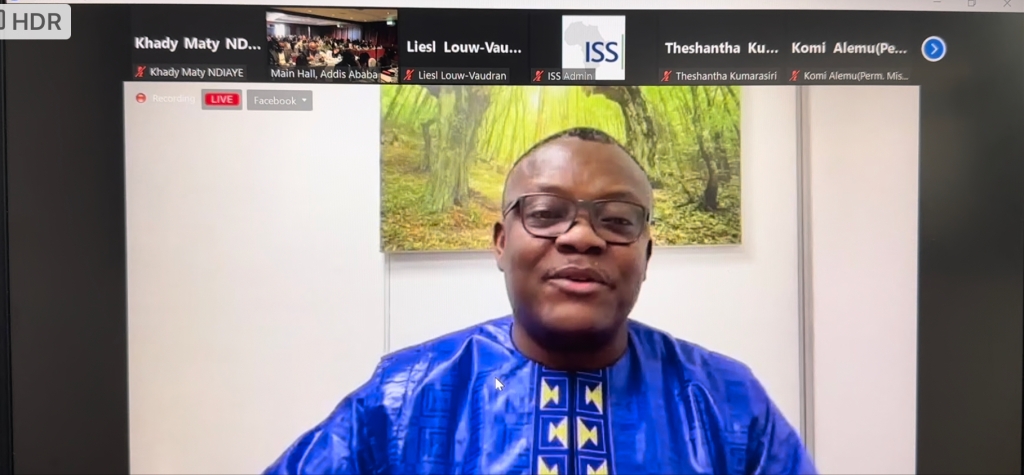
Overview of AU Reform and its effectiveness in tackling continental challenges (My talking points at the post-AU Summit seminar, Addis Ababa 23 February 2023)

You can watch the entire seminar here.

My submission is structured as follows: I will do a quick overview of the AU Reform then I will comment on the effectiveness of the reform in tackling continental challenges.

The institutional reform Agenda is based on 3 pillars.

  • The scope of intervention, the mandate of the Union, the structure of its organs and offices
  • Leadership and Management of the African Union
  • How the Union should be funded to do the job  

1/ The scope of intervention of the Union & the structure of the organs/offices of the AU

The idea here was to ensure that the AU focuses only on critical priorities with continental scope so that the body can make a real difference in improving the lives of African citizens.

Those continental priorities are the following:

  • Political Affairs,
  • Peace & Security,
  • Economic Integration,
  • Africa’s Voice in the global arena…

So, any other issues should be covered at regional and national levels..

But, when the Assembly of the AU went to restructure the Commission, this principle was simply not followed even though the departments had been reduced from 8 to 6. The AU does not seem to drop much thematic, almost none, in my view… Politics have prevented the great idea from President Kagame’s submission from being implemented, so we have only seen a reshuffling and not a refocusing…

2/Leadership and Management: This is still an unfinished business

Some important steps have been taken with the appointment of a not-so-new Management Team…

Positions are still being filled… but the big delay is around the review of the so many organs, institutions, and offices of the Union.

According to the latest report submitted to the just-ended Summit (Feb 2023), about sixty organs, institutions, agencies, and offices of the African Union still need to be reviewed….

In addition, …the reform of the working methods of the Peace and Security Council and its role in conflict prevention and crisis management is still pending.

The division of labor between the AU, RECs, RMs and Member States is still to be concluded.

3/How the Union should be funded to do the job  

Here, the plan is for the African Union to be financed by resources from within the continent, but progresses have been very weak.

Development partners continue paying at least 65% of the African Union budget. This is happening despite all the talks, the different scenarios, and the decisions taken many years back, from the proposed taxes on air tickets by President Obasanjo in 2013 to President Kagame’s recommendations of a 0.2 % Levy on eligible imported goods into the continent. If this latest decision is fully implemented, the Union would be able to cover 100% of its operational cost, 75% of its program budget, and 25% of the Union’s peace support operations. We are far, very far from such a situation.

At each level of the reform, we have seen several member states opposing or simply delaying the process… Some have simply been ignoring the decisions taken… So, 6 years after this reform started, there is no visible impact on the efficiency and effectiveness of the African Union.

The Chairperson of the Commission, in recent days, very often has been raising the issue of lack of solidarity among member states.

The just-ended Summit (Feb 2023), after “noting with concern the long delays in the finalization of the remaining reform tasks”, gave another 6 months until July 2023 to the reform Unit to complete the remaining task…. But this is visibly unrealistic, considering the amount of work that remains to be done.

Missed opportunity!!!

What I consider as an unfortunate missed opportunity in the African Union reform framework is the absence an accountability mechanism, especially a sanction framework for non-compliance vis a vis the decisions, protocols, treaties, commitments adopted by member states…

The lack of sanctions for non-compliance has been a severe gap within the AU’s founding document, and the reform created an opportunity to correct it, but it has not happened.

I know there are opposing schools of thought about the issue of sanctions, but what can we achieve if we don’t plan for sanctions in our own policies?

In fact, the reform has reinforced the sanction for non-payment of annual contributions by member states, so it means the sanction for the non-implementation of agreed policies has been deliberately dropped.

We all know that the rate of implementation of AU-adopted policies by member states does not pass 15%. So, if nothing is done on the matter, we will mechanically finish the reform process this year or next year, but there will be no change in the life of African people…

I don’t plan to propose a bucket list of recommendations today.  One thing that is holding our institution to serving the people of the continent efficiently is the absence of sanctions on member states that violate our agreed shared values.

AUC needs to be creative in holding member states accountable.

Even the simple fact for the chairperson of the commission to present, at each summit, an independent and objective report on the implementation of our shared values and key agreed principles will be a good step forward that can pressure member states to behave differently.   

The most needed reform of the Peace and Security Council

Various reports of the AU itself showed us how conflicts are seriously slowing our development agenda…. Just by looking at the number of young people involved in the conflicts in the Sahel, in the Horn of Africa, in DRC in Nigeria, etc… we know conflicts are the most crucial hindrance to our journey to the Agenda 2063…

….and the main organ (PSC) to deal with the conflicts is struggling to make peace happen.

We can’t continue evaluating the efficiency of the Peace and Security Council only by the number of meetings they have had…

It is not ok to have a peace and security council applying double standards on qualifying unconstitutional change of government depending on where it happens…

We have all seen recently the Council disowning the Chairperson of the African Union Commission on this matter on the situation in Chad…

What happened in Chad, according to constitutional law, is simply a coup, and there is no debate about it.

A few years back, the Peace and Security Council made a bold decision, at the Ambassador level, to protect civilians in Burundi by deploying a 5 000-strong African Prevention and Protection Mission in Burundi – MAPROBU (in French: Mission Africaine de Prevention et de Protection au Burundi)… There also, the AU at the Heads of State level, in a controversial move, came to disown the Council and killed the said decision.

You will agree with me that the reform of the PSC is urgent and cannot wait because the body is not tackling the most severe continental challenge that is preventing us from achieving our development agenda.

I thank you.

Sommet des Chefs d’État d’Afrique et des Etats-Unis : Quels Enjeux ?

English version here

Le Président Américain Joe Biden organise un sommet avec les chefs d’État et de gouvernement africains à Washington DC du 13 au 15 décembre 2022. Ce sera le deuxième sommet américain avec des dirigeants africains, après celui organisé par le Président Obama en août 2014. 

J’ai eu l’occasion de participer au Sommet de Barack Obama en tant que représentant résident d’Oxfam International auprès de l’Union africaine à l’époque, et j’ai eu à publier mes réflexions ici.

Dans cet article, alors que je me prépare pour prendre part au Sommet de Joe Biden pour le compte de ONE Campaign, j’aimerais partager quelques réflexions personnelles sur les enjeux de cette rencontre imminente. 

Selon la Maison Blanche, le Sommet démontrera l’engagement des États-Unis envers l’Afrique et soulignera l’importance des relations entre les États-Unis et l’Afrique ainsi qu’une coopération poussée sur des priorités mondiales communes. Le sommet des dirigeants américains et africains vise à promouvoir et faire progresser la collaboration entre les États-Unis et l’Afrique sur les priorités mondiales et régionales les plus urgentes.

Sur l’Agenda

Selon la Maison Blanche, le Sommet des leaders d’Afrique et des Etats-Unis  s’appuiera sur les valeurs, communes aux deux continents afin de mieux :

1- Favoriser un nouvel engagement économique

2- Promouvoir la paix, la sécurité et la bonne gouvernance

3- Renforcer l’engagement en faveur de la démocratie, les droits de l’homme et la société civile.

4- Travailler en synergie pour renforcer la sécurité sanitaire régionale et mondiale.

5- Promouvoir la sécurité alimentaire

6- Répondre à la crise climatique

7- Amplifier les liens avec la diaspora

L’importance géopolitique et économique de l’Afrique

De toute évidence, le Sommet sera le reflet de la nouvelle stratégie américaine à l’égard de l’Afrique, qui démontre l’importance cruciale du continent pour relever les défis mondiaux actuels. L’Afrique est un acteur géopolitique clé, qui façonne le présent et l’avenir du monde.

Avec une population à la croissance la plus rapide au monde, la plus grande zone de libre-échange, les écosystèmes les plus diversifiés et étant la plus grande force politique pour les votes aux Nations Unies, l’Afrique est un vaste continent organisé en cinq régions géographiques (Nord, Est, Ouest, Sud, Centre). Les aspirations actuelles du continent sont mis en évidence dans l’Agenda 2063 de l’Union Africaine – L’Afrique que nous voulons, un plan d’action visant à construire un continent intégré, pacifique et prospère qui occupe la place qui lui revient sur la scène mondiale.

L’importance stratégique du continent pour la sécurité et la prospérité régionales et mondiales et le rôle croissant et significatif qu’il joue dans la mise sur pied du système mondial de gouvernance ont fait de l’Afrique un acteur politique incontournable dans les discussions internationales. Cette importance se note clairement dans les divers types d’engagements diplomatiques et l’éventail des partenariats qu’elle établit avec différents blocs politiques et pays au cours des trois dernières décennies.

En outre, l’Afrique est très attrayante, avec ses ressources naturelles et humaines abondantes. Sa population majoritairement jeune, dynamique et résiliente, son énorme potentiel de développement, de commerce et d’investissement, entre autres, sont quelques-uns des grands atouts et avantages concurrentiels du continent.

Diplomatie des Sommets: une Tentative de Rattrapage ?

Depuis que le Président Obama a organisé le premier Sommet avec le continent en 2014, dans le but de contribuer à ouvrir un nouveau chapitre dans les relations américano-africaines, les États-Unis ont perdu du terrain face à leurs “concurrents” en Afrique. Entre temps, le président Trump avait choisi de dénigrer les pays africains et interdit à nombre de leurs citoyens de se rendre aux États-Unis, et le président Biden n’a pas fait grand-chose jusqu’à présent pour montrer son engagement envers l’Afrique.

Au cours des deux dernières années seulement, l’Union européenne, le Royaume-Uni, la Turquie, l’Inde et le Japon ont tenu leurs sommets avec le continent. La Chine a organisé son quatrième Forum triennal sur la coopération sino-africaine (FOCAC) au Sénégal, et la Russie tiendra son deuxième sommet africain en 2023. La Chine a nettement approfondi ses relations avec l’Afrique. Ses échanges commerciales avec le continent ayant augmentées 35 % en 2021 pour atteindre un pic de 254 milliards de dollars en atteste largement. En outre, la Russie a fait des percées notoires, les mercenaires du groupe Wagner, soutenus par le Kremlin, opérant désormais dans pas moins de 18 pays africains, selon le Centre d’études stratégiques et internationales de Washington.

Les récents votes des pays africains à l’Assemblée générale des Nations unies sont assez édifiants et indique clairement que le continent ne peut plus être considéré comme acquis. Le Président Biden comprend donc certainement que l’Amérique doit rattraper son retard dans ses relations avec l’Afrique et, surtout, adopter une nouvelle approche et de nouveaux langages différents des pratiques de l’administration américaine précédente.

Qui est invité au Sommet, et qui ne l’est pas ?

49 dirigeants des 55 États membres de l’Union africaine ont été invités.  Les dirigeants du Mali, du Burkina Faso, du Soudan et de la Guinée, qui ont été suspendus de l’Union africaine, n’ont pas reçu d’invitation. L’autre critère d’invitation observé est inhérent à l’existence de relations diplomatiques. Le président Biden n’a, en effet, invité que les pays avec lesquels les États-Unis entretiennent des relations diplomatiques complètes. Actuellement, les États-Unis n’échangent pas d’ambassadeurs avec l’Érythrée et n’ont pas reconnu la République Arabe Sahraouie Démocratique en tant que pays ; par conséquent, bien que ces deux nations soient des membres réguliers de l’Union Africaine, elles n’ont pas été invitées. Curieusement, le Tchad a été invité bien que le dirigeant actuel du pays Mahamat Déby, ait récemment pris le pouvoir par un coup d’État, violant la constitution nationale et les règles de l’Union lorsque son père, Idriss Deby Itno, a été assassiné. L’Union Africaine n’a pas réussi à suspendre le Tchad à la suite du coup d’État, dans ce qui est considéré comme un double-standard politique.

Au-delà de la réunion des chefs d’État…

Le sommet de Washington impliquera aussi officiellement le monde des affaires, la société civile, la jeunesse et la diaspora africaine.

Un forum de la société civile sera organisé par l’USAID le 13 décembre 2022, avec la participation des représentants de la société civile et de certains dirigeants d’Afrique et des États-Unis. Le Forum proposera les sujets de discussion suivants : La participation inclusive dans la politique et la vie publique, la lutte contre la corruption, et les droits des travailleurs.

Un forum de la diaspora et de la jeunesse sera aussi organisé le 13 décembre 2022 : le forum des jeunes leaders d’Afrique et de la diaspora a pour objectif de rehausser le niveau d’engagement de la diaspora afin de renforcer le dialogue entre les responsables américains et la diaspora aux États-Unis et de fournir une plateforme aux jeunes leaders d’Afrique et de la diaspora pour élaborer des solutions innovantes aux défis urgents. L’Union africaine a identifié la diaspora africaine comme la sixième région du continent. La diaspora est, en effet, une ressource importante et une opportunité d’engagement dans le développement du continent. Le Forum comprendra des séances en petits groupes sur l’enseignement supérieur, les industries créatives et la justice climatique, sur le thème “Amplifier les voix : Construire des partenariats durables”.

Un forum des affaires sera organisé le 14 décembre 2022, par le ministère américain du commerce, la chambre de commerce américaine et le Corporate Council on Africa, en partenariat avec l’initiative Prosper Africa. Le Forum s’articulera autour de la promotion de partenariats bilatéraux en matière de commerce et d’investissement afin de renforcer le rôle de l’Afrique dans l’économie mondiale, développer l’innovation et l’esprit d’entreprise et favoriser les progrès dans des secteurs clés. Placé sous le thème “Partenariat pour un avenir prospère et résilient”, le Forum réunira des chefs d’État africains et des chefs d’entreprise et de gouvernement américains et africains afin de promouvoir des partenariats mutuellement bénéfiques qui créent des emplois et stimulent une croissance inclusive et durable des deux côtés de l’Atlantique.

Paix et sécurité : Il y aura un forum sur la paix, la sécurité et la gouvernance, avec des représentants des entités de développement, de défense et de diplomatie qui parleront des liens entre les institutions démocratiques, de la gouvernance, de la paix et la prospérité à long terme.

Commerce, santé, etc : Une réunion ministérielle sur la croissance et les possibilités économiques en Afrique sera également convoquée par le représentant des États-Unis pour le commerce, ainsi qu’une réunion ministérielle sur la santé afin d’examiner comment les deux parties pourraient s’associer pour mettre en place des systèmes de santé plus résilients et équitables afin de relever les défis sanitaires actuels et futurs.

Il sera aussi important pour les dirigeants africains de discuter de la forme que prendra le dispositif AGOA après son expiration en 2025 et de la manière dont son successeur s’intégrera dans la nouvelle zone de libre-échange continentale africaine.

Le climat : Une session avec les ministres des affaires étrangères sera également organisée pour soutenir la conservation, l’adaptation aux changements climatiques et une transition énergétique juste, ainsi qu’un forum américano-africain sur l’espace civil et commercial pour discuter des objectifs partagés sur la crise climatique, la promotion d’un comportements responsables et le renforcement de la coopération sur les activités spatiales scientifiques et commerciales.

Sécurité alimentaire : Une session spéciale du sommet sera consacrée à la sécurité alimentaire et aux systèmes alimentaires, l’une des préoccupations les plus cruciales dans laquelle l’Afrique doit investir de toute urgence, mais aussi dans une perspective à long terme, et pour laquelle les États-Unis peuvent être un excellent partenaire. 

Autres événements parallèles : Plusieurs acteurs non étatiques prévoient différentes réunions thématiques en marge des rassemblements officiels afin d’influer sur les résultats du sommet. Pour en savoir plus sur ces réunions, cliquez ici.

Quelles priorités pour l’Afrique ?

Le prochain sommet des dirigeants américains et africains devrait se concentrer sur une vision globale à long terme d’une relation forte et stratégique entre les États-Unis et l’Afrique, afin d’assurer la prospérité collective des peuples américain et africain. Une telle relation devrait être fondée sur un respect mutuel absolu et des valeurs partagées.

Dans le cadre de la Diplomatie des Sommets en cours avec les différents blocs politiques, l’Afrique devrait toujours s’assurer que les 7 aspirations de son Agenda 2063 sont prises en compte. Nos dirigeants doivent les aborder clairement lors des prochaines discussions à Washington.

Voici 4 des questions les plus cruciales que le Sommet devrait prioriser :

1/ La Sécurité Alimentaire : Le paradoxe embarrassant à ce sujet est que, bien qu’elle possède plus de 60% des terres fertiles du monde, l’Afrique reste un importateur hors norme de nourriture, dépensant 35 milliards de dollars par an en importations alimentaires. La guerre en Ukraine compromet aussi certains approvisionnements du continent. Si rien n’est fait, des millions d’Africains risquent encore de tomber dans l’extrême pauvreté et la malnutrition. La conséquence directe de la hausse des prix des denrées alimentaires sera que moins de ménages africains pourront s’offrir des repas quotidiens décents. Les ménages en situation d’insécurité alimentaire sur le continent seront encore plus laissés à leurs sorts. Les taux de consommation baisseront, l’épargne s’épuisera, la dette augmentera et les actifs seront liquidés, ce qui risque d’accentuer l’instabilité sur le continent. Nous avons beaucoup de terres en Afrique, mais la plupart des agriculteurs utilisent encore des instruments rudimentaires pour l’agriculture. L’industrie agroalimentaire est peu développée en Afrique et se caractérise principalement par une transformation à petite échelle des produits agricoles, assurée par de petites unités aux capacités très limitées.

La Banque africaine de développement (BAD) dispose d’une stratégie pour la transformation de l’agriculture en Afrique dans le cadre de son High5. Lors de sa récente réunion annuelle à Accra, au Ghana, la BAD a lancé un programme de 1,5 milliard de dollar pour financer l’achat de denrées alimentaires pour les gouvernements à court d’argent vu la rapidité avec laquelle les prix augmentent. Il est urgent de donner la priorité aux investissements dans l’agriculture dès maintenant aux niveaux national et régional. Il est temps pour l’Afrique de se nourrir par elle-même. Le continent a besoin de ressources pour y parvenir, et les États-Unis peuvent l’appuyer financièrement et techniquement.

Le gouvernement des États-Unis a un fort pouvoir de pression pour soutenir ce processus. Le prochain sommet devrait donc être une occasion pour aborder la question de la fuite des capitaux d’Afrique comme un problème crucial pour l’avenir du continent et de la communauté mondiale.

2/ Le Financement du DéveloppementMettre fin aux flux financiers illicites pour stimuler l’industrialisation : Chaque année, 89 milliards de dollars quittent le continent africain sous forme de flux financiers illicites, selon le rapport de la CNUCED sur le développement économique en Afrique. Il s’agit de mouvements transfrontaliers d’argent et d’actifs dont la source, le transfert ou l’utilisation sont illégaux. Ils comprennent les capitaux illicites qui sortent du continent, les pratiques fiscales et commerciales telles que la facturation sous-facturation des expéditions commerciales, et les activités criminelles telles que les marchés illégaux, la corruption et les detournements.

APD contre FFIs : Le fait choquant est que les milliards perdus chaque année à cause des FFI sont presque égaux à l’aide publique au développement (APD) et aux investissements directs étrangers (IDE) réunis. Il s’agit d’opportunités de développement manquées. Ainsi, l’Afrique perd beaucoup plus d’argent à cause de la fuite des capitaux qu’elle n’en obtient à travers l’aide au développement, les emprunts extérieurs ou les investissements directs étrangers. L’arrêt des flux financiers illicites nécessite une coopération et des actions internationales, tant sur le continent qu’à l’extérieur. Chaque dollar qui quitte le continent est une occasion manquée d’investir dans des domaines tels que l’agriculture, la sécurité alimentaire, les services de santé et d’éducation, et les infrastructures.

Mandaté par l’Union Africaine et la Commission économique des Nations Unies pour l’Afrique, un groupe de haut niveau dirigé par l’ancient président Thabo Mbeki a formulé des recommandations pratiques pour lutter contre les FFI.  Nous devons revenir sur ces recommandations, les concrétiser et débloquer des ressources substantielles pour financer nos plans de développement.

3/ La jeunesse : l’emploi et le développent des compétences : La structure d’âge de notre population a un impact important sur notre développement économique. Le “dividende démographique” désigne les avantages économiques découlant d’une augmentation significative du nombre d’adultes en âge de travailler par rapport à ceux qui sont à charge. Ces adultes en âge de travailler doivent être en bonne santé, éduqués, formés, qualifiés et avoir un emploi décent, et d’autres opportunités économiques doivent être créées pour répondre à leurs demandes. Il ne suffit pas d’avoir une population jeune pour catalyser le développement et la prospérité.  Tous les pays africains doivent mettre en œuvre efficacement la feuille de route de l’Union Africaine pour tirer profit du dividende démographique en Afrique.

4/ Conflits : Au-delà des solutions militaires : L’Union Africaine elle-même a identifié plus de 20 conflits actuels dans les pays qui composent l’Union. 113 millions de personnes en Afrique ont actuellement un besoin urgent d’aide humanitaire. Les causes profondes de la plupart des conflits en Afrique se trouvent essentiellement dans l’extrême pauvreté, les profondes inégalités structurelles, la gestion inefficace des ressources naturelles et le changement climatique, entre autres. Les opérations militaires ne suffiront pas à apporter la paix en Afrique. Nous devons en priorité nous attaquer à la crise de la gouvernance, promouvoir une participation inclusive à la politique, fournir des services sociaux et stimuler le développement. Les interventions militaires ne doivent être qu’au service de cette approche.

Un mécanisme de redevabilité pour garantir la mise en œuvre des engagements du sommet Etats-Unis – Afrique.

Contrairement à d’autres sommets (TICAD, FOCAC, UE-UA, etc.), le sommet États-Unis-Afrique ne dispose pas d’un processus structuré de suivi, de mise en œuvre et de redevabilité. Le prochain sommet devrait examiner cette question de près et mettre en place un mécanisme de redevabilité mutuelle inclusif et impliquant les organisations de la société civile. 

Aujourd’hui, il est difficile de savoir précisément ce qu’il en est des engagements adoptés lors du sommet d’Obama en 2014. Le fait d’avoir près de 50 chefs d’État et de gouvernement, avec de grandes délégations qui se rendent à Washington en jets individuels, a un coût énorme pour le continent et le monde. Ce sommet devrait déboucher sur des actions concrètes et mesurables qui auront des impacts réels sur les populations des États-Unis et de l’Afrique.

Vos commentaires et suggestions sont les bienvenus sur ce site ou directement sur mon adresse mail : Desire.Assogbavi@assodesire.com ou Assogbavi@me.com

Si vous souhaitez continuer à recevoir mes articles, suivez ce blog en bas à gauche de cette page.