Politics, Economics, and Geopolitical Repositioning
“Amandla! Aweetu!” (“Power to the people!”).
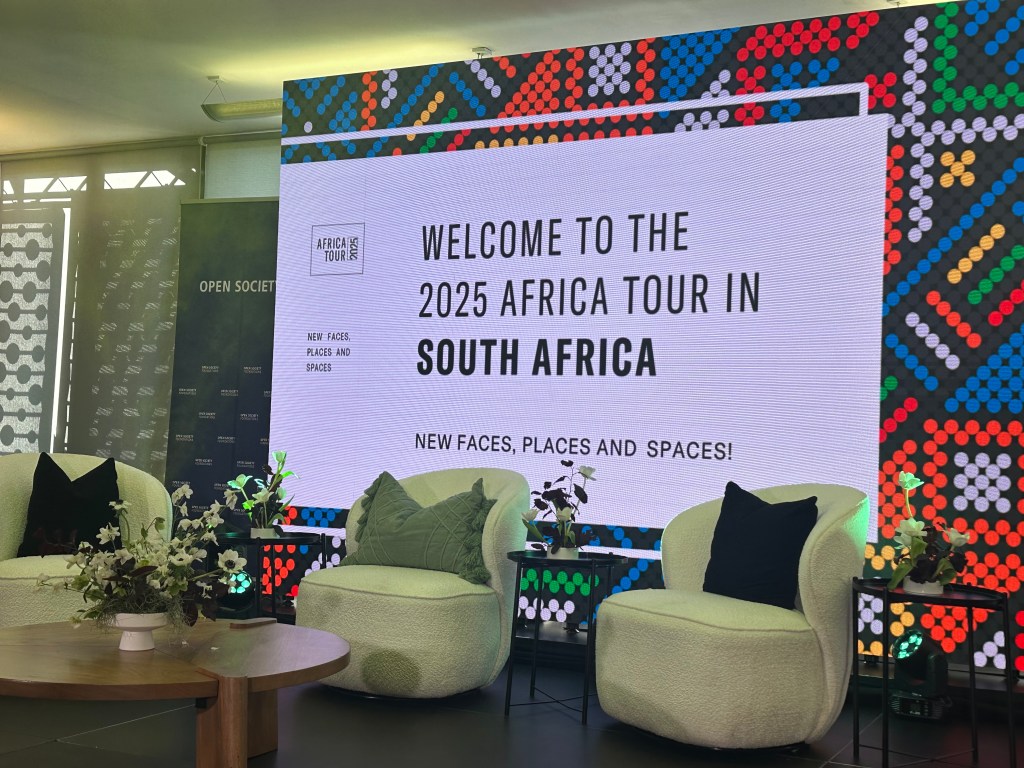
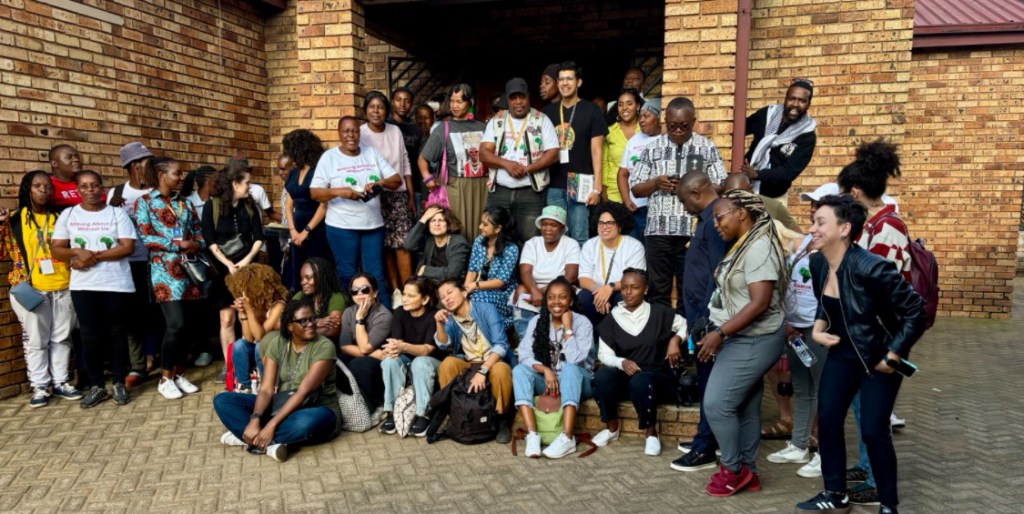
This slogan resonating deeply through South Africa’s history echoed throughout our Open Society Foundation Team Learning Tour in Johannesburg this week. Over a few days of rich interaction with community leaders, political analysts, activists, and ordinary citizens, one thing became clear: the struggle for genuine freedom and dignity in South Africa is far from over.
South African Democracy at 30: Gains and Pains
South Africa reaches three decades of democracy, marked by the end of apartheid and the rise of the African National Congress (ANC). Yet, this period is not celebrated unanimously.
As we engaged with local experts, social activists and ordinary citizens this pressing question emerged repeatedly: “Can we truly say we are free today?” Alarmingly, many South Africans we encountered felt democracy’s dividends remain elusive, summarizing their experiences by stating, “30 years of democracy have been painful, paid for in blood.”
While the advent of democracy signaled hope and equity, many comrades cited the erosion of trust in public institutions as democracy’s core crisis. Corruption, nepotism, and government inefficiency have fostered deep-rooted cynicism. One of the political experts we met, pointed out that liberation movements in Southern Africa are witnessing dramatic declines in public support precisely because they failed to deliver on their democratic promises. South Africa is no exception, with the ANC’s electoral dominance notably declining in recent years.
From Chains to Change: Our Inspiring Journey at South Africa’s Constitutional Court
Our visit to South Africa’s Constitutional Court as part of our Learning Tour was deeply moving; a reminder of how far this country has journeyed. More than just a court of law, the Constitutional Court is a living testament to South Africa’s courageous transformation from the shadows of apartheid to the light of democracy.
Built on the grounds of a former prison where countless men and women were unjustly imprisoned for their political beliefs or simply because of their race, the Constitutional Court stands today as a powerful symbol of redemption and resilience. Its walls, crafted from the very red bricks that once enclosed prisoners, represent a profound act of reclaiming pain, transforming it into purpose, and embracing the lessons of history to shape a brighter future.
Holding our meetings at Constitution Hill reinforced our belief in justice; not merely as a principle to uphold, but as a profound human experience to embody. This space remains a beacon of hope, dignity, and strength, reminding us that true justice must not only be delivered; it must be felt, deeply and unambiguously, by every citizen.
Coalition Politics and New Agendas
Amid declining single-party dominance, South Africa is increasingly governed by coalitions. Experts we engaged with noted that coalitions, while turbulent, also present unique opportunities for the voices of marginalized communities and social movements to influence policy agendas.
Yet, despite this opportunity, coalitions are still dominated by elites. “Even in coalitions, governments are still governments of elites”: said one of the invited experts. For social movements to effectively influence policies, they must become key stakeholders rather than merely beneficiaries of political gestures.
South African Economy: A Story of Unfulfilled Promises and Deepening Inequality
The economic realities we witnessed in South Africa underscore a troubling stagnation, sharply divided along racial and social lines. Today, over half of South Africans, more than 30 million people, live in poverty, struggling daily with food insecurity and inadequate housing. Youth unemployment escalated from 36.8% in 2014 to 45.5% in 2024, but this figure skyrockets to nearly 70% among black youth, who continue to bear the brunt of economic exclusion.
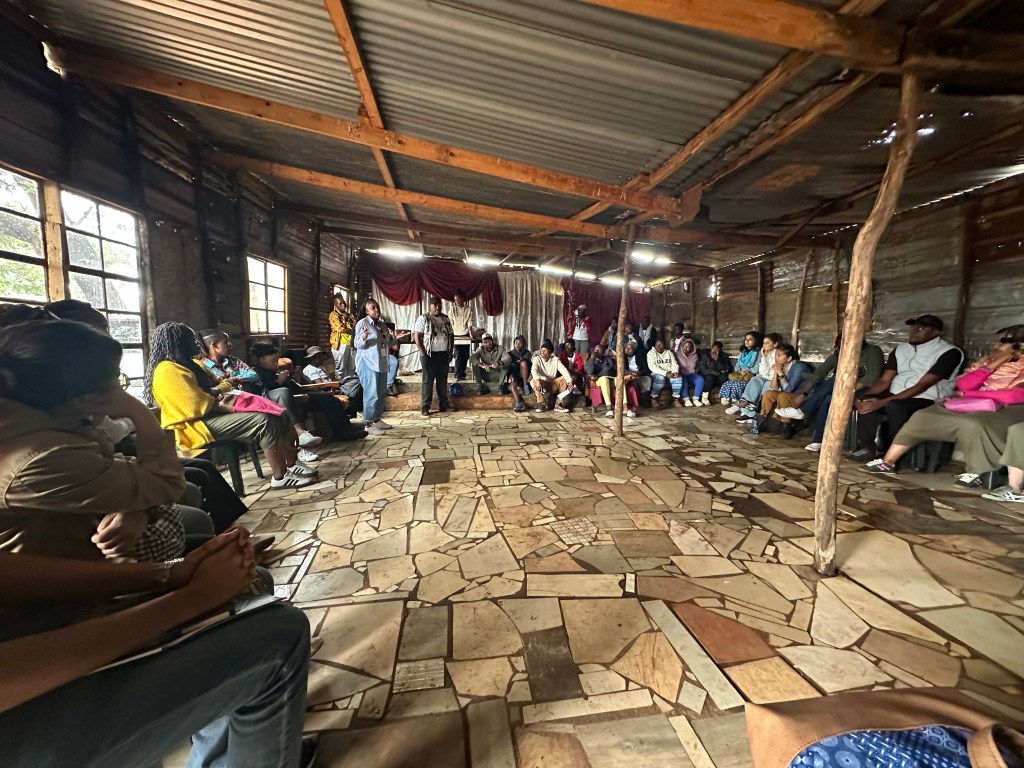
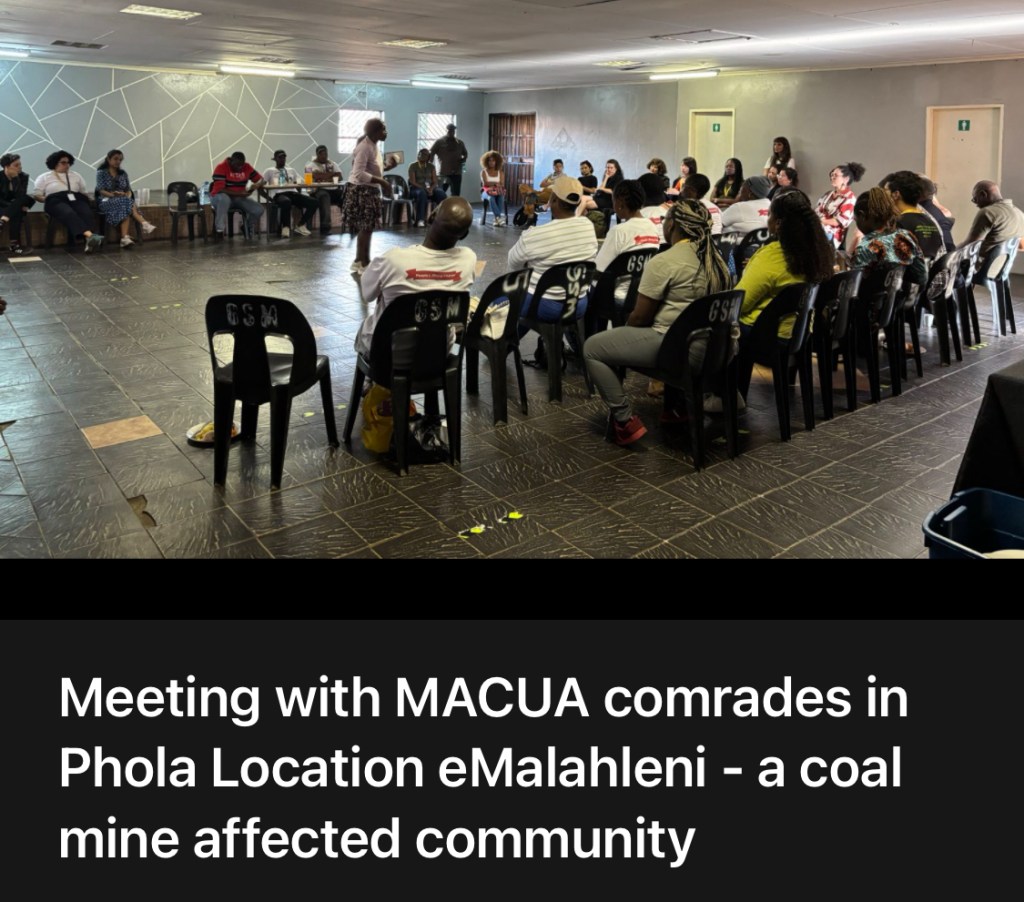
Townships like Phola in eMalahleni, Mpumalanga Province, are surrounded by mines exploitations and power plants, yet residents suffer regular power outages and water shortages. Local hospitals and clinics, often under-resourced and overcrowded, fail to adequately serve communities battling chronic illnesses caused by pollution and poor sanitation.
During our visit to coal-affected communities in Mpumalanga, residents expressed deep concerns regarding government’s proposed “just energy transition.” Community members expressed fears over employment instability. Coal mining currently sustains thousands of jobs in the region; however, transitioning to renewable sectors such as solar energy might drastically reduce available employment. Residents highlighted specific anxieties about job numbers, noting that while mines employ large workforces, proposed solar projects might offer only a handful of positions. This stark contrast underscores their apprehension about economic security and stability.
Additionally, communities raised significant issues around engagement and information-sharing. They felt largely excluded from discussions shaping their future, with critical details about the energy transition rarely reaching beyond small groups. The harsh realities were voiced clearly by a young leader in Phola who sharply criticized plans for a transition from coal to hydrogen energy. He described the proposed “just transition” as “a scam,” arguing passionately that such policies exclude local communities, who fear even higher levels of unemployment and deeper poverty.
Community skepticism was fueled not by resistance to scientific change but by a historical mistrust rooted in persistent structural injustices and exploitation. Residents emphasized that meaningful participation, genuine transparency, and clear communication from authorities are crucial for any transition to be truly “just” and inclusive.
Progress Amidst Inequality: Foundations of South Africa’s Post-Apartheid Development
Despite significant ongoing challenges, South Africa has made notable strides in economic and social development since the end of apartheid. The mining sector, historically pivotal, laid the foundations for the country’s modern economy, facilitating important regional economic linkages through remittances and industrial supply chains. Revenue generated from mining and related industries has enabled substantial public investments, notably in social protection programs such as social grants, which support millions of vulnerable South Africans. Additionally, progress has been made in expanding basic infrastructure, improving access to health services, education, water, and electricity for large segments of the population previously excluded from such essential services. Although these systems currently face considerable strain, their establishment represents meaningful advancements towards social equity and economic inclusivity.
Supporting Social Movements: The Power of People
Social movements represent the real heartbeat of South Africa’s democratic potential. Organizations such as MACUA (Mining Affected Communities United in Action), a nationwide radical network, highlight this power strongly. MACUA is driving grassroots resistance to exploitation by mining corporations, challenging corruption, and pushing for accountability in community consultations.
Our discussions with MACUA representatives stressed the importance of authentic partnerships with social movements. As articulated by activist leaders: “We want partners to walk side by side with us, not ahead of us.”
They further urge partner to:
Invest in building community capacity to advocate autonomously for their rights.
Facilitate platforms where marginalized community voices inform policy decisions, especially regarding environmental justice and economic transitions.
Their powerful stance reflects a broader desire for autonomy, dignity, and effective participation in decision-making processes.
Land, Justice, and Economic Reform: Reclaiming Dignity
One of our resource persons, brought our attention to the enduring challenge of land justice; calling landlessness an engineered crisis born of centuries of settler colonialism. The prolonged legacy sees up to 72% land ownership still concentrated within a small white minority, causing indignity for millions.
The absence of meaningful economic reform further entrenches inequality. South Africa, once heavily reliant on mining, has struggled to diversify and democratize its economic base. Advocates demand comprehensive policies geared toward economic redistribution and genuine transformation, insisting that “Land reform has become land management; what we need is land justice.”
The way Forward: Inclusive Prosperity
Our learning tour crystallized a critical realization: South Africa is at a crossroads. Coalition politics, economic diversification, just energy transitions, and geopolitical repositioning must be leveraged to genuinely include marginalized communities. Unity governance cannot be superficial; it must empower communities, enabling them to reclaim their agency and dignity.
The journey towards genuine democracy and sustainable development in South Africa continues. As we concluded our visit, reflecting on diverse narratives shared with us, it became clear that South Africa’s future rests not only in policy frameworks or electoral politics but fundamentally in the strength and resilience of its people and their persistent struggle for a truly inclusive, just, and prosperous society.
Amandla! Aweetu! Power indeed belongs to the people.
My 7-Point Forecasts and Analysis of the Continent’s Political, Social, and Economic Landscapes.
We have just entered 2025! As we move into the mid-2020s, several indicators suggest that Africa is on the verge of a transformative era, provided the continent is effectively managed and stakeholders make the right choices. However, the year 2025—and likely the years to follow—also presents a range of challenges and uncertainties.
As I always do at the beginning of each year, I would like to share some reflections on the major opportunities and challenges our continent, its people, and institutions may face in 2025 and beyond. I will also share key upcoming/influencing moments to prepare for.
Inequality, conflicts and insecurity, youth and unemployment, migration, debt, development financing, electoral democracy, civic space, free movement of people, China, the BRICS, the new Trump presidency, etc. will occupy the policy and political debates and the daily life of Africans. Africans will expect much from the African Union with its new leadership and its so-called improved structure for a faster implementation of the Agenda 2063. Still, the regional economic communities will have increased responsibilities as they continue their difficult discussion on their scope of intervention, subsidiarity, and complementarity with the continental body.
With its 54 countries (55 AU member states) rich in diversity, culture, and resources, the continent will be playing an increasingly pivotal role in the global landscape.
Politically, Africa will continue witnessing waves of movements and civic engagements, mostly by young people demanding reforms, accountability, better governance, and better life conditions. In many countries, leaders will continue struggling to navigate pressing domestic demands and international pressures.
Socially, with a population expected to reach 1.5 billion in 2025, the youth bulge presents both opportunities and challenges. Employment will be a critical area of focus as young people demand opportunities to fulfill their potential. Additionally, issues related to social justice and human rights will continue to resonate.
Economically, Africa will need to speed on capitalizing on its immense potential to drive growth and innovation. The continent is rich in the most needed natural resources today. The deployment of the African Continental Free Trade Area (AfCFTA) represents a significant step towards economic integration and collaboration. 2025 may bring more progress in implementing the AfCFTA as African nations understand the importance of diversifying their economies and reducing dependency on external markets.
In 2025, African countries will enhance green mineral processing fueled by the aspirations to maximize the benefits of the extractive industries and leverage robust renewable energy resources. Mineral-rich countries will seek new partnerships to advance their value-addition objectives. This trend needs to be supported.
Given the ongoing global geopolitical trends, African countries will likely enhance their positions and secure more representation in global platforms, with the South African presidency of the G20, the African Union’s full membership of the group, as well as the inclusion of Ethiopia and Egypt in the BRICS.
Tensions between France and Francophone African countries that started with Mali, Niger, and Burkina Faso will likely escalate as more francophone countries reassess their historical ties with the former colonial power. As global power dynamics evolve, many Francophone African countries are increasingly looking toward new partners beyond France, including China, Russia, and other emerging economies seeking alternative pathways for development, trade, and security, leading to a gradual disillusionment with France as the primary partner.
Pressed by various actors, South Africa’s G20 Presidency launched a Cost of Capital Commission to investigate factors hindering low- and middle-income countries from accessing affordable capital. South Africa’s presidency presents a unique opportunity to enhance the continent’s development priorities on the global stage. The debt crisis in developing countries has escalated to critical levels. In Africa, public debt soared by 240% between 2008 and 2022, resulting in many nations allocating more resources to debt interest payments than to healthcare. This scenario hampers their capacity to invest in sustainable development and climate resilience.
By examining the trends, challenges, and opportunities that lie ahead, my aim in sharing these analyses at the beginning of the years has always been to provide a roadmap for policymakers, CSOs, philanthropies, businesses, and other stakeholders to navigate the complexities of Africa’s evolving landscape.
1/ Economic Growth, Inequality, and Poverty
Despite some economic growth and impressive resilience, Africa’s structural transformation will likely still be inconsistent in 2025.
According to the African Development Bank, growth in Africa is expected to increase only to around 4.3 percent in 2025. But given that economic growth does not automatically and immediately impact poverty reduction, the continent’s most challenging task is to ensure that the products of growth are distributed fairly and that they are no longer used to widen the gap between rich and poor, knowing that this is an important source of conflict.
Africa now has good reasons to invest in modernized agriculture, encourage and sustain productivity, and, of course, increase cultivable lands. This will have the threefold advantage of meeting the food needs of our people, creating jobs, and diversifying the economy. It will also promote regional trade among African countries, taking all the advantages from the AfCFTA.
Funding challenges will remain as African governments continue to face financing shortages, high borrowing costs, and looming debt repayments. To adapt to these challenges, in addition to the urgent need to reform the Global Financial Architecture, African countries should deploy internal structural reforms to diversify funding sources and their economies. The fight against illicit financial flows (IFF) should be intensified, as progress here will catalyze more fiscal space for governments.
Trade/AGOA: As the African Growth and Opportunity Act (AGOA) approaches its expiration in September 2025, the uncertainty regarding its renewal presents significant challenges for investment in key sectors like textiles, agriculture, and the automotive industry. AGOA has played a crucial role in facilitating trade and economic development between the United States and eligible sub-Saharan African countries by providing duty-free access to U.S. markets for a range of goods. However, as negotiations around its renewal progress, it is essential for the continent to secure a better deal. So, should AGOA renewal be placed on the agenda, the African side should advocate for a comprehensive review and enhancement of the agreement to ensure its effectiveness in the current landscape, particularly in light of the establishment of the African Continental Free Trade Area (AfCFTA). Here are key elements to consider:
Alignment of Trade Policy, including harmonizing regulations and standards across the participating countries to facilitate smoother trade flows between U.S. and African markets
Regional Value Chains to promote the development of regional value chains in Africa, allowing countries to collaborate on producing goods that meet AGOA requirements while leveraging the strengths and resources of multiple countries within the AfCFTA framework.
Specific Support for SMEs and Startups: Both AGOA and AfCFTA seek to foster inclusive economic growth, and reforms could include dedicated support for small and medium-sized enterprises (SMEs). Creating programs that assist SMEs in meeting export standards and accessing financing would bolster their capabilities to participate in global trade.
Trade Facilitation Initiatives: Integrating trade facilitation measures from AfCFTA into AGOA can streamline customs procedures and reduce trade barriers. This could include the adoption of technology in customs operations and cross-border trade facilitation measures that are consistent with AfCFTA protocols. Revisions to AGOA could also encourage partnerships between U.S. firms and African businesses participating in AfCFTA. Such collaborations can drive investment, innovation, and technology transfer, ultimately benefiting both economies.
2/ African Union Theme of 2025: “Justice for Africans and People of African Descent Through Reparations”
Reparations, encompassing reparatory justice for historical crimes and mass atrocities committed against Africans and people of African descent, have consistently been integral to the full decolonization process advocated by the then Organization of African Unity (OAU) and now the African Union (AU) since its establishment in 1963. Over the past three decades, the African Union has made numerous decisions and supported initiatives aimed at championing justice and advocating for reparations to Africans. It has also focused on the restitution of cultural artifacts, relics, and heritage that were pillaged during colonization and enslavement, working toward returning these items to the African countries from which they were taken. The Assembly of the Union decided that the theme of the Year for 2025 will be ‘‘Justice for Africans and People of African Descent Through Reparations.’’. Leaders have also designated the reparations for transatlantic enslavement, colonialism, and apartheid as a Flagship Issue and Project of the Union.
To enhance advocacy for an African common position on reparations and forge a united front on reparations for Global Africa, President Nana Akufo-Addo of Ghana was appointed as the African Union Leader on Advancing the Cause of Justice and Payment of Reparations to Africans. This appointment may be transferred to the new president of Ghana, John Mahama.
The upcoming AU Summit in February 2025 will likely adopt a roadmap for implementing the theme on the continent and in the diaspora.
3/ Human Rights, Governance and Electoral Democracy: Unfinished Business
Liberties and freedoms, civic and democratic space, justice, and the protection of civilians are still in trouble on the continent, mostly because regional and continental institutions remain silent.
Africa must also find a way out of the vicious circle of election credibility and the needed political alternation in power. Without this, our continent will continue its progressive descent into hell, thus undermining any prospect of economic development.
Change at the helm of power is a crucial aspect of the democratic game, particularly in contexts where institutions remain weak, and the electoral system is susceptible to manipulation. We need to keep discussing the issue of limiting presidential terms, as this is often the only effective way to remove leaders who persistently cling to power in the context of flawed elections. Currently, only a handful of African countries exemplify this democratic principle, including Ghana, Senegal, Botswana, and South Africa.
4/The African Union: A New Start?
The current leadership of the African Union Commission will be largely renewed during the February 2025 Summit. The current Chairperson, Moussa Faki from Chad, the Deputy Chairperson, Dr. Monique Nsanzabaganwa from Rwanda, and most of the commissioners should hand over power to newly elected officials for a four-year term.
In addition, Angolan President João Lourenço is likely to be appointed Chairperson of the AU for 2025 to replace the Mauritanian Mohamed Ould Ghazouani.
Angolan diplomacy, historically engaged in resolving continental conflicts, particularly in the Central African Republic and the Great Lakes region, has a golden opportunity to impact the continent.
President João Lourenço has several advantages. First, his role as a mediator between the Democratic Republic of Congo and Rwanda, to help end the conflict between the two neighboring countries provides him with experience and credibility. Second, his ability to maintain good relations with global powers—such as the United States, China, Russia, and the European Union—as well as with regional leaders, including India, Brazil, and South Africa, is essential for ensuring that Africa is given a greater presence in international forums.
5/ Peace and Security:
Peace and security remain a serious prerequisite for the continent’s development and progress and the well-being of its people.
Africa has not made enough progress in this area in recent years. In many cases, such as in Sudan, our institutions have not acted seriously on early warning signs that were quite visible. What our regional institutions need are courage and the political will to cut with old methods. For example, the leadership of the African Union Commission must be able to speak out loudly whenever national leaders are violating our shared values and challenge them. That is why we need strong and audible leaders at the AU Commission.
The current state of conflict on the African continent is marked by complex and interlinked dynamics. Major conflict situations are interconnected with sub-national issues across the five geographical regions, resulting in conflicts that are either spreading into new areas, involving an increasing number of actors, witnessing a rise in fatalities, or deteriorating overall due to the escalation of their root causes.
Regional crises will continue impeding development efforts. Wars, armed conflicts, and extreme weather conditions have forced millions to flee their homes.
As reported by the Internal Displacement Monitoring Centre (IDMC), approximately 35 million Africans were living as refugees or displaced persons within their own countries at the end of 2024.
Additionally, the convergence of global megatrends such as climate change, energy transition, and migration intensifies the already intricate conflict landscape in Africa. Climate change poses a significant threat to the continent, manifesting in rising temperatures, altered weather patterns, and environmental degradation. These challenges jeopardize agricultural productivity and food security while exacerbating existing regional vulnerabilities.
The ongoing shift toward cleaner and more sustainable energy sources offers both potential benefits and challenges for Africa. While this transition can help reduce carbon emissions and combat climate change, it necessitates considerable investment and infrastructure development. The lack of reliable energy access further deepens inequalities and can lead to social unrest.
At present, each region of Africa faces a distinct combination of these challenges, greatly influencing the continent’s conflict-related security landscape in unique ways.
Major Conflicts & Risky Situations to Watch Closely in Africa
In 2025, Africa will still have to manage the following hot spots:
Sudan: Sudan continues to face internal conflicts and political instability. I hoped that Sudan’s civil war would come to an end in 2024. Unfortunately, international mediation efforts have not succeeded. With ongoing support from foreign backers, the Sudanese Armed Forces (SAF) and the Rapid Support Forces (RSF) have resumed intense fighting in Khartoum, Al Jazirah State, and around Al Fashir in Darfur. In December, the Sudanese government accused Chad of having authorized the firing of Emirati drones from its soil and towards Sudan. The army, which is fighting the rebels of the Rapid Support Forces (RSF) of Mohamed Hamdan Daglo, known as Hemetti, now believes that N’Djamena is, through an alliance with the United Arab Emirates, directly engaged against it in the civil war, and in particular in the Darfur region. Looking ahead to 2025, international mediation efforts will advance little unless the current stalemate is resolved.
Sahel Region: Over the last decade, the region has been shaken by extremist uprisings and military coups. Three Sahelian nations, Mali, Niger, and Burkina Faso, are now ruled by military leaders who have taken power by force on the pledge of providing more security to citizens. The Security crisis is complex, and the situation is worsening with record numbers of attacks and civilians killed both by Islamic fighters and government forces.
Ethiopia: Ethiopia has been grappling with various conflicts, notably the conflict in the Tigray region, where fighting between the Tigray People’s Liberation Front (TPLF) and government forces has led to a humanitarian crisis, including mass displacement and reports of human rights abuses. Ethnic tensions and unresolved grievances in other parts of the country also contribute to the ongoing conflict.
DRC: The Democratic Republic of Congo’s complex and long-standing conflict situation is a pending concern for the continent’s stability. Various armed conflicts, including clashes between rebel groups, inter-communal violence, and attacks by armed militias, have plagued the country. The conflicts are often fueled by competition over natural resources, such as minerals, leading to violence and instability in the region. The eastern part of the DRC, particularly in the provinces of Kivu, continues to be a hotspot for violence in the fight between the government and the Rwanda-backed rebel group M23. This is leading to widespread casualty and displacement of civilians, human rights abuses, and a humanitarian crisis.
Ethiopia and Egypt: Their relationship has been strained since 2011 when Ethiopia started building and filling the Great Ethiopian Renaissance Dam on the Blue Nile, a project that Egypt sees as a significant risk to its water and food security. The situation worsened further as Egypt strengthened its relationship with Ethiopia’s competitor, Somalia. In addition to sending troops, weaponry, and ammunition to Somalia, Egypt plans to conduct joint military exercises with the country. Egypt’s warming relationship with Somalia has raised concerns in Addis Ababa, as Ethiopia disagrees with Mogadishu over a maritime agreement that Ethiopia recently reached with Somaliland.
Silencing the Guns by 2030: Beyond the Slogan: Unfortunately, this campaign, with an initial deadline set for 2020 and then moved to 2030, remains a slogan without serious action to realize it by tackling the root causes of the conflicts.
Efforts to silence the guns must extend beyond rhetoric; it is essential to significantly enhance the capacity of African institutions to proactively prevent conflicts in a more comprehensive and timely manner rather than relying solely on reactive conflict resolution strategies.
Conflicts across the continent emerge from various structural vulnerabilities, including environmental challenges, competition for access to and the illegal extraction of natural resources, social unrest driven by poor and unaccountable governance, the proliferation of illicit small arms and light weapons, and the rise of religious radicalization.
6/Prioritizing Socioeconomic Development Over Military Solutions
Achieving sustainable peace in Africa necessitates addressing the root causes of conflicts, which are frequently tied to poverty, inequality, limited access to education, and social injustices. By prioritizing socio-economic development rather than military solutions, African countries can create a foundation for enduring peace and prosperity for their citizens. It is essential to invest in sectors capable of driving economic growth and generating opportunities for the youth. The continent can establish an environment conducive to long-term stability and prosperity by directing resources toward these areas and implementing supportive policies.
Agriculture, the backbone of many African economies, offers significant potential for stimulating economic growth and creating employment opportunities for young people. With its vast arable land and an expanding population, Africa can harness agriculture to enhance food security, increase job prospects, and foster sustainable development. By investing in modern farming techniques, expanding market access, and supporting smallholder farmers, the continent can unlock the full potential of its agricultural sector and empower youth in rural communities.
Adding Value to Africa’s Strategic Critical Mineral Resources
Many conflicts on the continent are driven by the exploitation of natural resources. Therefore, African nations must prioritize taking control of and adding value to these vital resources. The strategic minerals in Africa—such as gold, diamonds, cobalt, platinum, and rare earth elements—are crucial for modern industries, including technology, green energy, and infrastructure. However, the extraction and trade of these resources have frequently been plagued by corruption and exploitation, resulting in instability and human suffering in various regions. African countries must assert their sovereignty over their mineral resources to disrupt this cycle of conflict and foster sustainable peace. By establishing transparent and accountable governance systems, countries can prevent the illicit exploitation of their minerals and ensure equitable distribution of benefits among their citizens. This approach will not only address the root causes of conflicts but also promote economic development and social advancement.
Pan-African institutions must work together to enhance understanding of the challenges within the mining sector and align with the African Mining Vision (AMV) objectives. Accelerating research and data collection to identify the key obstacles hindering the implementation of the AMV is also important. The continent must invest in building the capacity of stakeholders in the mining sector to tackle these challenges effectively and encourage collaboration among industry participants, government agencies, and civil society to develop innovative solutions for sustainable mining growth.
National governments should be empowered to implement policies encouraging value addition to mineral and agricultural products.
7/Africa and the Rest of the World
Africa has everything to gain by continuing to diversify its economic partners. The spectacular positioning of China and other new partners in Africa has openly changed the balance of power with traditional partners and reoriented the African economy and development process. But the continent must keep its eyes wide open. Africa’s partnerships (old and new) must contribute to the realization of our agendas 2030 and 2063, and we must ensure that social, human rights and equity standards are absolutely respected in the pursuit of these partnerships. Non-state actors have a major watchdog role to play here.
I do not anticipate a significant emphasis on Africa policy from the incoming Trump administration. However, the United States cannot afford to overlook Africa, as the continent is at a critical juncture that presents numerous opportunities for both economic and diplomatic engagement. With a population approaching 1.5 billion and an economy that has shown resilience amid global challenges, Africa is emerging as a key player on the world stage.
Key Moments in 2025 (This section will be updated as new events are planned)
African Union Summit & election of new AU leadership: 12-16 February 2025
50th Anniversary of ECOWAS: The Economic Community of West African States will celebrate its fiftieth anniversary in May 2025, at a moment when three founding members—Mali, Burkina Faso, and Niger—announced their withdrawal from the organization in January 2023. They have declared their decision to be irrevocable, despite attempts at mediation, and have subsequently established a new entity known as the Alliance of Sahel States (AES). Their official withdrawal from ECOWAS is set to take effect on January 29, 2025, in accordance with the organization’s regulations. The 50th anniversary of ECOWAS offers an opportunity to rethink and improve the mandates and working methods of the subregional body.
The 4th International Conference on Financing for Development will be held in Seville, Spain, from 30 June to 3 July 2025. The conference will address new and emerging issues and the urgent need to fully implement the Sustainable Development Goals and support reform of the international financial architecture.
Elections: Unlike 2024, 2025 is expected to be more stable, with fewer major elections, mostly in Cameroon, Côte d’Ivoire, and Tanzania, along with the promised end of transition in Gabon and Guinea. Here is the election calendar for 2025 by EISA. Further analysis of Africa’s upcoming elections can be found here.
Artificial Intelligence Summit in Kigali: On April 3 and 4, 2025, Rwanda will host the first Global AI Summit in Africa in Kigali. This event is organized by the Centre for the Fourth Industrial Revolution in Rwanda and the World Economic Forum. With the belief that AI could contribute $2.9 trillion to the African economy by 2030, the summit aims to explore economic opportunities for the African workforce. It will bring together global leaders, government ministers, CEOs, civil society representatives, startups, investors, and international organizations to shape Africa’s role in the global AI economy.
COP, Women’s Rights: 2025 will also mark the 10th anniversary of the COP21 Paris Agreement on Climate Change and the Sustainable Development Goals and the 30th anniversary of the Beijing Declaration and Platform for Action on Women’s Rights.
Il y a une demande croissante et une urgence pour améliorer l’efficacité et la capacité des Nations Unies à maintenir la paix et la sécurité internationales. La configuration actuelle du Conseil de sécurité de l’ONU ne reflète pas les réalités géopolitiques d’aujourd’hui. Pour l’Afrique, en particulier, un continent de 1,4 milliard de personnes, avoir des sièges permanents à part entière au CSNU ne vise pas seulement à corriger une injustice historique, mais c’est aussi une question de légitimité et de crédibilité du Conseil.
Les États-Unis viennent d’annoncer leur soutien à la création de deux sièges permanents pour les États africains au Conseil de sécurité des Nations unies, mais ils ont exclu l’extension des Droits de Veto aux nouveaux membres permanents.
L’Afrique accepterait-elle cette offre ?
La position commune actuelle de l’Afrique, connue sous le nom de “Consensus d’Ezulwini“, appelle à deux sièges permanents avec toutes les prérogatives et privilèges de la qualité de membre permanent, y compris le droit de veto, et à cinq sièges non permanents.
Le Droit de Veto a historiquement entravé l’efficacité et l’équité du Conseil dans le traitement des questions de paix et de sécurité internationales. L’Afrique est donc, en principe, favorable à son abolition pour renforcer la fonctionnalité du Conseil. Cependant, si les États membres choisissent de maintenir le Veto, il devrait être étendu à tous les nouveaux membres permanents pour des raisons de justice et d’équité. La réforme du Conseil de sécurité devrait alors envisager soit l’absence du Veto pour tous, soit un Veto pour chaque membre permanent.
Il est donc peu probable que le continent accepte la proposition des États-Unis pour deux sièges permanents sans Droits de Veto. Dans le contexte actuel, une adhésion permanente des pays africains au Conseil sans Droit de Veto serait inutile et sans effet. Cela ressemblerait plutôt à un statut de “membres permanents de deuxième classe”. Certains analystes sur le continent le qualifient de statut ” d’observateurs permanents” au Conseil.
Quels pays peuvent représenter l’Afrique au Conseil de Sécurité ?
Malgré le fait que le Consensus d’Ezulwini stipule que l’Union africaine devrait être chargée de sélectionner les représentants de l’Afrique au Conseil, le continent n’a jusqu’à présent pas réussi à établir les critères de choix des deux candidats africains pour les sièges permanents parmi ses 55 États membres.
Les pays africains doivent s’engager dans un dialogue constructif et une collaboration pour établir des objectifs et critères communs pour le choix des représentants qui serviront au mieux les intérêts du continent.
Il serait important de prendre en compte des facteurs tels que la capacité, l’importance géopolitique, l’expérience diplomatique, la représentation régionale, l’engagement à respecter le droit international et les droits de l’homme, et la capacité à jouer efficacement dans ce système global complexe.
Devrait-on pousser les pays avec de vastes populations et/ou de grandes économies et capacités diplomatiques, comme le Nigeria, l’Égypte, l’Algerie, le Maroc, l’Éthiopie ou l’Afrique du Sud ? Devrait-on réserver un siège pour l’organe continental, l’Union africaine ? Sur ce dernier point, la difficulté sera que l’Union africaine est encore un organe purement intergouvernemental sans autorité supranational. Les États membres conservant leur souveraineté entière et leur pouvoir de décision, et l’UA agit uniquement comme un forum de coordination, de coopération et de consultation entre ses États membres. Le continent a un sérieux travail à faire à ce sujet.
Redevabilité
En délibérant sur sa représentation au CSNU, l’Union africaine doit également envisager de mettre en place un mécanisme de redevabilité pour ses représentants au Conseil de Sécurité . Nous savons comment les jeux de pouvoir, l’influence politique et la pression peuvent influencer les décisions et les votes aux Nations Unies. L’histoire récente nous rappelle qu’en 2011, les trois membres africains non permanents du Conseil de sécurité (Gabon, Nigeria, Afrique du Sud) ont soutenu la Résolution 1973 du CSNU, autorisant les actions militaires de l’OTAN en Libye, malgré les efforts continus de l’Union africaine pour trouver une solution pacifique à la crise. La résolution a été présentée par la France, le Royaume-Uni et le Liban.
Modifier la Charte des Nations Unies
Une modification de la Charte des Nations Unies serait nécessaire pour changer la composition du Conseil. L’article 108 de la Charte des Nations Unies dispose qu’une modification nécessite le soutien de tous les cinq membres permanents (P5) et la majorité des deux tiers des États membres de l’ONU à l’Assemblée générale. Ce ne sera certainement pas un processus facile.
Le prochain Sommet de l’Avenir, qui se tiendra en marge de l’Assemblée générale des Nations Unies, crée une opportunité supplémentaire pour corriger la gouvernance mondiale et de revitaliser le système multilatéral, y compris une réforme équitable du Conseil de sécurité de l’ONU qui prend en compte le besoin urgent de le rendre plus représentatif, inclusif, transparent, efficace, démocratique, crédible et responsable.
There is a growing demand and an urgency to increase the effectiveness of the United Nations’ abilities to maintain international peace and security. The current configuration of the UN Security Council does not reflect today’s geopolitical realities. For Africa, in particular, a continent of 1.4 billion people, having full permanent seats at the UNSC is not just about redressing a historical injustice. It is also a matter of legitimacy and credibility of the Council.
The current African common position, known as the “Ezulwini Consensus,” calls for two permanent seats with all the prerogatives and privileges of permanent membership, including the right of Veto, and five non-permanent seats.
The veto power has historically hindered the Council’s effectiveness and fairness in addressing global peace and security issues, so Africa is, in principle, in favor of its abolition to enhance the Council’s functionality. However, if member states opt to maintain the veto power, it should be extended to all new permanent members for the sake of fairness and justice. The UNSC reform should then consider either no Veto at all or a Veto for every permanent member.
So, it is unlikely that the continent will accept the United States proposal for two permanent seats without veto rights. Considering the current setting, a permanent membership of African countries at the UNSC without Veto Power is meaningless. It will look more like a “second-class” membership status. Some analysts in the continent see this status as a “Permanent Observer Membership” at the Council.
Which countries to represent Africa?
Despite the Ezulwini Consensus stipulating that the African Union should be responsible for selecting Africa’s representatives in the Security Council, the continent has so far been unable to establish the criteria for choosing the two African candidates for permanent seats among its 55 member states.
African countries must engage in constructive dialogue and collaboration to establish common goals and criteria for selecting representatives who will best serve the continent’s interests.
What factors should determine who represents the African continent? This process may involve considering factors such as capacity, geopolitical importance, diplomatic experience, regional representation, commitment to upholding international law and human rights, and the ability to play within this complex global system effectively.
Should the continent push countries with large populations and/or big economies and diplomatic capacity, such as Algeria, Nigeria, Egypt, Morocco, Ethiopia, or South Africa? Should a seat be reserved for the continental body, the African Union? On the latter, the difficulty will be that the African Union is still a purely intergovernmental body with no supranational authority. Member states maintain their sovereignty and decision-making power, and the AU only acts as a forum for coordination, cooperation, and consultation among its member states. The continent has serious homework to do on this.
Accountability
While deliberating on its representation, the African Union may also consider putting in place an accountability mechanism for its representatives at the UNSC. We know how proxy games, political influence, and pressure can impact decisions and votes at the United Nations. Recent history reminds us that in 2011, all three African non-permanent members of the Security Council (Gabon, Nigeria, South Africa) backed UNSC 1973, authorizing NATO’s military actions in Libya despite the African Union’s ongoing efforts to seek a peaceful solution to the crisis. The resolution was tabled by France, the UK, and Lebanon.
Going forwards…
An amendment to the UN Charter would be needed to change the composition of the Council. Article 108 of the UN Charter states that an amendment requires the support of all Permanent Five (P5) members and a two-thirds majority of UN member states in the General Assembly. This will surely not be an easy process.
The upcoming Summit of the Future, to be held on the margins of the UN General Assembly, creates an additional opportunity to correct global governance and reinvigorate the multilateral system, including a fair reform of the UN Security Council that recognizes the urgent need to make it more representative, inclusive, transparent, efficient, effective, democratic, credible, and accountable.
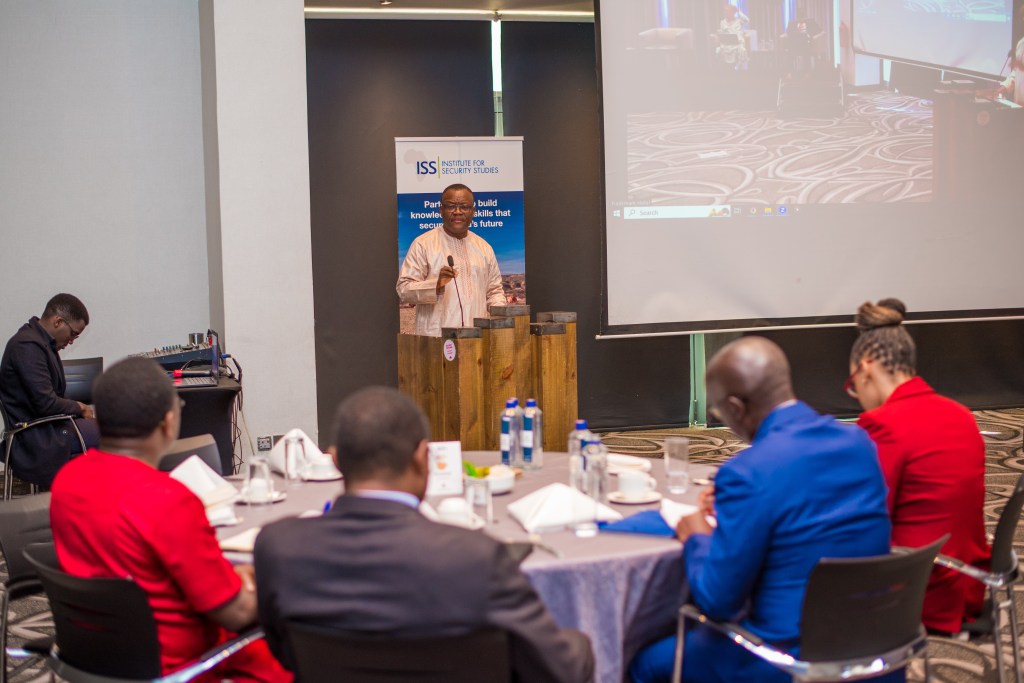
This is the summary of a presentation I made at the seminar on the African Union Reform co-hosted by the Institute for Security Studies and the Government of Kenya in the margins of the African Union Mid-Year Coordination meeting with the Regional Economic Communities in Nairobi, Kenya, on 13th July 2023.
The fundamental reason for the transformation of the Organization of Afrian Unity (OAU) to the African Union (AU) in the years 2000s is to ensure that the continental body becomes a people-centered institution as opposed to what was known as a club of Heads of State.
One of the seven aspirations of the AU’s Agenda 2063 (aspiration # 6, precisely) is “to build an Africa whose development is people-driven and relies on the potential of African people, especially its women and youth.”
The inclusive economic development that Africa aspires to achieve requires a vibrant civil society, making the necessary contribution to continental efforts through participatory engagements in decision-making.
Active citizens are a fundamental prerequisite for an effective African Union.
At the country level, we know that Citizens’ engagement with their leaders improves the delivery of inclusive, accessible, and responsive public services, such as the provision of healthcare, safe water, quality education, decent jobs, etc.
Because of its closeness to the day-to-day life of the communities, Civil Society has an identity that is distinct from States. In conflict situations, civil society has the vocation to contribute to peace-building initiatives.
Civil society has shown its capacity to organize the collection, analysis, and evaluation of first-hand information, allowing the identification of the sources of potential tensions as well as emerging conflicts.
The characteristics of security issues the African Union addresses today radically differ from those of the previous decades. Today’s conflicts appear to be more complex than ever, and their nature obliges us to change how they resolve them.
While “Traditional” conflicts were well understood by diplomats and specialists in political science, addressing new conflicts adequately requires much more on-the-ground knowledge, new social and cultural analysis skills, the active involvement of communities and their leaders, links to vulnerable groups, and new ways of working. Civil society organizations, most of the time, have unique capacities in those areas.
In the face of the many challenges Africa currently faces, boosting a people-driven development process has never been more urgent. It is the only means for sustainable development and change, which can only happen when African citizens are informed, empowered, and enabled to influence policies and practices and utilize improved mechanisms to hold leaders accountable.
The AU Agenda 2063 recognizes that people’s ownership, support, and mobilization are critical enablers to concretizing Africa’s aspirations.
So, for a prosperous and democratic society, state actors and a well-organized civil society should be seen as the two sides of the same coin because they complement each other.
Civil society is a reservoir of goodwill needed to accelerate national, regional, and continental development.
With all these realities in mind, the ongoing institutional reform of the AU, especially the review of the organs, should deliberately ensure that the new African Union and its organs give adequate space and resources for citizens’ participation at 3 levels:
Policymaking
Policy implementation
Accountability
We know that the African Union has created organs and mechanisms to encourage the contributions of citizens and their formations.
These include but are not limited to the following:
1/ ECOSOCC: The Economic Social and Cultural Council, an organ of the Union
2/ CIDO: The Citizens and Diaspora Organizations division of the AU Commission
3/ Provisions and frameworks organizing the contribution of citizens, their formations, and affected populations within the peace and security and governance frameworks of the Union.
Such provisions and frameworks include the Livingston Formula, the Maseru Conclusion, the African Governance Architecture, and the African Peace and Security Architecture.
4/ A mechanism for the participation of CSOs in the work of the Africa Commission for Human and Peoples’ Rights.
5/ A mechanism for the interaction of child-focus organizations with the African Committee of Experts on the Rights and Welfare of the Child (ACERWC),
6/ The Pan Africa Parliament also aims to provide a platform for people’s representatives from the various member states to contribute to the African Union’s work.
But, over the years, with all that I mentioned, Citizens’ space and participation have not been consistent. It remains informal, ad-hoc, and definitely not at the expected level recommended by the Constitutive Act of the AU.
Here are just a few examples,
1/ It has been difficult for CSOs in African Union Member States to know exactly what it takes to provide input to continental policy debate and get accreditation to do so.
2/ The yearly calendar of policy gatherings of the various organs of the AU is nowhere to be found unless you have a friend within the conference department or a member state representative, or embassy staff.
3/ Physical access to the premises of the AU Commission has been inconsistent and a challenge to CSOs, representatives, and even for those who have established Liaison offices to the Union or have signed an MoU with the Commission.
4/ …and overall observers’ access to AU Summit has been increasingly restricted
I am conscious of the fact that not all existing CSOs’ representatives can be invited to all meetings, but there should be a transparent procedure known by all…
You will agree with me in the conditions I have just described that it is impossible to tap into and take full advantage of the immense resource that CSOs offer for the Africa we want…
However, there are good reasons for us to believe that change and improvement of the current situation are possible and even on the way.
Today’s gathering for this policy debate, co-hosted by ISS and the Government of Kenya, is an example of the necessary interaction between states and non-state actors.
Early this week, hundreds of citizens of the continent and the diaspora gathered under the hospices of ECOSOCC, supported by the Government of Kenya, for policy discussions on various thematic as well as a Citizens’ Forum on Democracy and Digital Governance. I recommend that the Kenya delegation take the outcomes of these discussions to the AU policy space in Addis Ababa and champion them.
ECOSOCC’s New Approach
A critical positive trend that we are also witnessing is the new approach being taken by ECOSOCC with its new leadership over the last few years.
Such a progressive approach is visibly taking the organ back to its originally intended purpose, as a platform for African Civil Society Organizations, in all their variety to contribute to the shaping of the African we want, and no more as a gatekeeper or a filter for CSOs participation in the AU affairs, as it used to be the case since ECOSOCC has been launched.
This trend, already being appreciated by member states and the CSOs community within the continent, should be supported and institutionalized tobe consistent and sustainable.
We also know that a harmonized mechanism for granting consultative and observer status to CSOs in Africa is being prepared to be submitted to the African Union policy organs for adoption soon.
This excellent move will clarify what it takes for a CSO to have a formal relationship with the African Union for interactions, participation, exchange, and knowledge transfer.
With a harmonized Mechanism, the AU, through ECOSOCC, could have and maintain a comprehensive database of CSOs from across the continent and the Diaspora working on the various programs and thematic of the AU. This will facilitate invitations and consultations to contribute to programs or to provide technical advice on the thematic areas CSOs are specialized in.
For this particular process, I would like to submit that such a centralized, general mechanism be as liberal as possible and that thematic departments and organs of the AU be the ones to define specific considerations or a set of rules that may govern their regular interactions with CSOs operating in their specific fields.
I would also like to submit that such a harmonized mechanism recognizes and makes room for the necessary flexibility that characterizes the nature of civil society, especially regarding humanitarian intervention, peacebuilding, and human security.
I would like to conclude my overall contribution by saying that only a reformed African Union that makes meaningful space for citizens’ participation and an agreed accountability mechanism can take us to the 2063 promised land.
Je partage avec vous ici, mon exposé introductif du Dialogue intergénérationnel que nous avions organisé à l’occasion de la Journée de l’Afrique 2023, qui a marqué le 60eme anniversaire de la création de l’organisation de l’Unité Africaine (OUA) en 1963, transformée plus tard pour devenir l’Union Africaine (UA).
Dakar, Sénégal le 27 mai 2023.
Distingués invités,
Chers Champions de ONE,
Mesdames et Messieurs,
Au nom de ONE Campaign et ses partenaires co-organisateurs de cet évènement, je vous remercie d’avoir choisi de vous joindre à ce débat de la journée de l’Afrique 2023 qui marque le 60eme anniversaire de la création de l’Organisation de l’Unité Africaine (OUA), transformée en Union Africaine (UA).
ONE est un mouvement mondial, faisant campagne et du plaidoyer pour mettre fin à l’extrême pauvreté et aux maladies évitables, en particulier en Afrique.
Nous croyons que la lutte contre la pauvreté n’est pas une question de charité mais de justice et d’égalité.
Qu’il s’agisse de faire pression sur les dirigeants politiques dans les grandes capitales du monde ou, former les jeunes à la citoyenneté responsable, ou encore pour autonomiser les petits exploitants agricoles, ONE fait pression sur les gouvernements pour qu’ils en fassent davantage pour plus de justice sociale.
Les plus de 7 millions de membres, activistes et supporteurs de ONE sont essentiels à ce travail. Ils viennent de tous les horizons. Ce sont des artistes et des militants, des chefs religieux et des chefs d’entreprise, des étudiants, des scientifiques et des citoyens ordinaires.
Ils agissent jour après jour organisant, mobilisant, éduquant et plaidant pour que les populations aient la chance non seulement de survivre, mais aussi de prospérer.
Nos équipes sont à Washington D.C., New York, Ottawa, Londres, Johannesburg, Abuja, Bruxelles, Berlin, Paris, Addis Abeba, Nairobi et bien sûr Dakar.
Nous sommes apolitiques et non partisans.
Mesdames et Messieurs, La rencontre d’aujourd’hui se situe dans le cadre de la Journée de l’Afrique, qui a été célébrée le 25 mai. C’est en effet le 25 mai 1963, il y a donc 60 ans, que l’Organisation de l’Unité Africaine a été créée à Addis Abeba en Éthiopie.
L’OUA a été fondée par les 32 pays qui étaient alors indépendants. Plus tard, les 23 autres nations ont progressivement rejoint le club.
L’OUA était un engagement sans précédent avec pour aspiration la libération politique totale de l’Afrique du colonialisme, l’unité et la solidarité entre ses peuples.
Alors que les principaux objectifs de l’OUA étaient de débarrasser le continent des derniers vestiges de la colonisation et de l’apartheid ainsi que de promouvoir l’unité et la solidarité entre les États africains, la nouvelle Union africaine créée en 2002, vise “une Afrique intégrée, prospère et pacifique, conduite par ses citoyens et représentant une force dynamique sur la scène mondiale“.
La transformation de l’OUA en UA a créé l’espoir pour une plus grande unité et solidarité des pays africains et entre les peuples africains. La volonté de construire une institution centrée sur les citoyens est la principale caractéristique distinctive entre l’Union africaine et l’ancienne Organisation de l’unité africaine, qui était exclusivement axée sur les États.
La journée de l’Afrique devrait être un jour où nous racontons l’histoire de notre continent à nos jeunes générations, l’histoire de nos gloires passées mais aussi les fondements d’un avenir plus radieux.
La Journée de l’Afrique doit aussi être une journée de réengagement envers nos Valeurs Partagées et nos Agendas communs : l’Agenda 2063 de l’UA et l’Agenda 2030 des Nations Unies pour Développement Durable.
L’UA a adopté un ensemble de valeurs partagées centrées sur la démocratie et la bonne gouvernance, l’État de droit et les droits de l’homme, la paix et la sécurité, ainsi que le développement et l’intégration du continent.
La Journée de l’Afrique doit être une journée d’une solidarité africaine renouvelée. Elle doit nous rappeler qu’une partie importante de notre continent est encore, malheureusement dévastée par les conflits injustifiables.
Elle doit nous rappeler que 15 millions de jeunes Africains viennent chaque année sur le marché de l’emploi mais que seulement environ 3 millions d’emplois formels sont créés.
Cette journée doit donc renforcer notre détermination à lutter contre l’extrême pauvreté et toutes les formes d’inégalités et de discriminations en Afrique.
Depuis sa création, l’Union africaine a élevé la barre normative des ambitions de développement socio-économique et démocratique du continent. Mais l’adoption de normes, de traités, de cadres politiques ne suffit pas à elle seule, pour nous mener vers « l’Afrique que nous voulons ». Nous devons tenir nos promesses en mettant effectivement en œuvre ces instruments et en nous tenant régulièrement mutuellement responsables. Il est temps de combler le fossé entre les promesses et la réalité quotidienne de la plupart des citoyens.
On estime à environ 25000 les jeunes Africains qui sont morts ou portés disparus en Mer Méditerranée en tentant de fuir notre continent entre 2014 et 2023. Beaucoup d’autres sont morts dans le désert du Sahara avant même d’atteindre la mer. Pourquoi quittent-ils le continent ?
34 des 54 pays africains sont étiquetés comme « pays les moins avancés », alors que dans le même temps, environ 90 milliards de dollars sortent illégalement du continent par le biais de flux financiers illicites (FFI) selon le rapport Thabo Mbeki.
L’Afrique possèderait plus de 90 % des ressources mondiales en chrome, 85 % de sa platine, 70 % de sa tantalite, 68 % de son cobalt, 54 % de son or, ainsi que d’importantes réserves de pétrole et de gaz. Le continent abrite également des gisements d’uranium, de manganèse, de diamant, de phosphate et de bauxite en très grandes quantités. Il a du bois et d’autres ressources forestières ajoutées à ses vastes terres arables pour l’agriculture.
Aujourd’hui, notre débat tournera autour de la Zone de Libre Échange Continentale Africaine (ZLECAf), et les opportunités qu’elle présente pour la jeunesse en matière d’employabilité.
La ZLECAf, née officiellement en janvier 2021 vise :
L’élimination progressive des tarifs douaniers et des barrières non tarifaires ;
L’amélioration de la coopération dans le domaine des obstacles techniques au commerce et des mesures sanitaires et phytosanitaires ;
Le développement des chaines de valeurs aux niveaux régional et continental
Le renforcement des traits du développement et l’industrialisation de l’Afrique.
54 des 55 États membres de l’Union Africaine ont signé l’accord de la ZLECAf.
La Zone de libre-échange continentale africaine (ZLECAf) pourrait permettre aux pays africains de faire sortir de l’extrême pauvreté 30 millions d’habitants.
L’Afrique pourra enregistrer 450 milliards de dollars de revenu d’ici à 2035, soit une augmentation de 7%.
La mise en œuvre de la ZLECAF permettrait de mener à bien les réformes de fond nécessaires pour stimuler la croissance à long terme dans les pays africains.
Est-ce trop beau pour être vrai ?
Mesdames et messieurs, distingués invités, chers panelistes,
Ce projet est-il trop beau pour être vrai comme se le demandent déjà certains de nos compatriotes Africains ?
Ont-ils des raisons d’y croire ou d’en douter?
Que doivent faire les dirigeants africains pour relever ce défi ?
Avons-nous déjà ce que nous allons échanger au moment où la plupart de nos échanges tournent autour des matières premières et s’effectuent avec le monde extérieur?
Que faire des barrières non tarifaires auxquelles nous faisons face présentement en Afrique ? Les mesures non tarifaires coûteuses, les lacunes en matière d’infrastructures, d’informations sur le marché etc?
Et si les droits de douanes tombent complètement, qu’adviendra-t-il aux petits pays face à ceux qui ont déjà une industrialisation relativement avancée ?
It is universally accepted that human rights are indivisible and interdependent. It is not enough that rights are recognized in national law or policy rhetoric: there should be mechanisms for their full exercise by citizens with no discrimination. But how shall we deal with access to rights in fragile states?
A fragile state has a government is not able to deliver core functions to the majority of its populations. This is true for a wide range of situations, but usually involves a combination of weak administrative capacity and territorial reach, lack of state control over the use of violence, and the lack of accountability to populations, particularly poor and marginalized people. A state is fragile when it is unable to provide for the security and development of a majority of its citizens. A decade ago, most countries in fragile situations were low-income; today, a good number of them are middle-income countries.
The majority of citizens in highly fragile states are known to be poor, experience repeated violence, and suffer economic exclusion and inequality. Is fragility ever an excuse for a lack of respect for human rights, then?
Despite all principles supporting human rights, the reality is that in conflict and post-conflict situations, or other contexts of fragility, there is a breach of individual rights and personal security. In most cases, this includes the violation of a number of other rights due to weak state institutions and state’s inability (but also lack of political will) to meet the basic needs of the population.
Which rights must be met and which should be met, and when and by whom?
The very first step should be the observance of the core principles of human rights: equality, non-discrimination, participation, empowerment, and accountability. Inclusivity and non-discrimination, as well as transparency, are particularly helpful in reducing the tensions and frustration of rights holders, even when state institutions are not able to provide all the rights they are due. This is particularly true when various constituencies including civil society are given the chance to participate in the realization of rights and to promote the inclusive design and organization of democratic institutions such as electoral processes, so as to ensure and facilitate the involvement and participation of socially and economically marginalized and vulnerable groups. Such reform should include measures to support the ability of such groups to exercise their freedoms of association, assembly, and expression.
Prioritization and sequencing?
The International Bill of Human Rights – including the Universal Declaration of Human Rights, the International Covenant on Economic, Social and Cultural Rights, and the International Covenant on Civil and Political Rights – indicates a series of rights. But there is no guidance as to which comes first, especially today, when we are strongly convinced of the interdependency of those rights.
Some rights cannot be derogated
Some rights cannot be derogated: Article 4 (2) of the International Covenant on Civil and Political Rights sets out those groups of rights which can never be restricted or derogated. These include the rights to be free from arbitrary deprivation of life; torture and other ill-treatment; slavery, retroactive penalty, and the violation of freedom of thought, conscience, and religion. Article 4 provides for the derogation of other rights during periods of national emergency, under strictly limited circumstances.
In certain situations of the state’s incapacity or even total failure, it may not be possible to restore all services and meet all needs immediately. We are then forced to prioritize and determine which rights must be met first and which are to be realized over a certain timeframe. This is the concept of the progressive realization of rights.
The Covenant on Economic, Social and Cultural Rights allows for the progressive realisation of those rights over time, subject to some limitations (mentioned above). Some economic rights must be met at all times, however, including basic requirements for food and shelter.
Whose responsibility?
Unless we get to a situation of the total inexistence of a government, the state has the responsibility to respect the fundamental rights of citizens regardless of the situation. Fundamental rights are not favors given by the state or the government; they are duty, and those in power must account for this duty.
Fragile states may not have the institutional means to meet all of their rights obligations in a particular period, but it has become common to see other actors taking over some of the duties of the state in terms of meeting basic rights. This seems to be the only way to deal with the situation, and there is still room for improvement.
Different UN bodies have the duty to ensure the protection of rights, depending on the situation. These include the Security Council, with or without the consent of national authorities, the General Assembly, ECOSOC, etc. This protection is normally provided through various forms of intervention within the framework of “peace missions”: Human Rights Rapporteurs, ad hoc Commissions of Inquiry, etc. The UN can also send a mission to assume administrative authority in the state (Côte d’Ivoire, Kosovo, East Timor). But political and ideological interests should have a diminishing influence on any of the solutions, and only a better configuration of the UN Security Council can allow this to happen.
Responsibility of other actors?
Civil Society/NGOs: Because of their flexibility and ability to rapidly respond to crises (less bureaucratic, less driven by politics and interests, ability to mobilize resources) coupled with their experience as well as professional staff, NGOs are playing a growing role in the realization of rights in all situations, especially in fragile contexts. They must be encouraged and empowered to continue playing that role in the post-2015 era. The current shrinking of their space, especially in Africa, must be strongly combatted by all means national, regional and international.
The watchdog role of CSOs in monitoring public and private actors should be of great interest, as it can catalyze accountability for the respect or implementation of human rights, particularly in the context of fragility. It must be strongly supported by all stakeholders.
What about business? The UN Guiding Principles require business, as specialized organs of society performing specialized functions, to comply with all applicable laws, including international laws, and to respect human rights. This applies regardless of a state’s ability and/or willingness to fulfill its own human rights obligations. But when businesses have become part of the problem, then something must be done to change their accountability as we enter the post-2015 zone. Multinationals occur in an number of fragile contexts, and have been seen taking advantage of these areas in a variety of ways, mostly in conflict zones, as catalyzers or perpetuators of the fragility of the state. Their actions have included deal making with arms groups and governments in the Democratic Republic of Congo, Central African Republic, South Sudan, and others.
Every year, fifty billion US dollars disappear from Africa through illicit financial flows. At least 70% of these outflows are from extractive industries, some of them in fragile states where national budgets do not meet basic economic rights. Countries like the United States have taken interesting steps to tackle this issue, but we need global coordinated action.
About the Author
Desire Assogbavi is a Lawyer from Togo and currently the Resident Representative of Oxfam International to the African Union in Addis Ababa, Ethiopia. He was formally a Commissioner at the National Human Rights Commission and the National Inter-Ministerial Commission on International Humanitarian Law of Togo
The views expressed in the article are entirely those of the author and are not necessarily the views of his organization.
The situation in Burundi is becoming more and more serious. Police is firing live ammunitions at protesters; armed militias are terrorizing citizens. 24,000 people have already fled the country, including mayors of some areas … At least 12 people have died dozens were seriously injured and over 600 arrested and detained in inhumane conditions…
Yesterday, the Vice President of the Constitutional Court of Burundi Sylvère Nimpagaritse denounced pressures and death threats on his person during the assessment of the constitutionality of 3rd term of the incumbent president. He then fled the country. During deliberations of the Court, while 4 out of 7 members thought the 3rd mandate is unconstitutional, the court deferred its decision. Thus, the death threats started by the government … It is now clear that this court is no more credible and none shall consider its decisions.
The African Union Must Catch up
In its communiqué of 28 April 2015, The Peace and Security Council (PSC) of the African Union has merely ” took note that the Burundian Senate has seized the Constitutional Court on the interpretation of the Constitution regarding the eligibility of President Pierre Nkurunziza’s candidature for re-election and urged all Burundian stakeholders to respect the decision of the Constitution”. The Chairperson of the AU Commission took the same position on her Twitter account a few days before… I had already found this position as weak and ineffective in view of the gravity of the situation on the ground, being aware of the strong influence of the political authorities on the State institutions. Limiting the solution of the Burundian problem to the decision of the current Constitutional Court is simply paving the way for a constitutional coup by the current authorities. Everyone knows about this practice in many countries in our continent.
Given the gravity of the situation in Burundi, it is no longer enough to just ask the “stakeholders to respect the constitution and the Arusha Agreements.” The African Union must be clear and state that a 3rd term is purely against the constitution and the spirit of the Arusha Agreement.
I believe that the African Union has a certain influence on Burundi. In the past, the AU has led with success a peacekeeping operation in Burundi. The AU has invested its troops and resources in Burundi. Today, the African Union must avoid hesitation and be categorical. We can no more allow a new civil war in Burundi. Our continent has no mean to handle it. We already have too many problems to solve; too many challenges to face. The last civil war in Burundi killed 250,000 people.
Now that the Constitutional Court has no more credibility, the African Union and the PSC must seek advice of their legal bodies on the constitutionality of the 3rd term in Burundi in order to fix this issue once and for good. It is a historic responsibility. Yesterday our continental body missed similar opportunity in Burkina Faso until citizens ousted their dictator. Today a new opportunity shows up for the African Union to join the rest of the world and isolate President Nkurunziza.
The risk of a military coup in Burundi is very high right now. We should not get there. Africa must stop projecting the image of a continent with brutal methods. Political isolation of President Nkurunziza by the African Union will certainly force him to pull back…
The Peace and Security Council must meet urgently to denounce the interference of the Burundian authorities in the functioning of the Constitutional Court, dissociate itself from any decision of a court being ordered by the political power and declare the 3rd term unconstitutional and against the Arusha Agreements.
Note: My opinions are absolutely personal and do not commit my organization






 Assodesire