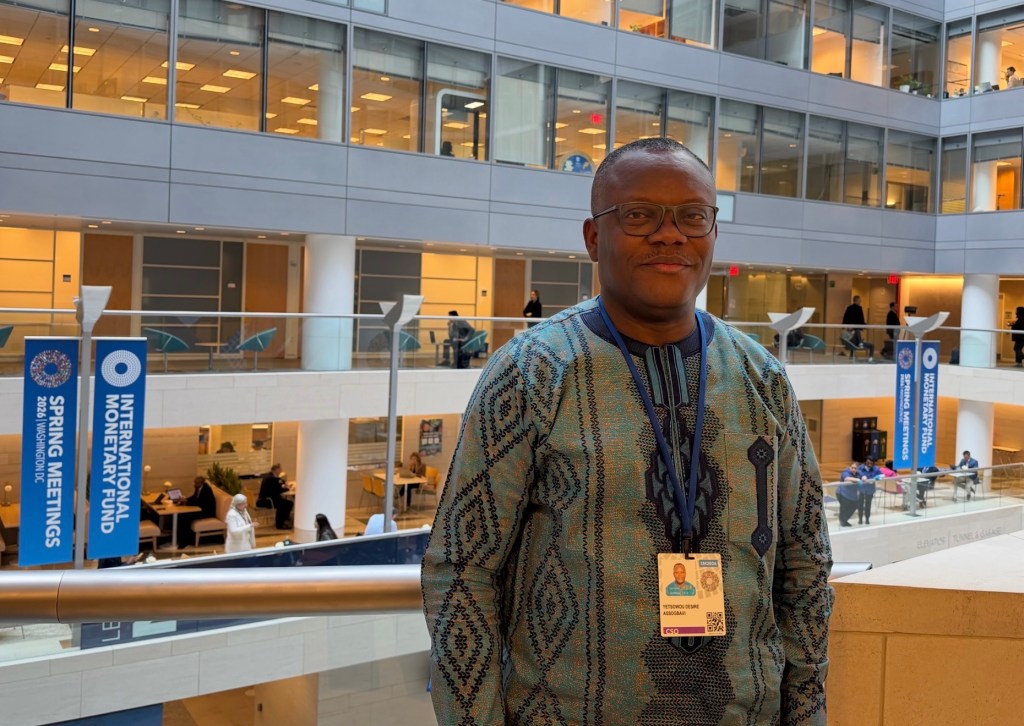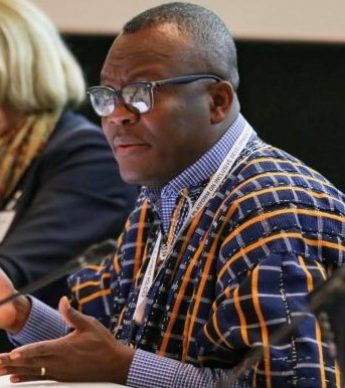
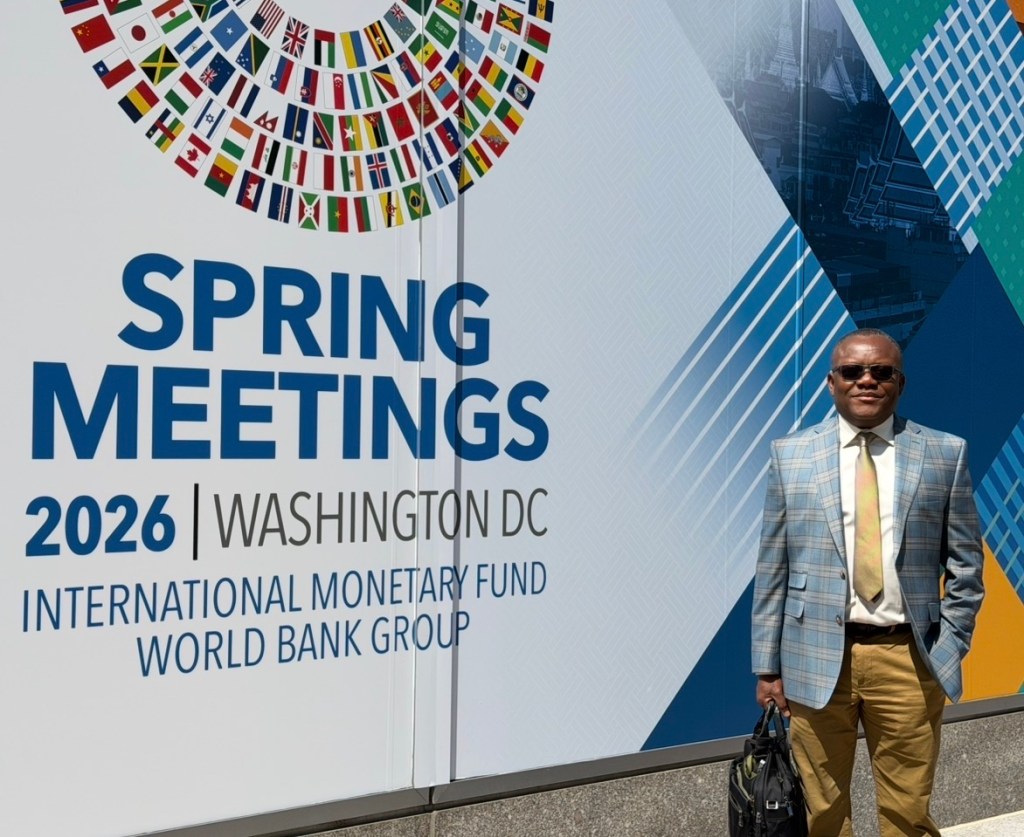
I am in Washington, D.C. this week alongside my OSF colleagues and partners to participate in the Spring Meetings of the International Monetary Fund and the World Bank Group.
Twice a year, this gathering brings together finance ministers, central bank governors, development institutions, and civil society. It is often described as technical, but these meetings are among the few global spaces where the rules of the international financial system are debated, and, in many ways, shaped.
What happens here determines how countries borrow, how they respond to crises, and whether governments can invest in their people. It influences whether schools are built, hospitals are funded, and jobs are created. In short: what is negotiated in Washington travels directly into everyday life across the Global South.
A World of Shocks and a System Under Stress
This year’s Spring Meetings are taking place under a unifying concern: how to manage volatility and strengthen resilience in a world of compounding shocks.
In her curtain raiser, IMF Managing Director Kristalina Georgieva described a global economy hit by a “large, global, and asymmetric supply shock”, a reminder that instability is no longer episodic, but structural.
The scale of disruption is significant:
- Global oil supply was reduced by around 13%, with natural gaz flows down by 20%
- Energy prices surged, with oil jumping from $72 to $120 per barrel at its peak
- Up to 45 million more people risk falling into food insecurity, bringing the global total above 360 million
These shocks are transmitted through higher inflation, tighter financial conditions, and disrupted supply chains, affecting countries unevenly, depending on their exposure and policy space. The message from the IMF is clear: growth will slow, uncertainty will persist, and policy space will tighten.
Africa at the Intersection of Vulnerability and Opportunity
For Africa, these global dynamics are not abstract, they are immediate and constraining.
- Public debt across the continent stands at roughly $1.1 trillion
- More than 20 countries are in or near debt distress
- Debt servicing absorbs around 15% of government revenues
- Borrowing costs remain close to 10%, far higher than in advanced economies
At the same time:
- Over 80% of countries globally are net oil importers, placing many African economies among the most exposed to energy shocks
- Climate finance remains deeply insufficient, with Africa receiving only about 3% of global flows, much of it as debt
Yet Africa is not only vulnerable, it is central to the future of the global economy.
The continent holds critical minerals essential to the energy transition, represents a rapidly growing share of the global population, and is emerging as a key frontier for industrialization and innovation. This dual reality, high vulnerability and high strategic relevance, defines Africa’s position today.
Why These Meetings Matter More Than Ever
Institutions like the IMF and the World Bank Group shape global economic outcomes. They influence:
- How debt crises are resolved, …or prolonged
- The terms and conditions of financing
- The fiscal space available to governments
- The global response to development and climate challenges
At a time when the IMF itself projects a downgrade in global growth even under optimistic scenarios, these decisions carry even greater weight.
Africa Must Show Up Differently
In this context, showing up is not enough. Africa must show up strategically. This means engaging not only in formal sessions, but also in shaping the conversations that define outcomes.
Throughout the week, we are contributing to discussions on:
- The future of multilateralism and industrial policy in a shifting geopolitical landscape
- Managing volatility and rethinking capital flows in a fragmented global economy
- Strengthening the voice of borrower countries in global financial governance
These are critical spaces where ideas evolve and coalitions form.
Critical Minerals: From Resource Wealth to Strategic Power
One of the most important conversations this week, and one I am directly engaged in is around critical mineral diplomacy.
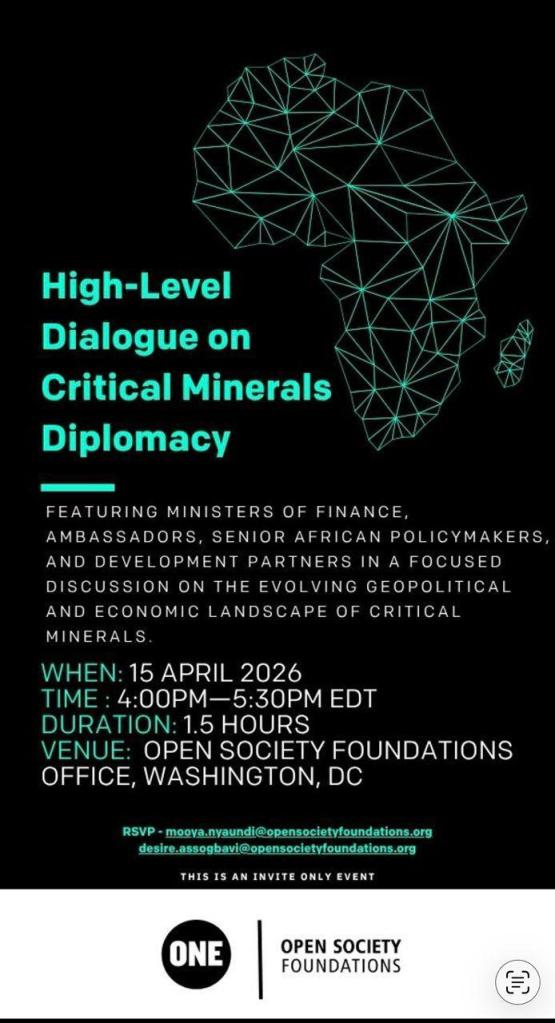
Africa holds a significant share of the minerals that power the global energy transition, cobalt, lithium, manganese, and more. Yet historically, the continent has captured only a fraction of the value generated from its resources. To address this, we are convening a closed-door Policy Dialogue on Critical Mineral Diplomacy with African delegations on the margins of the Spring Meetings. This is not just another side event.
It is a strategic space to:
- Align African positions ahead of global negotiations
- Share insights on evolving partners’ industrial and supply chain strategies
- Strengthening negotiating capacity to secure better deals
- Advance a collective vision for value addition, industrialization, and sovereignty over resources
In a multipolar world, minerals are no longer just commodities, they are instruments of geopolitical leverage. The question is whether Africa will use them as such.
What Must Change
There will be no shortage of declarations this week. But the IMF’s message is unequivocal: the world has a fiscal space problem, and policy choices are becoming more constrained. In this context, incremental change will not suffice.
Three shifts are essential:
- From slow and fragmented debt restructuring to predictable and fair solutions
- From expensive capital to affordable, development-oriented financing
- From fragmented national positions to coordinated African agency
A Moment for Agency
The global economy is being reshaped in real time. Energy systems are shifting. Financial conditions are tightening. Geopolitics is redefining trade and investment. Moments like this determine who sets the rules, and who lives with them.
Africa has resources, the demographic weight and the strategic relevance. What remains is coordinated action.