Shifting Power, Rights Under Siege, Multilateralism on Trial: What Is at Stake at UNGA81

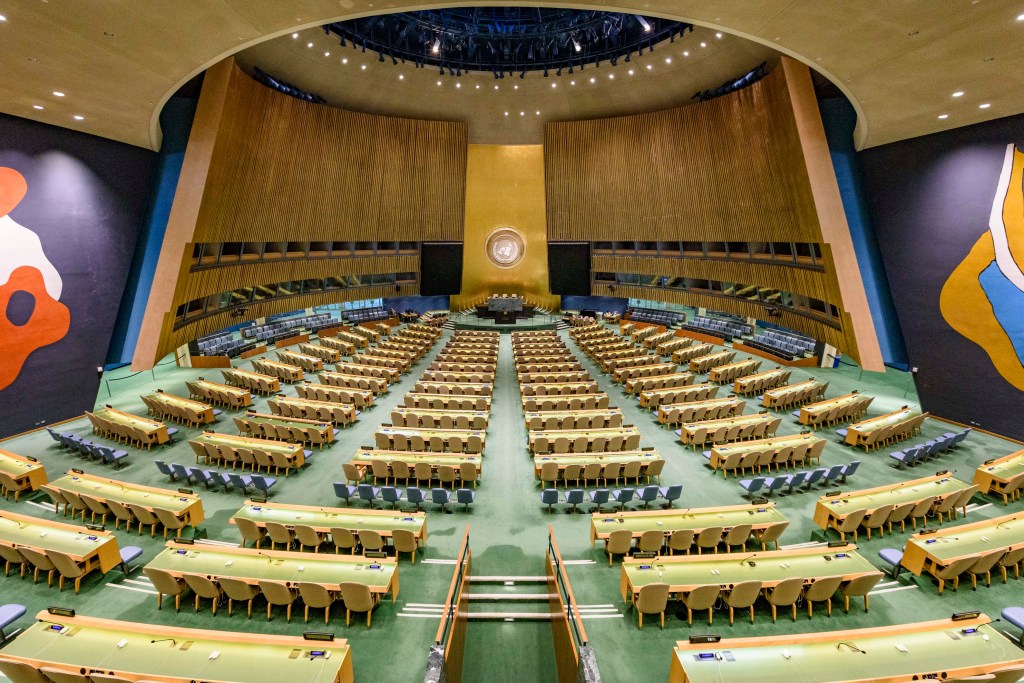
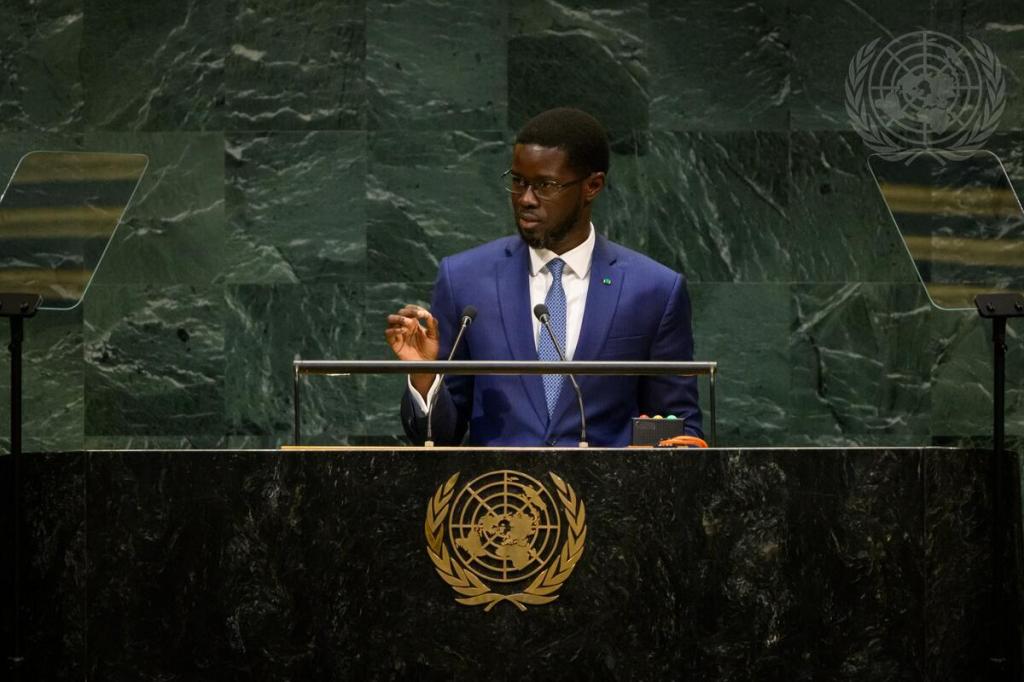
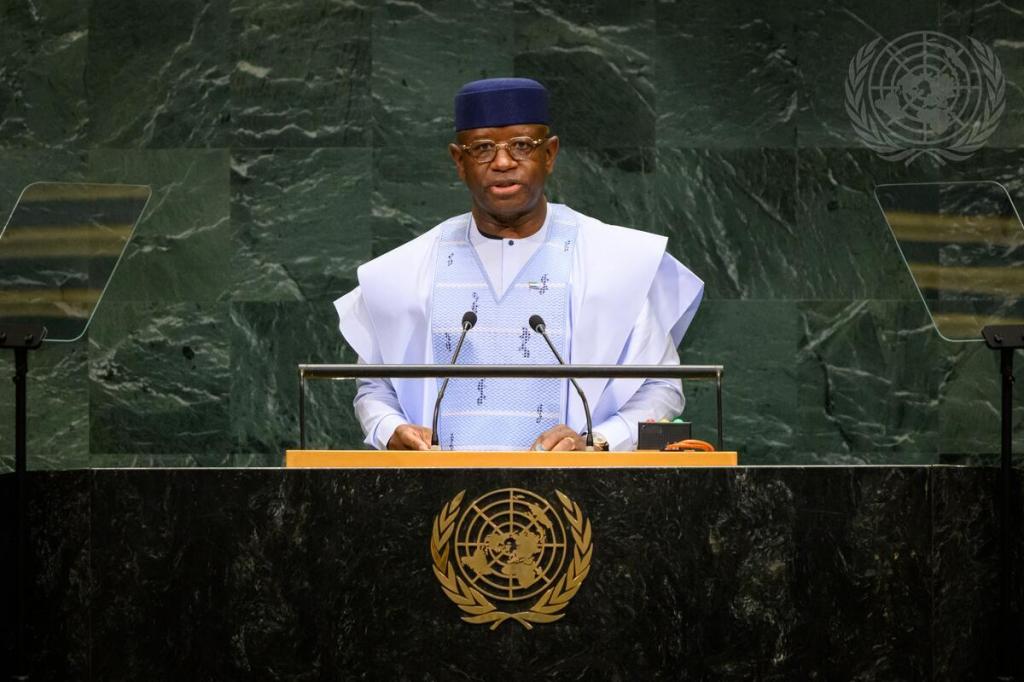
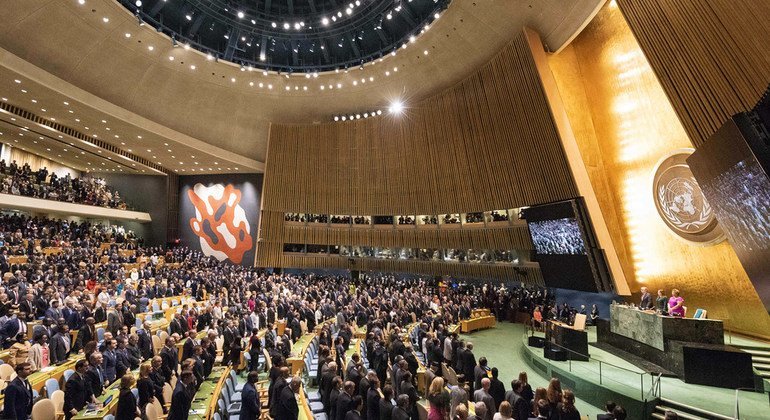
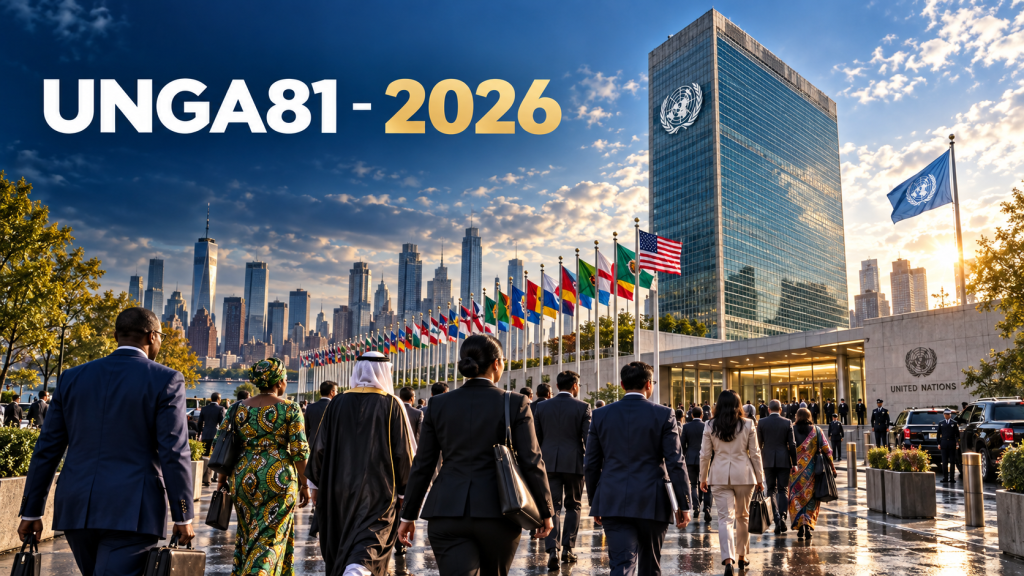
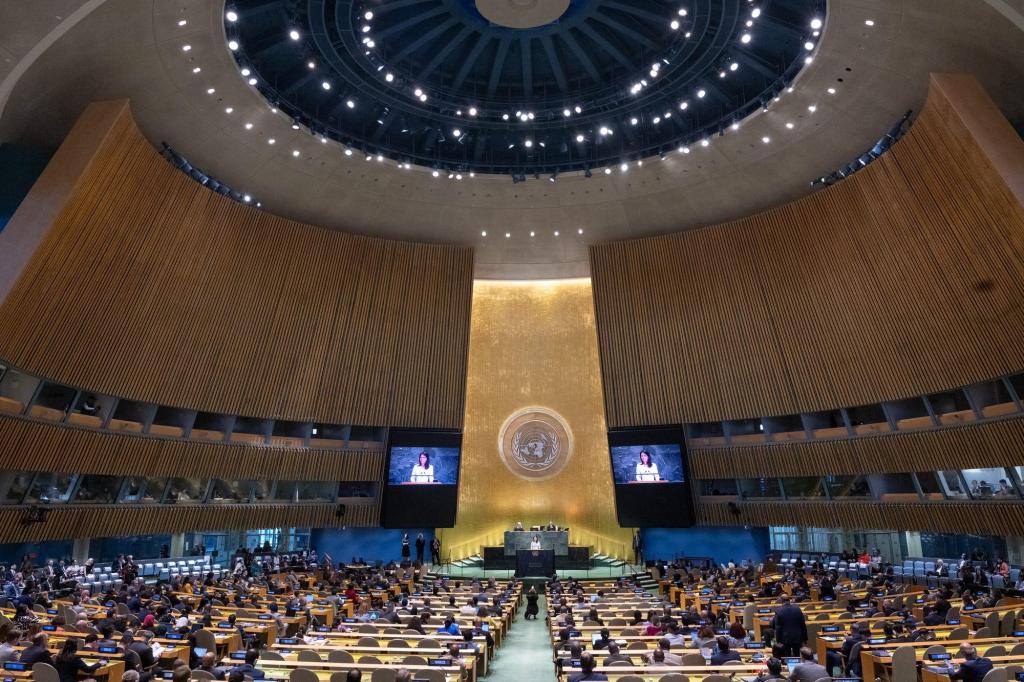
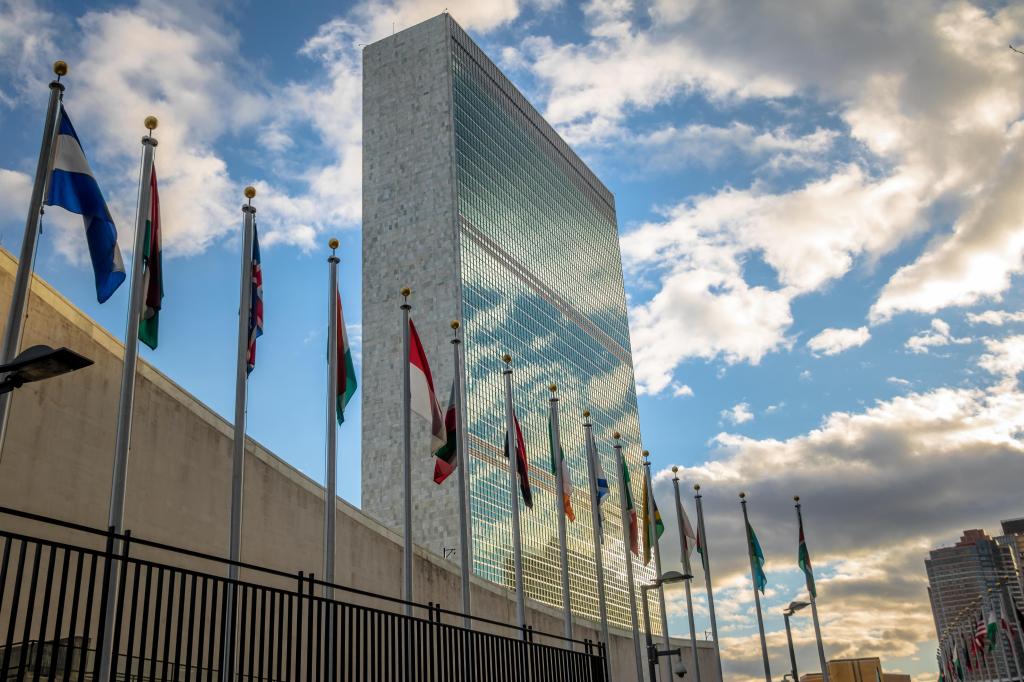
World leaders arrive in New York next week for the high-level debate of the 81st General Assembly, under the theme “Restoring trust, managing transformation: a United Nations that delivers for all”. It is an honest choice of words. Trust is exactly what is missing, and the transformation is happening whether the UN manages it or not. Power is moving to states that sit outside the Security Council, the machinery that protects human rights is being defunded and openly attacked, and the organisation itself is running on less money than at any point in recent memory.

The session opened on 8 September under the presidency of Khalilur Rahman, Bangladesh’s foreign minister, whose priorities include peace and security, human rights, the governance of new technologies such as AI, and UN reform. When the general debate opens on 22 September, three questions will sit behind almost every speech. Do the rules of the UN Charter still bind the powerful? Who is going to pay for the institutions meant to uphold them? And what becomes of human rights while both answers remain unclear?

Rules that no longer bind

This year 2026 opened with a shock. On 3 January, US forces struck targets around Caracas and took Venezuela’s sitting president, Nicolás Maduro, out of the country to face trial in New York. Chatham House described the operation as a clear breach of Venezuelan sovereignty and of the Charter, and the Secretary-General said the rules of international law had not been respected. At the end of February, after talks mediated by Oman broke down, the United States and Israel launched strikes on Iran. A Pakistan-brokered pause in April and a US-Iran memorandum in June did not hold.

In both cases the Security Council, where Washington holds a veto, has been largely a spectator. The governments that have kept a line open between Washington and Tehran are Pakistan, Qatar and Oman, none of which holds a permanent seat. That tells us a lot about where diplomatic weight is moving.

The numbers confirm the trend. According to the Uppsala Conflict Data Program, 2025 saw 65 armed conflicts involving states, the highest count since 1946, including eight between states. Around 244,600 people died in organised violence, and attacks on civilians in Sudan drove one-sided violence to a thirty-year high. Governments responded by arming. SIPRI puts global military spending at $2,887 billion in 2025, the eleventh consecutive annual rise, equal to 2.5% of world GDP.

A UN asked to do more with far less

The money story is just as stark. Under the UN80 initiative, the 2026 regular budget was cut by about 15 percent and thousands of posts are going. Even so, the UN closed 2025 with a record $1.6 billion in unpaid assessed contributions.

Washington has gone further than withholding cash. A White House memorandum in January pulled the United States out of 66 international bodies, 31 of them UN entities. Across the donor world, official development assistance from OECD-DAC members fell 23.1% in real terms in 2025, the largest drop on record, and core contributions to the UN system fell 27%.

Seen from Africa

For Africa, these trends arrive together. The OECD expects bilateral aid to sub-Saharan Africa to fall by another 11.6% in 2026, on top of last year’s cuts. Debt service is already squeezing budgets: UNCTAD counts 3.4 billion people worldwide living in countries that spend more on interest than on health or education, and a large share of those countries are African.

Africa is not only on the receiving end, though. The UN Tax Convention talks, which held their third session in Nairobi, have now moved to actual treaty drafting, with a text due before the 82nd General Assembly. For a continent that loses heavily to tax avoidance and profit shifting, this is one of the most important negotiations in the UN system right now.

The contrast with the G20 is hard to miss. The United States, which holds this year’s presidency, has barred South Africa from the Miami summit, the first time a member has been shut out of the group. Meanwhile, the scramble for the minerals behind the energy transition is intensifying. When we brought governments, researchers and civil society together in Accra in July this year to discuss governance, critical minerals and conflict, the central question was whether African states will negotiate those resources on their own terms, or repeat a history in which the wealth left and the conflict stayed.

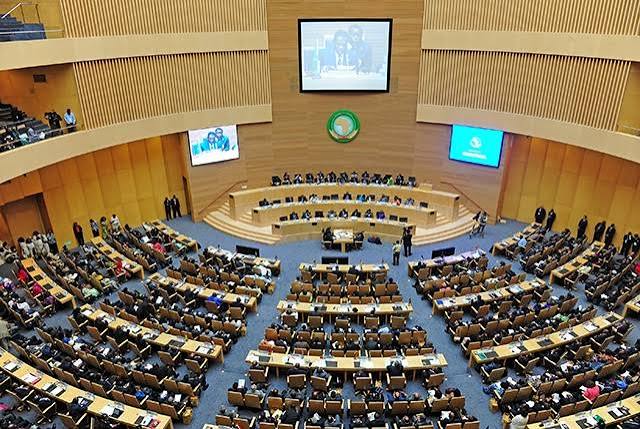
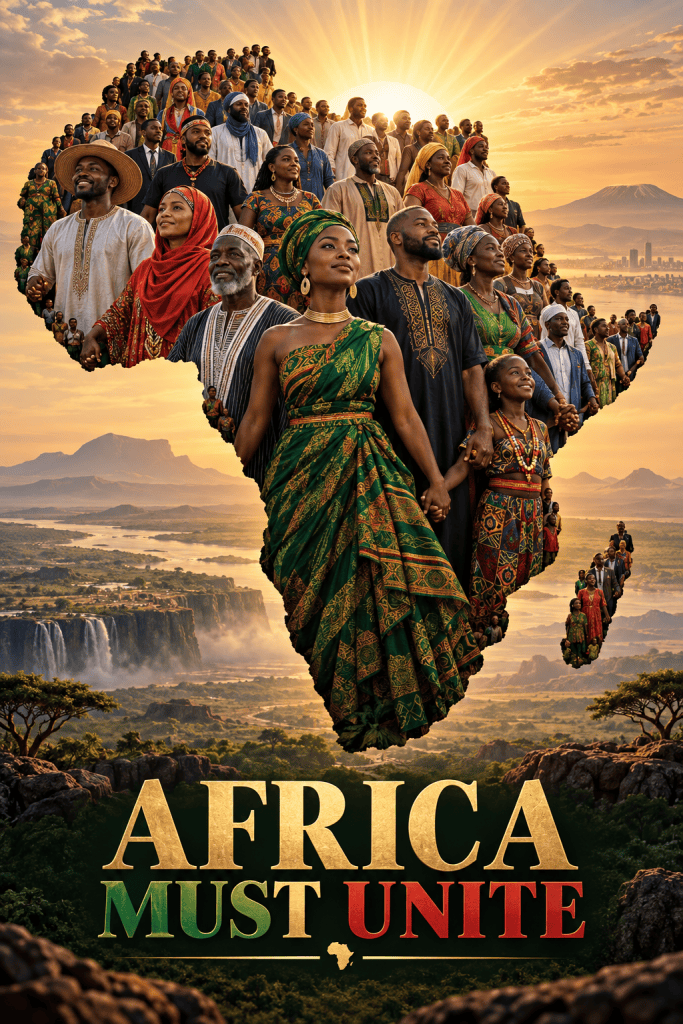
Then there is representation. Africa has 54 UN member states and still no permanent seat on the Security Council, nearly two decades after the African Union set out its position in the Ezulwini Consensus.

The future of human rights

Of all the issues on the table this month, the future of human rights deserves the most attention. The international human rights system is being weakened from three directions at once.

The first is money. In 2024 the UN human rights office received $170 million from the regular budget, just 4.7 percent of the total, and human rights work accounted for under one percent of the UN system’s $68.3 billion income. Cuts to that thin base have already halved the office’s field missions, from 11,000 in 2024 to 5,000 in 2025. Many of the inquiries that member states set up to investigate atrocities in Sudan, the DRC, Ukraine, Syria and Israel/Palestine are working with 40 to 60 percent of their planned staff. The commission on eastern Congo, created in February 2025, hired its first people only in June this year.

The second is coercion. Since February 2025, a US executive order has been used to sanction International Criminal Court (ICC) officials. The list now includes the court’s president, Tomoko Akane, and a senior trial lawyer from Senegal, Abdoulaye Seye, both designated on 18 August. Judges under sanction report frozen accounts and lost access to basic financial services. Open Society is contesting this in court. In August, the Open Society Foundations joined the American Friends Service Committee, Human Rights Watch, and the Center for Constitutional Rights in challenging the constitutionality and legality of Executive Order 14203, which authorized sanctions on ICC officials and others who work to prevent, investigate, and punish war crimes, crimes against humanity, and genocide.

The third is the shrinking of civic space. The CIVICUS Monitor now rates 83 countries as repressed or closed, and only 7.2 percent of humanity lives where civic freedoms are broadly respected. Sudan has fallen into the closed category. The United States itself has been downgraded to obstructed.

None of this means human rights have no future. It means the future will look different. Some of the most important legal action of recent years has come from African states. The Gambia took Myanmar to the International Court of Justice over genocide, and South Africa brought its own case against Israel. South Africa is also part of the Hague Group, a coalition of Global South governments seeking to make international law apply to everyone. These initiatives show that the defence of universal rights is no longer led mainly by Western capitals, and in several cases is now led against their positions.

The Right to Development at 40: a covenant left waiting

The Declaration adopted in 1986 said something many governments still find uncomfortable: that development is a right, that people must be able to take part in the decisions that shape their lives, and that economic resources should be shared equitably. Four decades later, the legal follow-through is stuck. The intergovernmental working group finished negotiating a draft international covenant on the right to development in July 2023 and recommended that the Human Rights Council send it to the General Assembly, with a conference convened to adopt it. The text has been sitting with the Assembly ever since. Last October the UN’s Expert Mechanism on the Right to Development urged member states again to adopt it and to carry out human rights impact assessments of their cooperation policies. Nothing has moved.

The 23 September meeting should therefore produce more than tributes. It should set a timetable for the Assembly to take up the draft covenant, through an intergovernmental conference or another negotiating track. It should connect the right to development to the decisions that actually determine it today, which means debt restructuring, the Tax Convention and the collapse in aid. African states, which have defended this right since the 1980s and have the most to gain from it, should lead that push rather than wait for others to schedule it.

Racism – Durban at 25: we are moving in the wrong direction

The second anniversary is harder to mark honestly, because the trend is going backwards…

The worst of it this year has been in South Africa. Since late May, African foreign nationals have been beaten, their homes and shops burned and several killed, while vigilante groups set a June deadline for undocumented African migrants to get out. Thousands fled. Malawians camped in the open through winter in Durban, Zimbabweans queued outside their consulate in Cape Town, and Nigeria, Ghana, Mozambique and Malawi organized flights and buses to bring citizens home. There is no polite way to say what this means. The country that hosted the World Conference against Racism, whose own freedom was won against a system built on racial classification, has become the most visible source of xenophobic violence on the continent. And the government’s response has been far weaker than the moment demands. Courts have ruled, ministers have condemned, and the attacks have carried on. What is missing is enforcement, prosecution of those who organise the violence, and political leaders who stop borrowing the language of the mobs as elections approach.

The pattern is wider than South Africa. Algeria keeps expelling migrants of various African nationalities, children among them, into the desert at the Niger border. Libya’s eastern authorities announced a new expulsion campaign in June, and Morocco began large-scale deportations of sub-Saharan Africans in April, much of it encouraged and financed through Europe’s border deals. Elsewhere the discrimination is administrative. Tanzania has barred non-citizens from around fifteen categories of small business, Kenya ordered the closure this month of small businesses run by foreigners without permits, and Gabon has tightened the rules on employing foreign workers.

This is where I need to be blunt. A continent that asks the world for reparatory justice, that defeated apartheid, and that has just entered the Second International Decade for People of African Descent cannot at the same time treat Africans as foreigners in Africa. Our own commitments say so and we ignore them: the African Union Protocol on Free Movement of Persons, adopted in 2018, has been ratified by only 4 countries, Mali, Niger, Rwanda and São Tomé and Príncipe, and needs 15 to enter into force. Changing course does not require new declarations. It requires governments to enforce the rulings their own courts have issued, to prosecute incitement instead of tolerating vigilantes, to end collective expulsions into the desert, and to stop taking foreign money to do at their borders what they would call racism if it were done to their citizens abroad. 25 years after Durban, the test is no longer whether we can name racism and xenophobia when others practice them. It is whether we will name them when the perpetrators look like us.

Artificial intelligence: the next frontier for rights

Artificial intelligence is the next front. The UN now has an Independent International Scientific Panel on AI, 40 experts. It released its first report on 1 July, before the first Global Dialogue on AI Governance in Geneva; the next dialogue will be in New York in May 2027. Facial recognition, automated welfare and policing decisions, and large-scale disinformation already affect people’s rights today. If the countries most exposed to these tools have no real say in how they are governed, the rules will be written for them and not with them.

What makes this session different

UNGA sessions often blur together. This one should not. US disengagement is now written into policy. Permanent members of the Council have themselves been party to uses of force widely seen as unlawful. Mediation is increasingly led by countries outside the P5. AI has a standing place on the UN agenda for the first time. And every statement made this month will be read with an eye on who runs the organisation from January 2027.

What we are asking for

At Open Society, we believe the answer to a damaged international order is a fairer multilateralism, built with the Global South rather than on its behalf, and anchored in human rights. Our engagement this session is organized around three themes: the future of multilateralism, the future of human rights and the centering of human dignity, and the war on Iran with everything that follows from it. Our Vice President of Programs, Pedro Abramovay, has set out that wider vision this week.

For this session, I would want us to land on the following:

The future of multilateralism

Pay the dues, and measure reform by what the UN delivers. Assessed contributions should be paid in full and on time, the largest contributors first. UN80 should be judged on capacity to act, not on how much it cuts, and member states should protect mandates that no one else performs, starting with investigations, mediation and human rights monitoring.

Share power, not just costs. Africa has 54 member states and no permanent seat. Security Council reform along the lines of the Ezulwini Consensus deserves a real negotiation with a timetable, and the same principle of fair representation should apply to the governance of the international financial institutions.

Finish the financial agenda the Global South started. Conclude and adopt the UN Tax Convention on schedule, move debt restructuring into a forum where debtor countries have a voice, and treat the collapse in concessional finance as a systemic risk rather than a budget line.

Choose the next Secretary-General in the open. Publish more about how the Council reaches its recommendation, hold dialogues with candidates in the regions most affected by UN decisions rather than only in New York, and let African institutions question those who would lead the organisation. After 8 decades and 9 men, the case for a woman is overdue.

Govern AI with rights at the centre. Protect the independence of the Scientific Panel, fund participation from countries that cannot easily afford it, and ensure the Global Dialogue produces standards anchored in human rights law rather than voluntary principles written by those who build the systems.

The future of human rights and human dignity

Human rights funding. Human rights costs the UN system under 1% of its income. Member states should shield that share from further cuts, staff the inquiries they have already mandated, and give the human rights office multi-year, flexible funding so its work does not depend on the political mood of a handful of donors.

Defend international justice out loud. Governments that support the International Criminal Court should say so publicly, press for the sanctions on its officials to be lifted, adopt protective measures so that banks and service providers do not enforce them by default, and continue cooperating with the court in every situation, not only the convenient ones.

Put the Right to Development back on a legal track. Set a timetable for the General Assembly to take up the draft covenant finalised in 2023, and start applying the right in practice through human rights impact assessments of debt, trade and aid decisions.

Turn the Durban anniversary into a change of trajectory. African governments should enforce their own court rulings against xenophobic violence, prosecute those who organise it, end collective expulsions, and ratify the AU Protocol on Free Movement of Persons, which still has four ratifications out of the fifteen it needs. The African Union should be willing to name and challenge member states that let this happen, and the Second International Decade for People of African Descent should come with funded national action plans rather than communiqués.

Protect civic space and the people who use it. Judge every reform, including UN80, by whether it widens or narrows civil society’s access to the UN. Support the coalitions of Global South states now using courts and legal mechanisms to hold the powerful to the same standards, and fund the defenders and journalists who document abuses when official monitoring is being cut.

The war on Iran, its consequences and what comes next

Back the mediators and rebuild a negotiated track. The channels that have worked run through Oman, Qatar and Pakistan. Member states should support them politically and financially, and the UN should aim to be a guarantor of whatever framework emerges rather than an observer of it.

Restate the rule on the use of force, plainly. The General Assembly should reaffirm that the Charter prohibits the threat or use of force against another state, and reject the idea that preventive strikes or the seizure of a head of state can be normalised. Small and middle-sized states have the most to lose if that principle quietly lapses, which is why they should lead this.

Put civilians first in the consequences. That means humanitarian access, protection for people displaced by the war, sanctions designed so that they do not deprive civilians of medicine and food, and continued international inspection arrangements to reduce nuclear and radiological risk.

Apply one standard. Violations should be documented and investigated whoever commits them, in Iran as in Gaza, Sudan, Ukraine and Venezuela. Selective outrage is the fastest way to finish off what remains of the rules, and the Global South has been saying so for years.

Track the fallout in places nobody is discussing. Energy and food prices move quickly when the Gulf is unstable, and import-dependent African economies absorb the shock with no fiscal room left after debt service. The Assembly should keep those effects on the record rather than treating this as a regional security file.

After the speeches

The Secretary-General reminded member states this summer that the UN Charter opens with “We, the peoples“, not “We the powerful“, not “We the victorious.” It is a useful test for the coming weeks.

Speeches cost nothing. UNGA81 will be judged on things that deliver. Some of the states that wrote the rules now treat them as optional. We can’t afford that luxury, and neither can anyone who depends on the UN to document abuses, protect civilians or hold a ceasefire together. The answer to a damaged system is not less multilateralism. It is a fairer one: paid for, shared, and answerable to the peoples the Charter names first.

Follow this space for my post-UNGA81 analysis, when we will know whether any of this moved.

If you’d like to receive my articles automatically as soon as they’re published, simply follow this blog using the “Follow” button at the bottom left of this page or send me an email at Desire.Assogbavi@Assodesire.com

The Extractive Trap Has a Green Exit

By Désiré Assogbavi and Renata Albuquerque Ribeiro

This article has been first published by Project Syndicate

DAKAR/RIO DE JANEIRO – For five centuries, raw materials have flowed out of Africa and Brazil at low cost to be used as inputs elsewhere-often returning to their source countries embedded in expensive finished goods. The energy transition offers a critical opportunity to escape this extractive dynamic. The key for these economies is to leverage their vast resources, as well as mutual cooperation, to build thriving green industries of their own.

The current global energy crisis has made the energy transition all the more urgent. Supply disruptions and rising costs have put pressure on governments, households, and businesses in many countries, weakening productivity, straining food supplies, and exacerbating economic inequality.

The effects of the crisis are particularly acute in many African countries, which already struggle with persistent poverty, limited energy access, and inadequate infrastructure. Africa’s energy-producing countries are not immune, not least because they often export crude oil while importing costlier refined products like diesel and gasoline.

But the problem runs far deeper than the current crisis. As a recent Oil Change International report shows, decades of extraction have produced income concentration, economic dependency, external vulnerabilities, and the weakening of other productive sectors.

Achieving broad-based development requires a new approach, one which leverages South-South cooperation to advance green development and sustainable industrialization. Brazil and African countries, such as Kenya, Namibia, South Africa, and Tunisia, are particularly well-suited to spearhead such a strategy, acting not only as diplomatic partners, but as co-producers of a green industrial transformation.

Since returning to the presidency in 2023, Brazil’s Luiz Inácio Lula da Silva has emphasized the importance of South-South cooperation, not least to advance the climate and development agenda. Moreover, he has resumed official visits to African countries, such as Mozambique and South Africa, whose leaders have reciprocated with visits to Brazil. Such diplomatic initiatives have been matched by concrete cooperation in agriculture, health, education, defense, energy, and other areas. But it is in green industry that this partnership can take on real strategic significance.

Brazil and Africa have important comparative advantages in two sectors that are central to the global energy transition. The first is critical minerals. African countries have significant reserves of cobalt, graphite, lithium, and manganese—critical inputs in batteries, electric vehicles, and renewable-energy technologies. Brazil also has reserves of graphite and lithium, as well as nickel and rare-earth elements.

The United Nations reports that trade in raw and semi-processed critical minerals reached roughly $2.5 trillion in 2023, accounting for more than 10% of global trade. That total is projected to triple by 2030. According to the International Energy Agency’s Global Critical Minerals Outlook 2025, lithium demand alone could grow fivefold by 2040, while cobalt and rare-earth demand might rise 50-60%.

If Brazil and Africa focus on meeting this exploding demand with raw exports, they will find themselves ensnared by the same old extractive trap. But by building shared production chains and pursuing technology-transfer agreements, joint research, and industrial policies focused on adding value locally, they can finally translate their resource wealth into sustained growth and development.

Africa and Brazil also stand to benefit from some of the best conditions in the world for solar- and wind-power generation. Already, decentralized solar-power installations are proliferating in many African countries, expanding access to electricity in rural areas and urban peripheries. In many cases, this is a bottom-up energy transition, with families and small businesses purchasing and installing solar panels, often using pay-as-you-go solutions.

Brazil, for its part, is a global leader in biofuels and hydropower technologies. According to the IEA, the country contributes almost 7% of the world’s renewable-energy production, despite accounting for only 3% of its population and 2% of its GDP. And Brazil continues to invest heavily in expanding and “greening” energy access. The Amazon Energy Program aims to replace diesel-based power generation in the Isolated Systems of the Legal Amazon with clean, renewable energy sources.

Cooperation on renewable energy can help Africa and Brazil alike. Brazil can contribute its technical and institutional capacities. Its Luz para Todos program, which has connected more than 17 million rural Brazilians to electricity since 2003, is precisely the kind of initiative that can be adapted to African contexts. African countries, for their part, can share the innovative solutions they have developed for expanding energy access, including pay-as-you-go solar home systems and micro-generation of energy.

But installing renewable-energy infrastructure alone will not deliver green development. That requires countries to increase their productive capacity, enhance their technological capabilities, and train and employ skilled workforces. A green industrial transformation must generate jobs-the third critical area for cooperation.

The International Renewable Energy Agency projects that the energy transition could create millions of jobs in Africa by 2030, especially in solar energy, electrical infrastructure, and green manufacturing. The same applies to Brazil, which seeks to shift its industry toward sectors linked to the low-carbon economy.

But major roadblocks remain-none greater than finance. This is particularly true for Africa, which, despite holding 60% of the world’s best solar resources, receives only about 3% of global energy investment and 2% of clean-energy investment. African countries also face extremely high borrowing costs. Alternative cooperation mechanisms and joint South-South financing initiatives, as well as increased support from development banks and greater private-sector participation, are needed to advance green industrialization.

For too long, Africa and Latin America have served as mere suppliers of raw commodities, preventing them from achieving broad-based prosperity. By working together, however, developing economies can transform their strategic resources into the industrial, technological, and political capacity they need to build robust, dynamic, and sustainable economies.

Désiré Assogbavi

Désiré Assogbavi

Désiré Assogbavi is Africa Adviser at the Open Society Foundations.

Renata Albuquerque Ribeiro

Renata Albuquerque Ribeiro

Renata Albuquerque Ribeiro is a postdoctoral researcher at the Industry and Competitiveness Group at the Federal University of Rio de Janeiro.

If you’d like to receive my articles automatically as soon as they’re published, simply follow this blog using the “Follow” button at the bottom left of this page or send me an email at Desire.Assogbavi@Assodesire.com

Africa Corrected the Map. The Harder Corrections Are Ours to Make… At Home.

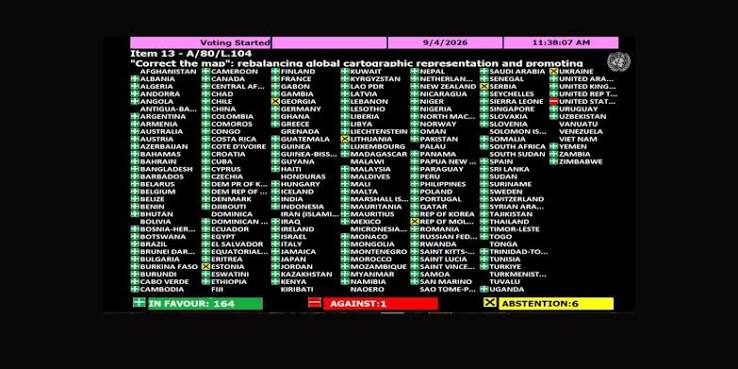
On 4 September, the UN General Assembly adopted a text that some years ago most people outside that room would have dismissed as decoration. Resolution A/80/L.104, “Correct the map: rebalancing global cartographic representation and promoting equitable representation of the world’s regions, particularly Africa,” passed by 164 votes to one, with six abstentions. Togo introduced it on behalf of the African Group. The United States voted against, calling it ideological. Estonia, Georgia, Lithuania, Moldova, Serbia and Ukraine abstained. Everybody else said yes.

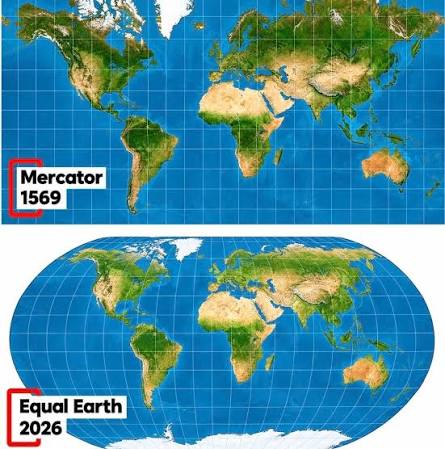
The resolution encourages governments, schools, publishers, international organizations and technology companies to move away from the Mercator projection and toward equal-area projections such as Equal Earth wherever the comparative size of continents actually matters. It is not binding. It redraws no borders, alters no maritime zone, and takes nothing away from anybody. Within hours, France announced it would drop Mercator from its official representations.

Predictably, some online arguments started before the applause finished. Cosmetic. A distraction. Africa has real problems and this isn’t one of them. I understand the impatience, but I think the critics have the wrong end of it.

Gerardus Mercator drew his projection in 1569 to help sailors hold a constant bearing across an ocean. For that, it remains excellent. The problem is what happened afterwards: a navigation tool became the default picture of the world, hung on classroom walls, printed in textbooks, embedded in news graphics and, later, coded into the mapping applications most of us carry in our pockets. And because it stretches landmasses the further you move from the equator, it does something quietly consequential. It shrinks the tropics. Africa covers about 30 million square kilometres, enough to hold the United States, China, India and most of Europe inside its outline with room to spare. On a Mercator map it looks roughly the size of Greenland, which is about fourteen times smaller.

I learned geography from that map. So did the people who now run our ministries, and the people who write about us from other capitals. Not one of us questioned it at the time. That is the whole argument. A distortion you are taught before you are old enough to interrogate it doesn’t register as a distortion at all. It registers as the world. Perception hardens into assumption, assumption into expectation, and expectation into how a continent gets treated in a boardroom, an editorial meeting or a donor conference. Fixing that is not decoration. It is a correction to the mental furniture of several billion people, and it cost nothing but organization.

Which brings me to the part of this story I find more interesting than the map.

Twice in 6 months

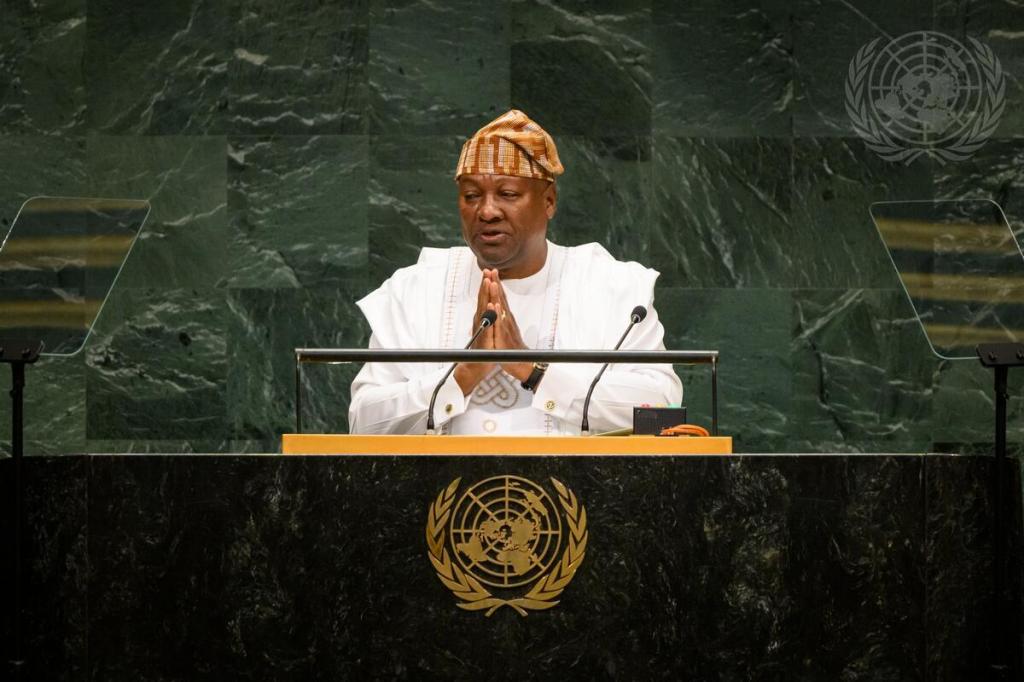
This was not a one-off. On 25 March, in the same hall, the General Assembly adopted resolution A/80/L.48, declaring the transatlantic trafficking of enslaved Africans and racialized chattel enslavement the gravest crime against humanity, and opening the door to a conversation about reparatory justice. Ghana carried that one, on behalf of the African Group, with the African Union and CARICOM behind it. President Mahama had given notice of the intention from the same rostrum six months earlier and then spent the interval building the coalition. It passed 123 to 3, with 52 abstentions.

Look at those two vote counts side by side, because they teach something.

The map resolution asked the world to change how it sees. It cost nothing, and it got 164 votes. The slavery resolution asked the world to accept a legal and moral characterisation with financial consequences attached. It got 123, and the entire European Union, plus Canada, Australia and Japan, sat on its hands. The lesson is not that one succeeded and the other didn’t. Both passed. The lesson is that the harder the ask, the more the outcome depends on how tightly Africa holds together, and the less anyone else’s goodwill will carry us.

What both votes had in common was method. One member state carried a mandate that belonged to all 54. The African Union Commission worked the ground beforehand. There was a single clear ask rather than a wish list. There were months of quiet consultation with jurists, scholars and other regional groups before anything reached the floor. And in the room, nobody broke ranks. That is not luck. That is craft, and we now have two demonstrations of it inside one year.

So the question I keep coming back to is not whether the map matters. It’s this: why do we only assemble that machine when the adversary is external?

The same technique, should be turned inward

Consider what we are carrying while we celebrate.

Africa now accounts for around 43 per cent of the world’s forcibly displaced people, roughly 45.7 million, and 96 per cent of them come from countries at war. In 2025 alone, conflict displaced 9.7 million people in the DRC, the highest figure that country has ever recorded and close to a third of the global total. Sudan remained the world’s largest internal displacement crisis for a third consecutive year with 9.1 million people uprooted, 62% of them in Darfur. Sub-Saharan Africa absorbed 14.5 million conflict displacements, about 45 per cent of the world’s total. The African Union’s “Silencing the Guns” Campaign was supposed to be done by 2020. It was rolled over to 2030. On present evidence it will be rolled over again unless something changes in how we approach it.

Now consider the resource question. The continent holds roughly 30 per cent of global reserves of the minerals the energy transition runs on. We produce more than 77% of the world’s cobalt, 83% of platinum group metals, 65% of manganese, and by 2030 we are projected to supply about 60% of global lithium and 40% of graphite. Africa’s share of participation in the global value chains built on those minerals sits at about 2%. Zimbabwe holds the continent’s largest lithium reserves and exports concentrate at around $10,000 a ton into a market where the refined material sells for roughly $40,000. Fifty-four different mining codes, fifty-four tax regimes, fifty-four investment frameworks, negotiating one at a time against buyers who are perfectly coordinated. We are not being outmaneuvered because we are weak. We are being outmaneuvered because we arrive separately.

And trade. 5 years into the AfCFTA, intra-African trade sits at only about 16% of the continent’s total, somewhere between $214 and $220 billion. In Asia the equivalent figure is around 59 per cent, in Europe around 68. UNECA estimates full implementation is worth $450 billion in cumulative GDP by 2035. The infrastructure financing gap standing between us and that number runs at $68 to $108 billion a year.

Every one of these is a problem that a coordinated African position could move, and that no African country will solve on its own. A continental floor for mineral beneficiation. A single negotiating mandate on critical minerals, the way we ran a single negotiating mandate on cartography. A peace and security architecture with the authority and the money to act in Sudan and eastern DRC without waiting for a Security Council that has told us for two decades what it thinks of the Ezulwini Consensus.

Africa Needs to Pay for it

There is one number that undercuts all of this, and we should stop being polite about it. In 2027, more than 79% of the African Union’s program budget is projected to be funded by international partners. Member States, African Institutions and internal sources’ financing of that program budget will be only 20.4%. The 0.2% cent import levy agreed at Kigali in 2016 to finance the African Union remains badly implemented a decade on.

We cannot ask the AU Commission to drive Agenda 2063 while three-quarters of its programs depend on money raised outside the continent. An institution funded by others will, eventually and however good its people are, take its priorities from others. If the map vote proved that the Commission could convene, sequence and land a continental campaign in a hostile diplomatic environment, then the honest response is to give it the means to do that on the things that cost us lives and money, not only on the things that cost the world nothing to concede.

What I hope our leaders take from this: A Stronger African Union

Twice this year, in the same hall, with the same method, Africa asked for something and got it. Not because the world grew generous, but because 54 states decided in advance what they wanted, chose one of their own to carry it, and refused to be split.

That is the lesson, and it has a very short shelf life. Symbolic wins are seductive precisely because they are cheap. The temptation now is to bank the applause, put the Equal Earth map on the wall at the next summit, and go back to negotiating our minerals one country at a time while Sudan burns.

The map was the easy correction. It was still worth making, and I would defend it against anyone who calls it trivial, because how you are seen shapes what you are offered. But the distortions that cost us most are not on any projection. They are in a continent that trades only 16% with itself, captures only 2% of the value of its own minerals, hosts nearly half the world’s displaced people, and funds only 20% of its own union’s programs.

We have just shown, twice, that we know exactly how to fix things when we decide to act as one. There is no longer any mystery about the method. What remains is whether we are willing to use it on ourselves, back home.

If you’d like to receive my articles automatically as soon as they’re published, simply follow this blog using the “Follow” button at the bottom left of this page or send me an email at Desire.Assogbavi@Assodesire.com

Is the United Nations still relevant?  Does the world still need it?

By Michelle Ndiaye, Desire Assogbavi and Mwende Mueke

The article has been published in French by MONDAFRIQUE

“The UN was not created to take mankind to heaven, but to save humanity from hell.”: Dag Hammarskjöld

There is a question that used to be whispered at the margins of diplomatic gatherings. Today it is asked openly in African Union corridors, in Global South think-tanks, in the halls of the US Congress: Is the United Nations still relevant? Does the world still need it?

It deserves a serious, unsentimental answer, not a defensive reflex from those who work in multilateral institutions, and not a cynical reaction from those exhausted by their failures. So let us face the full picture: the strongest case against the UN, an honest look at a world without it, and the answer both point toward.

The World Changed. The UN Didn’t.

The United Nations was designed in 1945 by 51 countries emerging from the most destructive war in history. The five victors, the United States, the United Kingdom, France, the Soviet Union, and China, wrote the rules, gave themselves permanent Security Council seats, and armed each seat with a veto. A grand bargain for global security.

The world that institution was built for no longer exists. The UN now counts 193 member states, nearly four times the original number. The global population has more than tripled, from 2.5 billion to over 8 billion. And the entire continent of Africa, 54 nations, more than 1.4 billion people, was largely under colonial rule when the Charter was signed. Africans were not at the table when the rules were written. Yet roughly 70 percent of the Security Council’s agenda now concerns Africa, and Africa does not hold a single permanent seat on that Council. The UN Secretary-General himself has called this arrangement “a relic of the colonial era.” The African Union’s Ezulwini Consensus has demanded two permanent seats with full veto rights since 2005. Two decades of diplomacy.  No structural change – yet: that is not a footnote. That is an indictment.

The numbers on paralysis are just as damning. In 2024, the permanent members cast eight vetoes on seven draft resolutions, the most since 1986. In 2025, vetoes again blocked meaningful action on Gaza and Ukraine, and the Council adopted only 44 resolutions, the lowest figure since 1991. Wars in Sudan, Myanmar, Gaza, and Ukraine have unfolded before a body structurally incapable of acting whenever a permanent member, or its close ally, is a party to the conflict. The pattern is old: in 1994, the Council received prior warning of the Rwandan genocide and failed to act; closed to one million people were killed in 100 days. A law that cannot be enforced is, in practice, no law at all.

Then there is the money. The United States owes roughly $1.5 billion in unpaid assessments, arrears that have since climbed above $2 billion, while China has run hundreds of millions behind. Secretary-General António Guterres has warned bluntly of a “race to bankruptcy,” proposing a 15 percent cut to the UN’s regular budget for 2026 and the elimination of roughly 2,600 posts. Meanwhile, the wider financial architecture built alongside the UN, the IMF and World Bank, still weights voting power toward wealthy nations, and many African countries lose more each year in debt-servicing payments than they receive in development aid.

Under-resourced. Structurally unrepresentative. Repeatedly unable to act. The critics are not wrong about any of this.

The Thought Experiment: Close the UN Tomorrow

So, imagine the institution dissolves tomorrow. What actually happens?

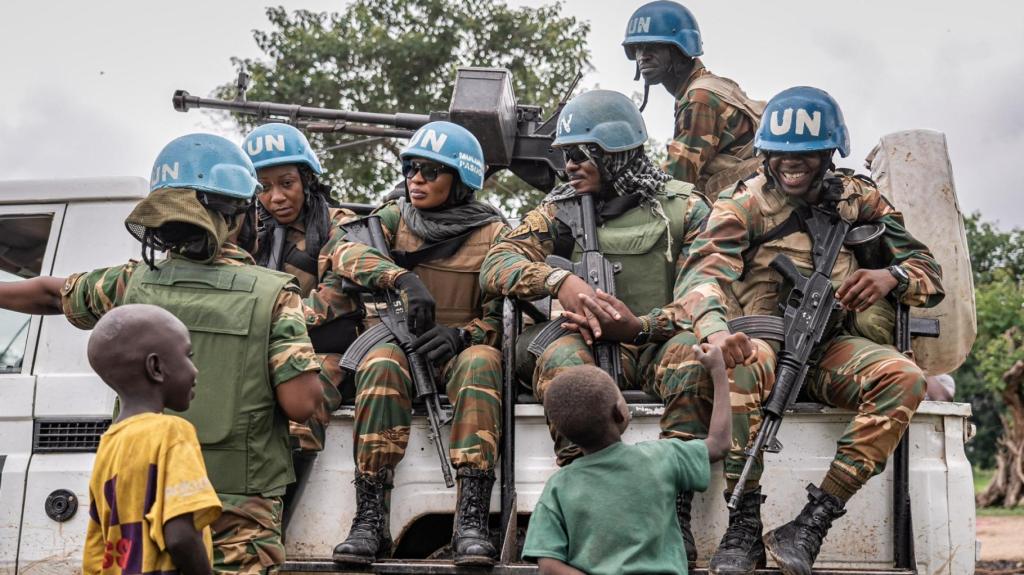
First, humanitarian collapse: within days, not years. UN agencies are the primary responders to the world’s crises. The World Food Program feeds on the order of 150 million people a year. UNHCR protects more than 40 million refugees among over 100 million forcibly displaced people worldwide. UNICEF vaccinates children in over 190 countries. These are not bureaucratic abstractions; they are lifelines. Cambodia, the Great Lakes, Yemen, shows exactly what happens when crises fall outside great powers’ strategic interests: the world looks away.

Second, the framework of international law buckles. The Universal Declaration of Human Rights (UDHR), The Geneva Conventions, the Genocide Convention, the Convention on the Rights of the Child, the Law of the Sea, the treaties would survive on paper, but the machinery that monitors and implements them would not. Without a universal body, international law reverts to what it was before 1945: an instrument wielded chiefly by those powerful enough to enforce it.

Third, the only universal forum disappears. The UN General Assembly is the one place on earth where all nations, large and small, rich and desperately poor, speak with equal formal standing. Scholars have observed that if the UN did not exist, it could never be created today; it was only possible because of the cataclysmic shock of the Second World War, a window that will not reopen. What would remain are clubs of the powerful and exclusive: the G7, the G20, BRICS, ad hoc coalitions. Collective action through those groupings would always be seen, correctly, as the strong imposing their will on the weak. Not representative of a global consensus. The small island state facing sea-level rise, the landlocked developing nation, the post-conflict society: their voices exist in the global conversation because the UN gives them a seat.

The choice, then, is not between the imperfect UN and some better alternative. It is between the imperfect UN and a more dangerous, more fragmented, and less accountable approach to multilateralism.

What the UN Has Actually Delivered

The legitimate critique should not bury the record. Since 1948, the UN has mounted more than 70 peacekeeping operations, helping end conflicts in Cambodia, Mozambique, and East Timor, among others. Its system helped pressure apartheid South Africa toward transition. It drove the eradication of smallpox and the near elimination of polio. The Montreal Protocol, a UN-negotiated treaty, is healing the ozone layer. The Paris Agreement, however imperfect, exists only because the UN’s negotiating architecture exists.

Most significantly: no war between the great powers in 80 years, the longest such stretch in modern history, sustained by norms, institutions, and permanent channels for dialogue that did not exist in 1914 or 1939. And there is a deeper achievement still. Before the Universal Declaration of Human Rights in 1948, human rights were philosophical aspirations, not legal entitlements. The UN created the framework within which governments are, however imperfectly, held to account for what they do to their own citizens. The Global South then used that framework to expand the idea itself: the 1986 Declaration on the Right to Development was fought for and won inside the UN, through the Group of 77 and decades of coalition-building. Remove the institution, and those hard-won gains lose their home.

Not Whether, But Which

The real question is not whether the world needs the United Nations. It is which United Nations the world needs. A body that devotes 70 percent of its security agenda to Africa while denying Africa a permanent voice is not just unjust, it is operationally dysfunctional. A Council whose vetoes shield aggression and block action on mass atrocity is not a security council; it is a great-power protection racket dressed in the language of law. These are not reasons to walk away. They are the reasons reform is urgent and non-negotiable.

Expand the Security Council with genuine African permanent representation. Consistent with the Ezulwini Consensus: permanent African seats with full veto rights, or, if the veto is curbed, equal standing for all permanent members. The 2024 Pact for the Future committed leaders to a consolidated reform model; that commitment must now be forced from paper into negotiation.

Rebuild international financial architecture as a matter of justice, not charity. Restructure IMF and World Bank voting weights and deliver systematic debt relief for countries trapped in cycles of extraction, and stabilize the UN’s own finances, starting with major powers paying what they legally owe.

Create universal governance for the new existential challenges. Artificial intelligence, climate change, cyber conflict, and pandemic preparedness cannot be managed through bilateral deals and clubs of the rich. Only a universal framework confers legitimacy on rules meant to bind everyone.

Organize the Global South to negotiate as a force, not a fragment. Common African and Global South positions on Council reform, climate finance, AI governance, and the post-SDG agenda, developed internally, deployed coherently, so that every multilateral room is entered with one voice and real leverage.

The Courage to Reform What We Cannot Afford to Lose

Hammarskjöld’s words remain the most honest description of the UN: not a vehicle for perfection, but a barrier against catastrophe, a hedge against a world where the only law is power and the only protection is the alliance you can assemble before the shooting starts.

The world has transformed since 1945. The institution has not kept pace, and the costs fall heaviest on those least able to bear them. But the answer to an imperfect institution is not its destruction; it is its transformation. As WTO Director-General Ngozi Okonjo-Iweala has urged: preserve what works, reform what no longer does, and reposition for a future the founders could not imagine.

We still need the United Nations more, not less, as the world grows more dangerous and more interdependent. But the UN we have is not yet the UN we need. Building it, rule-based, representative, just, effective, and genuinely inclusive of the Global South, is the defining challenge of this multilateral moment.

About the authors

Michelle Ndiaye is Director of Transformative Peace in Africa at the Open Society Foundations.

Désiré Assogbavi is Advocacy Advisor for Africa at the Open Society Foundations.

Mwende Mueke is Associate Director of Democratic Futures in Africa at the Open Society Foundations.

If you’d like to receive my articles automatically as soon as they’re published, simply follow this blog using the “Follow” button at the bottom left of this page or send me an email at Desire.Assogbavi@Assodesire.com