Approximately 5,000 delegates participated in the recently concluded 50th Annual Meetings of the African Development Bank (AfDB), held from May 27 to 31, 2024, in Nairobi, Kenya.
The Annual Meetings brought together the Bank Group’s governors representing 54 African countries and 27 non-African shareholders, as well as heads of state, researchers, experts, representatives of international bodies, the private sector, and civil society actors. They engaged in discussions and shared insights and strategies centered around the event’s theme, “Driving Africa’s Transformation: The Reform of the Global Financial Architecture.” The event garnered coverage from 200 media outlets.
Our Team from the ONE Campaign hosted a side event on the upcoming replenishment of the African Development Fund, the concessional window of the AfDB, which plays a critical role in providing financing and technical assistance to low-income countries in Africa.
Here are my 10 key takeaways from the Bank’s Annual Meetings:
Africa is at a pivotal juncture in its development path, facing a series of interconnected crises that threaten the progress achieved in recent decades. Addressing these challenges necessitates a comprehensive financial approach rooted in global solidarity to effectively meet urgent needs.
With a burgeoning population, abundant natural resources, and a youthful demographic, the continent boasts significant potential for economic growth and prosperity. However, unlocking this potential demands substantial financial investments and strategic planning
1- Domestic Resource Mobilization (DRM) is crucial for Africa’s development. Enhancing efforts to mobilize domestic resources, including addressing Illicit Financial Flows. Every year, more than $89 billion leaves the African continent as Illicit Financial Flows, according to the UNCTAD. These are movements of money and assets across borders that are illegal in source, transfer, or use. It includes illicit capital that is getting out of the continent, tax and commercial practices like wrong invoicing of trade shipments, and criminal activities such as illegal markets, corruption, or theft. In addition, African countries should prioritize modernizing their tax systems. Many African countries offer overly generous tax incentives that need reevaluation.
2- Reform: The international financial architecture needs urgent reforms to becomemore responsive, fairer, and resourceful. By the United Nations’ definition, the international financial architecture refers to the governance arrangements that safeguard the stability and function of the global monetary and financial systems. It has evolved over time, often in an ad hoc fashion, driven by the policy preferences of large economies (…).
The ecosystem of the International financial architecture that needs to be thoroughly reviewed includes but is not limited to:
The Banks: IMF, WB, Regional Development Banks, etc.
The Markets: capital markets, stock markets, etc.
Credit Rating Agencies
International Tax Regime
3- Increasing concessional financing is essential to addressing African nations’ ambitious goals and priorities and tackling global challenges. Multilateral Development Banks (MDBs) must intensify their efforts. The upcoming replenishment of the International Development Association (IDA) and the African Development Fund presents opportunities to bolster financial support.
4- Private Sector: Effective private sector engagement is vital to mobilize the trillions required for the Sustainable Development Goals (SDGs) and Africa’s Agenda 2063, the Africa we want. MDBs alone cannot bridge the financing gap.
5 – Value Addition: Emphasizing value addition over raw material exports is key to economic prosperity in Africa because exporting raw materials often leads to impoverishment. Exporting raw materials is a highway to poverty. Value Addition is a gateway to prosperity.
6- Credit Rating: The global financial rating system must be fairer. A fairer rating could save Africa $75 billion a year in debt payments. Credit ratings impact the development trajectories of African countries by defining the cost of development financing. They also influence how much development partners can support critical investments on the continent.
AfDB is committed to supporting the creation of an African credit rating agency, not to replace or compete with existing agencies but to provide an alternative approach that takes into account contexts and realities on the continent.
7- Natural Capital: Africa’s natural capital is undervalued in the current calculation of GDPs. The AfDB committed to support the reevaluation of African countries’ GDP by incorporating natural capital considerations
8- AfDB Capital: The AfDB Board of Governors approved $117 billion of callable capital, bringing the total Bank’s capital from $201 Billion to $318 Billion.
Kenya is the first mover in replenishing the Africa Development Fund in 2025, with a pledge of $20 million.
9- Obstacles: Conflicts and political instability significantly hinder Africa’s progress and investment attractiveness. The lack of security increases the level of risk perceived by investors. Addressing these challenges is crucial as the continent’s youthful population continues to outpace job opportunities, leading to migration in search of better prospects. Corruption is surely the other obstacle that the continent needs to fight by all means.
10- New strategy: The African Development Bank Group introduced its Ten-Year Strategy 2024–2033, which focuses on investing in Africa’s youth and promoting gender equality, climate resilience, stability in fragile states, and good governance.
To achieve these objectives, the bank will deploy the following operational priorities.
Light up and power Africa: Promote universal access to modern and affordable energy.
Feed Africa: Ensure food security through agricultural transformation.
Industrialize Africa: Catalyze manufacturing as a critical driver of job creation.
Integrate Africa: Foster regional integration and value chains for a more cohesive economy.
Improve the quality of life: Enhance living standards, particularly for women and youth.
Published on 19 February 2024. This blog will be updated as more information comes in.
Official decisions of the just-ended African Union Summit will not be available for several weeks as per the practice, but based on intel, comments by delegations, and corridors discussions, here are what seem to be the 7 key outcomes of the Summit held in Addis Ababa, Ethiopia, from the 14th – 18th February 2024.
The theme of the Summit and the year 2024 is: “Educate an African Fit for the 21st Century: Building Resilient Education Systems for Increased Access to Inclusive, lifelong, quality, and Relevant Learning in Africa.”
The Summit adopted a Road Map on the theme devoted to Education and called upon the African Union Commission, AUDA-NEPAD, Regional Economic Communities, United Nations organizations, Development Partners, Civil Society Organizations, the Youth, and all other stakeholders to continue strengthening their support to Member States by facilitating the implementation of the roadmap.
The following issues have actually dominated the discussions at the Summit:
1/Multilateralism &International Governance
Africa at the UN Security Council
The African Union reiteratedthat full representation of Africa in the reformed United Nations Security Council means:
i) Not less than two (02) Permanent seats with all the prerogatives and privileges of Permanent membership, including the right of veto.
ii) Five (05) Non-permanent seats.
iii) The African Union reserves the right to select its representatives for election to the UN Security Council to act in its name and on its behalf.
Proposed Modalities for the Participation of the African Union in the G20 and Preliminary Priorities
At the G20, AU aims to leverage Africa’s position in the world economy as well as contribute to meeting the emerging global challenges
Participation in the Leaders’ Summit:
The Chairperson of the African Union, assisted by the Chairperson of the African Union Commission, will represent the African Union (previously decided)
The Chairperson of the Commission to propose positions to the Assembly to be advanced as African Common positions in the G20 Leaders’ Summits.
The Chairperson of the African Union, assisted by the Chairperson of the Commission to debrief the Assembly on the outcomes of the G20 Leaders’ Summits at the February sessions of the Assembly each year.
Participation in Ministerial meetings
The Chairperson of the African Union Executive Council, assisted by the Chairperson of the Commission to represent the African Union in the G20 Meetings of the Ministers of Foreign Affairs.
The Chairpersons of the AU Specialized Technical Committees, assisted by the respective Commissioners, to lead African Delegations to G20 sectoral Ministerial Meetings
The Chairperson of the Specialized Technical Committees (STC) on Finance, Monetary Affairs, Economic Planning, and Integration, assisted by the Commissioner for Economic Development, Trade, Tourism, Industry, and Minerals to attend the meetings of the G20 Finance Ministers and Central Bank Governors, assisted by the respective Commissioner(s);
The Ministerial Representatives to the G20 to propose draft African common positions through the Specialized Technical Committees for consideration by the Executive Council before it is advanced in the G20 Ministerial meetings and Leaders’ Summits
Sherpa and Sous Sherpa
The Chairperson of the African Union to appoint a Sherpa. As the AU G20 contact point, the Sherpa shall coordinate with the Chairperson of the African Union Commission and the AU Member States on the positions to be advanced in the various G20 Ministerial, Task Forces and Working Group meetings to ensure that the African Union prepares common positions ahead of each G20 meeting and speaks with one voice in the G20 meetings;
The Chairperson of the Commission to appoint a Sous-Sherpa to: (a)Act as liaison between the Commission and the Chairperson of the Union; (b)Work with and Deputize the Sherpa; (c)Report to the Chairperson of the Union on G20 matters.
South Africa, the only current African permanent member of the G20, will share lessons of experience in the G20 with the African Union.
Africa’s preliminary priorities at the G20 will be as follows: the reform of the international financial architecture, debt restructuring, food security and agriculture, energy transition, trade and investments, improving Africa’s credit rating to boost investment, health, and vaccine manufacturing.
Financing AU participation in the G20
African Development Bank (AfDB) and the African Export-Import Bank (Afreximbank) pledged to provide initial financing for the participation of the African Union in the G20.
Delegation of Power: The Executive Council (Foreign Ministers) will deal with G20 issues on behalf of the Assembly during its July Ordinary Sessions of the Council and, when necessary, convene extraordinary sessions.
2/ Election of the new leadership of the AU Commission (February 2025)
The Summit discussed the principles of inter-and intra-regional rotation following the English Alphabetical order under the decision Ext/Assembly/AU/Dec.1(XI) adopted during the 11th Extraordinary Session in November 2018 on the institutional reform of the Union as well as Article 14 of the revised Statute of the Commission.
If this is implemented, candidacies should besubmitted based on a predictable inter-regional rotation with the allocation of specific portfolio(s) to regions as follows for the next election:
For example, considering the upcoming elections, if this principle is applied, we would have the following conditions for each position:
1. Chairperson of the AUC – Only the Eastern region may submit candidates.
2. Deputy Chairperson – Only the Northern region may submit candidates.
3. Agriculture, Rural Development, Blue Economy, and Sustainable Environment – Only the Southern region may submit candidates.
4. Economic Development, Trade, Industry, and Mining – Only the southern region may submit candidates.
5. Education, Science, Technology, and Innovation – Only the Western region may submit candidates.
6. Infrastructure and Energy – Only the Western region may submit candidates.
7. Political Affairs, Peace & Security – Only the Central region may submit candidates.
8. Health, Humanitarian Affairs, and Social Development – Only the Central region may submit candidates.
At this time, it is unclear whether the AU will go with this principle for the upcoming elections.
3/ Institutional Reform of the African Union: President Kagame steps down, and President Ruto takes over.
Frustrated by what most analysts call the “failure of the AU institutional reform” 6 years after the beginning of the process, President Paul Kagame decided to step down from championing the project. The Summit then appointed President William Ruto of Kenya as the new AU Champion on Institutional Reform. The remaining reform priorities are to be finalized by February 2025.
4/Peace and Security
The following situations have been discussed with no major decisions:
The tension between Ethiopia and Somalia, Sudan, South Sudan, Burkina Faso, Niger Mali, Gabon, Sierra Leonne, DRC-Rwanda, Central Africa Republic, Lac Chad Basin, and some thematic issues.
5/ The Theme of the year 2025 has been proposed to be: ‘‘Justice for Africans and People of African Descent Through Reparations’’.
The reparations for transatlantic enslavement, colonialism and apartheid, as a Flagship Issue and Project of the Union. The Commission is to submit a strategic framework document for the implementation of the Accra Proclamation on the same.
6/ Appointments
Chair of the African Union for 2024
Chairperson of the African Union for 2024: Mauritanian President Mohamed Ould Cheikh El Ghazouani. Angola is likely to take over in 2025.
Champion of the institutional reform of the AU: President William Ruto of Kenya
Leader in Advancing the Cause of Justice and Payment of Reparations to Africans, enhancing advocacy for a common position on reparations in Africa, and forging a common front for Africa and the Diaspora at the global level: President Nana Akufo-Addo of Ghana
Mr. Wamkele Mene of South Africa was reappointed as Secretary General of the AfCFTA Secretariat for another four years.
10 new members of the Peace and Security Council for a term of 2 years:
1. Democratic Republic of Congo, Central Africa region
2. Equatorial Guinea, Central Africa region
3. Tanzania, Eastern Africa region
4. Uganda, Eastern Africa region
5. Egypt, Northern Africa region
6. Angola, Southern Africa region
7. Botswana, Southern Africa region
8. Côte d’Ivoire, Western Africa region
9. Sierra Leone, Western Africa, region
10. The Gambia, Western Africa region
7/ Calendar
2025 Summit of the AU
Executive Council, 12th and 13th February 2025;
38th Ordinary Session of the Assembly, 15th and 16th February 2025
Special Summit to consider the post-Malabo CAADP implementation plan: November 2024
===========
Watch this space for more updates on Pan-African & African Union matters. Your comments and suggestions are welcome on this site or directly to my email address: desire.assogbavi@assodesire.com or assogbavi@me.com .
If you want to systematically receive my articles as soon as they are published, please follow this blog at the bottom left of this page.
Le Président Américain Joe Biden organise un sommet avec les chefs d’État et de gouvernement africains à Washington DC du 13 au 15 décembre 2022. Ce sera le deuxième sommet américain avec des dirigeants africains, après celui organisé par le Président Obama en août 2014.
J’ai eu l’occasion de participer au Sommet de Barack Obama en tant que représentant résident d’Oxfam International auprès de l’Union africaine à l’époque, et j’ai eu à publier mes réflexions ici.
Dans cet article, alors que je me prépare pour prendre part au Sommet de Joe Biden pour le compte de ONE Campaign, j’aimerais partager quelques réflexions personnelles sur les enjeux de cette rencontre imminente.
Selon la Maison Blanche, le Sommet démontrera l’engagement des États-Unis envers l’Afrique et soulignera l’importance des relations entre les États-Unis et l’Afrique ainsi qu’une coopération poussée sur des priorités mondiales communes. Le sommet des dirigeants américains et africains vise à promouvoir et faire progresser la collaboration entre les États-Unis et l’Afrique sur les priorités mondiales et régionales les plus urgentes.
Sur l’Agenda
Selon la Maison Blanche, le Sommet des leaders d’Afrique et des Etats-Unis s’appuiera sur les valeurs, communes aux deux continents afin de mieux :
1- Favoriser un nouvel engagement économique
2- Promouvoir la paix, la sécurité et la bonne gouvernance
3- Renforcer l’engagement en faveur de la démocratie, les droits de l’homme et la société civile.
4- Travailler en synergie pour renforcer la sécurité sanitaire régionale et mondiale.
5- Promouvoir la sécurité alimentaire
6- Répondre à la crise climatique
7- Amplifier les liens avec la diaspora
L’importance géopolitique et économique de l’Afrique
De toute évidence, le Sommet sera le reflet de la nouvelle stratégie américaine à l’égard de l’Afrique, qui démontre l’importance cruciale du continent pour relever les défis mondiaux actuels. L’Afrique est un acteur géopolitique clé, qui façonne le présent et l’avenir du monde.
Avec une population à la croissance la plus rapide au monde, la plus grande zone de libre-échange, les écosystèmes les plus diversifiés et étant la plus grande force politique pour les votes aux Nations Unies, l’Afrique est un vaste continent organisé en cinq régions géographiques (Nord, Est, Ouest, Sud, Centre). Les aspirations actuelles du continent sont mis en évidence dans l’Agenda 2063 de l’Union Africaine – L’Afrique que nous voulons, un plan d’action visant à construire un continent intégré, pacifique et prospère qui occupe la place qui lui revient sur la scène mondiale.
L’importance stratégique du continent pour la sécurité et la prospérité régionales et mondiales et le rôle croissant et significatif qu’il joue dans la mise sur pied du système mondial de gouvernance ont fait de l’Afrique un acteur politique incontournable dans les discussions internationales. Cette importance se note clairement dans les divers types d’engagements diplomatiques et l’éventail des partenariats qu’elle établit avec différents blocs politiques et pays au cours des trois dernières décennies.
En outre, l’Afrique est très attrayante, avec ses ressources naturelles et humaines abondantes. Sa population majoritairement jeune, dynamique et résiliente, son énorme potentiel de développement, de commerce et d’investissement, entre autres, sont quelques-uns des grands atouts et avantages concurrentiels du continent.
Diplomatie des Sommets: une Tentative de Rattrapage ?
Depuis que le Président Obama a organisé le premier Sommet avec le continent en 2014, dans le but de contribuer à ouvrir un nouveau chapitre dans les relations américano-africaines, les États-Unis ont perdu du terrain face à leurs “concurrents” en Afrique. Entre temps, le président Trump avait choisi de dénigrer les pays africains et interdit à nombre de leurs citoyens de se rendre aux États-Unis, et le président Biden n’a pas fait grand-chose jusqu’à présent pour montrer son engagement envers l’Afrique.
Au cours des deux dernières années seulement, l’Union européenne, le Royaume-Uni, la Turquie, l’Inde et le Japon ont tenu leurs sommets avec le continent. La Chine a organisé son quatrième Forum triennal sur la coopération sino-africaine (FOCAC) au Sénégal, et la Russie tiendra son deuxième sommet africain en 2023. La Chine a nettement approfondi ses relations avec l’Afrique. Ses échanges commerciales avec le continent ayant augmentées 35 % en 2021 pour atteindre un pic de 254 milliards de dollars en atteste largement. En outre, la Russie a fait des percées notoires, les mercenaires du groupe Wagner, soutenus par le Kremlin, opérant désormais dans pas moins de 18 pays africains, selon le Centre d’études stratégiques et internationales de Washington.
Les récents votes des pays africains à l’Assemblée générale des Nations unies sont assez édifiants et indique clairement que le continent ne peut plus être considéré comme acquis. Le Président Biden comprend donc certainement que l’Amérique doit rattraper son retard dans ses relations avec l’Afrique et, surtout, adopter une nouvelle approche et de nouveaux langages différents des pratiques de l’administration américaine précédente.
Qui est invité au Sommet, et qui ne l’est pas ?
49 dirigeants des 55 États membres de l’Union africaine ont été invités. Les dirigeants du Mali, du Burkina Faso, du Soudan et de la Guinée, qui ont été suspendus de l’Union africaine, n’ont pas reçu d’invitation. L’autre critère d’invitation observé est inhérent à l’existence de relations diplomatiques. Le président Biden n’a, en effet, invité que les pays avec lesquels les États-Unis entretiennent des relations diplomatiques complètes. Actuellement, les États-Unis n’échangent pas d’ambassadeurs avec l’Érythrée et n’ont pas reconnu la République Arabe Sahraouie Démocratique en tant que pays ; par conséquent, bien que ces deux nations soient des membres réguliers de l’Union Africaine, elles n’ont pas été invitées. Curieusement, le Tchad a été invité bien que le dirigeant actuel du pays Mahamat Déby, ait récemment pris le pouvoir par un coup d’État, violant la constitution nationale et les règles de l’Union lorsque son père, Idriss Deby Itno, a été assassiné. L’Union Africaine n’a pas réussi à suspendre le Tchad à la suite du coup d’État, dans ce qui est considéré comme un double-standard politique.
Au-delà de la réunion des chefs d’État…
Le sommet de Washington impliquera aussi officiellement le monde des affaires, la société civile, la jeunesse et la diaspora africaine.
Un forum de la société civile sera organisé par l’USAID le 13 décembre 2022, avec la participation des représentants de la société civile et de certains dirigeants d’Afrique et des États-Unis. Le Forum proposera les sujets de discussion suivants : La participation inclusive dans la politique et la vie publique, la lutte contre la corruption, et les droits des travailleurs.
Un forum de la diaspora et de la jeunesse sera aussi organisé le 13 décembre 2022 : le forum des jeunes leaders d’Afrique et de la diaspora a pour objectif de rehausser le niveau d’engagement de la diaspora afin de renforcer le dialogue entre les responsables américains et la diaspora aux États-Unis et de fournir une plateforme aux jeunes leaders d’Afrique et de la diaspora pour élaborer des solutions innovantes aux défis urgents. L’Union africaine a identifié la diaspora africaine comme la sixième région du continent. La diaspora est, en effet, une ressource importante et une opportunité d’engagement dans le développement du continent. Le Forum comprendra des séances en petits groupes sur l’enseignement supérieur, les industries créatives et la justice climatique, sur le thème “Amplifier les voix : Construire des partenariats durables”.
Un forum des affaires sera organisé le 14 décembre 2022, par le ministère américain du commerce, la chambre de commerce américaine et le Corporate Council on Africa, en partenariat avec l’initiative Prosper Africa. Le Forum s’articulera autour de la promotion de partenariats bilatéraux en matière de commerce et d’investissement afin de renforcer le rôle de l’Afrique dans l’économie mondiale, développer l’innovation et l’esprit d’entreprise et favoriser les progrès dans des secteurs clés. Placé sous le thème “Partenariat pour un avenir prospère et résilient”, le Forum réunira des chefs d’État africains et des chefs d’entreprise et de gouvernement américains et africains afin de promouvoir des partenariats mutuellement bénéfiques qui créent des emplois et stimulent une croissance inclusive et durable des deux côtés de l’Atlantique.
Paix et sécurité : Il y aura un forum sur la paix, la sécurité et la gouvernance, avec des représentants des entités de développement, de défense et de diplomatie qui parleront des liens entre les institutions démocratiques, de la gouvernance, de la paix et la prospérité à long terme.
Commerce, santé, etc : Une réunion ministérielle sur la croissance et les possibilités économiques en Afrique sera également convoquée par le représentant des États-Unis pour le commerce, ainsi qu’une réunion ministérielle sur la santé afin d’examiner comment les deux parties pourraient s’associer pour mettre en place des systèmes de santé plus résilients et équitables afin de relever les défis sanitaires actuels et futurs.
Il sera aussi important pour les dirigeants africains de discuter de la forme que prendra le dispositif AGOA après son expiration en 2025 et de la manière dont son successeur s’intégrera dans la nouvelle zone de libre-échange continentale africaine.
Le climat : Une session avec les ministres des affaires étrangères sera également organisée pour soutenir la conservation, l’adaptation aux changements climatiques et une transition énergétique juste, ainsi qu’un forum américano-africain sur l’espace civil et commercial pour discuter des objectifs partagés sur la crise climatique, la promotion d’un comportements responsables et le renforcement de la coopération sur les activités spatiales scientifiques et commerciales.
Sécurité alimentaire : Une session spéciale du sommet sera consacrée à la sécurité alimentaire et aux systèmes alimentaires, l’une des préoccupations les plus cruciales dans laquelle l’Afrique doit investir de toute urgence, mais aussi dans une perspective à long terme, et pour laquelle les États-Unis peuvent être un excellent partenaire.
Autres événements parallèles : Plusieurs acteurs non étatiques prévoient différentes réunions thématiques en marge des rassemblements officiels afin d’influer sur les résultats du sommet. Pour en savoir plus sur ces réunions, cliquez ici.
Quelles priorités pour l’Afrique ?
Le prochain sommet des dirigeants américains et africains devrait se concentrer sur une vision globale à long terme d’une relation forte et stratégique entre les États-Unis et l’Afrique, afin d’assurer la prospérité collective des peuples américain et africain. Une telle relation devrait être fondée sur un respect mutuel absolu et des valeurs partagées.
Dans le cadre de la Diplomatie des Sommets en cours avec les différents blocs politiques, l’Afrique devrait toujours s’assurer que les 7 aspirations de son Agenda 2063 sont prises en compte. Nos dirigeants doivent les aborder clairement lors des prochaines discussions à Washington.
Voici 4 des questions les plus cruciales que le Sommet devrait prioriser :
1/ La Sécurité Alimentaire : Le paradoxe embarrassant à ce sujet est que, bien qu’elle possède plus de 60% des terres fertiles du monde, l’Afrique reste un importateur hors norme de nourriture, dépensant 35 milliards de dollars par an en importations alimentaires. La guerre en Ukraine compromet aussi certains approvisionnements du continent. Si rien n’est fait, des millions d’Africains risquent encore de tomber dans l’extrême pauvreté et la malnutrition. La conséquence directe de la hausse des prix des denrées alimentaires sera que moins de ménages africains pourront s’offrir des repas quotidiens décents. Les ménages en situation d’insécurité alimentaire sur le continent seront encore plus laissés à leurs sorts. Les taux de consommation baisseront, l’épargne s’épuisera, la dette augmentera et les actifs seront liquidés, ce qui risque d’accentuer l’instabilité sur le continent. Nous avons beaucoup de terres en Afrique, mais la plupart des agriculteurs utilisent encore des instruments rudimentaires pour l’agriculture. L’industrie agroalimentaire est peu développée en Afrique et se caractérise principalement par une transformation à petite échelle des produits agricoles, assurée par de petites unités aux capacités très limitées.
La Banque africaine de développement (BAD) dispose d’une stratégie pour la transformation de l’agriculture en Afrique dans le cadre de son High5. Lors de sa récente réunion annuelle à Accra, au Ghana, la BAD a lancé un programme de 1,5 milliard de dollar pour financer l’achat de denrées alimentaires pour les gouvernements à court d’argent vu la rapidité avec laquelle les prix augmentent. Il est urgent de donner la priorité aux investissements dans l’agriculture dès maintenant aux niveaux national et régional. Il est temps pour l’Afrique de se nourrir par elle-même. Le continent a besoin de ressources pour y parvenir, et les États-Unis peuvent l’appuyer financièrement et techniquement.
Le gouvernement des États-Unis a un fort pouvoir de pression pour soutenir ce processus. Le prochain sommet devrait donc être une occasion pour aborder la question de la fuite des capitaux d’Afrique comme un problème crucial pour l’avenir du continent et de la communauté mondiale.
2/ Le Financement du Développement : Mettre fin aux flux financiers illicites pour stimuler l’industrialisation : Chaque année, 89 milliards de dollars quittent le continent africain sous forme de flux financiers illicites, selon le rapport de la CNUCED sur le développement économique en Afrique. Il s’agit de mouvements transfrontaliers d’argent et d’actifs dont la source, le transfert ou l’utilisation sont illégaux. Ils comprennent les capitaux illicites qui sortent du continent, les pratiques fiscales et commerciales telles que la facturation sous-facturation des expéditions commerciales, et les activités criminelles telles que les marchés illégaux, la corruption et les detournements.
APD contre FFIs : Le fait choquant est que les milliards perdus chaque année à cause des FFI sont presque égaux à l’aide publique au développement (APD) et aux investissements directs étrangers (IDE) réunis. Il s’agit d’opportunités de développement manquées. Ainsi, l’Afrique perd beaucoup plus d’argent à cause de la fuite des capitaux qu’elle n’en obtient à travers l’aide au développement, les emprunts extérieurs ou les investissements directs étrangers. L’arrêt des flux financiers illicites nécessite une coopération et des actions internationales, tant sur le continent qu’à l’extérieur. Chaque dollar qui quitte le continent est une occasion manquée d’investir dans des domaines tels que l’agriculture, la sécurité alimentaire, les services de santé et d’éducation, et les infrastructures.
Mandaté par l’Union Africaine et la Commission économique des Nations Unies pour l’Afrique, un groupe de haut niveau dirigé par l’ancient président Thabo Mbeki a formulé des recommandations pratiques pour lutter contre les FFI. Nous devons revenir sur ces recommandations, les concrétiser et débloquer des ressources substantielles pour financer nos plans de développement.
3/ La jeunesse : l’emploi et le développent des compétences : La structure d’âge de notre population a un impact important sur notre développement économique. Le “dividende démographique” désigne les avantages économiques découlant d’une augmentation significative du nombre d’adultes en âge de travailler par rapport à ceux qui sont à charge. Ces adultes en âge de travailler doivent être en bonne santé, éduqués, formés, qualifiés et avoir un emploi décent, et d’autres opportunités économiques doivent être créées pour répondre à leurs demandes. Il ne suffit pas d’avoir une population jeune pour catalyser le développement et la prospérité. Tous les pays africains doivent mettre en œuvre efficacement la feuille de route de l’Union Africaine pour tirer profit du dividende démographique en Afrique.
4/ Conflits : Au-delà des solutions militaires : L’Union Africaine elle-même a identifié plus de 20 conflits actuels dans les pays qui composent l’Union. 113 millions de personnes en Afrique ont actuellement un besoin urgent d’aide humanitaire. Les causes profondes de la plupart des conflits en Afrique se trouvent essentiellement dans l’extrême pauvreté, les profondes inégalités structurelles, la gestion inefficace des ressources naturelles et le changement climatique, entre autres. Les opérations militaires ne suffiront pas à apporter la paix en Afrique. Nous devons en priorité nous attaquer à la crise de la gouvernance, promouvoir une participation inclusive à la politique, fournir des services sociaux et stimuler le développement. Les interventions militaires ne doivent être qu’au service de cette approche.
Un mécanisme de redevabilité pour garantir la mise en œuvre des engagements du sommet Etats-Unis – Afrique.
Contrairement à d’autres sommets (TICAD, FOCAC, UE-UA, etc.), le sommet États-Unis-Afrique ne dispose pas d’un processus structuré de suivi, de mise en œuvre et de redevabilité. Le prochain sommet devrait examiner cette question de près et mettre en place un mécanisme de redevabilité mutuelle inclusif et impliquant les organisations de la société civile.
Aujourd’hui, il est difficile de savoir précisément ce qu’il en est des engagements adoptés lors du sommet d’Obama en 2014. Le fait d’avoir près de 50 chefs d’État et de gouvernement, avec de grandes délégations qui se rendent à Washington en jets individuels, a un coût énorme pour le continent et le monde. Ce sommet devrait déboucher sur des actions concrètes et mesurables qui auront des impacts réels sur les populations des États-Unis et de l’Afrique.
Vos commentaires et suggestions sont les bienvenus sur ce site ou directement sur mon adresse mail : Desire.Assogbavi@assodesire.com ou Assogbavi@me.com
Si vous souhaitez continuer à recevoir mes articles, suivez ce blog en bas à gauche de cette page.
This is the summary of a paper I presented today 1st September 2021 at the University of Johannesburg, South Africa, during the conference on “Good governance, participatory democracy, and social justice: Civil society as an agent of change and innovation in Africa”
Good morning, Ladies and Gentlemen
My main point for the 10 minutes I have, is to demonstrate how citizens’ participation in governance, which includes accountability from power holders, could make a big difference, and shorten our journey to development, reduces corruption, and obviously reduce inequality and poverty.
I will quickly look at it from a national angle to regional and continental perspectives and I will conclude with a few recommendations on how we can remove obstacles to active citizens’ participation.
The realization of an integrated, peaceful, and economically developed Africa needs the full involvement of all segments of our society. It cannot be left in the hands of the only politicians holding office.
The conduct of national, regional, and pan African affairs should make room, both institutionally and informally for the participation of citizens as individual and their formations, in groups.
Our continental Agenda 2063 itself, recognizes that people’s ownership and mobilization are crucial,… as critical enablers to concretize Africa’s aspirations. So, for a prosperous and democratic society, the state, and a well-organized civil society should be seen as the two sides of the same coin. They complement each other. Civil society must be seen as a reservoir of social capital, capable of contributing into all aspects of national, regional and continental development.
The evidence is clear. We have seen it ! Citizens’ engagement with their leaders improves the delivery of inclusive, accessible, and responsive public service. These include the provision of healthcare, safe water, quality education and decent jobs etc…. Today, looking at the challenges that our continent is facing, supporting democratic accountability and participation towards, a people-driven development has never been more urgent.
If we exclude or limit citizens from policy development, we will experience poor political and policy accountability mechanisms. Poor accountability leads to service failure, abandoned projects, waste, institutional inefficiencies and, will further exacerbate poverty…. That is why, my organization, the ONE campaign focuses its entire actions on citizens participation, active citizenship!!!
We identify recruit, train, mobilize and provide platforms for grassroots campaigners and their formations, to engage with political leaders and policymakers in order to catalyse change.
The influence of civil society in national and continental policy making does not diminish the relevance of governmental or inter-governmental processes, rather, citizens’ actions enhance and inform it.
If we look at the area of human security, for example, because of their immersion within the society, civil society organizations have vocation, and the ability to contribute to peace building initiatives and social cohesion.
In conflict affected area, Civil Society has shown its capacity to organise the collection, analysis, and evaluation of first-hand information, allowing the identification of the sources of potential tensions as well as emerging conflicts.
While traditional conflicts were well understood by diplomats and specialists in political science, addressing adequately new conflicts, requires much more on-the-ground understanding, new skills of social and cultural analysis, the active involvement of communities and their leaders, links to vulnerable groups, and new ways of working. Most of the time, civil society organisations have unique capacities in all those areas.
At national level
Unfortunately, we have been facing a reality in which, too many countries on the continent, have adopted and continue to adopt national legislations reducing civic space. There are increased control and undue restrictions on the formation and the activities of CSOs.
Some governments perceive CSOs as economic saboteurs, inciters of violence, or, an extension of political opposition parties or even, agents of foreign interest.
The reality is that since 2012, new restrictive CSOs laws have been adopted in more than 30 countries in Africa. Limited civic space, restricts the ability of citizens to participate in public life, and speak truth to power. This constrains one of society’s primary tools to prevent political capture of the state and its resources.
Of course, promoting civic space does not tacitly imply that civil society should be unregulated and free from government oversight. We are not saying that. On the contrary, reasonable regulation is legitimate, necessary and can enhance effectiveness and accountability in the sector. Yet regulations must not be overly burdensome, driven by political motives, and design to shot down independent voices.
Africa has a proud history of civic activism. social movements and activists were a vital component of most independence struggles, and, civil society was a driving force behind state formation and state building.
This should continue as we face new challenge. Unfortunately, CSOs are under threat!!! Especially at national level.
At Regional Level
Civil society and coalitions that are targeting regional and pan African institutions have an important role to play as a complement and a backup to national groups. They are less exposed to risks compared to national CSOs and in many cases they can really contribute, influence and pressurize member states through regional and continental bodies on regional policy issues.
While this is important, we know that, the actual implementation of decisions happens at country level, Fundamental changes in people’s life happens at national level so we should mobilize, and regroup to stand strongly against any shrinking or even shifting of civic space in our countries.
It is then important that the African Union and the Regional Economic Communities step in, this unfortunate trend.
So, what can we do?
At continental and regional levels, we do have a strong normative framework!
The entire transformation of the OAU to the AU is justified by the importance of citizens’ participation. Other Regional bodies such as ECOWAS, SADC, EAC etc, give ways legally to CSOs participation and constitutions of many member states recognize that organized civil society is a legitimate and authentic expression of fundamental human rights…. But then, laws being made on political consideration come to mess things up…
A few suggestions:
We need to first, push for a moratorium of restrictive CSO law in Africa, and bring the debate to a regional and pan Africa levels….
A few progressive member states should table the issue in the regional debate then take it to continental discussion: South Africa, Botswana, Senegal, Zambia, Nigeria etc… could play a leading role. There are reasons to do so…. We cannot reach the Africa we want, the Africa that is described in the Agenda 2063…. We can’t get there without a genuine citizens participation…
I know there have been a number of analysis of existing restrictive laws but I believe we need an independent continental taskforce to be commissioned by the AU to look at the situation, review laws and regulations that affect civil society organizations and make a report to the Assembly of Union for a progressive decision.
CSOs on their side need to regroup on this matter and organize…. Not agonize.
I really want to believe that this gathering, the CSO Conference constitute the beginning of a continental revolution to save Civic Space…
Here are the key outcomes (unofficial) of the just-ended summit of Heads of State and Government of the African Union held in Addis Ababa 8 – 10 February 2020. While the theme of the year 2020 is “Silencing the Guns: Creating Conducive Conditions for Africa’s Development”, no concrete decision has been taken on the matter besides the acknowledgment of the Orientation Concept Note on the theme and a request by the Assembly of the Union for a comprehensive report on the implementation of the AU Master Roadmap at the end of the year. South Africa offered to host an extraordinary Summit end of May 2020 on Silencing the Guns. In my last blog, I have suggested 7 prerequisites for the guns to be silenced in Africa.
1/ LEADERSHIP
Chairperson of the African Union for 2020: President Cyril Ramaphosa of South Africa
Chairperson of the African Union for 2021: President Felix Tshisekedi of DRC
Chairperson of NEPAD Heads of State and Government Orientation Committee HSGOC: President Paul Kagame, of Rwanda elected to replace President Macky Sall of Senegal
AU Champion for Financial Institutions: President Nana Addo Dankwa Akufo-Addo of Ghana, to provide political leadership and awareness to accelerate their establishment as scheduled in the First Ten-Year Implementation Plan of Agenda 2063: The Africa We Want.
AU Commission to submit to the 34th Ordinary Session of the Assembly (Feb 2021), after due consideration by the Executive Council, practical proposals for rationalizing the Agenda and the Program of Work of the Assembly, as well as streamlining the program of meetings and side events. of the Assembly and the Executive Council.
The Executive Council (Ministers of Foreign Affairs) has a delegated authority to consider and adopt provisionally the Rules of Procedures of the Assembly and the Statute of the Commission during its 37th Ordinary Session in June/July 2020;
The Protocol on the Relations between the African Union and the Regional Economic Communities (RECs) is adopted and the Chairperson of the Commission authorized to sign the Protocol on behalf of the African Union;
The following eminent Persons have been appointed to assist for the AU Senior Leadership job profiles, competency requirements and assessment process: a) Central Africa: H.E Yang Philemon (Cameroon) b) East Africa: Amb. Konjit Sinegiorgis (Ethiopia) c) Southern Africa: Amb. Tuliameni Kalomoh (Namibia) d) West Africa: Hon. Hassan Bubacar Jallow (The Gambia). North Africa to nominate 1 representative to join the group.
New Structures of the following organs have been adopted:
African Union Commission Departmental Structure;
Continental Operational Centre – (Khartoum);
African Centre for the Study and Research on Migration – (Mali);
African Migration Observatory (the Observatory) – (Morocco);
African Union Mechanism For Police Cooperation (Afripol) – (Algeria);
AU Centre for Post-Conflict Reconstruction and Development (AUCPCRD) – (Egypt);
Secretariat of African Committee of Experts on the Rights and Welfare of the Child (ACERWC) – (Lesotho);
African Observatory of Science, Technology and Innovation (AOSTI) – (Equatorial Guinea).
The Executive Council got delegated authority to appoint (not only to elect) members of the following AU Organs and Institutions:
African Commission on Human and Peoples’ Rights;
African Committee of Experts on the Rights and Welfare of the Child;
African Court on Human and Peoples’ Rights;
African Union Advisory Board on Corruption;
African Union Commission on International Law;
President and Vice President of the Pan African University; and
African Space Agency.
3/ AFRICAN CONTINENTAL FREE TRADE AREA (AfCFTA)
Mr. Wamkele Mene (South Africa) is appointed as Secretary-General of the African Continental Free Trade Area for a four-year term. The Permanent Secretariat of the AfCFTA to start operating by 31 March 2020
AfCFTA Council of Ministers to have an Extraordinary Summit on 30 May 2020 to approve all instruments required for the start of trading under the AfCFTA on 1 July 2020. South Africa to host the Summit
6 Countries that made reservations (Ethiopia, Madagascar, Malawi, Sudan, Zambia, and Zimbabwe) decided to “compromise their national interests in the interest and solidarity of the African continent to join the rest of the States Parties in implementing the modalities on tariff liberalization”.
AfCFTA shall not accept requests for observer status from States that are not Member States of the African Union
4/ LEGAL INSTRUMENTS & ELECTION
The following Legal Instruments have been adopted:
Statute of the African Peer Review Mechanism;
Rules of Procedure of the Heads of State and Government of Participating States of the African Peer Review Mechanism;
Protocol on Relations between the AU and the Regional Economic Communities;
Rules of Procedures of the Mid-Year Coordination Meeting;
Statute for the Establishment of the African Centre for the Study and Research on Migration;
Statute for the Establishment of African Migration Observatory;
Statute for the Establishment of Continental Operational Centre in Sudan for Combating Irregular Migration.
Election:
The following 10 Members have been elected for the Peace and Security Council (PSC) of the African Union for a 2-year term starting from April 2020:
Cameroon: Central
Chad: Central
Djibouti: Eastern
Ethiopia: Eastern
Egypt: Northern
Malawi: Southern
Mozambique: Southern
Benin: Western
Ghana: Western
Senegal: Western
The New PSC (from 1st April 2020) will be composed of: Algeria, Benin, Burundi, Cameroon, Chad, Djibouti, Egypt, Ethiopia, Ghana, Kenya, Lesotho, Malawi, Mozambique, Nigeria, and Senegal.
5/ CALENDAR
34th AU Summit: 6 & 7 February 2021 in Addis Ababa, Ethiopia
38th Session of the Executive Council: 3 & 4 February 2021in Addis Ababa
Extraordinary Summit of Silencing the Guns: May 2020 in South Africa
Extraordinary Summit on AfCFTA: 30 May 2020, in South Africa
37th Session of the Executive Council: July 2020, N’Djamena, Chad
Next Mid-Year Coordination Meeting between the AU and the RECs: 4 July 2020 in N’Djamena, Chad. AU Commission to consult with the RECs, Regional Mechanisms and Member States with a view to finalize the detailed proposal for an effective division of labor between the AU and RECs and present it to the 2020 Mid-Year Coordination meeting, after due consideration by the 37th Ordinary Session of the Executive Council.
Please send me your comments and suggestions via email to Desire.Assogbavi@assodesire.com or what’s App/Telegram to +19172160155
If you would like to continue receiving my articles, follow this blog at the bottom left side of this page.
Les Chefs d’État de l’Union africaine se réuniront prochainement pour leur 33eme session ordinaire prévue pour les 9 et 10 février 2020 à Addis-Abeba, en Éthiopie.
Comme d’habitude, ceci est le premier de ma série de réflexions et d’analyses que je partagerai sur ce blog www.assodesire.com avant et après le Sommet.
Le thème de l’année 2020 est «Faire taire les armes: créer des conditions propices au développement de l’Afrique». J’ai eu l’honneur de contribuer à ce débat depuis 2017 à l’Union africaine sur invitation du Conseil de paix et de sécurité de l’Union comme personne ressource, à plusieurs de ses sessions sur la question.
Dans leur déclaration solennelle du 50e anniversaire de l’Union africaine, les Chefs d’État et de Gouvernement africains se sont engagés «à atteindre l’objectif d’une Afrique sans conflits, à faire de la paix une réalité pour tous nos peuples et à débarrasser le continent des guerres, conflits, violations des droits de l’homme, des catastrophes humanitaires, et prévenir le génocide ».
En novembre 2017, le Conseil de paix et de sécurité a adopté une « feuille de route traitant des étapes pratiques pour faire taire les armes à l’horizon 2020 ». La feuille de route a également été approuvée par le Sommet des Chefs d’État. La Feuille de route reconnaît qu’au-delà des efforts politiques et militaires en cours, il y a un besoin urgent d’interventions structurelles dans le domaine du développement socio-économique, pour tenir compte des questions de gouvernance, des jeunes et des femmes, de l’emploi et de l’éducation, du changement climatique et d’autres facteurs pertinents.
Qu’est-ce qui pousse les individus et groupes d’individus à détenir et faire confiance aux armes?
Aujourd’hui, seulement 1/3 de toutes les armes légères en circulation sont aux mains des forces de sécurité légalement constituées. Les 2/3 sont détenues illégalement par des acteurs non étatiques ou des individus, ce qui est préoccupant car, l’utilisation de ces armes affecte directement et indirectement des centaines de milliers de personnes et compromet gravement nos engagements en faveur du développement durable.
Chaque année, la Commission de l’Union africaine présente un rapport sur l’état de la paix et de la sécurité sur le continent à l’Assemblée des Chefs d’État, et des décisions sont prises en conséquence, mais la paix ne se fait toujours pas voir. Dans de nombreux cas, les gens détiennent, gardent et font confiance aux armes, parce que leurs divers problèmes récurrents restent non résolus par les détenteurs du pouvoir.
Les institutions africaines doivent se comporter différemment
Les détenteurs d’armes illégales sur notre continent ne considèrent pas leurs propres actions comme illégales mais plutôt légitimes contre des problèmes tels que le partage inéquitable des ressources nationales, la confiscation du pouvoir d’État et des ressources d’État par un individu ou un groupe d’individus, des formes modernes de changements anticonstitutionnels de gouvernement qui se manifestent aujourd’hui par des élections frauduleuses ou «cosmétiques» pour se maintenir au pouvoir, souvent avec la bénédiction déguisée de certaines de nos institutions régionales et continentales à travers l’observation des élections qui ne portent principalement que sur les opérations de vote, et qui sont toujours «déclarées libres et équitables».
Si nous maintenons cette façon de conduire nos affaires, je crains que nous ne revenions ici à la fin de 2020 ou même 2030, seulement pour réaliser que les armes ne sont pas réduites au silence sur notre continent. Cela veut dire que le voyage vers notre Agenda 2063 deviendra plus long que prévu et les promesses contenues dans l’Agenda 2030 ne seront que de beaux rêves. En conséquence, la crise de confiance de nos populations – en particulier les jeunes – envers nos institutions, les instances régionales et continentales, va plutôt augmenter. Les populations affectées et marginalisées continueront bien sûr de ne faire confiance qu’aux armes.
Je dois insister sur le fait que la modification des constitutions nationales aux fins de garantir des mandats présidentiels supplémentaires ou illimités, renforcés par des élections injustes, constitue un réel risque de fragilité qui ne contribuera pas à faire taire les armes en Afrique. Pour que la campagne «Faire taire les armes» atteigne ses objectifs, nous devons faire les choses différemment. Nous devons être plus courageux si nous voulons voir des résultats différents.
Nos institutions continentales et régionales devraient avoir le pouvoir et l’autorité de faire un monitoring objectif de la performance des États membres dans la mise en œuvre de nos valeurs partagées qui sont contenues dans les nombreuses décisions, cadres d’action, traités, etc adoptés . Il devrait y avoir un mécanisme solide de sanction pour violation de nos valeurs partagées. Les sanctions ne doivent pas seulement viser le non-paiement des contributions financières. Je ne vois pas d’autre moyens pour changer l’Afrique et y assurer la paix et la sécurité.
Curieusement, l’Assemblée des Chefs d’Etat de l’Union Africaine dans sa dernière décision prise au Niger en juillet 2019 sur «l’Année pour faire taire les armes» a souligné le lien entre la bonne gouvernance, la paix, la stabilité et le développement et a reconnu que ces concepts sont intimement liés et ne peuvent pas être traités les uns sans les autres.
Ça ne commence pas forcément par les armes
La disponibilité des armes ne crée pas nécessairement des conflits. Mais leur prolifération et leur circulation incontrôlée peuvent entraîner une propagation plus rapide de la violence et amplifier leurs effets dévastateurs. Bien entendu, les pays sont moins sûrs si les armes sont facilement disponibles. Cependant, les conflits en cours en Afrique n’ont pas commencé simplement parce que des armes étaient disponibles. En fait, les armes sont arrivées plus tard dans la plupart des cas parce que les problèmes ne sont pas résolus.
7 Prérequis pour faire taire les armes en Afrique
Voici quelques conditions préalables clés que l’Union africaine, les États membres, les organismes régionaux, les citoyens et leurs groupes ainsi que les partenaires devraient rechercher si nous voulons vraiment faire taire les armes:
1 / La constitution et les lois de tous les États membres de l’Union africaine garantissent tous les droits civils et politiques à tous les citoyens sans discrimination. Cela signifie également que des manifestations pacifiques peuvent avoir lieu chaque fois que les citoyens ne sont pas satisfaits de la conduite des affaires publiques, et sans intimidation ni violence contre les citoyens.
2 / Les systèmes de justice de tous les États membres sont indépendants et exempts de pressions indues de la part de l’exécutif dans leur fonctionnement. Les auteurs de violations des droits de l’homme et les criminels sont effectivement poursuivis quel que soit leur statut social et politique et la réparation des victimes est assurée au niveau national… Si cela se produit constamment, la Cour pénale internationale n’aura plus grand chose à faire…Souvenons-nous que sans justice et sans redevabilité, les gens perdront confiance en tout sauf en les armes.
3 / Les institutions étatiques mettent en place des mécanismes socio-économiques et juridiques pour lutter contre les inégalités, l’extrême pauvreté et la corruption à tous les niveaux. Les flux financiers illicites sont considérablement réduits… De gros investissements sont réalisés à partir des ressources nationales, soutenues par la coopération internationale Sud-Sud et Nord-Sud, pour assurer les services sociaux essentiels, principalement l’éducation, les infrastructures et les soins de santé à tous les citoyens.
4 / Des élections crédibles sont regulierement tenues et gérées par des commissions électorales indépendantes sans aucune ingérence, et les résultats du vote reflètent le véritable choix de la majorité mais, les minorités sont respectées, délibérément protégées et ont la possibilité de participer aux affaires publiques à travers différentes autres institutions et par les lois et les règlements. Cela conduira naturellement à une situation où les élections seront davantage influencées par des programmes politiques et non par des origines ethniques. Les perdants des élections, y compris les anciens Chefs d’État ou les Chefs de l’opposition, sont traités avec dignité, respectés et bénéficient de la protection de l’État, mais ils sont tenus responsables s’ils ont commis de crimes.
5 / Des programmes innovants créent des opportunités d’éducation et de formation diverses et de qualité. Le secteur privé est réglementé, accompagné et encouragé pour créer de nouvelles opportunités d’emploi pour les jeunes. Les institutions publiques garantissent l’égalité des chances aux citoyens, sans discrimination d’être employés et engagés dans les affaires publiques.
6 / Le Traité de l’Union africaine sur la libre circulation des personnes et des biens est ratifié et pleinement mis en œuvre sur tout le continent. Le passeport panafricain ou même une carte d’identité africaine standardisée est délivrée rapidement sur demande aux citoyens. Ainsi, l’interaction entre les peuples de différentes nationalités et régions du continent catalyse d’importantes opportunités d’apprentissage, crée une synergie et stimule notre intégration économique. Les jeunes ne ressentent plus le besoin d’immigrer vers l’extérieur. Aucun décès n’est enregistré en Mer Méditerranée ou dans le désert du Sahara et une bonne partie de la diaspora rentre au bercail pour participer à la reconstruction du continent.
7 / L’Union africaine regagne la confiance de ses citoyens et devient une organisation véritablement axée sur les citoyens, et efficace pour assurer la mise en œuvre de ses décisions par les États membres. L’espace civique est garanti pour que les citoyens et leurs groupes participent à la vie politique. Cela signifie que l’UA a déclaré illégales toutes les lois draconiennes votées, empêchant la société civile d’opérer normalement dans les Etats membres. La liberté d’association est respectée mais les ONG sont redevables pour leurs actions.
Si tous ces prérequis sont observés, les armes seront sûrement réduites au silence en Afrique.
Observez cet endroit!!!
Je partagerai bientôt ma note d’information sur les autres questions clés de l’ordre du jour du Sommet à venir.
Veuillez m’envoyer vos commentaires et suggestions par e-mail à Desire.Assogbavi@assodesire.com ou sur What’sApp / Telegram au +19172160155
In this blog, I am sharing 7 takeaways from the African Union Extraordinary Summit on the African Continental Free Trade Area, held in Niger on the 7th July 2019, but also some possible pitfalls that may obstruct or delay the implementation of the AfCFTA in Africa.
The idea of the an Africa Free trade area was first raised by Dr. Kwame Nkrumah, the then President of Ghana, during his famous speech at the creation of the Organization of African Unity (OAU) on the 25th May 1963 in Addis Ababa, as part of his proposed business plan for African integration. In 2013, the African Union launched Agenda 2063 with 14 flagship projects including the establishment of an African Continental Free Trade Area (AfCFTA). Adopted in Kigali, Rwanda in March 2018, the negotiated framework has entered into force on the 30th May 2019 and officially launched during a special Summit of Heads of State of the African Union in Niamey, Niger this 7th July 2019. As of today, 54 out of the 55 African Union Member States have signed the Treaty and 27 of them have ratified it, the latest being Nigeria and Benin at the launch ceremony of the operationalization phase of the Treaty. Eritrea is now the only African country that has not signed the Treaty. The launch of the AfCFTA is probably the most important concrete step in the African integration project since the setting up of the OAU and its replacement of the AU.
7 Key Takeaways from the AU Summit:
Trading under the AfCFTA will commence on the 1st July 2020
Ghana has been chosen to host the continental Secretariat of the AfCFTA
7th July will be officially celebrated as the Day of African Integration in commemoration of the historic operationalization launch of the AfCFTA
The following 5 operational instruments of the AfCFTA have been negotiated, adopted and launched together with the AfCFTA operationalization phase: A/The Portals of The Rules of Origin, B/The Online Negotiating Portal , C/The Monitoring and Elimination of Non-Tariff Barriers, D/The Pan-African Payment and Settlement System (PAPSS) and E/ The African Trade Observatory Dashboard.
The 2nd phase of the negotiations should end in December 2020 and the documents will be submitted to the AU Assembly for adoption. Phase 2 issues are investment, competition policy, and intellectual property rights. These will provide important complement to the Phase 1 issues of trade in goods and services.
AfCFTA aims to progressively reduce and eliminate customs duties and non-tariff barriers on goods. The goal is for 90% of products to have a zero duty across the continent. 6 countries have been allowed for 85% only for the first 15 years.
Afreximbank committed to support the AfCFTA with 25 Billion USD mostly for the establishment of the online payment platform which will result in 5 Billion USD savings in transaction costs annually.
About the African Continental Free Trade Area
The Treaty establishing the African Continental Free Trade Area aims to 1/ Create a single continental market for goods and services, with free movement of business persons and investments, therefore, pave the way for accelerating the establishment of a continental customs union, 2/ Expand intra-Africa trade through better harmonization and coordination of trade liberalization, facilitation regimes and instruments across the continent, 3/ Resolve the challenges of multiple and overlapping memberships and expedite the regional and continental integration processes , 4/Enhance competitiveness at the industry and enterprise level through exploiting opportunities for scale production, continental market access and better reallocation of resources in Africa.
The African Continental Free Trade Area then provides an opportunity to promote policies and resources that could create conditions for harnessing Africa demographic dividend in the context of creating space for jobs, especially for the youth and economic diversification. This requires attention to expediting domestic capital formation and using capital market strategies to drive the creation and expansion of small and medium enterprises involving youth ownership.
If genuinely implemented, the AfCFTA will provide a framework to ease the cost of doing business within Africa. It will aggregate the very fragmented African market but will the continent quickly address non-tariff barriers, such as infrastructure backlogs, border corruption, heavy bureaucracy, poor communication means etc? Above all do we have enough to trade among ourselves with this ambitious trade agreement while our economies are mostly alike and largely dominated by the exportation of raw material? To take full advantage of the AfCFTA African leaders should deliberately and aggressively invest in industrialization without waiting. An initial focus should be on agriculture and agro-industry development.
If fully ratified, the AfCFTA will open the largest free trade zone in the world with a combined GDP of around $3 Trillion and more than 1.2 billion consumers. AfCFTA is expected to boost intra-Africa trade, which is less than 17% (70% in Europe, 50% in Asia). The UN Economic Commission for Africa (UNECA) has estimated that intra-Africa trade would likely increase to 52.3 % by 2020 due to the AfCFTA.
Pitfalls that may threaten the implementation of the AfCFTA
The implementation of the AfCFTA is not going to be as easy as it looks in a continent currently fragmented in several economic/trade zones with a poor business infrastructure and with the existing numerous trade agreements with outside partners. The following issues are some of the gray areas that may delay the implementation of the AfCFTA beyond the July 2020 target date:
The treaty on free movement of people adopted even before the AfCFTA treaty is not attracting ratification from member states. As of end of June 2019 only 3 countries have ratified it. How can we trade without being able to move freely within the continent?
Will poorer countries with insufficient natural resources and landlocked benefit from the AfCFTA the same as mineral-rich countries that are in an advanced stage of industrialization? For example about 50% of Africa’s cumulative GDP is contributed by Egypt, Nigeria and South Africa only. Without a compensation mechanism for poorer and disadvantaged countries, will the argument of benefits from free trade be convincing for all? There is a need for comprehensive policy-preferential treatment for the most at-risk economies. As we move, Member sates should then build an efficient and participatory institutional architecture to avoid leaving some economies behind.
How will the 90% tariff line rule fairly apply if – as it is the case in some countries – a single product (oil, coffee, cocoa for example) represents more than 70% of all the country’s exportation?
What will happen to the existing specific and competitive bilateral and multilateral trade agreements between African countries and current outside partners such as the European Union?
If you would like to continue receiving my articles, follow this blog at the bottom left of this page.
Please share the article within your network using the link. Your comments and suggestions are also welcome on this site or directly to my email address: Desire.Assogbavi@assodesire.com or Assogbavi@me.com .
Disclaimer: Opinions expressed on this blog are unequivocally personal! Current and previous employers not to be quoted under any circumstance.
The African Union Heads of State will hold an extraordinary Summit on the African Continental Free Trade Area (AfCFTA) on the 7th July 2019 in Niamey, Niger. The Summit will be dedicated to the launch of the operational phase of the AfCFTA as well as its operational instruments.
The extraordinary Summit will be held in the margins of the inaugural session of the Mid-Year Coordination Meeting of the African Union and the Regional Economic Communities (8th July) that replaces the previous mid-year AU Summit, as decided within the framework of the ongoing African Union reform.
The Executive Council of the AU (Ministers of Foreign Affairs) will have its ordinary session on the 4th & 5th July on the same occasion deliberate on important documents and reports of AU organs including most likely the 2020 budget of the Union the legal documents of the new African Union Development Agency (AUDA-NEPAD), the theme of the year 2020 among other things.
In this personal blog I am sharing an overview of the key items on the Agenda of these important gatherings, the outcome of which would be a big step toward the implementation of the Agenda 2063, the Africa we want.
The Launch of the African Continental Free Trade Area: What Expectations?
The Treaty establishing the African Continental Free Trade Area aims to 1/ Create a single continental market for goods and services, with free movement of business persons and investments, therefore, pave the way for accelerating the establishment of a continental customs union, 2/ Expand intra-Africa trade through better harmonization and coordination of trade liberalization, facilitation regimes and instruments across the continent, 3/ Resolve the challenges of multiple and overlapping memberships and expedite the regional and continental integration processes , 4/Enhance competitiveness at the industry and enterprise level through exploiting opportunities for scale production, continental market access and better reallocation of resources in Africa.
The African Continental Free Trade Area then provides an opportunity to promote policies and resources that could create conditions for harnessing Africa demographic dividend in the context of creating space for jobs, especially for the youth and economic diversification. This requires attention to expediting domestic capital formation and using capital market strategies to drive the creation and expansion of small and medium enterprises involving youth ownership.
If genuinely implemented, the AfCFTA will provide a framework to ease the cost of doing business within Africa. It will aggregate the very fragmented African market but,… will the continent quickly address non-tariff barriers, such as infrastructure backlogs, border corruption, poor communication means etc? Above all I am also wondering if we have enough to trade among ourselves with this ambitious trade agreement while our economies are mostly alike and largely dominated by the exportation of raw material. To take full advantage of the AfCFTA African leaders should deliberately and aggressively invest in industrialization without waiting. An initial focus should be on agriculture and agro-industry development.
The Agreement establishing the African Continental Free Trade Agreement (AfCFTA) entered into force on 30th May 2019 for the 24 countries that ratified it. 52 of the 55 AU Member states signed the AfCFTA. Only Benin, Eritrea and Nigeria have not signed the Treaty. If fully ratified, the AfCFTA will open the largest free trade zone in the world with a collective GDP of over $3 trillion and more than 1.2 billion consumers. AfCFTA is expected to boost intra-Africa trade, which accounts roughly for 17% only of all the continent’s exports. The UN Economic Commission for Africa (UNECA) has estimated that intra-Africa trade would likely increase to 52.3 % by 2020 due to the AfCFTA.
The Extraordinary Summit
Beside the launch of the operational phase of the AfCFTA, the AU Summit’s delegations to be hosted in the newly built Radisson Blu Hotel of Niamey are expected to launch the following operational instruments of the treaty.
Rules of Origin Portal
Tariff Concession Portals
Portal on Monitoring and Elimination of Non-Tariff Barriers
Digital Payments and Clearing System
African Trade Observatory Dashboard
The Niamey Summit will surely be one of the most attended AU Summit by Heads of State and other personalities in recent time. Special guests will likely include the Secretary General of the United Nations António Guterres, the Director General of the World Trade Organization, Roberto Azevêdo, the Secretary General of the United Nations Conference on Trade and Development Dr. Mukhisa Kituyi, the President and Chairman of the Board of Directors of the African Export–Import Bank (AFREXIMBANK) Professor Benedict Okey Oramah, the Executive Director of International Trade Center Dr. Arancha Gonzalez, the European Commissioner for International Cooperation and Development Neven Mimica among others.
The Summit will also consider and approve a set of other decisions coming from the Executive Council as part of the reform of the African Union.
On the Agenda of the Executive Council
The Ministers of Foreign Affairs will most likely discuss and eventually make decisions on the following:
The legal instruments of the new African Union Development Agency – NEPAD including the statutes and the rules of procedures of its governing structures
The new statutes of the African Peer Review Mechanism (APRM)
AU budget for 2020: the current draft budget is around 647 Million USD, more than 60% of which will be paid by external partners
The Theme of the year 2020. The current proposal is:“Silencing the Guns: Creating Conducive Conditions for Africa’s Development”
The Implementation of Agenda 2063
The African Court on Human and People’s Rights
The African Commission on Human and People’s Rights
The Challenges and Ratification/Accession and Implementation of the OAU/AU Treaties and decisions
In addition the Council will consider the agenda, working documents and expected outcomes of the Mid-Year Coordination Meeting of the African Union and the Regional Economic Communities.
Discussions and decisions on the new departmental structure of the AU Commission in the framework of the African Union reform will likely be differed to the February 2020 Summit.
Several side events are also on the Summit agenda.
The Mid-Year Coordination Meeting of the African Union and the Regional Economic Communities: The way forward toward Effectiveness and Efficiency?
From now on, according to a decision of the Assembly of the Union, there will be only one ordinary AU Summit per year instead of the two Summits previously held. The Mid-year Summit has now become a Coordination Meeting with the Regional Economic Communities (RECS). The Permanent Representatives Committee (Ambassadors) and the Executive Council of the Union will normally convene as before, prior to the Coordination Meeting. In Niamey, the rules of procedure of the coordination meeting will be considered and eventually adopted. The Mid-Year Coordination Meeting will normally be the highest committee for the African Union and RECs to align their work and coordinate the implementation of the continental integration agenda. The rules of procedures to be discussed in Niamey will define the composition of the gathering, criteria for participation, the running of its business, powers and decision making mechanisms. These policies would have to be adopted ultimately by the Assembly of the Union.
Regional Economic Communities (RECs) are regional groupings of African States each lead by a Head of State or Government on a rotational basis. Currently the African Union recognizes 8 RECs from the 5 geographical regions of the continent. They are seen as the building blocks of the African Union in its economic integration process. The 8 RECs are: AMU, CEN-SAD, COMESA, EAC, ECCAS, ECOWAS, IGAD and SADC.
The RECs work more and more closely with the African Union and are expected to serve their member States with the implementation of the regional integration agenda. The RECs were formed on either historical, political or economic basis. Their members are generally of more than one regional economic community and they operate at different levels of capacity and efficiency. You can read more about the RECs here.
The launch of the mid-year coordination meeting between the AU and the RECs carries the hope to deal with the cumbersome issue of overlap, duplication and sometime competition between the African Union and the RECs, to finally insure complementarity, subsidiarity and to use the comparative advantages of each of the regional bodies vis a vis the African Union. It will also create an important platform to track the implementation of the African Union decisions at country level; more than 80% of which remain in the shelves untouched according to various reports.
If you would like to continue receiving my articles, follow this blog at the bottom left of this page.
Please share the article within your network using the link. Your comments and suggestions are also welcome on this site or directly to my email address: Desire.Assogbavi@assodesire.com or Assogbavi@me.com .
En réponse à la répression sanglante le Lundi 3 Juin 2019, du sit-in des manifestants civils soudanais, qui exigent des militaires au pouvoir depuis la chute d’Omar Bashir , un gouvernement civil et démocratique, le Conseil de Paix et de Sécurité (CPS) de l’Union Africaine a sorti ses muscles.
La 854eme Session du Conseil a décidé, «conformément aux instruments pertinents de l’Union Africaine, en particulier l’Acte Constitutif de l’Union, le Protocole relatif à la création du Conseil de Paix et de Sécurité et la Charte Africaine de la Démocratie, des Elections et de la Gouvernance, de suspendre, avec effet immédiat, la participation de la République du Soudan à toutes les activités de l’UA, jusqu’à la mise en place effective d’une Autorité de transition sous conduite civile, seule voie à même de permettre au Soudan de sortir de la crise actuelle». C’est une décision sans appel, claire et non équivoque qui suscite quand même quelques questions juridiques, politiques et de clarification. Je vais en aborder quelques-unes dans ce blog.
Je rappelle que les affirmations de ce blog sont purement personnelles et n’engagent pas mes employeurs actuel ou passés.
Quelles sont les implications directes de la suspension d’un Etat membre des Activités de l’Union Africaine ?
Les textes évoqués par le Conseil de Paix et de Sécurité dans ses différentes sessions sur la situation au Soudan n’ont pas donnés tous les détails sur les conséquences d’une suspension d’un état membre.
Sur le plan politique Il faut reconnaitre que la suspension du Soudan affaiblit la légitimité internationale, déjà fragile du Conseil militaire de transition au pouvoir. L’Union Africaine a un poids politique incontestable dont la décision influencerait certainement des partenaires internationaux du Soudan. Aucun régime politique ne voudrait être dans une situation de suspension d’une organisation de 55 états membres, la plus importante institution pan Africaine sur le continent. En outre, les violations odieuses des droits de l’homme qui ont conduit à cette suspension, notamment le viol présumé de femmes et de filles, ont rendu la situation encore plus sombre. Les Nations Unies ont également condamné le recours excessif à la force par les forces de sécurité à l’encontre de civils et ont appelé à une enquête indépendante.
Dans la pratique la suspension d’un état aux activités de l’Union implique que les représentants dudit état ne seront plus invités aux activités des organes de l’Union jusqu’à la levée de la suspension. Ils perdent naturellement leurs droits de vote. L’état en question ne pourra pas non plus abriter de réunions des organes de l’Union. Tous les organes et programmes sont concernés. Ses représentants élus dans les comités et groupes de travail n’y auront plus accès comme membres. Il n’est cependant pas clair si les représentants de l’état suspendu peuvent être autorisés à siéger dans les séances non-fermées comme observateurs et sans droit de vote. A mon avis si la séance admet des observateurs (non-états membres de l’UA), un représentant d’un état suspendu devrait pouvoir y assister sans avoir droit à la parole et au vote. Il faut quand-même préciser que la suspension d’un état des activités de l’Union n’arrête pas l’appartenance de cet état à l’Union Africaine. En conséquence l’état suspendu doit continuer d’honorer ses obligations vis-à-vis de l’Union telles que les cotisations au budget de l’Union. D’ailleurs c’est dans cet esprit que l’Union Africaine continuera d’accompagner le processus de normalisation en collaboration avec la Communauté économique régionale géographiquement concernée. Dans le cas d’espèce, c’est l’IGAD (Intergovernmental Authority on Development) dont fait partie le Djibouti, l’Erythrée, l’Ethiopie, le Kenya, la Somalie, le Soudan, le Sud Soudan et l’Ouganda.
Quels en sont les effets sur les citoyens de l’état suspendu ?La Déclaration de Lomé de Juillet 2000 sur les changements inconstitutionnels de gouvernement suggère qu’il faut veiller à ce que les citoyens ordinaires du pays concerné ne souffrent pas de manière disproportionnée du fait de l’application de sanctions aux tenants du pouvoir. Néanmoins dans la pratique l’impact de la suspension sur les citoyens est inévitable surtout si la suspension dure dans le temps. Par exemple la Centrafrique avait été suspendue pendant trois ans, mais j’imagine que ce qui importe le plus ici pour les citoyens soudanais c’est le soutien politique et moral que représente la décision du Conseil par rapport à leur droit légitime à l’avènement d’un état démocratique. Le Conseil a notamment réaffirmé « la solidarité continue de l’Union Africaine avec le peuple soudanais dans ses aspirations à un cadre constitutionnel et à des institutions pouvant permettre à leur pays de connaitre des avancées dans ses efforts sur la voie de la transformation démocratique »
Pourquoi la suspension du Soudan n’as pas été automatique aussitôt après le coup d’Etat comme dans d’autres cas dans le passé ?
Le Conseil de Paix et de Sécurité semble utiliser ce mécanisme au cas par cas pour plusieurs raisons. La plus importante est que le mécanisme de la Déclaration de Lomé et les autres instruments cités par le Conseil avaient été rédigés dans un contexte de coups d’état classiques ou on ne connaissait pas tellement de soulèvements populaires et les révolutions de la rue qui ont lieu de nos jours. Il est aussi vrai que l’espace démocratique s’est largement étendu en Afrique… Il y a donc un problème de caractérisation des faits face à la situation du Soudan aujourd’hui, mais aussi à celle de l’Egypte par le passé, de l’Algérie, du Zimbabwe etc. Il importe que l’Union Africaine se penche sur la définition du cadre d’intervention en cas de soulèvement populaire. Dans le cas du Soudan par exemple, le Conseil a visiblement tenté de donner une chance aux militaires pour parvenir rapidement à un accord avec les civils, mais les évènements sanglants de cette semaine et l’absence de progrès dans les discussions ont fait changer la donne.
Au-delà de la suspension du Soudan… le jeu des alliances avec ou sans l’Afrique.
D’aucuns se demandent si la suspension du Soudan des activités de l’Union Africaine est suffisante pour faire courber les militaires au pouvoir. Il faut déjà reconnaitre que le langage et la position du Conseil dans le cas soudanais est l’un des plus fermes de l’histoire. En plus, le Conseil menace qu’au cas où les militaires ne transféreront pas sans plus tarder, le pouvoir à une Autorité de transition sous conduite civile, le Conseil imposera automatiquement des mesures punitives aux personnes et entités faisant obstacle à la mise en place de l’Autorité de transition sous conduite civile. A l’ère où tout se mondialise y compris la justice et la redevabilité surtout en matière de droits de l’homme personne ne veut prendre le risque de faire face à ces éventualités.
Cependant, la tâche ne semble pas être si simple dans une situation ou d’autres alliés du Soudan dans le continent et en dehors du continent ne semblent pas aller dans la même direction que l’Union Africaine. Il n’est donc pas étonnant de voir que dans son Communiqué, le Conseil de Paix et de Sécurité dans un langage fort a souligné, « la primauté des initiatives entreprises par les pays africains dans la recherche d’une solution durable à la crise au Soudan et a réitéré son appel à tous les partenaires pour qu’ils soutiennent les efforts de l’UA et de l’IGAD et s’abstiennent de toute action susceptible de compromettre les initiatives entreprises par l’Afrique ».
Même si le Conseil de Sécurité des Nations Unies n’a pas pu s’entendre sur un texte commun et la conduite à tenir, une grande partie de la communauté internationale semble être alignée sur la position de l’Union Africaine. L’Union Africaine a en effet du potentiel et un poids politique assez important à ne pas négliger pour résolution du problème soudanais et bien d’autres sur le continent.
J’ai espoir que la raison prévaudra entre les parties prenantes soudanaises. L’Afrique que nous voulons en dépens.
Si vous voulez continuer de recevoir mes blogs, abonnez-vous gratuitement au bas à gauche de cette page.
Vos commentaires sont aussi les bienvenus sur ce site ou directement sur mon adresse email : assogbavi@me.com
In response to the bloody removal on Monday 3rd June, of the sit-in of Sudanese civilian protesters who are demanding a democratic government to the military in power since the fall of Omar Bashir, the African Union Peace and Security Council has pulled out its muscles yesterday 6 June 2019.
The 854th Session of the Councildecided, “in line with the relevant AU instruments, in particular the AU Constitutive Act, the Protocol Relating to the Establishment of the Peace and Security Council of the African Union and the African Charter on Democracy, Elections and Governance, to suspend, with immediate effect, the participation of the Republic of Sudan in all AU activities until the effective establishment of a civilian-led Transitional Authority, as the only way to allow the Sudan to exit from its current crisis”. This decision is clear and unambiguous but it raises some legal, political and practical questions. I will address some of them in this blog.
Please note that affirmations of this blog are purely personal and do not engage my current or past employers.
What are the direct implications of the suspension of a Member State from the activities of the African Union?
The instruments referred to by the Peace and Security Council (PSC) in its various sessions on the situation in Sudan have not given full details of the consequences of a suspension of a member state.
Political significance: It should be recognized that the suspension of Sudan weakens the already fragile international legitimacy of the ruling Transition Military Council. The African Union has an undeniable political weight and its decision will certainly influence international partners of Sudan. No political regime would enjoy to be in a situation of suspension from an organization of 55 member states, the most important Pan African institution on the continent. In addition, the heinous violation of human rights that led to this suspension, including alleged widespread rape of women and girls, made the picture even darker. The United Nations has also strongly condemned the violence and the use of excessive force by the security forces on civilians, and called for an independent investigation.
In practice the suspension of a state from the affairs of the Union implies that representatives of that State will no longer be invited to the activities of the organs of the Union until the lifting of the suspension. They naturally lose their voting rights. Nor can the State in question host meetings of the organs of the Union. All AU bodies and programs are concerned. Elected representatives of the suspended state in the various AU committees and working groups will no longer have access to them as members. It is unclear, however, whether suspended state officials may be allowed to sit in an open session as observers and without the right to vote. In my opinion, if the meeting admits observers (non-member states of the AU), a representative of the suspended state should be able to attend the meeting without the right to speak and to vote. However, it is necessary to specify that the suspension of a state of the activities of the Union does not stop the membership of the said state to the African Union. As a result, the suspended state must continue to honor its obligations to the Union, such as contributions to the Union budget. Moreover, it is in that spirit that the African Union will continue to support the normalization process in collaboration with the Regional Economic Community geographically concerned. In this case, it is IGAD (Intergovernmental Authority on Development) which includes Djibouti, Eritrea, Ethiopia, Kenya, Somalia, Sudan, South Sudan and Uganda.
What are the effects on citizens ?
The Lomé Declaration of July 2000 suggests that care must be taken to ensure that ordinary citizens of the affected country do not suffer disproportionately from the imposition of sanctions on those in power. Nevertheless in practice the impact of the suspension on the citizens is inevitable especially if the suspension lasts long. For example, the Central African Republic had been suspended for three years, but I can imagine that what is most important here for Sudanese citizens today is the political and moral support that the PSC decision represents for their legitimate right for a democratic state. In particular, the Council reaffirmed “the solidarity of the African Union with the Sudanese in their aspirations to constitutional order that will enable them to make progress in its efforts towards the democratic transformation of the country”.
Why was Sudan’s suspension not automatic immediately after the coup as in other cases in the past?
The Peace and Security Council seems to use this mechanism on a case-by-case basis for several reasons. The most important is that, the mechanism of the Lomé Declaration and the other instruments cited by the Council had been drafted in the context of classic coups. Popular uprisings and street revolutions where not envisaged at that time. It is also true that nowadays the democratic space has spread widely in Africa so strong and persistent popular movements could not be ignored anymore … There is therefore a problem of characterization of the situation in Sudan today, but also that of Egypt a few years back, in Algeria, Zimbabwe etc. It is important for the African Union to look at defining the framework for action in the event of popular uprisings. In the case of Sudan, for example, the Council apparently tried to give the military a chance to reach an agreement with the civilians quickly, but the bloody events of this week and the lack of progress in the discussions had changed the situation.
Beyond the suspension of Sudan from AU activities and the game of alliances
Some question whether the suspension of Sudan from the activities of the African Union is sufficient to bend the ruling Transition Military Council. We should recognize that, already the language and position of the PSC is one of the firmest in history. In addition, the PSC threatens that, should the Transition Military Council fail to hand-over power to a civilian-led Transitional Authority, the PSC shall, without any further delay, automatically impose punitive measures on individuals and entities obstructing the establishment of the civilian-led Transitional Authority. There is also a move towards investigating the massive human rights violations. In a world where everything is globalizing, including justice and accountability, especially in the area of human rights, no one wants to take the risk of facing these eventualities.
However, this does not seem to be so simple in a situation where other Sudanese allies within and outside the continent do not seem to be moving in the same direction as the African Union. It is therefore not surprising that in its Communiqué, the Peace and Security Council stressed “the primacy of African-led initiatives in the search for a lasting solution to the crisis in Sudan; and reiterated its call to all partners to support AU and IGAD efforts and refrain from any action that could undermine African-led initiatives”.
Even though the United Nations Security Council has not been able to agree on a common text and what to do, a large part of the international community seems to be aligned with the position of the African Union. The African Union has the potential and a significant political weight, to help solve the Sudanese problem and many others in the continent.
I hope that reason will prevail between the Sudanese stakeholders. We need that for the Africa we want.
If you want to continue receiving my blogs, follow this blog at the bottom left of this page.
Your comments are also welcome on this site or directly on my email address: assogbavi@me.com
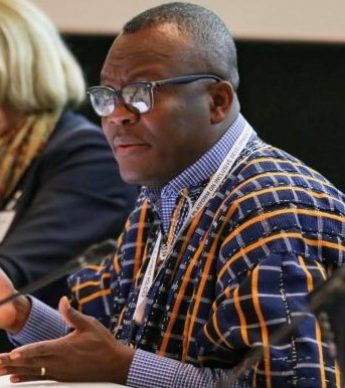


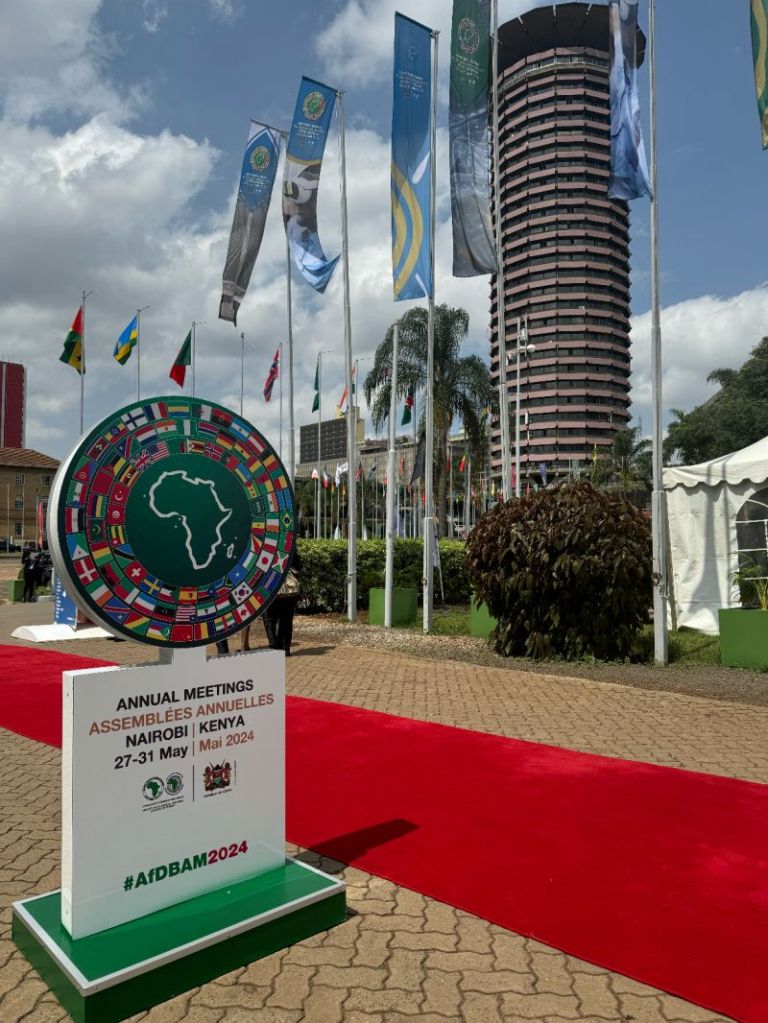



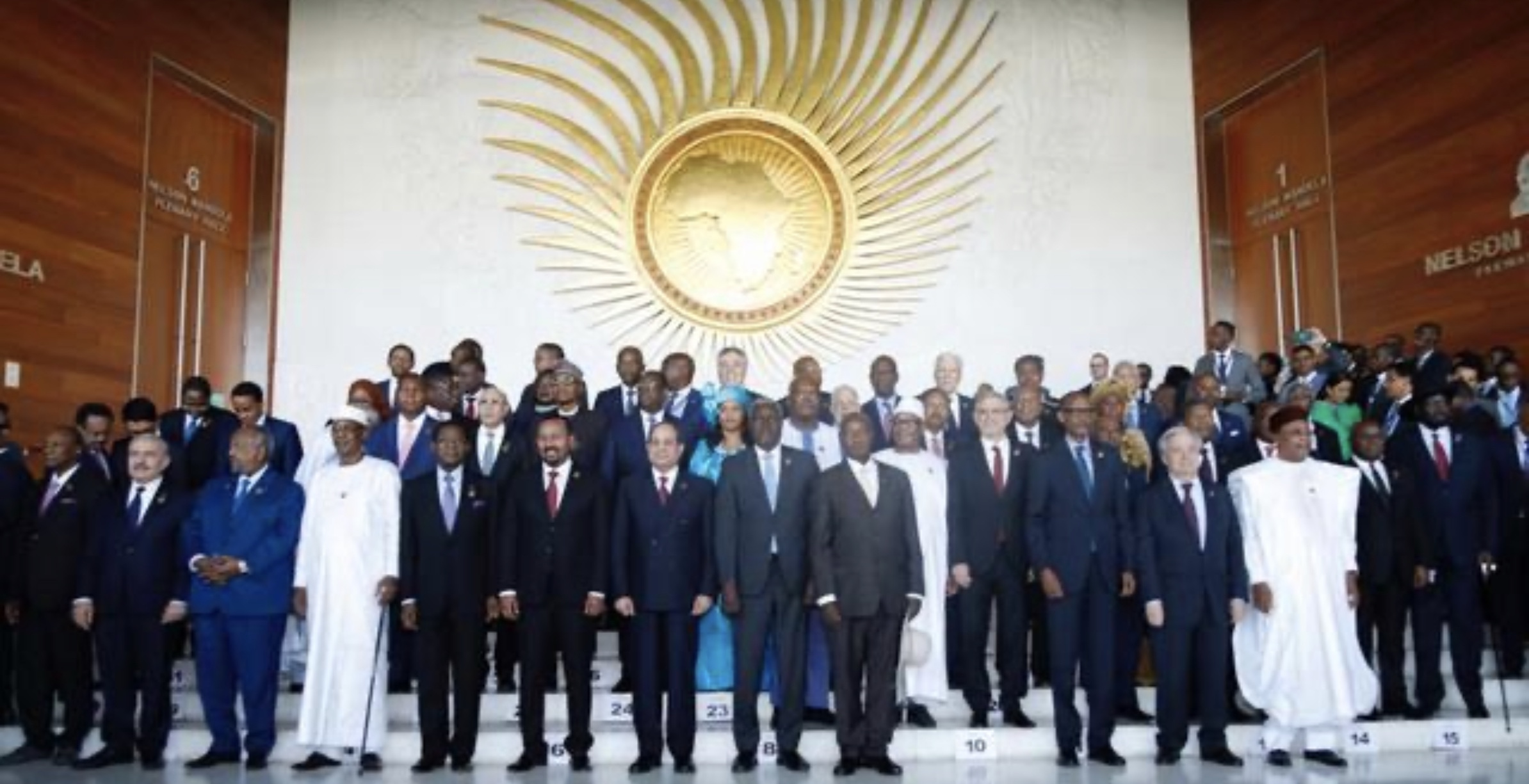



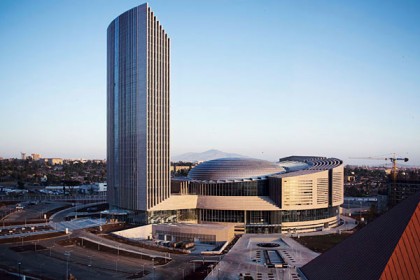
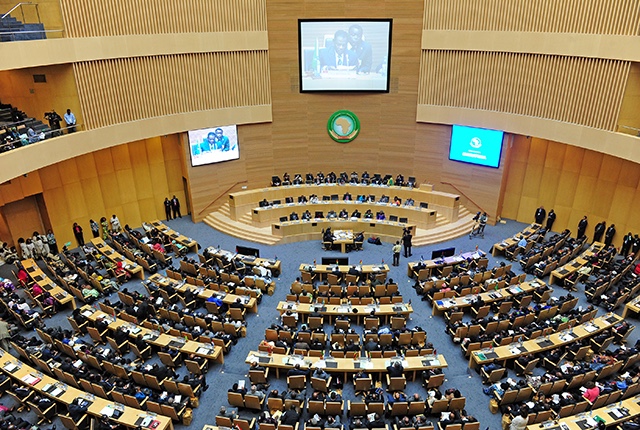
 Assodesire