
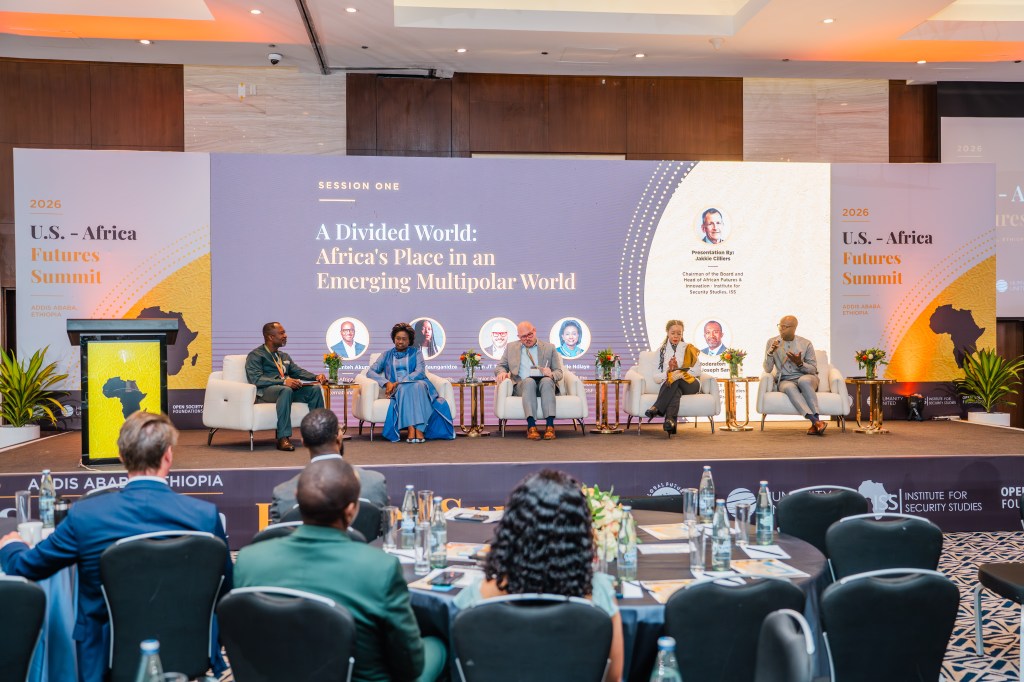
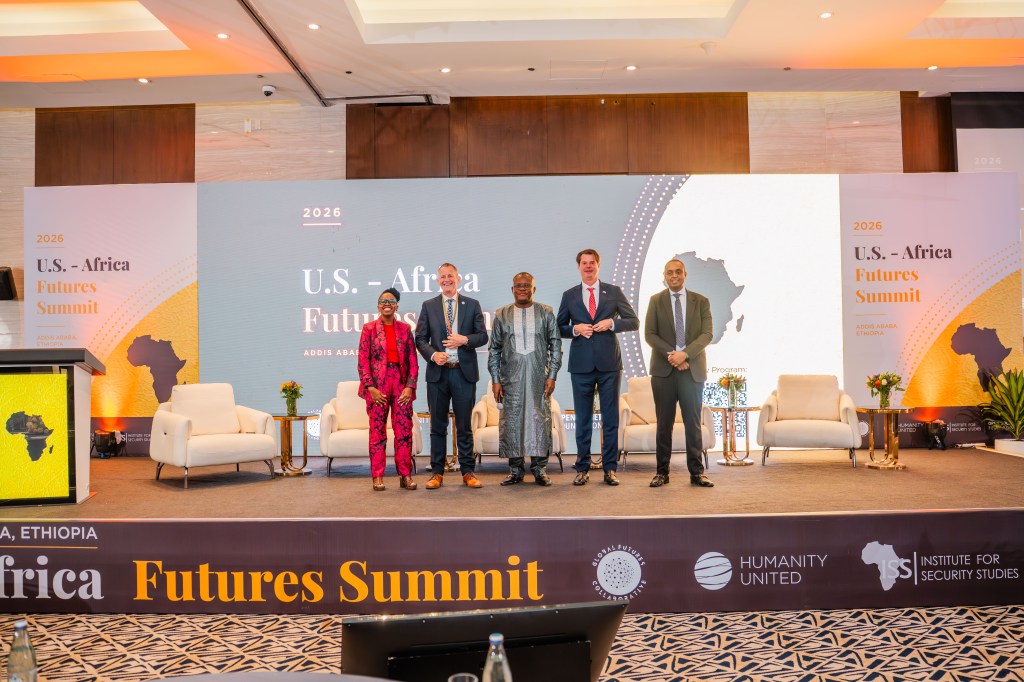
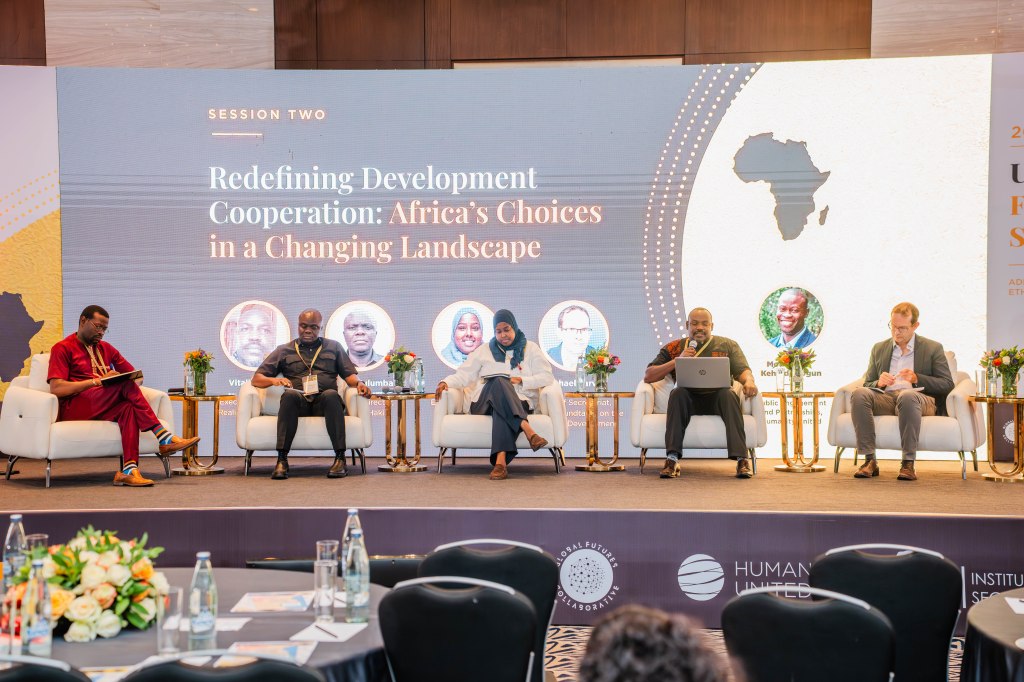
The 4th U.S.- Africa Futures Summit brought the conversation onto African soil. What emerged in Addis Ababa was not simply a call for a better partnership, but a practical test of whether Africa can convert global competition into collective bargaining power, and whether the United States can turn its new language of investment into visible delivery.
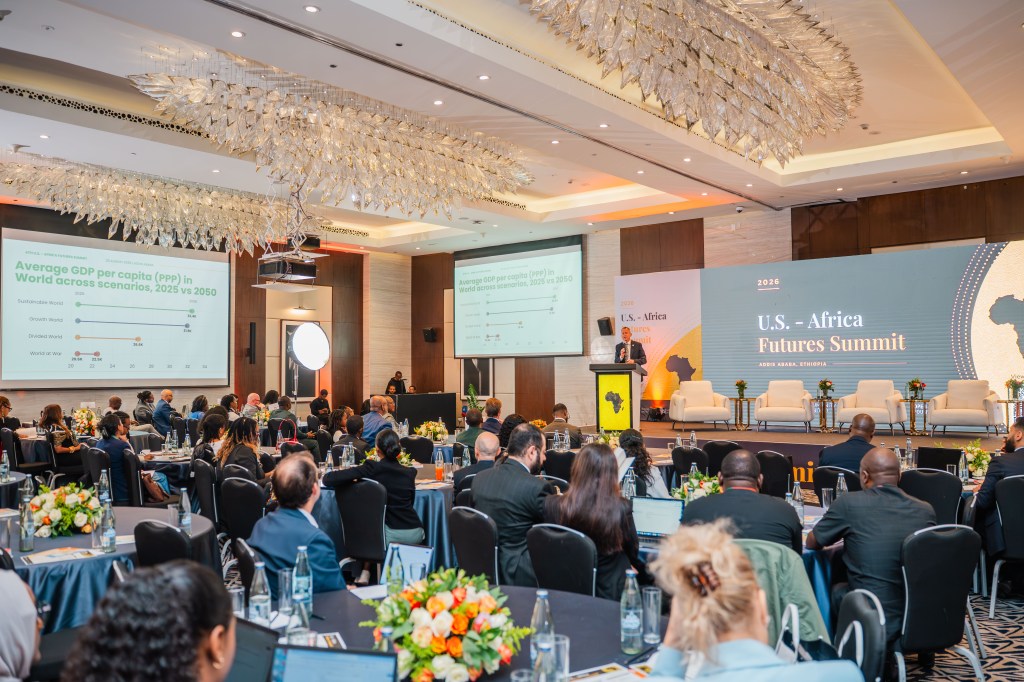
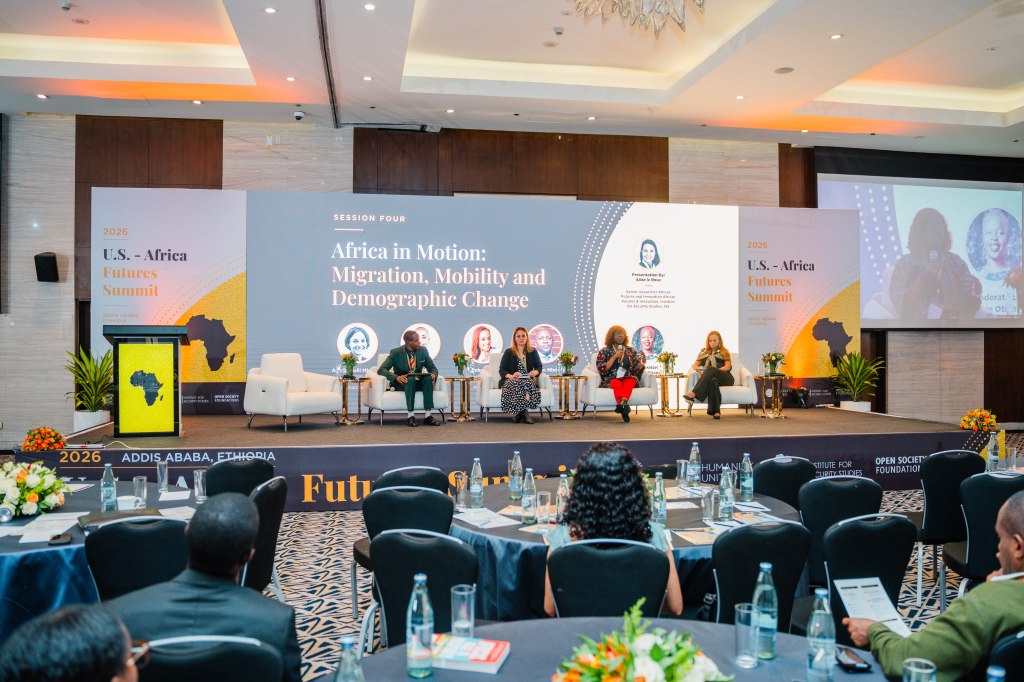
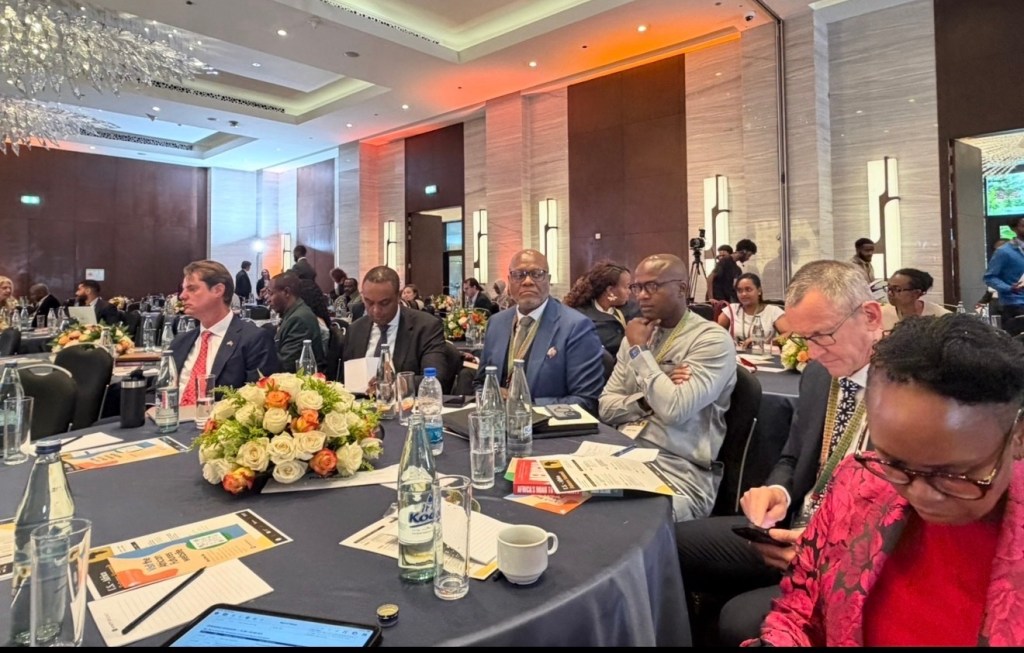
On 25 August 2026, the U.S.- Africa Futures Summit met in Addis Ababa for the first time, after three editions rooted in Washington, D.C. The move mattered. Addis is the political and diplomatic capital of the continent, the home of the African Union.
Seven takeaways stayed with me.
1. Beyond the Corridors of Power
In my opening framing, on behalf of the Open Society Foundations, co-host of the Summit, I argued that the future of U.S.- Africa relations can no longer be designed exclusively in presidential palaces, foreign-ministry corridors or the boardrooms of international institutions. It must also be shaped by young people, women entrepreneurs, civil society, artists, researchers and communities. That was not a ceremonial appeal for inclusion. It went to the heart of why this gathering mattered.
The participation of the U.S. Mission to the African Union and the representative of the Chairperson of the African Union Commission gave the exchange particular weight. Both acknowledged that the relationship must evolve. Both placed economic opportunity at its centre. Both recognized the importance of the African Continental Free Trade Area and cross-border infrastructure.
2. Competition is real, but Africa must organize its leverage
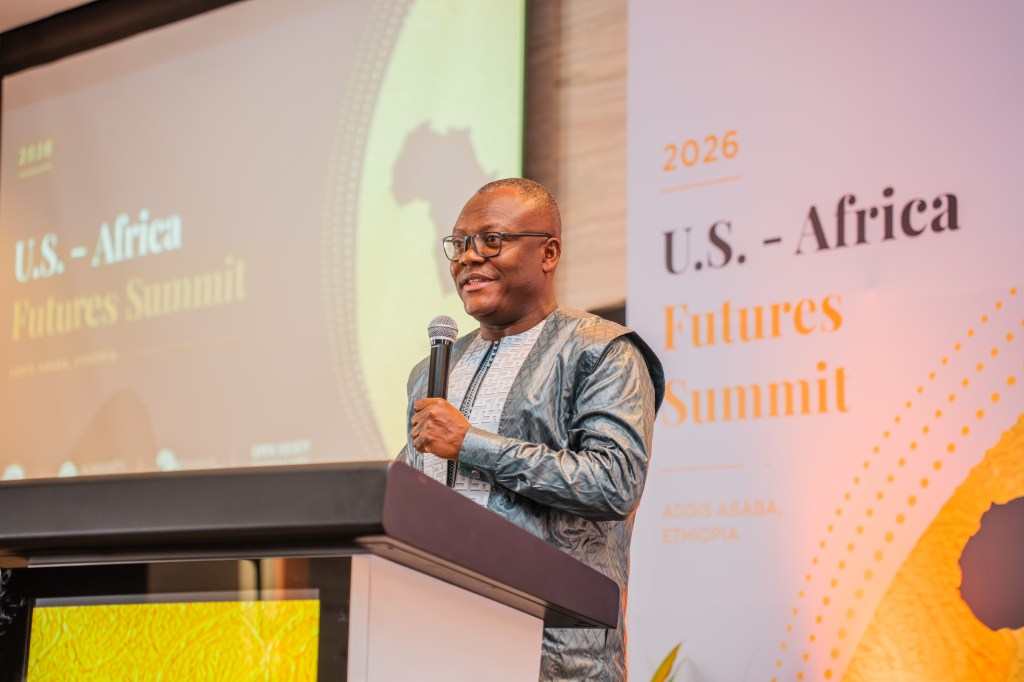
One of the most candid statements of the day came from the U.S. Chargé d’Affaires to the African Union Mr. Walter Parrs: competition is real, and the United States intends to compete, but competition alone is not a strategy for partnership. That distinction matters.
U.S.- Africa relations are increasingly described through rivalry with China. Europe, India, the Gulf states and other actors are also expanding their economic and political footprints. Africa is courted because of its markets, diplomatic weight, young population, strategic geography and resources essential to the energy and digital transitions. Yet renewed attention does not automatically create African leverage. It can just as easily produce a new scramble in which countries compete against one another, bargain bilaterally from weak positions and accept short-term deals that undermine long-term transformation.
Africa should not be pushed into choosing one geopolitical camp. Strategic multi-alignment is not indecision. Properly organized, it is leverage. But it works only when African countries know what they want, negotiate around common positions and possess the capacity to make partners compete on African priorities. Fifty-five states do not become a geopolitical bloc simply by sitting under one continental flag. Agency must be organized.

3. The partnership must be measured by delivery, co-creation and greater sovereignty
The representative of the African Union Commission’s Chairperson, Mohamed Sougal, offered the most useful measure of success. He argued that the U.S. – AU Strategic Infrastructure and Investment Working Group should be judged by what people can see and feel: jobs created, businesses supported, infrastructure delivered, trade expanded and opportunities opened for young people.
That is not rhetoric. It is a measurement standard that governments, citizens and civil society can use. The Working Group now needs a transparent pipeline of projects, public measures of local procurement, value addition, jobs and regional trade. Otherwise, it risks joining the long list of mechanisms that sounded promising at launch but never became visible in people’s lives.
The AU representative also called for a move from assistance to investment, from isolated projects to strategic cooperation, and from consultation to co-creation.

The fashionable phrase “from aid to trade” is equally incomplete. Trade can reproduce extraction, and investment can concentrate wealth or leave governments carrying risk while private actors capture the gains. Cooperation should instead strengthen national systems, mobilize domestic revenue, transfer capability and build the infrastructure, skills and industries that reduce dependency over time.
This is also why financial sovereignty matters. When I attended the AU Ministerial Joint Specialized Technical Committee meeting in Abidjan in July and watched the African Credit Rating Agency move from concept towards its Port Louis launch, I saw the same struggle from another angle. A continent constrained by high borrowing costs and permanent fiscal dependency cannot co-create partnerships on equal terms.
4. Critical minerals are important test of the new relationship
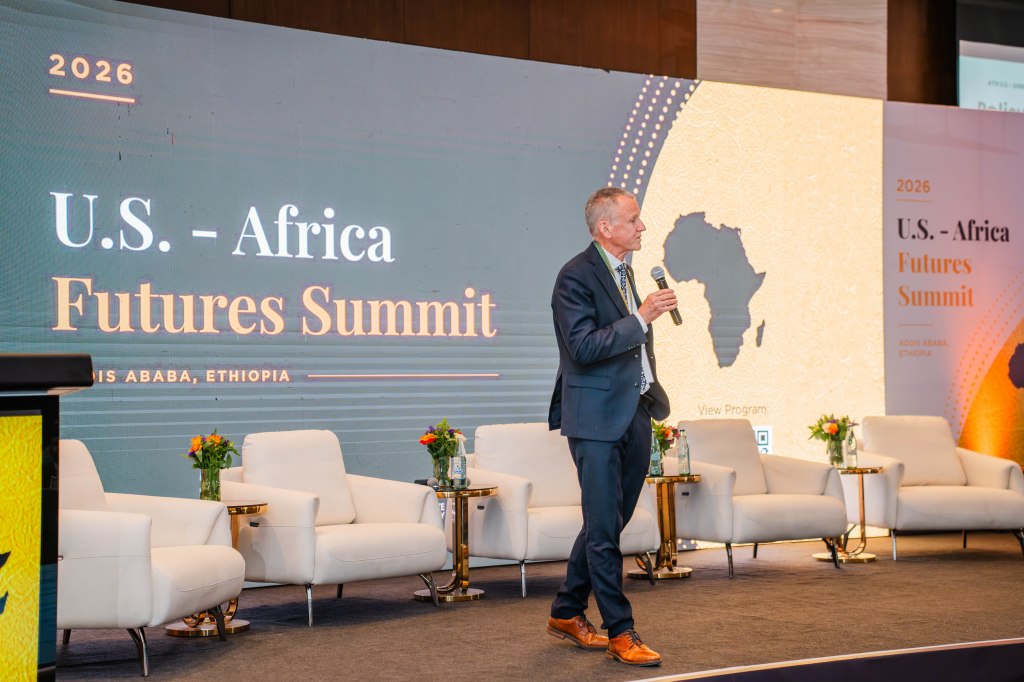
No issue captured the contradictions of the emerging partnership more clearly than critical minerals. The world already knows that it wants Africa’s cobalt, copper, lithium, manganese, graphite and other strategic resources. The question I posed at the opening was: how much of the value generated by those minerals will stay on the continent and help meet Africa’s development needs?
If African countries continue negotiating one by one, exporting largely unprocessed ores and treating environmental and community rights as secondary, the current rush will repeat an old story. The commodities will change, but the structure will not: value created abroad, few jobs at home, weakened public institutions and communities left with the environmental and social costs.
Critical-mineral diplomacy must become industrial diplomacy. Agreements should connect extraction to power generation, transport, processing, research, skills, supplier development and regional markets. Legal and geological expertise should be pooled. Local-content rules must be credible and coordinated. The AfCFTA should help create regional value chains at a scale individual economies cannot achieve alone.
Beneficiation cannot be pursued at any price. Free, prior and informed consent, environmental safeguards and fair community benefit-sharing are not obstacles to industrialization; they are what make it legitimate and durable. The United States wants diversified and resilient supply chains. African countries want industrialization and greater value retention. Those interests can align, but only if agreements distribute opportunity as seriously as they distribute risk.
5. Mobility, peace, democracy and rights are part of the economic agenda
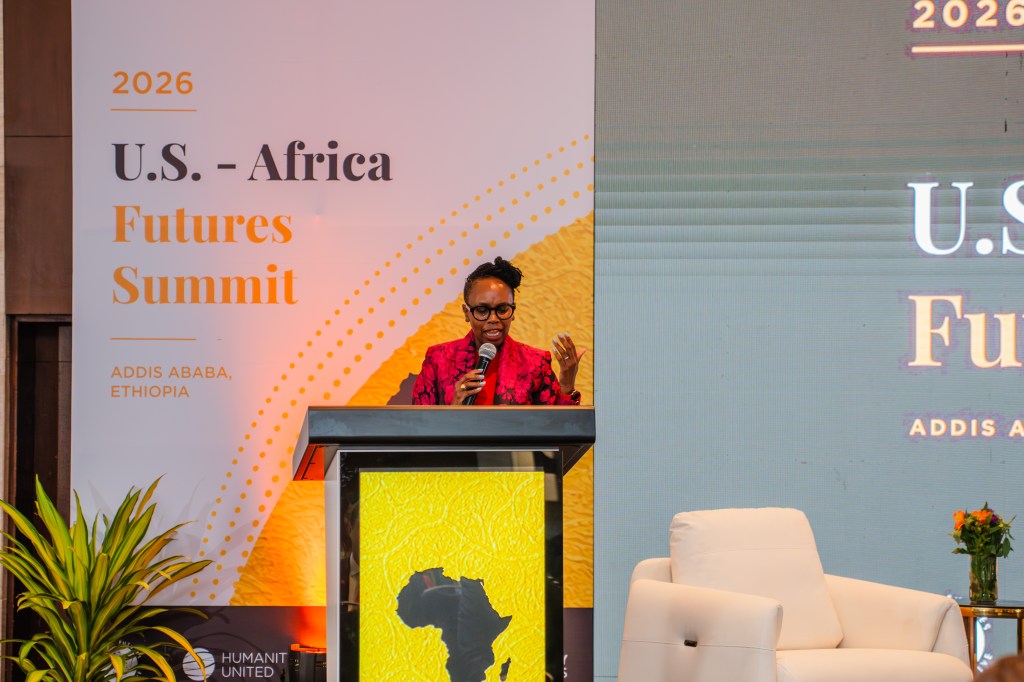
The Summit rightly refused to treat migration, peace, security, democracy and human rights as side issues. They determine whether economic gains are shared, whether institutions remain legitimate and whether partnerships endure.
The migration discussion challenged the portrayal of African mobility as principally a crisis at Europe’s or America’s border. Much African migration occurs within the continent, through cities, regional labour markets and displacement caused by conflict or climate stress. Restrictive policies do not remove the pressures that make people move. They make movement more dangerous, expensive and unequal.
A serious partnership should expand safe and regular pathways, protect migrant workers, improve the portability of qualifications and rights, and support Africa’s free-movement agenda. It should also treat the diaspora as more than a source of remittances. The diaspora brings knowledge, investment, professional networks, cultural influence and political access that can connect the two continents on more equal terms.
Peace and security raised a parallel warning. ‘African-led solutions’ cannot become diplomatic shorthand for burden-shifting. Ownership requires predictable resources, capable continental and regional institutions, sustained diplomacy and meaningful participation by affected communities. Security partnerships that ignore corruption, civic repression, exclusion or the economic frustrations of young people may contain immediate threats while deepening the conditions that produce instability.
6. Representation is only the beginning; influence requires capacity and accountability
The African Union’s permanent membership in the G20 was a historic achievement, but a seat at the table is valuable only when the person occupying it arrives with a negotiating positions and the machinery to follow through.
I have made this argument in previous writings on Africa’s place in global governance: institutional inclusion is a beginning, not an outcome. Africa’s demographic weight, resources and moral claims do not automatically shape decisions. Influence comes from preparation, coalition-building and the ability to connect continental positions to national implementation.
The same principle applies to civil society. Inviting citizens’ groups into a room is not meaningful participation if decisions have already been made or if those groups lack the resources and access to monitor delivery. Civil society must help define priorities, scrutinize agreements and hold governments and investors accountable. In a period of shrinking civic space and increasingly transactional diplomacy, that role becomes more important, not less.
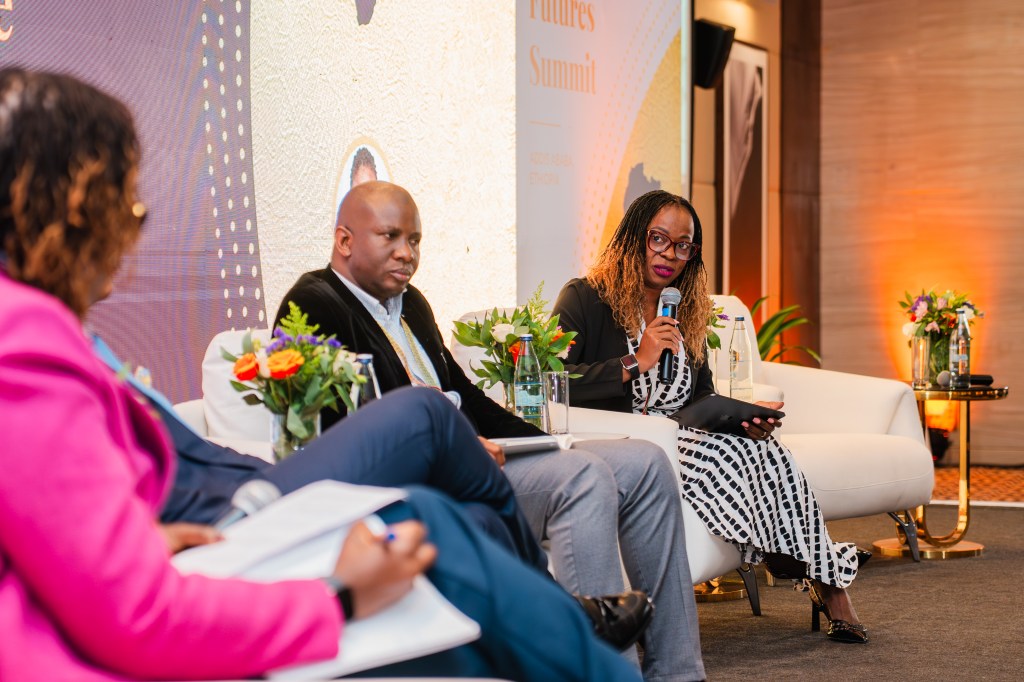
The Summit demonstrated the value of placing government, diplomatic, research, philanthropic, business, diaspora and civil-society voices in the same conversation. Its next test is whether those voices remain connected when the conference room empties.
7. The Summit must now become a year-round platform for action
The 4th Summit did not produce an intergovernmental declaration, and that was not its purpose. Its value lay in the clarity of the diagnosis and the possibility of turning an annual gathering into a platform that influences policy throughout the year.
The organizers signalled several immediate next steps: a substantive synthesis of the proceedings; recommendations for African governments and institutions as well as U.S. policy; mapping the policy windows where those recommendations can travel; stronger research and communications; and a follow-up process to narrow priorities and identify leadership. A future “doers” track was also proposed so that the next Summit can assess what changed between gatherings.
Those commitments should now be organized into a simple inter-Summit architecture. 1st, the partners should select two or three issues on which collective action can realistically make a difference, rather than trying to carry the entire U.S.- Africa agenda. 2nd, each priority should have named co-leads from African and U.S. institutions, supported by experts, civil society and practitioners. 3rd, the platform should map its advocacy calendar across the UN General Assembly, the African Union Summit, international financial meetings, business forums and diaspora convenings. 4th, small working sessions should be held between Summits to test recommendations, unblock specific problems and connect decision-makers with those implementing policies. 5th, a short public progress tracker should record commitments, action taken, obstacles and results.
Communications should also continue between convenings. High-quality research needs to be translated into accessible policy papers, commentary, media engagement and targeted briefings. African experts and practitioners should be supported to carry the platform’s ideas into Washington, Addis Ababa and other decision-making spaces, rather than being repeatedly invited to restate them at side events.
The next Summit should begin with an accountability session, not another diagnosis. We should be able to answer: What changed? Which institution acted? What project moved? What policy was influenced? Who benefited? Where did implementation stall? This ‘doers’ track should become the institutional memory of the platform and the bridge between annual gatherings.
If that happens, the Summit can become more than an event. It can serve as a modest but credible mechanism for agenda-setting, coalition-building and sustained pressure for delivery.
The future is being negotiated now
What stayed with me after Addis was not a new slogan. It was a clearer understanding of the choice facing both sides.
Africa does not come to this relationship only with needs. It brings markets, ideas, culture, diplomatic weight, a young workforce, strategic geography, natural resources and solutions to global problems. But potential does not negotiate. Institutions do. Common positions do. Technical knowledge, infrastructure and coordinated markets do.
For the United States, the choice is between episodic engagement driven by competition and crisis, or a relationship of strategic depth. The latter requires consistency across political cycles, respect for African priorities, investment in regional integration and a willingness to share value rather than merely secure access.
The Addis Summit did not resolve the contradictions in U.S.-Africa relations. It did something more useful: it placed them in the open and gave us a clearer standard for judging what comes next. The relationship’s next chapter should be measured less by the warmth of its language than by the strength of the institutions it builds, the fairness of the agreements it produces and the opportunities ordinary people can actually see.
The future is being negotiated now. Addis made clear which future Africans want. The work between this Summit and the next is to build the power, coalitions and accountability required to secure it.

If you’d like to receive my articles automatically as soon as they’re published, simply follow this blog using the “Follow” button at the bottom left of this page or send me an email at Desire.Assogbavi@Assodesire.com

