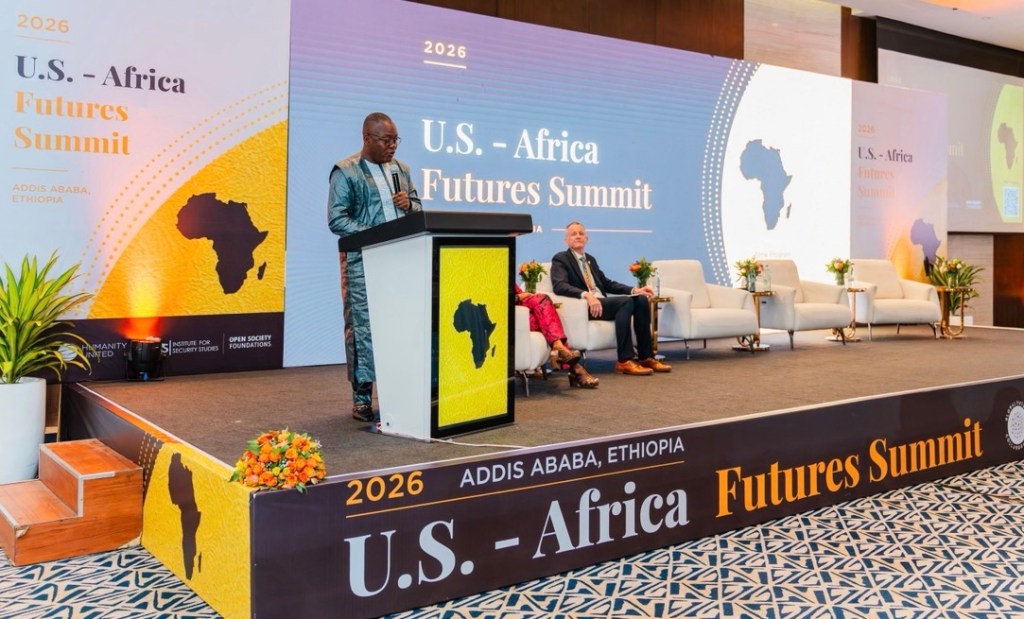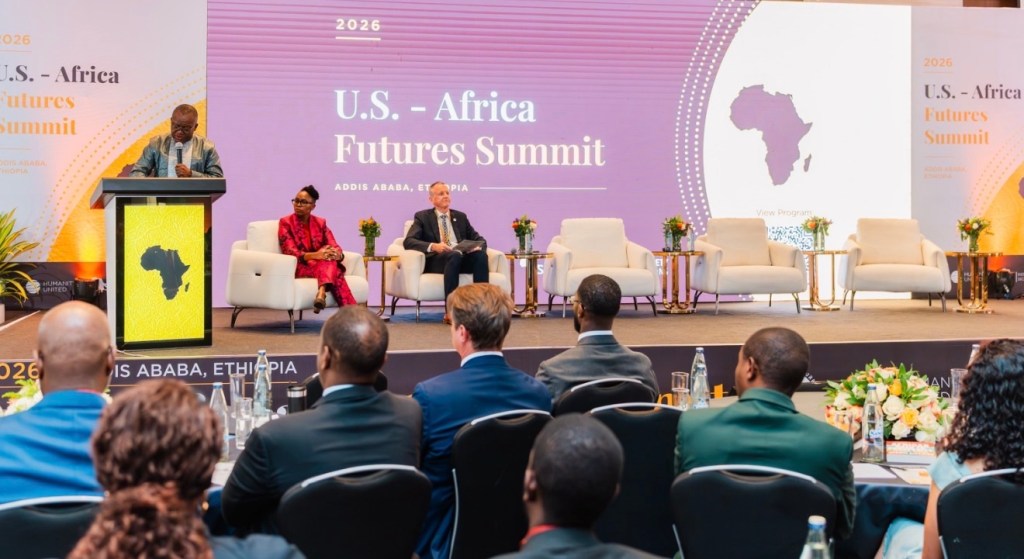
Addis Ababa, 25 August 2026
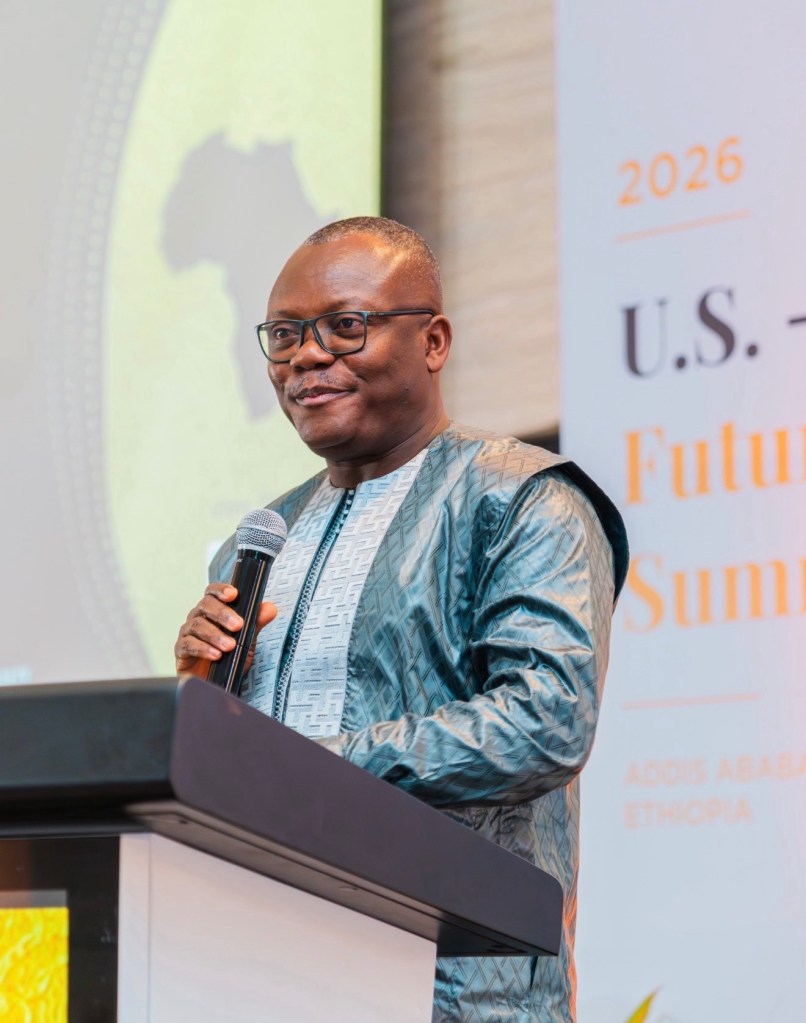
Excellencies, distinguished guests, colleagues, partners, friends, good morning, and welcome.
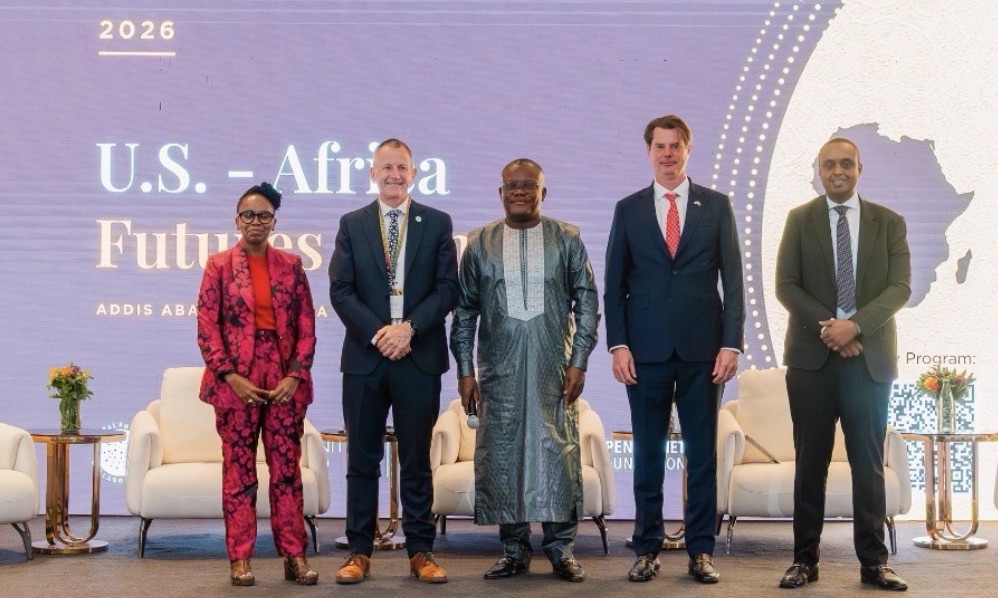
On behalf of the Open Society Foundations, it is a great pleasure to welcome you to the U.S.-Africa Futures Summit.
I would like to begin by thanking our co-hosts and partners, and especially everyone who has travelled from across Africa, the United States and beyond to be part of this important conversation.
We gather at an extraordinary moment.
The world around us is changing rapidly.
The international order that has shaped relations between Africa and the United States for decades is under pressure.
Geopolitical competition is intensifying.
Development assistance is being reconsidered.
Debt burdens are constraining governments.
Climate change is accelerating.
Artificial intelligence and new technologies are transforming our economies and our life.
Friends, the future of U.S.-Africa relations cannot be designed exclusively in presidential palaces, foreign ministries, boardrooms or international institutions.
It must also be informed by young people, women, entrepreneurs, civil society, artists, researchers, communities and citizens themselves.
That is one reason why gatherings like this Summit matter.
We need spaces where government can speak with civil society;
where policymakers can hear entrepreneurs;
where Africans can challenge Americans and Americans can challenge Africans; and where we can move beyond diplomatic language to ask difficult questions about what is working, what is failing, and what needs to change.
Against this backdrop, the questions before us are:
What is the future of U.S.- Africa relations?
What kind of relationship do Africans and Americans want to build together for the future? And who gets to shape it?
For too long, discussions about Africa’s relationships with major global powers have often begun somewhere other than Africa…
The future cannot be constructed that way.
At the Open Society Foundations, we believe that Africa must not simply be a ground in which global competition plays out.
Africa must be a full actor of the emerging global order.
Africa possesses resources essential to the global energy transition. It is building the world’s largest free-trade area by number of participating countries.
Today, African countries are engaging with multiple partners not necessarily because they want to choose one geopolitical camp over another, but because they are seeking partnerships capable of advancing their own development and strategic interests.
That requires us to move beyond an old paradigm.
Beyond aid to agency. Beyond donor and recipient.
On critical minerals.
The global transition toward clean energy is creating enormous demand for resources that Africa possesses in abundance. But the fundamental question for Africa is no longer simply whether the world wants its cobalt, copper, lithium, manganese or graphite. We already know that it does.
The question is: How much of the value generated by those resources will remain in Africa?
Will African countries simply export another generation of raw materials?
Or can this moment, help finance infrastructure, build industries, create decent jobs, expand regional value chains, develop skills and accelerate Africa’s economic transformation?
Friends, Partnership must increasingly be measured not simply by what comes to Africa, but by what Africa is able to build, own, and shape.
And this conversation is not only about economics.
It is also about democracy, human rights and the relationship between citizens and power.
And perhaps we should also be comfortable with disagreement.
A genuine partnership does not require us to agree on everything.
It requires us to respect one another enough to have difficult conversations about democracy and human rights, about trade, about migration, about security, about global governance, about historical injustices, and about the distribution of economic power.
At OSF, we see another dimension that is increasingly important: Africa’s role in shaping the global system itself.
The African Union’s permanent membership in the G20 was an important recognition of Africa’s growing geopolitical weight.
But representation must now translate into influence.
Africa should not only have a seat at the table. Africa must have the capacity to shape what is on the table.
As we begin this Summit, I would invite us to resist the temptation simply to diagnose the problems. Let us use this space to identify possibilities.
What would a genuinely modern U.S. – Africa economic partnership looks like?
How do we move from extraction to value creation?
How do we ensure that young people on both sides see opportunities?
How can Africa and the United States work together to strengthen democracy, rule of law and justice.
How do we reform international institutions so that they reflect today’s world rather than the world of 1945?
And perhaps most importantly: What can the people, gathered in this room, actually do differently after this Summit?
Because ultimately, the success of our conversations will not be measured by the elegance of our declarations.
It will be measured by the partnerships we build, the policies we influence, the assumptions we challenge, and the opportunities we create for people.
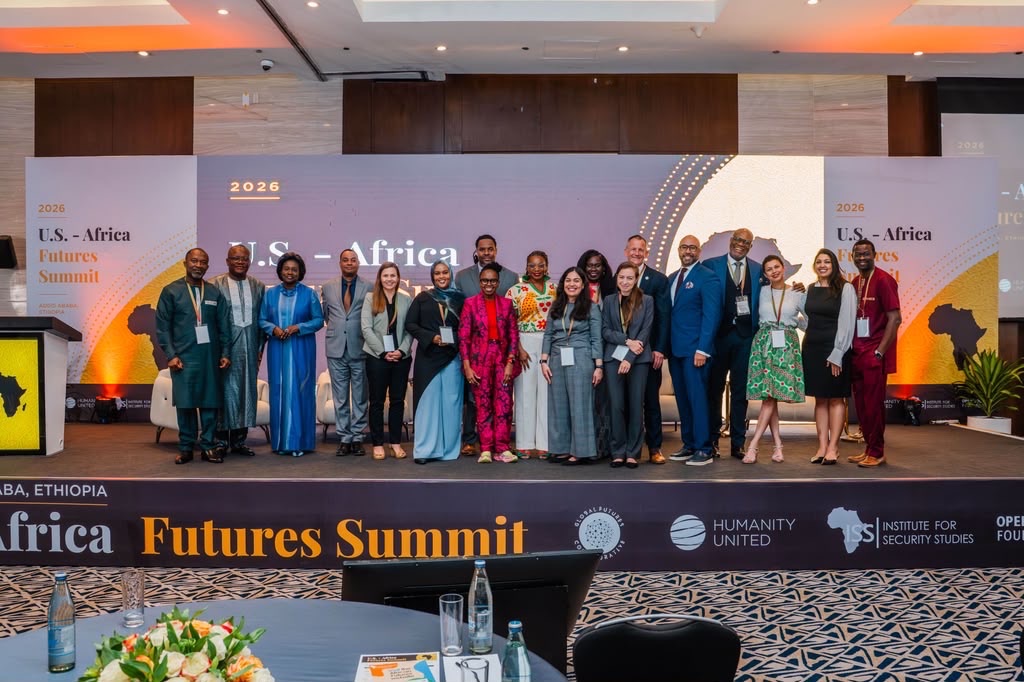
At the Open Society Foundations, we are proud to co-host this Summit because we believe deeply in the value of bringing together diverse voices to confront difficult questions, and in ensuring that African voices are not simply present in global debates, but powerful in shaping their outcomes.
The future of U.S. -Africa relations is not predetermined. It is being negotiated right now. And everyone in this room has a role in shaping it.
So let us be ambitious.
Let us be candid.
Let us listen to one another.
And above all, let us imagine a U.S. – Africa relationship that is not defined by the structures we inherited, but by the future we are prepared to build together.
On behalf of the Open Society Foundations, thank you for joining us.
Welcome to the U.S. – Africa Futures Summit.
And I wish us all a productive, courageous and forward-looking conversation.
I thank you.