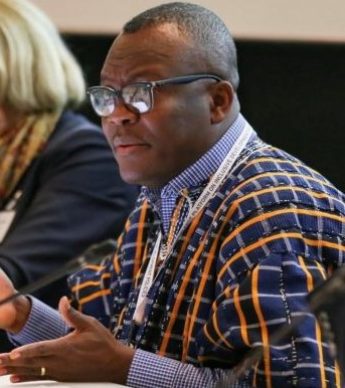
When the convening opened, I asked what it would take to keep human rights and dignity at the center of Africa’s future. Three days later, a question from the African Commission’s closing statement stays with me. What would our human rights commitments mean to a child who grows up displaced by conflict, with little access to school or healthcare? It is a fair question to put to every institution that came to Cotonou. Read my opening article.
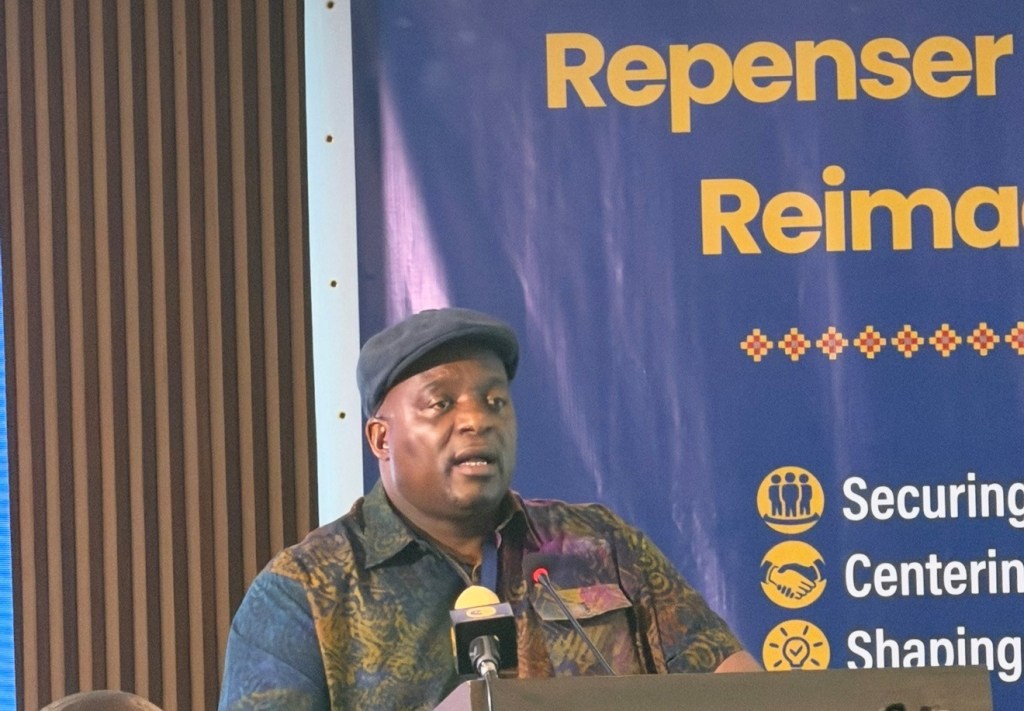
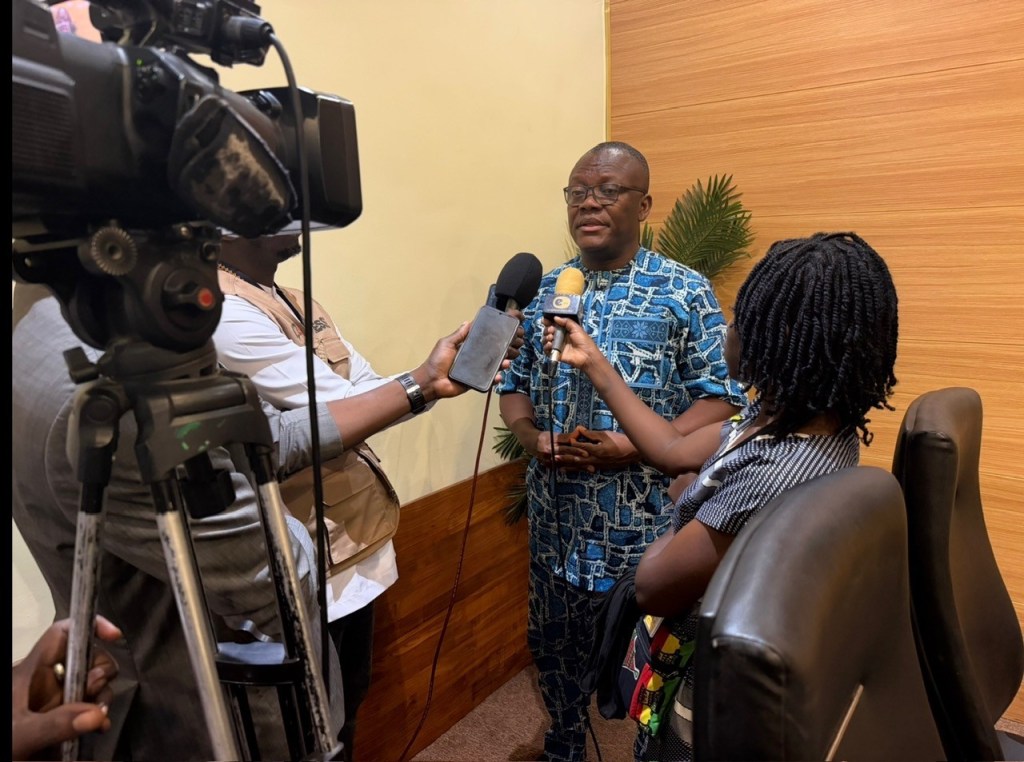
I spent much of the meeting speaking with the media so that people who could not be there could follow the discussion. Here is what I would want them to know.
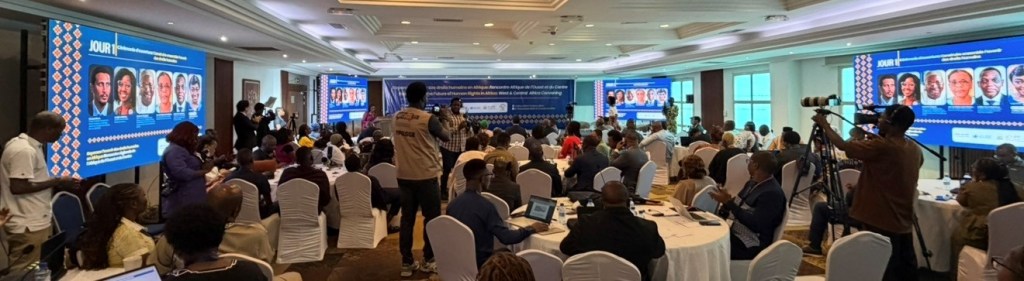
From 10 to 12 November, Open Society Foundations, the UN Human Rights Office, the African Commission on Human and Peoples’ Rights and the Network of African National Human Rights Institutions convened the West and Central Africa dialogue in Benin. National institutions and regional and continental bodies took part alongside journalists, traditional and religious leaders, artists, academics, defenders, young people and community members. They brought different ideas about where change begins. That made for a more candid conversation about why so many rights guaranteed by law remain difficult to exercise.
Can people use the rights they have
Participants pointed to shrinking civic space, declining trust in institutions and the difficulty of getting justice when something goes wrong. They called for independent oversight, more accessible remedies and institutions with the means to act on their mandates. One practical test is whether someone who has suffered a violation can find out where to go, get help and learn what became of their complaint.
We also discussed how people come to understand their rights in the first place. There was a call to teach and discuss them in local languages, using African histories, Indigenous knowledge and cultural forms such as music, poetry and theatre. That took me back to my years hosting human rights education programs at Radio-Lomé. A conversation in a language people use at home can bring a right within reach. The meeting stressed that this work must uphold dignity, equality and non-discrimination.
Applying familiar rights to unfamiliar forms of power
The drafters of the Universal Declaration of Human Rights, the International Covenant on Civil and Political Rights and the International Covenant on Economic, Social and Cultural Rights could scarcely have anticipated the power a government or a company can exercise through a mobile phone. Their principles still give us a way to judge what happens. Freedom of expression matters when a network is shut down. Privacy matters when someone’s movements or contacts are monitored. Equality and access to remedy matter when a digital system decides who can get a service.
In Cotonou, participants raised the misuse of cybercrime and cybersecurity laws, arbitrary internet shutdowns, intrusive surveillance, disinformation and intimidation of journalists and defenders. They called for stronger privacy and data protections, greater capacity to withstand digital threats and protection that takes the particular risks facing women human rights defenders seriously. I would like to see the continental discussion put a practical question to national authorities and regulators. When someone is harmed by a digital decision or a restriction on communication, can they find out who authorised it and challenge it before an independent body?
Protection was also a question of what happens across borders. My recent visit to the Karibu shelter in Dakar, where I spoke with activists forced to flee their countries about regional human rights mechanisms, was on my mind. A person facing an immediate threat may need legal help, somewhere safe to stay and the means to keep working long before a case is decided. It makes sense for regional institutions, shelters, lawyers and funders to work out how to connect those forms of support before the next emergency.
Who protects people when the risks change
Civic space now depends in part on decisions made about networks, platforms and data. Participants raised arbitrary internet shutdowns, intrusive surveillance, disinformation and the misuse of cybercrime and cybersecurity laws. They called for stronger privacy safeguards, better ways to withstand digital threats and more effective protection for journalists and human rights defenders, including women defenders facing particular risks. For me, it was a reminder of how much old principles still have to say about new forms of power. Freedom of expression has a bearing on whether people can get online during a protest. Privacy has a bearing on who can monitor their communications.
Experiences from the Sahel and Lake Chad Basin brought the discussion back to the roots of insecurity, including exclusion, loss of livelihoods and weak trust in public institutions. Participants wanted community early warning to lead to an actual response, with women, young people and persons with disabilities involved in deciding what that response should be.
People displaced by conflict and those crossing borders were also part of the conversation. Participants called for stronger regional protection for refugees, migrants, displaced and stateless people, and for African Union guidance on deportations to third countries. In transitional justice, they urged approaches that start with victims’ needs, including truth-seeking, reparations, psychosocial support and accountability. Community-led restorative processes can help, while victims must retain their right to seek a remedy.
What budget and mines have to do with rights
A budget tells you a great deal about what a government can deliver. Can people see how public money is spent and how debt affects what is available for healthcare, education or other services? Can they influence those decisions before they are made? Participants called for accessible information on budgets and debt, public participation and stronger scrutiny of spending.
The same questions apply where minerals are extracted. Communities should have a meaningful say in decisions about their land and livelihoods and receive a fair share of the benefits. The discussion also addressed accountability for environmental harm and protection for people defending land and the environment. The African Commission’s closing statement invited us to imagine what it would look like if resource wealth showed up in the quality of schools, healthcare and opportunities available to the people living above it. That is a standard community, and public officials can use when they look at a mining agreement.
What we should take to Gaborone
The Cotonou discussions followed regional dialogues in Southern and Eastern Africa. In early December 2026, we plan to bring the lessons from these meetings together in Gaborone, Botswana, to help shape a continental human rights roadmap. Participants in Cotonou called for a practical framework built on stronger African ownership, sustainable financing, locally led philanthropy, equitable partnerships and greater engagement with the diaspora.
For philanthropy, we would take that as a challenge to look closely at who can actually obtain support. An established organization with a grants making capacity is better placed to navigate funding requirements than groups helping threatened defenders. Flexible funding can help local groups sustain community protection and public education after public attention moves elsewhere. International solidarity matters especially when threats cross borders or local support is scarce.
Several questions from Cotonou deserve concrete answers in Gaborone. Who is responsible for acting on a community’s early warning? Where can a threatened defender get urgent help across a border? What information should communities be able to obtain about budgets or extractive projects before decisions are made? How can people challenge intrusive surveillance or an arbitrary internet shutdown? The answers will vary across countries, but the roadmap can set common expectations.
I would like us to leave Gaborone with a manageable set of proposals to put before policymakers at upcoming gatherings of human rights institutions, African Union ministerial meetings and the AU Summit. Each action should identify who is responsible, how the work will be funded and when the public can expect an update. People should be able to see what was promised and ask when it will happen.
I will keep sharing updates here as we move towards Gaborone. If you followed the meeting from outside the room, I would welcome your view on one question. What would you want to see change first where you live?

