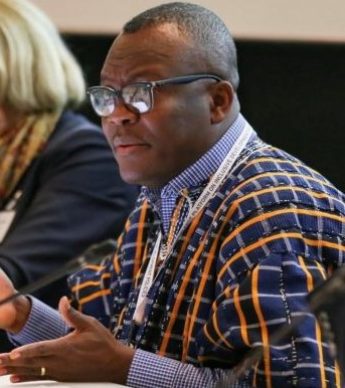
At the T20 U.S. Summit in New York on 19 November, I put a figure to our panel on development and peacebuilding that every G20 finance minister should know. Last year, violence had a $21.8 trillion impact on the world economy in 2025, measured in purchasing-power terms. That’s about 2,600 dollars for every person on earth. How much did we spend to prevent war and build peace? Less than 50 billion dollars. In other words, for every 200 dollars spent on weapons and armies, we spent just 1 dollar on peace. We are paying a huge price for war, and almost nothing to stop it. If a company managed risks like that, it would go bankrupt.
In No Prosperity Without Stability, the T20 policy paper I co-authored with Chandrima Das, we argue that investing in peace in Africa is in the G20’s own economic interest. Conflict in eastern Congo exposes mineral supply chains to armed groups. Gold from Sudan and the Sahel can finance armed actors and end up in global markets. War disrupts trade and forces people from their homes, leaving families without livelihoods and putting more pressure on the communities that receive them.
We propose four things. Check for conflict risks before financing a mine, road or power plant. Make funding for AU-led peace operations predictable, including through the framework established by UN Security Council Resolution 2719. Follow the money through better checks on the origin of gold and minerals and on who owns the companies trading them. And build trade corridors such as Lobito with local jobs, accountable security and fair rules, so communities along the route share in the benefits.
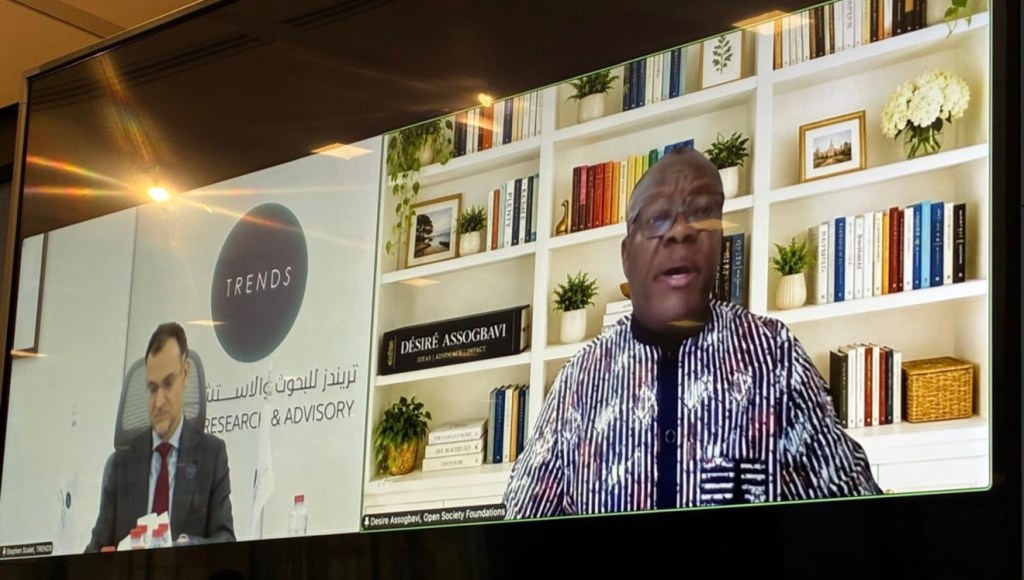
The African Union’s permanent seat gives its 55 nations a collective channel to shape those decisions. That mattered this year. The AU continued to engage in the G20 even as South Africa was excluded from meetings under the U.S. presidency. South Africa’s presidency had already secured a framework for African engagement in the G20 Finance Track through 2030 and put debt sustainability high on the agenda. The AU has reported that 57% of Africans live in countries where debt payments exceed spending on health or education. A seat gives Africa access. Turning that access into influence takes common positions backed by evidence, and more reliable contributions from African governments to their own peace and security institutions.
A participant asked me a question about whether the G20 has leverage with the United Arab Emirates over Sudan. It does, through its members. The UAE denies supplying either side, while Amnesty International found that Chinese-made weapons used by the Rapid Support Forces were almost certainly re-exported by the UAE. The U.S. has already sanctioned a UAE-based company it says supplied the RSF. Washington and Riyadh can press Abu Dhabi through the Sudan Quad for independently monitored steps to stop external arms flows and help secure a humanitarian truce and safe access for aid. The EU can enforce its restrictions on Sudanese gold routed through third countries, and India can require stronger proof of origin for gold traded through Dubai.
When G20 leaders meet in Miami in December, I would like to see them agree with the AU on who will do what and when they will review progress. Sudanese people must shape their own political future. G20 members can help by using the tools they already control to make the war harder to finance and supply.
We are not asking the G20 to become a peace and security body. But its members make decisions every day about where money goes, what they finance and which financial flows they allow. They can use those decisions to help prevent conflict and support peace in Africa and around the world.